Decoding Dress Codes: What Is the Most Elegant Standard?
Dress Code Decider
Not sure what to wear? Answer two simple questions below to find the most elegant standard for your specific occasion.
For Women
Key Etiquette Notes
You’re staring at an invitation that says "Black Tie Optional," and you’re wondering if you’ll look underdressed or overdressed. It’s a common panic. We’ve all been there, clutching a cocktail dress while debating whether to add pearls or go bare-necked. But here is the truth: elegance isn’t just about spending more money. It’s about understanding the hierarchy of formality. So, what actually counts as the most elegant dress code? Is it the glittering balls of Vienna, or something more modern?
The short answer is White Tie. In the rigid world of Western formal etiquette, White Tie sits at the absolute peak. It is stricter, rarer, and historically more significant than Black Tie. But does that mean it’s always the right choice for your next gala? Not necessarily. To figure out what looks best on you, we need to break down the tiers of elegance, from the ultra-formal to the sophisticated casual.
The Pinnacle of Formality: White Tie
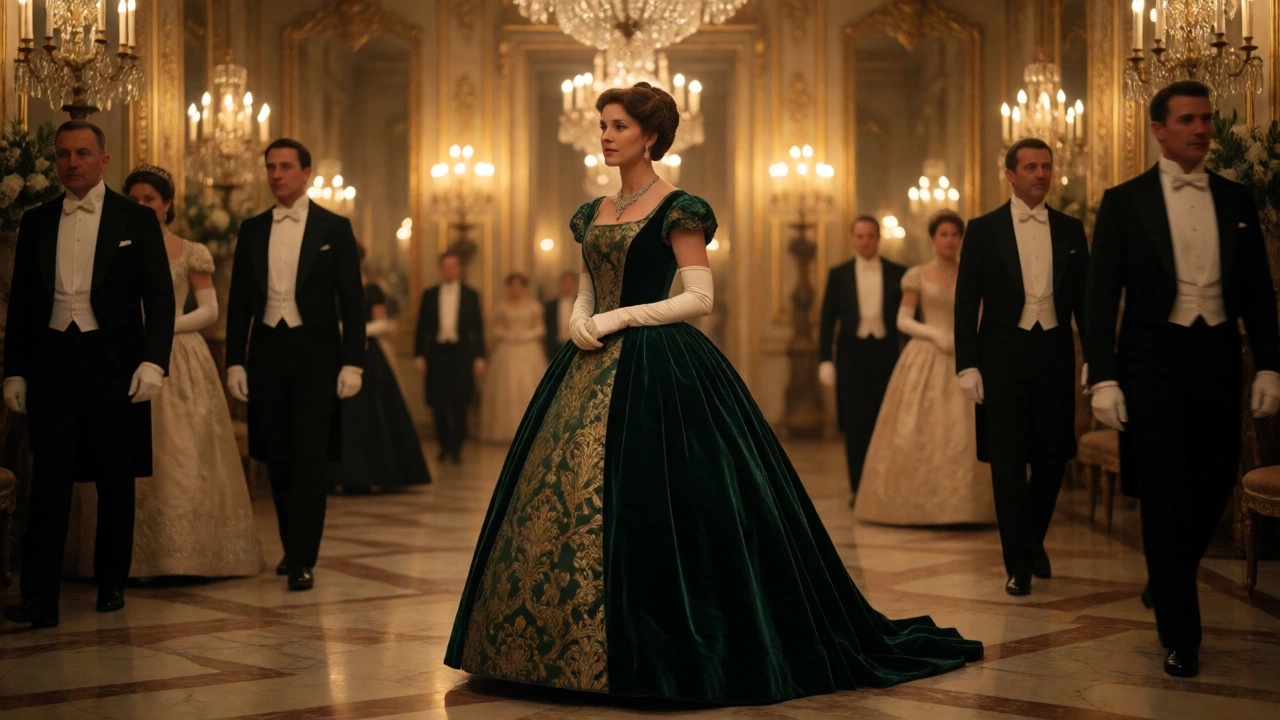
If you want to know what true elegance looks like in its purest, most traditional form, look no further than White Tie is the most formal Western dress code, originating in the 19th century and reserved for state dinners, royal events, and high-society galas. Think of the Nobel Prize Banquet or the Met Gala before it became a fashion circus. This isn’t just about wearing a tuxedo; it’s about following strict rules that have barely changed since the Victorian era.
For women, White Tie demands floor-length gowns. We’re talking ballgowns with full skirts, intricate detailing, and luxurious fabrics like silk satin, velvet, or heavy brocade. The silhouette should be structured. You aren’t just throwing on a slip dress here. Accessories matter immensely. Long gloves (elbow-length or longer) are often expected, along with statement jewelry-real diamonds or high-quality crystals are the norm. Hair is usually styled up to show off the neck and earrings. Makeup tends to be polished but not overly dramatic, letting the gown do the talking.
Why is this considered the most elegant? Because it requires effort. It signals respect for the occasion and the host. When you see someone in a proper White Tie ensemble, they look intentional. There’s no ambiguity. The uniformity creates a visual harmony that feels timeless. If you’re attending a diplomatic reception or a wedding in a historic European castle, this is the code you’re likely aiming for.
The Modern Standard: Black Tie
Black Tie is a semi-formal dress code established in the early 20th century, characterized by dinner jackets for men and floor-length or sophisticated cocktail dresses for women. While White Tie is the king, Black Tie is the prince who runs the kingdom most days. It’s the standard for most upscale weddings, charity balls, and premiere parties today. It strikes a balance between grandeur and approachability.
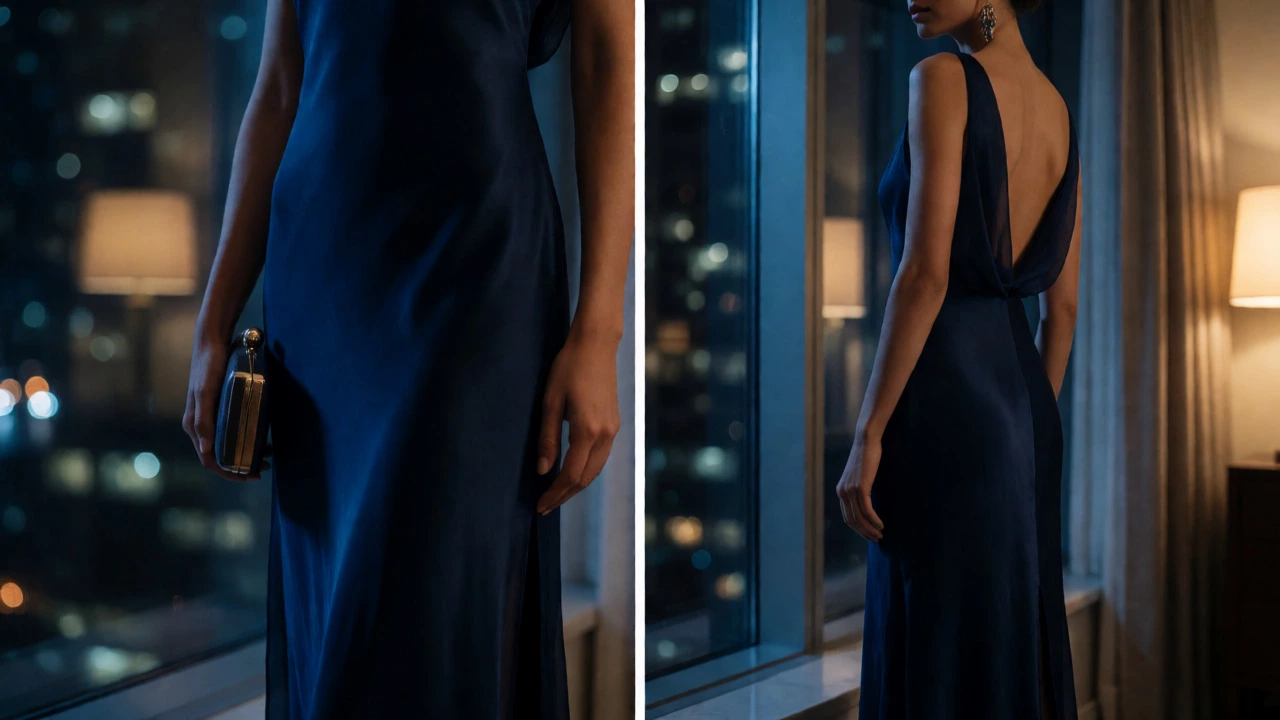
For women, Black Tie gives you more freedom than White Tie, but less than business casual. Floor-length gowns are still the safest bet, but now you can experiment with slits, open backs, and lighter fabrics like chiffon or crepe. A very long, tailored jumpsuit can also pass muster if it’s elegant enough. Cocktail dresses are acceptable if they are knee-length or midi and made of luxe materials. Avoid anything too sparkly or club-like. This is evening wear, not nightlife wear.
The key difference between Black Tie and White Tie is the level of rigidity. In Black Tie, you don’t need opera gloves. Your hair can be down if it looks polished. Jewelry can be costume pieces if they look expensive. It’s elegant because it allows for personal style within a refined framework. If you’re unsure which tier you’re in, Black Tie is almost always the correct guess for modern evening events.
The Gray Area: Black Tie Optional and Creative Black Tie
This is where things get tricky. Invitations often say "Black Tie Optional" or "Creative Black Tie." These terms confuse people because they seem to lower the stakes. They don’t. They just change the type of elegance required.
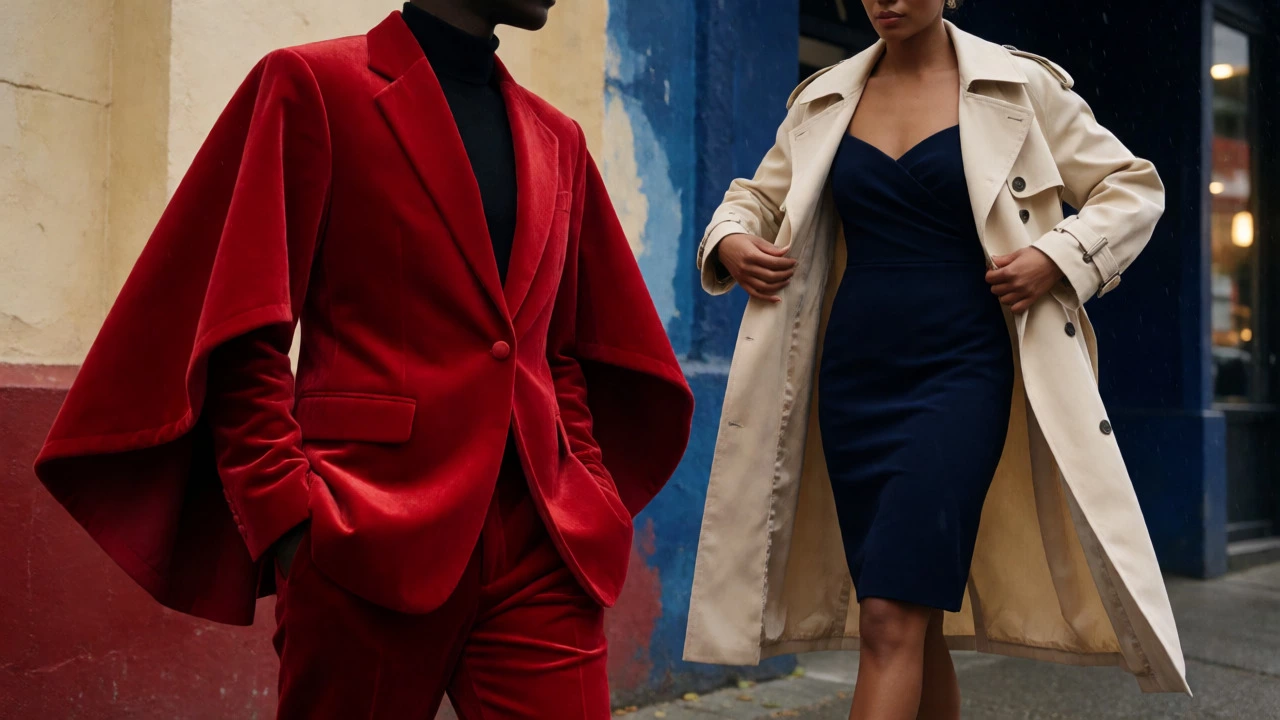
Creative Black Tie is a relaxed interpretation of formal wear that allows for personal expression through color, pattern, and unconventional silhouettes while maintaining a formal baseline. Here, elegance comes from uniqueness. Instead of a classic black gown, you might wear a bold red velvet suit or a dress with architectural sleeves. Men might swap the bow tie for a colored one or wear a dark suit instead of a tuxedo. The goal is to look interesting but still respectful of the evening setting.
"Black Tie Optional" is a polite way of saying, "We prefer Black Tie, but we won’t kick you out if you wear a nice suit or a shorter dress." For women, this means you can lean into the cocktail dress territory more comfortably. However, err on the side of over-dressing. A floor-length dress in a simple fabric will always look more elegant than a short dress trying too hard to be fancy.
Business Formal vs. Evening Elegance
A common mistake is confusing Business Formal with Evening Formal. Just because you wear a blazer every day doesn’t mean it belongs at a gala. Business Formal is about professionalism; Evening Formal is about celebration. The fabrics differ. Daytime suits use wool and cotton blends; evening wear uses silk, satin, and lace. The cuts differ. Daytime clothes prioritize movement and modesty; evening clothes prioritize drape and allure.
If an event starts after 6 PM, assume it’s evening wear unless stated otherwise. Even if the invite says "Smart Casual," adding an element of evening elegance-like metallic heels or a silk scarf-can elevate your look without breaking the code. True elegance adapts to the time of day. Wearing daytime fabrics to an evening event looks flat under artificial light. Evening fabrics catch the light, creating depth and richness.
| Dress Code | Length | Fabric | Accessories | Vibe |
|---|---|---|---|---|
| White Tie | Floor-length only | Satin, Velvet, Brocade | Long gloves, fine jewelry | Traditional, Royal |
| Black Tie | Floor-length or Midi | Chiffon, Silk, Crepe | Clutch, statement earrings | Classic, Sophisticated |
| Creative Black Tie | Any length (if elegant) | Textured, Bold Colors | Unique pieces, bold makeup | Artistic, Modern |
| Business Formal | Knee-length or below | Wool, Cotton, Blends | Minimalist, professional | Sharp, Professional |
What Makes a Dress "Elegant" Beyond the Code?
Following the rules gets you in the door. Looking elegant keeps you remembered. Several factors define elegance regardless of the specific code:
- Fit is King: An inexpensive dress that fits perfectly looks better than an expensive one that bunches or pulls. Tailoring is the secret weapon of elegant dressing.
- Fabric Quality: Cheap polyester shines in a plasticky way. Natural fibers or high-end synthetics have a subtle luster. Touch the fabric. If it feels scratchy or thin, it won’t hang right.
- Color Harmony: Neutrals (black, navy, cream, emerald) read as more formal than neon colors. That said, a deep jewel tone can be incredibly elegant if the cut is clean.
- Grooming: Messy hair or chipped nail polish undermines even the most expensive gown. Elegance is holistic. It’s about looking put-together from head to toe.
In Vancouver, where I live, the weather plays a huge role. Elegance isn’t just about the dress; it’s about how you transition from the rain to the venue. A stylish trench coat or a chic wrap can maintain the vibe during transit. Don’t let practicality ruin the aesthetic. Choose outerwear that complements the formality of your outfit.
How to Decide Which Code Applies to You
Not sure what to wear? Use this quick decision tree:
- Is it a State Event or Diplomatic Reception? Go White Tie. Full ballgown, gloves, updo.
- Is it a Wedding, Gala, or Opera? Go Black Tie. Floor-length gown or elegant jumpsuit. Polished accessories.
- Is it a Charity Dinner or Art Opening? Check for "Creative." Add personality. Color, texture, unique shoes.
- Is it a Corporate Holiday Party? Likely Business Formal or Cocktail. Keep it professional but festive. Avoid excessive sparkle.
Remember, when in doubt, ask the host. A quick email saying, "I want to ensure I’m dressed appropriately, could you clarify the level of formality?" shows respect and saves you anxiety. Most hosts appreciate the inquiry.
Frequently Asked Questions
Is Black Tie more elegant than White Tie?
No, White Tie is traditionally considered more formal and elegant due to its stricter rules and historical significance. Black Tie is slightly less rigid but remains highly sophisticated. White Tie is reserved for the most exclusive events, while Black Tie is the standard for most high-end evening occasions.
Can I wear pants to a Black Tie event?
Yes, modern etiquette accepts elegant, floor-length jumpsuits or tailored tuxedo-style trousers for women at Black Tie events. Ensure the fabric is luxurious (silk, satin) and the fit is impeccable. Pair with formal heels and jewelry to maintain the evening standard.
What is the difference between cocktail and black tie?
Cocktail attire is semi-formal, typically involving knee-length or midi dresses and darker suits for men. Black Tie is formal, requiring floor-length gowns for women and tuxedos for men. Black Tie is more elaborate and reserved for evening events, while cocktail is suitable for late afternoon or early evening gatherings.
Does 'Black Tie Optional' mean I can wear jeans?
Absolutely not. 'Optional' refers to the option of wearing a dark suit instead of a tuxedo for men, or a sophisticated cocktail dress instead of a ballgown for women. Jeans are too casual for any variation of Black Tie. Aim for business formal or cocktail minimum.
Are sneakers ever acceptable for elegant dress codes?
Generally, no. Sneakers undermine the formality of White Tie, Black Tie, and Creative Black Tie. However, some modern 'Creative' events might accept pristine, minimalist leather sneakers if paired with a tailored suit. For traditional elegance, stick to heels, flats, or loafers.