What is the Best Quality Cotton for T-Shirts? A Guide to Pima, Supima, and Organic
T-Shirt Quality Score Calculator
Configure Your T-Shirt Specs
Rating
Description
Why this scores well:
Potential Issues:
Enter your t-shirt specifications above to see how it stacks up against premium standards.
You’ve probably been there. You buy a t-shirt that feels like butter against your skin. It fits perfectly. It looks great. Then you wash it once, maybe twice, and suddenly it’s shrinking, pilling, or turning into a stiff cardboard box. Why does this happen? Usually, it comes down to one thing: the cotton.
Not all cotton is created equal. In fact, the difference between a $5 shirt and a $50 shirt often isn't just branding-it's the specific type of fiber used. If you want a t-shirt that actually lasts, breathes well, and doesn't lose its shape after three weeks, you need to know what to look for on that label. We’re going to break down the best quality cottons available right now, so you can stop guessing and start buying with confidence.
The Gold Standard: Supima and Pima Cotton
When people talk about high-end cotton, two names always come up: Pima and Supima. They sound similar because they are related, but there is a crucial distinction that affects quality and price.
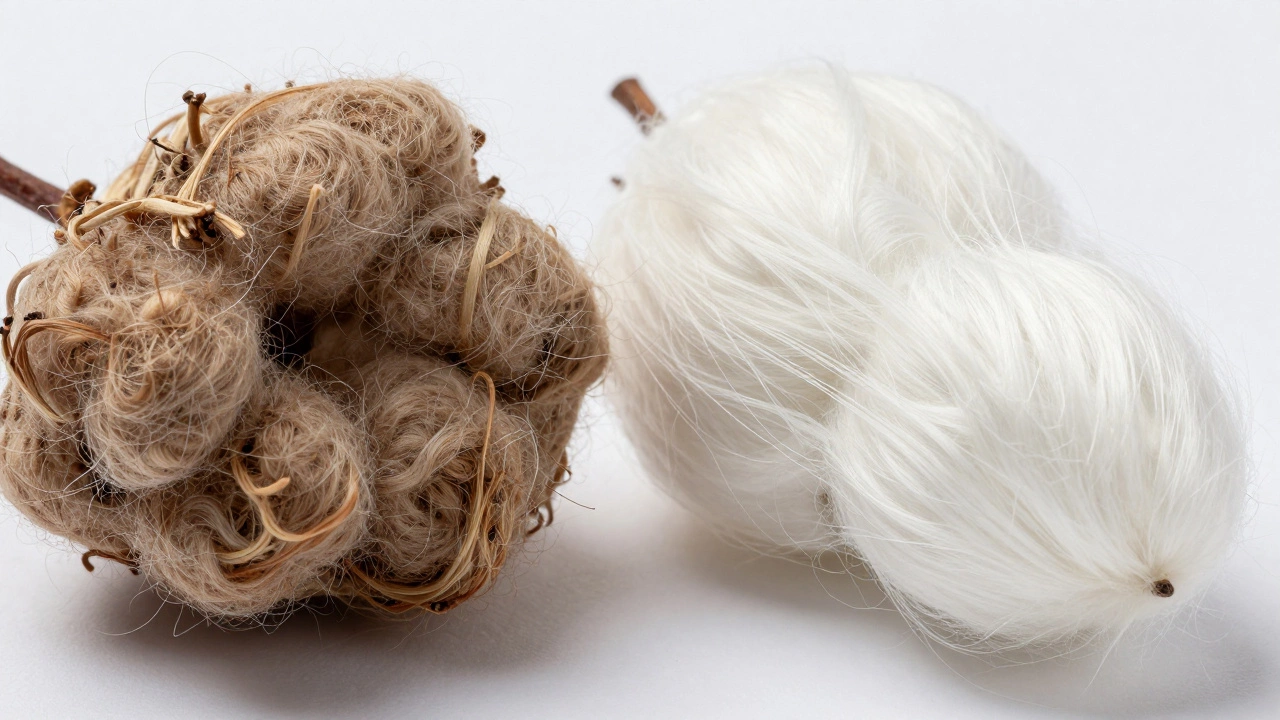
Pima cotton is a premium variety of Gossypium barbadense cotton grown primarily in the United States, Peru, Australia, and South Africa. What makes it special is its staple length. Most standard cotton (Upland cotton) has short fibers, usually around 1 inch long. Pima cotton fibers are extra-long, typically measuring 1.4 inches or more. These longer fibers allow manufacturers to spin them into finer, stronger yarns. The result? A fabric that is smoother, softer, and significantly more resistant to pilling than regular cotton.
However, here is the catch: "Pima" is not a regulated trademark in many countries. A brand can claim their shirt is made of Pima cotton without proving it. This is where Supima> comes in. Supima stands for Superior Pima. It is a registered trademark owned by the Supima Association, which represents American growers. To use the Supima logo, a product must contain at least 90% American-grown Pima cotton. Every batch is tested and verified. When you see the Supima tag, you aren't just buying marketing fluff; you are buying a guarantee of fiber length, strength, and softness. For the absolute best quality in traditional cotton, Supima is the safest bet.
The Ethical Choice: High-Grade Organic Cotton
In recent years, organic cotton has moved from a niche market to a mainstream expectation. But does "organic" mean "better quality"? Not necessarily. Organic refers to how the cotton is grown-without synthetic pesticides, herbicides, or genetically modified seeds-not necessarily the physical properties of the fiber itself.
You can find low-quality, short-staple organic cotton that will pill and shrink just like conventional cotton. However, the best quality organic t-shirts use long-staple varieties, such as organic Pima or organic Egyptian cotton. These shirts offer the same durability and softness as their conventional counterparts but with a major advantage: they are gentler on your skin. Because no harsh chemicals are used in processing, organic cotton retains more of its natural hypoallergenic properties. This makes it ideal for people with sensitive skin or eczema.
Look for certifications like GOTS (Global Organic Textile Standard). GOTS ensures that the entire supply chain, from farming to manufacturing, meets strict environmental and social criteria. A GOTS-certified organic t-shirt is not only better for the planet but often undergoes stricter quality controls regarding dyeing and finishing processes, leading to consistent color retention.
Understanding Fabric Weight: GSM Matters
Even the finest Supima cotton will feel cheap if it’s too thin. This is where fabric weight comes into play. In the textile industry, weight is measured in grams per square meter (GSM). This number tells you how dense the fabric is.
- 130-150 GSM: This is lightweight. Think of those breezy summer tees or undershirts. They breathe incredibly well but can be sheer (see-through) and prone to stretching out over time.
- 160-180 GSM: This is the sweet spot for most everyday t-shirts. It offers a balance of breathability and structure. It’s thick enough to be opaque but light enough for layering.
- 190-220+ GSM: These are heavy-weight tees. They have a substantial, premium feel. They hold their shape very well and provide excellent opacity. Brands like Uniqlo’s U line or various heritage workwear brands often use weights in this range for a structured look.
If you are looking for the "best" quality, aim for a GSM between 180 and 200. This weight provides enough substance to prevent the shirt from clinging awkwardly to your body while still allowing air circulation. Pair this weight with long-staple cotton, and you have a durable garment.
The Knit Structure: Jersey vs. Interlock
The way cotton fibers are woven-or rather, knitted-into fabric dramatically changes the final product. Most t-shirts use a knit construction because knits stretch and recover, unlike wovens which are rigid.
Single Jersey: This is the most common knit. It has a smooth face and a textured back. It’s lightweight and breathable but can curl at the edges when cut. It’s perfect for casual wear but may lose its shape if stretched too much during washing.
Interlock Knit: This is essentially two layers of single jersey knitted together. It creates a double-sided smooth fabric that is thicker, heavier, and more stable. Interlock knits don’t curl at the edges and are less likely to twist after washing. If you hate it when your t-shirt hem twists around your waist after a few wears, an interlock knit made from high-quality cotton is a game-changer.
Pique Knit: You might recognize this from polo shirts. It has a waffle-like texture. While technically a cotton knit, it’s less common for basic crew-neck t-shirts. It’s more durable and holds shape well but is less soft against the skin compared to jersey or interlock.
| Cotton Type | Fiber Length | Durability | Softness | Best For |
|---|---|---|---|---|
| Supima / Pima | Extra-Long (1.4"+) | High | Very High | Premium everyday wear |
| Organic (Long-Staple) | Medium to Long | Medium-High | High | Sensitive skin, eco-conscious buyers |
| Egyptian Cotton | Extra-Long | High | Very High | Luxury garments, dressier tees |
| Conventional Upland | Short (1") | Low-Medium | Medium | Budget basics, disposable wear |
Construction Details That Signal Quality
Knowing the cotton type is half the battle. The other half is how the shirt is put together. A great fabric can be ruined by poor construction. Here is what to inspect before you buy.
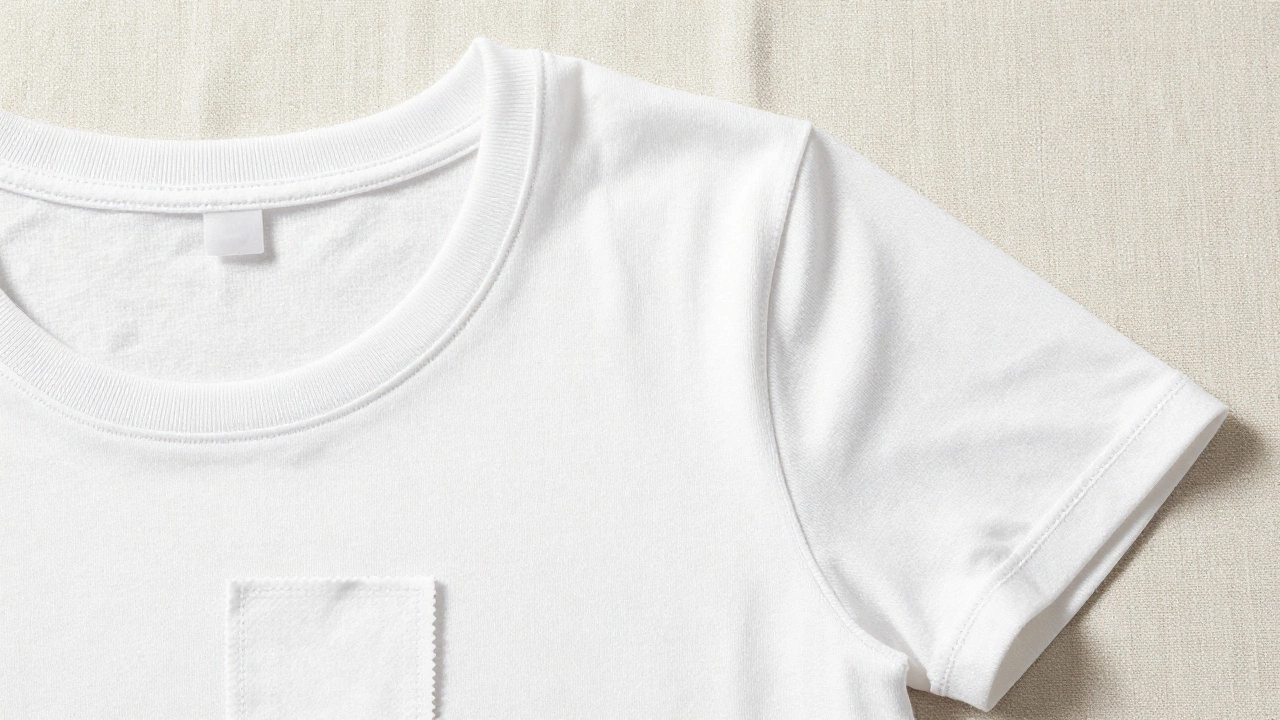
Seam Stitching: Look for flatlock stitching or reinforced seams. Cheap t-shirts often use simple overlock stitches that can unravel or create bulky ridges inside the shirt, causing irritation. Flatlock seams lie flat against the skin and are stronger under tension.
Neckline Reinforcement: The neckline is the first place a t-shirt fails. High-quality shirts use a ribbed collar that is bound with tape or interfacing. This prevents the neck from stretching out into a gaping hole after repeated wear. Check the label for terms like "bound neck" or "taped seams."
Hemming: A clean, even hem indicates careful manufacturing. Double-needle stitching on the sleeves and bottom hem is a sign of durability. It allows the fabric to stretch slightly without popping threads.
How to Care for Your Premium Cotton Tees
Even the best Supima cotton will degrade if you treat it poorly. To keep your high-quality t-shirts looking new for years, follow these simple rules.
- Wash Cold: Hot water shrinks cotton and breaks down fibers. Always wash in cold water to maintain size and softness.
- Turn Inside Out: This protects the outer surface from friction against other clothes and the washing machine drum, reducing pilling and fading.
- Avoid the Dryer: Heat is the enemy of cotton. Air drying is the best method. If you must use a dryer, use the lowest heat setting and remove the shirt while it is still slightly damp to finish air drying. This prevents excessive shrinkage and maintains the fabric’s elasticity.
- Don’t Over-Wash: Unless you’ve sweated heavily, you don’t need to wash a t-shirt after every single wear. Air it out between uses. This reduces wear and tear and saves water.
Investing in the right cotton pays off. A well-made Supima or organic long-staple cotton tee, constructed with attention to detail, will outlast dozens of cheaper alternatives. It’s not just about comfort; it’s about sustainability and value. Next time you’re shopping, skip the vague "cotton" label and look for those specific keywords. Your wardrobe-and your skin-will thank you.
Is Supima cotton worth the extra cost?
Yes, Supima cotton is generally worth the investment if you plan to keep the shirt for more than a season. Because it uses extra-long staple fibers, it is significantly more resistant to pilling, shrinking, and tearing than standard cotton. While a Supima tee might cost 20-50% more upfront, its longevity means you buy fewer replacements over time, making it cost-effective in the long run.
What is the difference between Pima and Supima cotton?
All Supima is Pima, but not all Pima is Supima. Pima is a type of cotton known for its long fibers. Supima is a certified trademark that guarantees the cotton is American-grown Pima and contains at least 90% of this premium fiber. Buying Supima ensures authenticity and consistent quality, whereas generic "Pima" labels can sometimes be misleading.
Does organic cotton last as long as conventional cotton?
It depends on the fiber length. Short-staple organic cotton may wear out faster. However, high-quality organic cotton made from long-staple varieties (like organic Pima) is just as durable as conventional premium cotton. The key is to look for GOTS certification and check the GSM (weight) to ensure the fabric is dense enough to withstand regular washing.
What GSM should I look for in a high-quality t-shirt?
For a versatile, high-quality t-shirt, look for a GSM between 180 and 200. This weight provides a good balance of structure and breathability. It is thick enough to be opaque and resist stretching but light enough for comfortable daily wear. Lightweight tees (under 160 GSM) are better for undershirts, while heavyweights (over 220 GSM) are best for cooler weather or a structured aesthetic.
Why do my t-shirts shrink after washing?
Cotton fibers naturally contract when exposed to heat and agitation. If you wash your t-shirts in hot water or dry them on high heat, the fibers tighten, causing the garment to shrink. To prevent this, always wash in cold water and air dry your shirts. Pre-shrunk cotton helps, but proper care is essential for maintaining size.