What Does B Mean in Boots? Understanding Women's Boot Widths
Women's Boot Width Finder
Enter your shoe size and select the symptom that best describes your current boots to find your recommended width.
Recommended Width:
You’re standing in a shoe store, or maybe scrolling through an online retailer, and you see it: "Size 8.5 B." You know your size is 8.5. But what’s the "B"? Is it a typo? A secret code for extra cushioning? Or does it mean these boots will squeeze your feet like a vice?
Here’s the truth that confuses so many women: B width is actually the standard medium width for women’s shoes. It’s not narrow; it’s normal. But because men’s standard width is D, and kids’ sizes vary wildly, seeing a letter next to a number can feel like deciphering ancient hieroglyphics. If you’ve ever bought boots that pinched your pinky toe or slipped off your heel despite being the right length, you likely ignored this tiny letter. That mistake costs money and blisters.
The Hidden Code of Shoe Widths
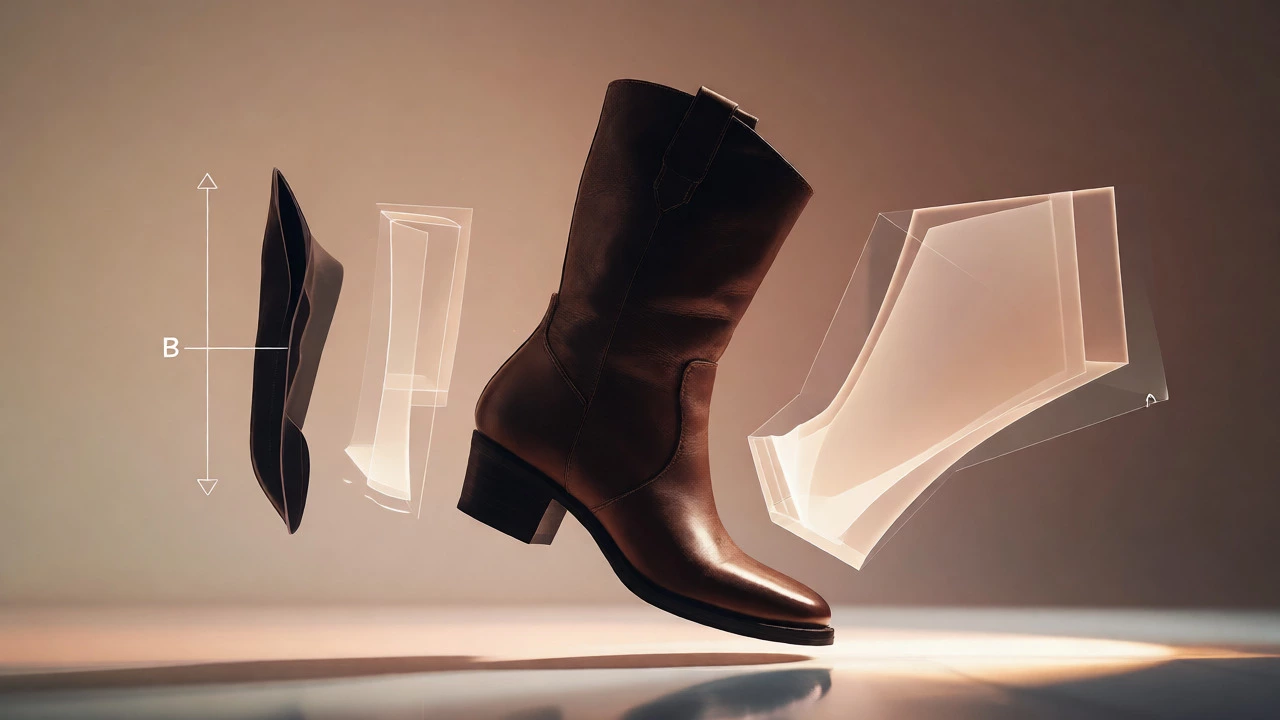
Shoe sizing isn’t just about length. Your foot has volume. It has height. It has width. When manufacturers make a boot, they mold it on a last-a form shaped like a foot. For women’s footwear, the industry standard is a B width. Think of it as the "medium" shirt size of the shoe world. If you have average-width feet, a B-width boot should fit comfortably without needing a break-in period that lasts weeks.
But here’s where it gets tricky. Many people assume "B" means small because it comes before "D," which is standard for men. In reality, B is wider than A (Narrow) but narrower than C (Wide). The confusion stems from unisex labeling practices. Some brands use one scale for everyone, leading to chaos. Always check if the brand uses US Women’s, US Men’s, or European sizing scales, because a "B" in one system might be a "D" in another.
Decoding the Letter System: From AAA to EEE
Width letters aren’t arbitrary. They follow a strict progression based on the ball of your foot measurement relative to your shoe length. Here’s how the spectrum looks for women’s boots:
- AAA / AA: Extra Narrow. These are rare. Unless you have very slender feet or wear specialized orthopedic shoes, avoid these. They often cause numbness.
- A: Narrow. This is one step up from extra narrow. Good for people who find standard shoes slightly loose around the midfoot.
- B: Medium/Standard. This is the default. If a website doesn’t list a width, assume it’s B.
- C: Wide. Often labeled as "W" by some brands. This gives more room across the toes and instep.
- D: Extra Wide. Commonly marked as "XW" or "WW." Ideal for those with bunions or naturally broad feet.
- E / EE / EEE: Double/Triple Extra Wide. These are typically found in men’s boots or specialized comfort lines. A woman wearing an EE needs serious arch support and deep toe boxes.
Why does this matter? Because a millimeter difference changes everything. A B-width boot is designed for a specific volume. If you try to force a wide foot into a B width, the leather stretches eventually, but your joints suffer in the meantime. Conversely, if you have narrow feet and buy a D width, your foot slides forward every time you walk, causing black toenails and heel slip.
How to Measure Your Foot for the Right Width
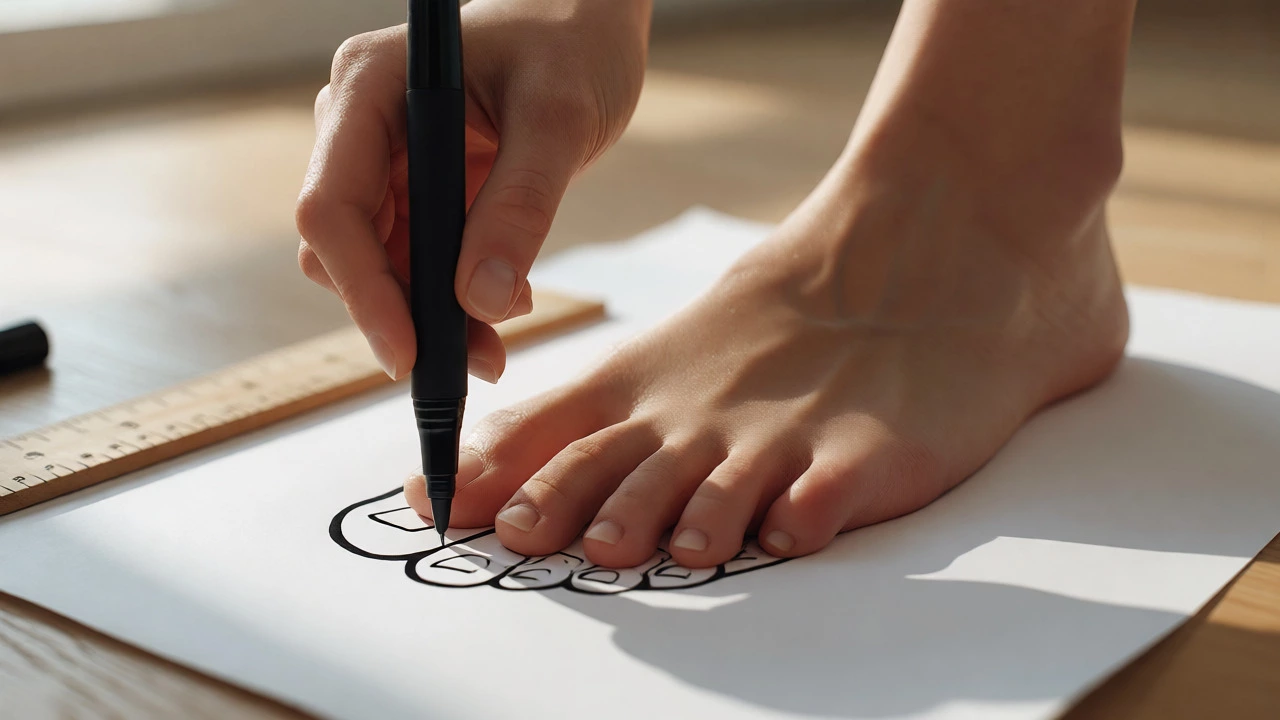
Guessing your width is risky. You need data. Grab a piece of paper, a pen, and a ruler. Do this at the end of the day when your feet are most swollen-this mimics the state of your feet after walking all day in boots.
- Trace your foot: Stand on the paper with your full weight distributed evenly. Keep the pen vertical. Trace the outline carefully.
- Measure the ball: Find the widest part of your foot, usually across the metatarsal heads (the bumpy joints behind your toes). Measure this distance in inches or centimeters.
- Compare to charts: Most major brands like Nike, Timberland, or Dr. Martens publish width charts. Look for the column matching your length. If your measurement falls between two widths, go larger. Leather stretches; synthetic materials don’t forgive.
Pro tip: Measure both feet. One is almost always larger. Buy for the bigger foot. If the difference is significant, consider using an insole in the smaller boot to take up excess volume.
| Width Label | Industry Term | Best For | Common Issue if Wrong |
|---|---|---|---|
| AA / A | Narrow | Slender frames, high arches | Heel slippage, lack of stability |
| B | Medium (Standard) | Average foot shape | Squeezing toes if foot is wide |
| C / W | Wide | Broad forefoot, mild bunions | Too loose if foot is narrow |
| D / XW | Extra Wide | Swollen feet, severe bunions | Foot sliding forward, blisters |
Why "B" Feels Different Across Brands
Not all B widths are created equal. A B-width boot from a European designer might run smaller than a B-width boot from an American workwear brand. Why? Last shapes differ. Italian fashion houses often design for narrower, longer feet. American utility brands design for broader, shorter feet.
If you’re shopping internationally, check the brand’s specific size chart. Don’t rely on your usual street size. For example, a size 8.5 B in a sleek Chelsea boot from London might feel like a 9.5 B in a rugged hiking boot from Oregon. The material matters too. Suede stretches more than polished leather. Canvas expands less than knit fabric. If you’re between sizes, consider the upper material when deciding whether to stick with B or jump to C.
Troubleshooting Fit Issues with B-Width Boots
You bought the B-width boots. They look great. But now your little toe is screaming. What do you do? Before you return them, try these fixes.
For Tight Toes: If the length is fine but the sides pinch, your foot is wider than the B profile allows. Use a shoe stretcher spray and a wooden stretcher overnight. Focus on the toe box area. If it still hurts after three nights, the boot is fundamentally too narrow. No amount of stretching will fix structural mismatch.
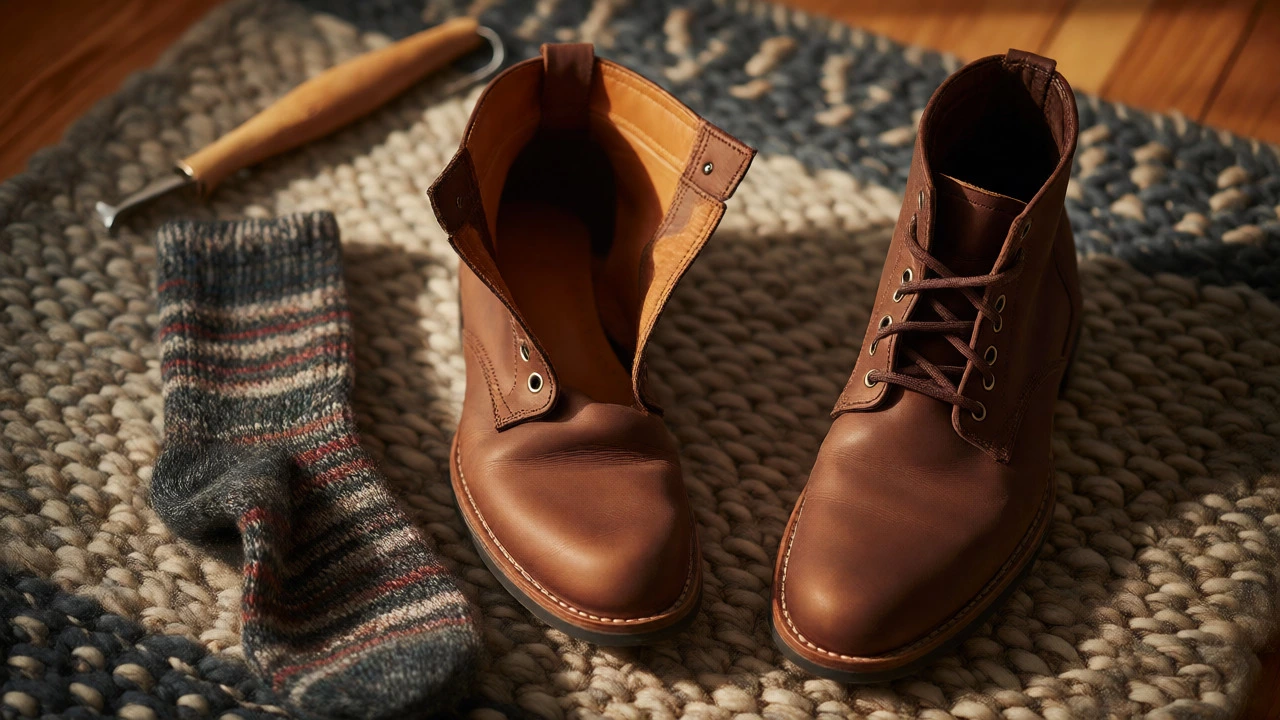
For Heel Slip: If your heel lifts out of the boot, the width might be too generous, or the vamp (top part) is too shallow. Try a thicker sock first. If that fails, add a heel grip pad inside the back collar. This adds friction and reduces volume slightly. If your foot feels like it’s swimming, you might actually need an A-width, even if you think you’re standard.
For Arch Pain: Sometimes width isn’t the issue; it’s volume. A B-width boot might be too flat for your high arch. Insert a supportive insole. This raises your foot within the boot, effectively reducing the available width slightly while providing crucial support. It’s a common trick among podiatrists to customize off-the-rack boots.
When to Ignore the "B" Label
There are times when the width label becomes secondary. Consider stretch-knit boots or slip-ons made from flexible synthetics. These adapt to your foot shape regardless of the nominal width. However, rigid structures like steel-toe work boots or structured leather riding boots demand precision. In those cases, the B label is non-negotiable.
Also, remember that seasons affect fit. In winter, you’ll wear thicker socks. A B-width boot that fits perfectly with thin cotton socks in October might feel tight with wool hikers in January. If you plan to wear heavy socks, consider sizing up in length rather than width, unless you know you have broad feet. Length adjustment accommodates bulk better than width adjustment does.
Is B width considered narrow?
No, B width is the standard medium width for women’s shoes. It is wider than A (Narrow) and AA (Extra Narrow), but narrower than C (Wide). If you have average-sized feet, B is the correct starting point.
What happens if I wear B boots but my feet are wide?
You will likely experience pain, numbness, or tingling in your toes due to compression. Over time, this can lead to bunions, neuromas, or calluses. Leather may stretch slightly, but synthetic materials won’t, making the discomfort permanent.
Can I convert men's D width to women's B width?
Generally, yes. A men’s D width is roughly equivalent to a women’s B width in terms of physical dimensions, though the overall shoe shape differs. Men’s shoes are typically longer and have a different heel-to-ball ratio. If you have wider feet, a men’s D might actually feel too narrow compared to a true women’s C or D.
Do all brands use the same width standards?
No. While there are general guidelines, each brand uses its own lasts. A "B" in a luxury Italian brand might run narrower than a "B" in an American casual brand. Always check specific brand size charts or reviews mentioning "runs small" or "true to size."
How do I know if I need wide boots?
If your standard B-width boots consistently pinch the sides of your feet, leave red marks on your skin after removal, or cause your toes to overlap, you likely need a C (Wide) or D (Extra Wide) width. Measuring the widest part of your foot against a brand’s chart is the most accurate way to confirm.