What Defines Sportswear? The Evolution from Gym Gear to Street Style
Sportswear Definition Analyzer
Determine if a garment qualifies as technical sportswear, casual wear, or athleisure based on fabric composition and construction features.
Analysis Result:
Put on your running shoes and grab a coffee. You are dressed in sportswear, which is clothing designed for physical activity, sports, or casual wear that prioritizes comfort and functionality over formal aesthetics. But here is the catch: you aren’t going to the gym. You’re just heading to work or meeting friends. This blurring of lines isn't an accident; it’s the result of decades of innovation in textile technology and shifting cultural norms. So, what actually defines sportswear today? Is it the fabric? The logo? Or the intent behind wearing it?
The Functional Core: Performance Over Aesthetics
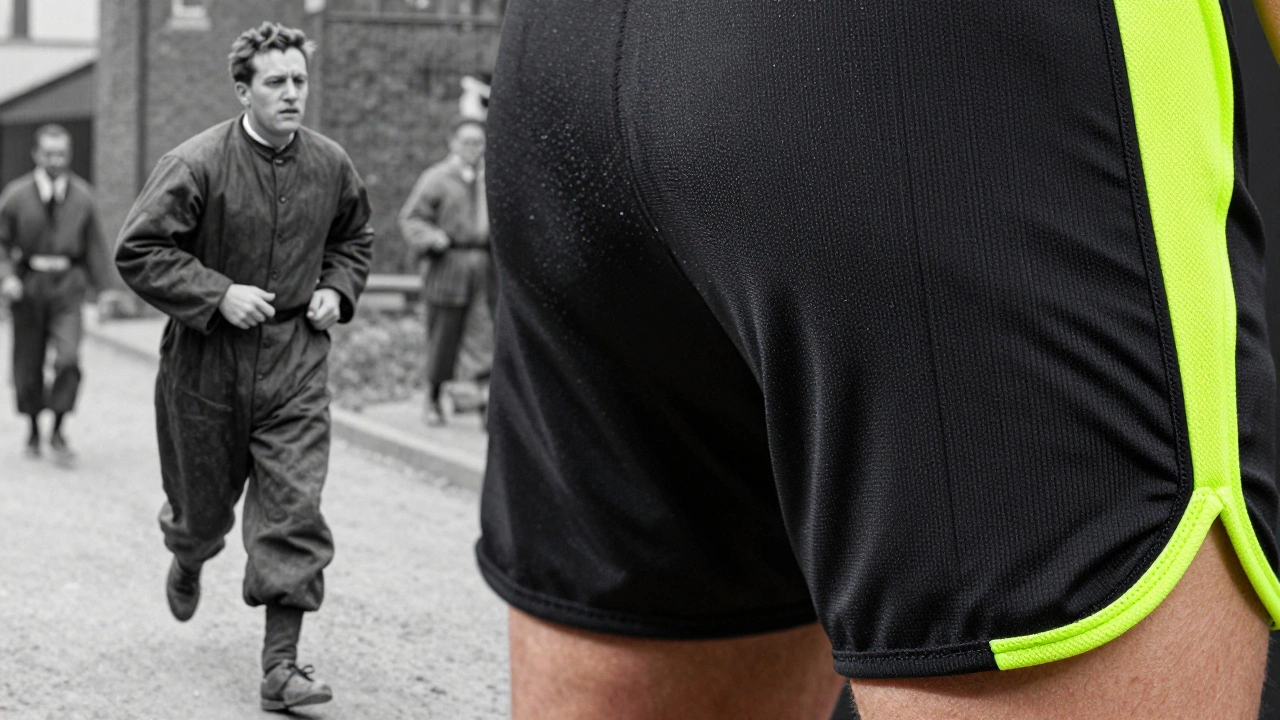
To understand what defines sportswear, we have to look at its original purpose. In the early 20th century, clothing was strictly divided. You wore stiff wool suits for business and heavy cotton or leather for labor. Athletic performance suffered because everyday clothes didn’t breathe, stretch, or wick moisture. The birth of true sportswear came when designers started asking a simple question: how can this garment help the body move better?
The defining characteristic of authentic sportswear is technical fabric, which refers to engineered textiles designed to manage moisture, regulate temperature, and provide durability during physical exertion. Think about polyester blends or elastane-infused materials. These aren't just soft to the touch; they are engineered solutions. For example, Dri-FIT technology uses capillary action to pull sweat away from the skin to the outer surface of the fabric where it can evaporate. Without this functional core, a piece of clothing might look like sportswear, but it doesn't perform as such.
- Moisture Management: Fabrics must move sweat away from the body to prevent chafing and cooling.
- Stretch and Recovery: Materials like spandex allow for full range of motion without restricting blood flow.
- Durability: Sportswear must withstand repeated washing and intense friction from equipment or surfaces.
If a jacket cannot handle rain or a shirt cannot keep you cool during a sprint, it fails the primary test of sportswear. Functionality is the non-negotiable baseline.
The Rise of Athleisure: When Gym Wear Becomes Daily Wear
Somewhere between the 1970s jogging boom and the 2010s tech-bro era, sportswear escaped the locker room. This phenomenon is known as athleisure, a portmanteau of athletic and leisure, representing a fashion trend where comfortable, sporty clothing is worn in non-athletic settings. This shift changed the definition of sportswear forever. It was no longer just about what you wore *to* do sports; it became what you wore *after* doing sports, or even when you weren't planning to do any at all.
Why did this happen? Comfort won. People realized that if leggings could support a high-intensity interval training session, they could certainly handle a day of sitting in meetings. Brands like Lululemon and Nike capitalized on this by creating garments that looked polished enough for brunch but performed well enough for yoga. The definition expanded to include "aesthetic functionality." Now, a pair of sweatpants defines sportswear not just because they are made of cotton fleece, but because they offer the psychological comfort associated with relaxation and physical ease.
This creates a tricky boundary. If I wear a t-shirt and jeans to the gym, am I wearing sportswear? No, because the jeans will restrict my movement and trap heat. But if I wear a sleek tracksuit to the grocery store, am I wearing sportswear? Yes, because the garment retains its technical origins and cultural association with athleticism, even if I’m just buying milk.
Key Elements That Define Modern Sportswear
To identify whether an item falls under the umbrella of sportswear, look for these specific design cues. These elements distinguish sportswear from casual wear or formal attire.
| Attribute | Sportswear / Activewear | Traditional Casual Wear |
|---|---|---|
| Fabric Composition | Synthetic blends (Polyester, Nylon, Elastane) | Natural fibers (Cotton, Linen, Wool) |
| Fit & Cut | Tailored for movement (articulated knees, gussets) | Static fit (designed for sitting/standing) |
| Construction | Flatlock seams to prevent chafing | Standard stitching, often bulky |
| Pockets | Secure zippers, key loops, hidden storage | Open slip pockets, decorative flaps |
| Branding | Performance logos, tech specs visible | Minimal branding or lifestyle logos |
Notice the focus on construction details. Flatlock seams are a dead giveaway. They lie flat against the skin to prevent irritation during repetitive motion. Standard t-shirts use raised seams that can rub raw after an hour of rowing. These small engineering choices define the category.

The Influence of Streetwear and Culture
You cannot talk about sportswear without mentioning streetwear, a style of casual clothing inspired by skateboarding, hip-hop, and surf culture, often incorporating elements of sportswear like hoodies, sneakers, and caps. In the 1980s and 90s, brands like Adidas and Puma crossed over into music and urban culture. The track suit stopped being just for athletes and became a symbol of cool. This cultural adoption added a new layer to the definition: sportswear is also a statement of identity.
Today, limited-edition sneakers sell out in seconds not because they are the best-performing running shoe available, but because they represent status and community. The definition of sportswear now includes "cultural utility." Wearing a vintage basketball jersey connects you to a team, a city, or a historical moment. The garment serves a social function alongside its physical one.
Sustainability: The New Defining Factor
In 2026, the definition of sportswear is evolving again due to environmental concerns. Traditional sportswear relied heavily on virgin plastics (polyester) and complex chemical treatments for water resistance. Today, consumers demand transparency. Modern sportswear is increasingly defined by its lifecycle.
Brands are introducing recycled polyester made from ocean plastic and biodegradable dyes. The "best" sportswear is no longer just the driest or lightest; it’s the most responsible. If a brand claims to make sportswear but uses toxic PFAS chemicals in their waterproofing, they are losing relevance. Sustainability has become a core attribute of the entity, influencing material choice and manufacturing processes.
Common Misconceptions About Sportswear
Many people confuse sportswear with costumes or uniforms. Here is how to tell the difference:
- Uniforms vs. Sportswear: A soccer team’s kit is a uniform. It identifies the player. Sportswear is personal gear chosen for individual performance. However, the line blurs when fans buy replica kits to wear casually.
- Casual vs. Active: A cotton hoodie is casual. A moisture-wicking, wind-resistant hoodie is active/sportswear. The material dictates the category.
- Luxury vs. Performance: High-fashion brands often release "sport-inspired" collections. While stylish, these often lack the technical features of true sportswear. They are fashion items borrowing the aesthetic, not the function.
How to Choose the Right Sportswear for Your Needs
Understanding the definition helps you shop smarter. Don’t buy expensive technical gear for low-intensity activities. If you are walking the dog, cotton is fine. If you are marathon training, you need the wicking properties of synthetic blends. Match the garment’s technical attributes to your actual activity level.
- Identify the Activity: High sweat? Go synthetic. Low sweat? Natural fibers are more breathable and odor-resistant.
- Check the Seams: For cycling or running, ensure flatlock stitching to avoid hot spots.
- Consider the Layering System: True sportswear works in layers. Base layer (wicking), mid-layer (insulation), outer layer (protection).
- Look for Certifications: Bluesign or OEKO-TEX certifications indicate safer chemical processes, aligning with modern sustainable definitions.
The definition of sportswear is fluid. It started as a solution to physical discomfort and has grown into a global cultural language. Whether you are breaking a personal record or just trying to look good while waiting for the bus, sportswear adapts to you. It is defined by its ability to enhance human movement, both literal and social.
What is the main difference between sportswear and activewear?
While often used interchangeably, sportswear traditionally refers to clothing designed for specific sports (like tennis whites or rugby shorts), emphasizing team identity or sport-specific rules. Activewear is a broader term for any clothing suitable for physical activity, including yoga pants and running shirts, focusing more on general fitness and comfort rather than a specific sport's regulations.
Can cotton be considered sportswear?
Pure cotton is generally not considered high-performance sportswear because it absorbs sweat and stays wet, leading to chafing and cooling. However, cotton blends with synthetic fibers or treated cotton can be part of casual sportswear or low-intensity activewear. For high-intensity workouts, synthetic materials like polyester and nylon are the standard definition of sportswear fabrics.
Why is athleisure so popular in 2026?
Athleisure remains popular because it offers versatility. Consumers want one wardrobe that handles multiple scenarios-working from home, going to the gym, and meeting friends. The advancement in fabric technology means these clothes now look polished enough for professional settings while retaining the comfort of gym gear, satisfying the desire for convenience and style.
How does sustainability impact the definition of sportswear?
Sustainability has become a critical attribute of modern sportswear. Brands are now judged not just on performance but on their environmental footprint. The use of recycled materials, eco-friendly dyes, and durable construction that extends garment life are now part of what defines quality sportswear. Ethical production practices are increasingly expected by consumers.
What makes a fabric "technical"?
A technical fabric is engineered to perform specific functions beyond basic coverage. This includes moisture-wicking (moving sweat away from skin), temperature regulation (keeping you warm or cool), UV protection, wind resistance, and breathability. These properties are achieved through specialized weaving techniques, chemical treatments, and synthetic fiber compositions like polyester, nylon, and elastane.