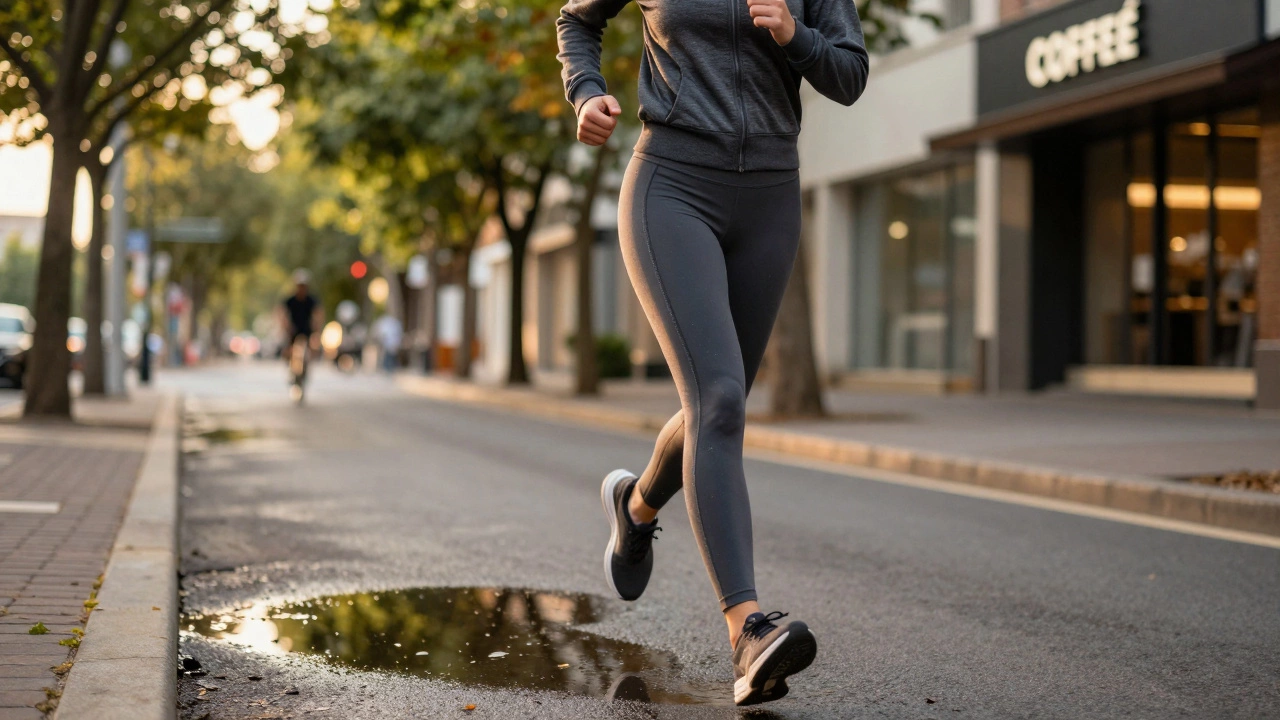
Gym Clothes: What They Are, What to Look For, and How to Choose
When you think of gym clothes, clothing designed specifically for physical activity, combining flexibility, breathability, and moisture control. Also known as workout clothing or athletic apparel, it’s built to move with you—not against you. These aren’t just any old T-shirts and sweatpants. Gym clothes are engineered to handle sweat, support your muscles, and let you stretch without restriction. Whether you’re lifting weights, running, or doing yoga, the right gear makes a real difference in how you feel and perform.
What makes gym clothes different from regular clothes? It’s all in the details. Look for fabrics like polyester blends, spandex, or nylon that pull sweat away from your skin instead of soaking it up. Cotton might feel soft, but it gets heavy and stays damp—bad news during a tough workout. Good gym clothes dry fast, stay odor-resistant, and don’t cling or ride up. Brands don’t just make them for looks—they test them on real people moving in real ways. And it’s not just about the top. Leggings with high waistbands, shorts with built-in liners, and shoes with proper arch support all play a part. You wouldn’t wear flip-flops to climb a mountain, so why wear cotton shorts to lift heavy?
People often confuse gym clothes with fashion sportswear, a blend of performance tech and street-style design that works both at the gym and out for coffee. While they overlap, true gym clothes prioritize function. Fashion sportswear might look great in a photo, but if it doesn’t wick sweat or allow full range of motion, it’s not serving your workout. Real gym clothes are made for repetition—hundreds of squats, sprints, and stretches. They need to hold up over time, not just look good on Day One.
And it’s not one-size-fits-all. What works for a runner won’t always work for a weightlifter. Runners need lightweight, airy fabrics and minimal seams to avoid chafing. Weightlifters need compression that supports joints without restricting movement. Yoga lovers want stretchy, breathable materials that stay put in downward dog. Your body type, activity, and even the climate you train in all matter. A humid day? Go for mesh panels. Cold morning runs? Layer with thermal base layers. The best gym clothes adapt to you, not the other way around.
You’ll find plenty of options out there—from budget brands to premium labels—but don’t get tricked by flashy logos. Check the fabric content. Look for terms like "moisture-wicking," "four-way stretch," or "anti-odor treatment." Read reviews from people who actually use them, not just models in ads. And remember: if it feels tight in the store, it’ll feel worse after you start sweating. Give yourself room to move.
Below, you’ll find clear guides on what to call your workout gear, how to pick the right fit, what fabrics actually work, and how to spot quality without paying extra for branding. No fluff. Just what helps you move better, feel better, and stick with it.