What Is the Fashion Term for Athletic Wear? Understanding Sportswear
Athletic Wear Knowledge Quiz
Test your understanding of sportswear terminology and quality features
1. Which term refers specifically to clothing designed for athletic competition?
2. What feature is essential for true sportswear?
3. Which is NOT a feature of performance wear?
4. When did luxury brands start incorporating athletic silhouettes into fashion?
5. What should you look for when buying sportswear for actual athletic activity?
Results
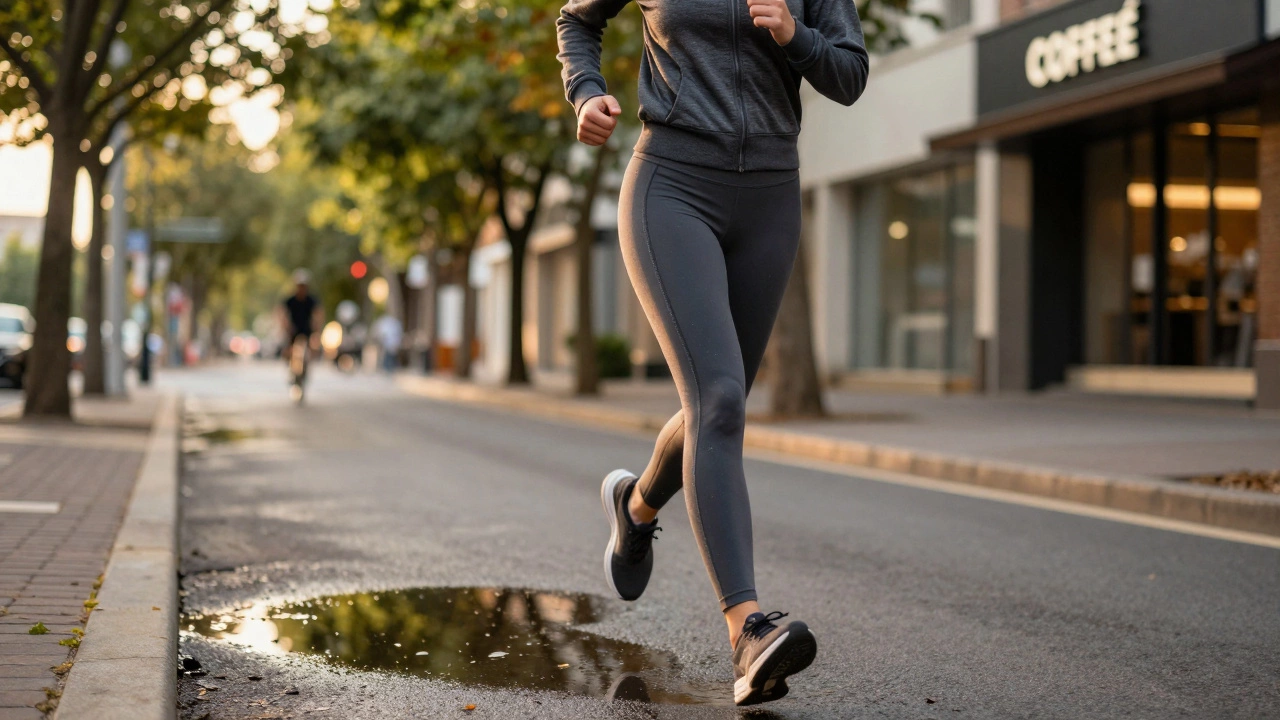
When you pull on leggings, a moisture-wicking top, and running shoes to hit the trail, you’re not just wearing clothes-you’re wearing sportswear. But that’s not the only name people use. You’ve probably heard terms like activewear, performance wear, or even gym clothes. Are they all the same? And why does the fashion world care so much about what you wear to sweat?
Sportswear Is the Official Term
The correct fashion term for athletic wear is sportswear. It’s not slang. It’s not a trend. It’s the industry-standard label used by designers, retailers, and fashion historians. The term has been around since the 1920s, when women started wearing tailored shorts and tunics for tennis and golf. Back then, it was revolutionary. Clothing wasn’t just about looking good-it had to let you move.
Today, sportswear includes everything from yoga pants and compression tights to high-top sneakers and breathable hoodies. It’s designed for specific physical activities: running, cycling, weightlifting, hiking, even yoga. But here’s the twist-most of what we call sportswear today isn’t worn on a field anymore. It’s worn to the coffee shop, the office, the grocery store. That’s because sportswear has evolved beyond function into fashion.
Sportswear vs. Activewear vs. Performance Wear
You’ll see these terms used interchangeably, but they’re not exactly the same.
- Sportswear refers to clothing designed for actual sports or athletic competition. Think track suits, swimwear, or tennis dresses. It’s built for motion, durability, and regulation compliance.
- Activewear is broader. It covers anything you wear during physical activity-even if it’s just a brisk walk or a home workout. Activewear includes leggings, tank tops, and hoodies that are comfortable enough for all-day wear. This is the category most people shop in today.
- Performance wear is a subset of sportswear focused on advanced technical fabrics. Think moisture-wicking polyester blends, UV protection, temperature regulation, and anti-odor treatments. Brands like Lululemon, Under Armour, and Nike’s Pro line specialize in this.
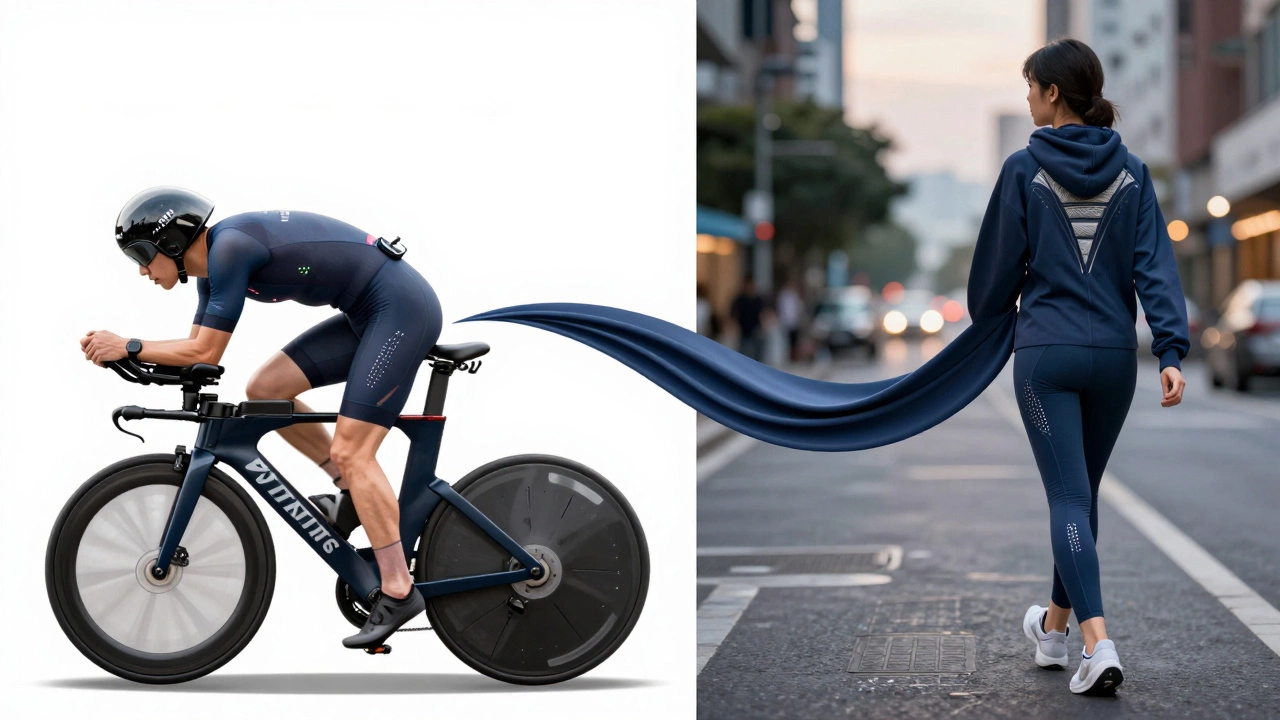
So if you’re buying leggings for yoga and wearing them to brunch, you’re buying activewear. If you’re buying a racing suit for a triathlon, that’s sportswear. And if that suit has built-in compression zones and sweat-channeling seams? That’s performance wear.
Why the Confusion? Blame the Market
The line between sportswear and everyday fashion blurred around 2015. That’s when luxury brands like Gucci and Balenciaga started putting athletic silhouettes on runways. Suddenly, $800 track pants were a thing. Retailers jumped on the trend, rebranding everything as “activewear” because it sounded more lifestyle-friendly than “gym clothes.”
Marketing teams didn’t care about technical accuracy. They cared about sales. “Activewear” sounds like a lifestyle. “Sportswear” sounds like a locker room. And in a world where people want to look fit without actually working out, the softer term won.
But here’s what most shoppers don’t realize: not all activewear is built for real movement. A pair of $120 leggings might look great, but if they don’t have four-way stretch or moisture-wicking fabric, they’ll sag, cling, and get soggy during a 10K run. That’s why knowing the difference matters.
What Makes Real Sportswear Different?
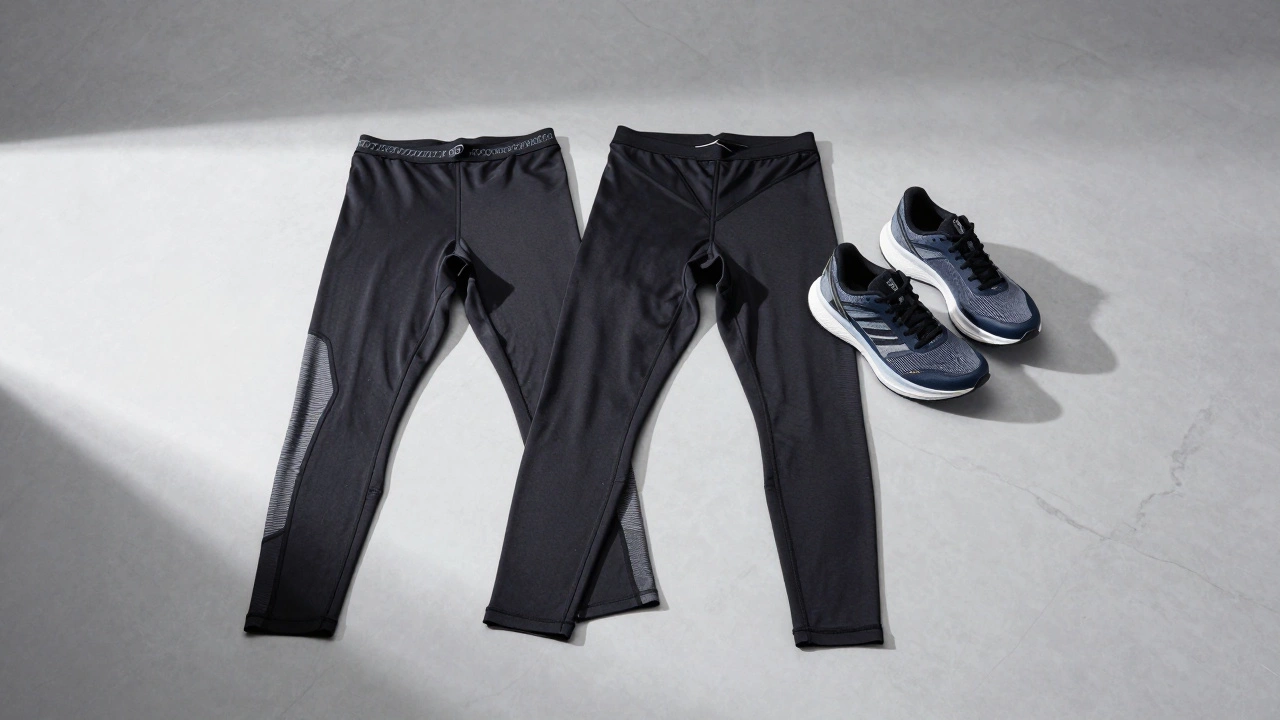
True sportswear isn’t just about style-it’s about science. Here’s what separates it from fashion-forward imitations:
- Moisture-wicking fabric: Pulls sweat away from your skin to the outer layer where it evaporates. Cotton? No. Polyester, nylon, or merino wool blends? Yes.
- Four-way stretch: Lets you move in every direction without restriction. Essential for squats, lunges, and yoga poses.
- Flatlock seams: Reduce chafing. You won’t notice them until you’re halfway through a marathon and your inner thighs aren’t raw.
- Compression zones: Support muscles, reduce fatigue, and improve circulation. Common in running tights and soccer shorts.
- UV protection: Many outdoor sportswear items have UPF 30+ ratings. That’s not a marketing gimmick-it’s a safety feature.
These aren’t optional extras. They’re the reason athletes choose specific brands. If you’re serious about training, you need gear that performs. If you’re just trying to look like you train? Well, you can still buy the look-but you’ll know the difference.
The Rise of Athleisure
“Athleisure” is the term for wearing sportswear outside the gym. It’s not a fabric. It’s a cultural shift. In 2025, more than 60% of North American consumers wear activewear at least three times a week outside of exercise, according to a McKinsey report.
This isn’t just about comfort. It’s about identity. People want to signal they’re active, healthy, and intentional-without saying a word. A pair of clean, minimalist leggings and a structured hoodie say more than a logoed tank top ever could.
But here’s the catch: athleisure isn’t a category of clothing. It’s a way of wearing sportswear. The same leggings you use for yoga can be styled with a blazer and loafers for a casual Friday. That’s the power of good design.
What to Look For When Buying
Whether you’re shopping for a marathon or a Monday errand, here’s what to check:
- Check the label: Look for terms like “polyester,” “nylon,” “spandex,” or “elastane.” Avoid 100% cotton unless it’s for lounging.
- Test the stretch: Pull the fabric in all directions. It should snap back. If it sags, skip it.
- Feel the seams: Run your finger along the inside. Flatlock seams should feel smooth. Zigzag seams? They’ll rub.
- Ask about moisture management: If the brand doesn’t mention “wicking” or “breathable,” it’s probably not performance-grade.
- Think about use: Are you running in the rain? Get water-resistant. Lifting heavy weights? Look for reinforced knees and waistbands.
Price doesn’t always equal quality. You can find durable, well-made sportswear under $50 if you know what to look for. Brands like Decathlon, Old Navy’s Active line, and Evenity offer solid options without the markup.
It’s Not Just Clothes-It’s Technology
Modern sportswear is more like wearable tech than fabric. Some leggings now have embedded sensors that track your form. Some bras monitor heart rate. Shoes adjust cushioning based on your stride. This isn’t sci-fi-it’s happening now.
And while most of us don’t need smart leggings, we do benefit from the same materials and design principles. The compression tech in elite running tights? It’s now in $40 versions sold at Target. The breathable mesh panels on pro jerseys? They’re in your local gym’s best-selling hoodie.
Sportswear has gone from niche to normal. And that’s a good thing. When clothing works for your body, you move better, feel better, and live better.
Final Thought: Name It Right
Call it sportswear if you’re talking about function. Call it activewear if you’re talking about lifestyle. But don’t let marketing terms confuse you. The real question isn’t what to call it-it’s whether it works for you.
Good sportswear doesn’t ask you to choose between comfort and style. It gives you both. And that’s why, no matter what you call it, it’s here to stay.