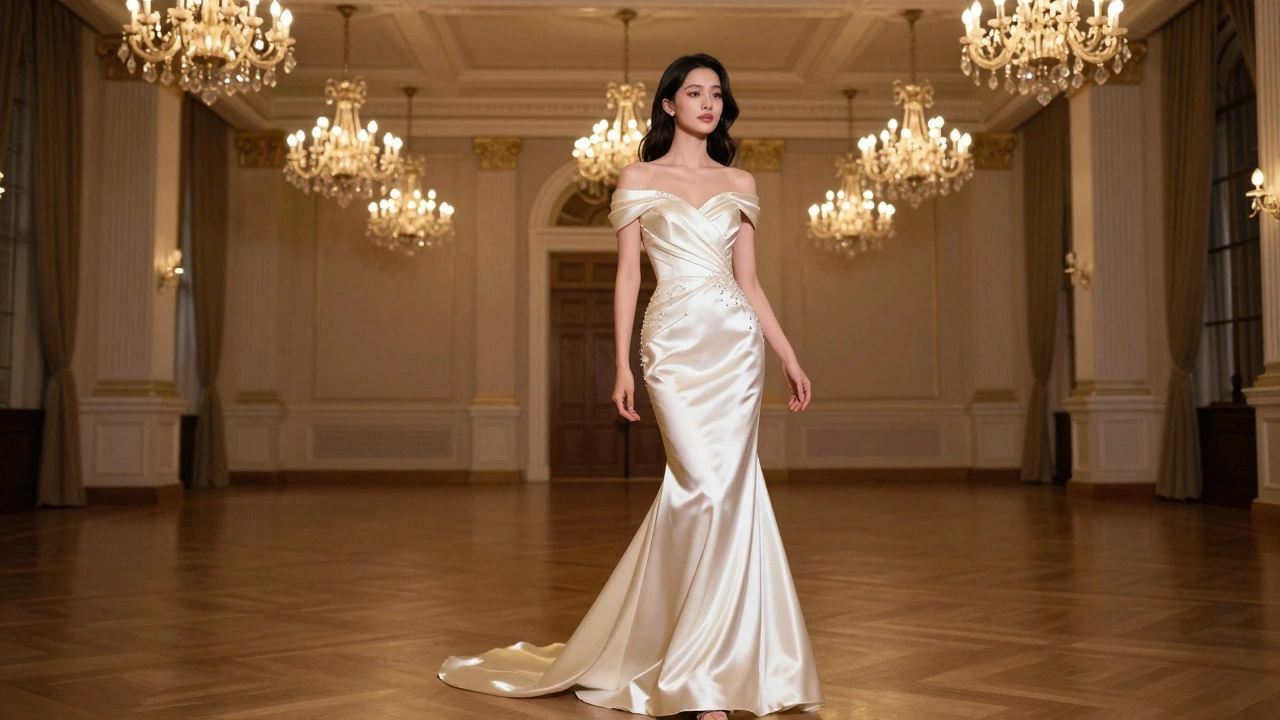
What Makes an Evening Dress? Key Elements That Define Elegance
An evening dress isn't just a fancy dress - it's defined by length, fabric, structure, and handcrafted details that create lasting elegance. Learn what truly sets it apart.
When you hear formal dress, a type of clothing designed for official, ceremonial, or high-social occasions. Also known as formal wear, it’s not just about looking nice—it’s about matching the tone of the event. A formal dress isn’t just any nice outfit. It’s the kind you put on for a wedding, a black-tie gala, a job interview at a law firm, or a corporate award dinner. It’s structured, polished, and meant to show respect for the setting—and the people in it.
Formal dress includes more than just long gowns. For women, it could be a tailored suit, a knee-length sheath with elegant details, or a floor-length evening gown depending on the event. For men, it’s a well-fitted suit, often with a tie or bowtie, and dress shoes. The difference between business formal and black-tie isn’t just about length or fabric—it’s about expectations. A suit at a bank is formal. A sequined dress at a charity ball is formal. But throwing on a blazer with jeans? That’s not formal, no matter how expensive the blazer is.
What makes something truly formal? It’s the combination of fit, fabric, and function. Silk, wool, satin, and structured cotton are common. Loose, wrinkled, or overly casual fabrics like cotton jersey or fleece? Not formal. The cut matters too—clean lines, minimal logos, and no athletic branding. And let’s not forget shoes. A formal dress paired with sneakers or flip-flops breaks the entire look. Even the smallest details, like bare arms or exposed toes, can change how formal something feels.
People often confuse formal with fancy. But you don’t need diamonds or a train to wear formal dress. Sometimes, a simple black dress and closed-toe heels are all it takes. The key is knowing the rules—and when to follow them. A daytime wedding might call for a cocktail dress. A courtroom hearing? A tailored suit. A company dinner? A dress shirt and slacks for men, a blouse with a pencil skirt for women. These aren’t fashion choices—they’re social signals.
And here’s the thing: formal dress isn’t going away. Even as casual Fridays and remote work blur the lines, there are still moments that demand it. Job interviews at top firms, legal proceedings, funerals, graduations, and holiday parties still expect you to show up dressed appropriately. Wearing the wrong thing doesn’t just make you look out of place—it can make you seem disrespectful.
That’s why knowing the difference between formal, business formal, semi-formal, and black-tie matters. It’s not about being fancy. It’s about being correct. And the right formal dress doesn’t just fit your body—it fits the moment.
Below, you’ll find real-world guides on what works, what doesn’t, and how to pick pieces that last longer than the trend. Whether you’re shopping for your first suit, wondering if a maxi dress counts as formal, or trying to figure out why your cousin wore a tuxedo to a brunch, these posts have you covered.
An evening dress isn't just a fancy dress - it's defined by length, fabric, structure, and handcrafted details that create lasting elegance. Learn what truly sets it apart.

An evening dress isn’t just fancy-it’s defined by length, fabric, structure, and details designed for formal nights. Learn what truly makes a dress evening-appropriate.