Bomber Jacket: Style, History, and What Makes It a Wardrobe Essential
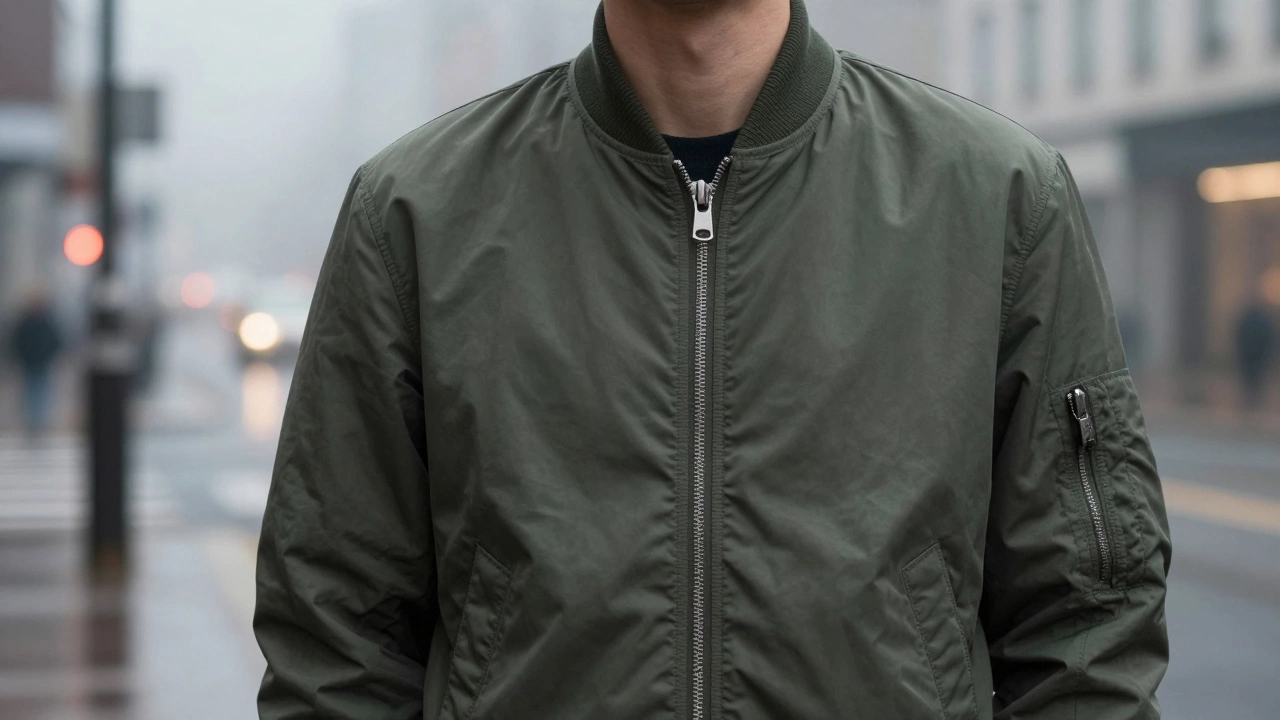
A bomber jacket, a short, waist-length jacket with a ribbed collar, cuffs, and hem, originally designed for pilots in World War II. Also known as a flight jacket, it was built to keep aircrew warm in open cockpits—now it’s one of the most worn outerwear pieces on the planet. The bomber jacket isn’t just a fashion item; it’s a piece of history that made the jump from airbases to city streets without losing its edge.
What sets it apart from other jackets? It’s the fit. Unlike long coats or bulky parkas, the bomber sits close to the body but doesn’t squeeze. The ribbed cuffs and hem trap heat without bulk, and the front zip gives you quick access—no fumbling with buttons. You’ll find them in leather, nylon, cotton, and even recycled materials. Some have fleece lining for cold days, others are lightweight for spring. The classic style is olive green or black, but today you’ll see bold colors, camouflage, and even metallic finishes.
It’s not just about looks. A bomber jacket works because it’s versatile. Wear it over a hoodie for a casual weekend look, or throw it on over a button-down for a smart-casual vibe. It pairs equally well with jeans, cargo pants, or even tailored trousers. And because it’s short, it doesn’t overwhelm taller frames or hide your waistline. That’s why it’s a favorite for men, women, and teens alike. You’ll see it in streetwear, college campuses, and even office casual Fridays.
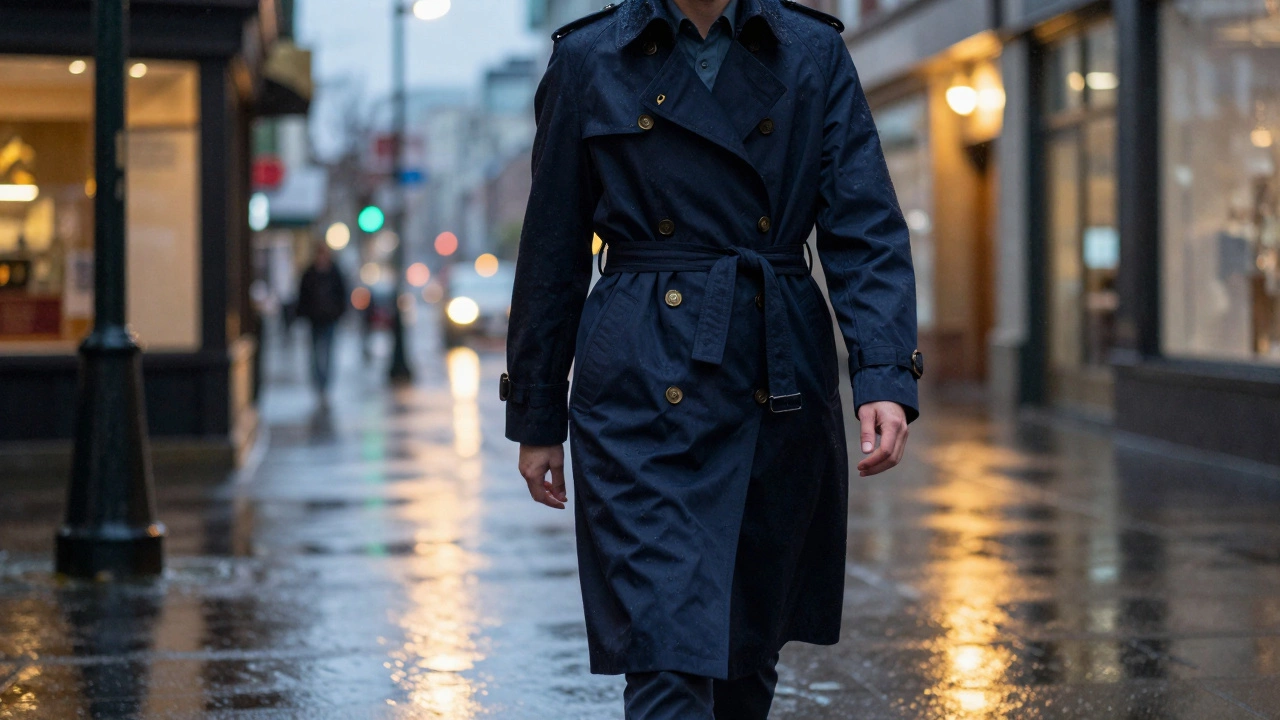
Some people confuse it with a military jacket, a broader category that includes field jackets, pea coats, and trench coats. But a true bomber has specific features: a front zipper, knit cuffs and hem, and often a snap-down collar. The MA-1, introduced by the U.S. Air Force in the 1950s, became the blueprint. Today’s versions might skip the military green, but they keep the DNA.
And if you’re looking for something with character, check out a vintage jacket, a bomber made before the 1990s, often with original military markings, unique fabrics, or worn-in texture. These aren’t just old clothes—they’re pieces with stories. A 1970s nylon MA-1 might have a faded logo, a few scuffs, and a smell of old airfields. That’s not a flaw—it’s proof it’s been lived in.
Why does this matter now? Because fashion keeps coming back to the bomber. It’s durable, practical, and never looks out of place. Whether you’re chasing a retro look or just need a jacket that doesn’t scream "trend," the bomber delivers. You don’t need to spend a fortune on a designer version—many affordable brands make great ones with the same cut and quality.
Below, you’ll find real-world guides on how to choose the right one, how to spot a fake, what materials last, and how to style it without looking like you’re trying too hard. No fluff. Just clear advice from people who’ve worn them, washed them, and kept them for years.