What Jackets Never Go Out of Style? Timeless Picks That Last Decades
Timeless Jacket Style Checker
Check Your Jacket's Timelessness
Enter details about your jacket to see if it has timeless features that resist fashion trends.
Check your jacket to see results
Enter jacket details to get your analysis
There’s a reason you still see people wearing leather jackets on city streets, denim jackets at music festivals, and trench coats in light rain-even in 2025. Some jackets aren’t just clothing. They’re symbols. They carry history, attitude, and function all in one piece. If you’re tired of buying seasonal trends that fall apart after a winter or look dated by spring, you need to know which jackets actually stand the test of time.
The Leather Jacket: More Than Just Rock and Roll
The leather jacket didn’t become iconic because it looked cool in a 1950s movie. It survived because it works. Real cowhide or lambskin jackets, when properly cared for, last 20 years or more. They start stiff, then mold to your body like a second skin. You’ll notice the difference when you wear one in Vancouver’s rainy winters-it sheds water better than most synthetic fabrics, and it doesn’t trap heat like a puffer.
Not all leather jackets are the same. The biker jacket with asymmetrical zippers and a cropped fit is the most enduring style. Brands like Schott NYC and Belstaff made them famous, but you don’t need to pay $800 for one. Look for full-grain leather, reinforced stitching, and a zipper that doesn’t snag. A well-made leather jacket costs more upfront, but it pays for itself in decades of use.
The Denim Jacket: The Everyman’s Uniform
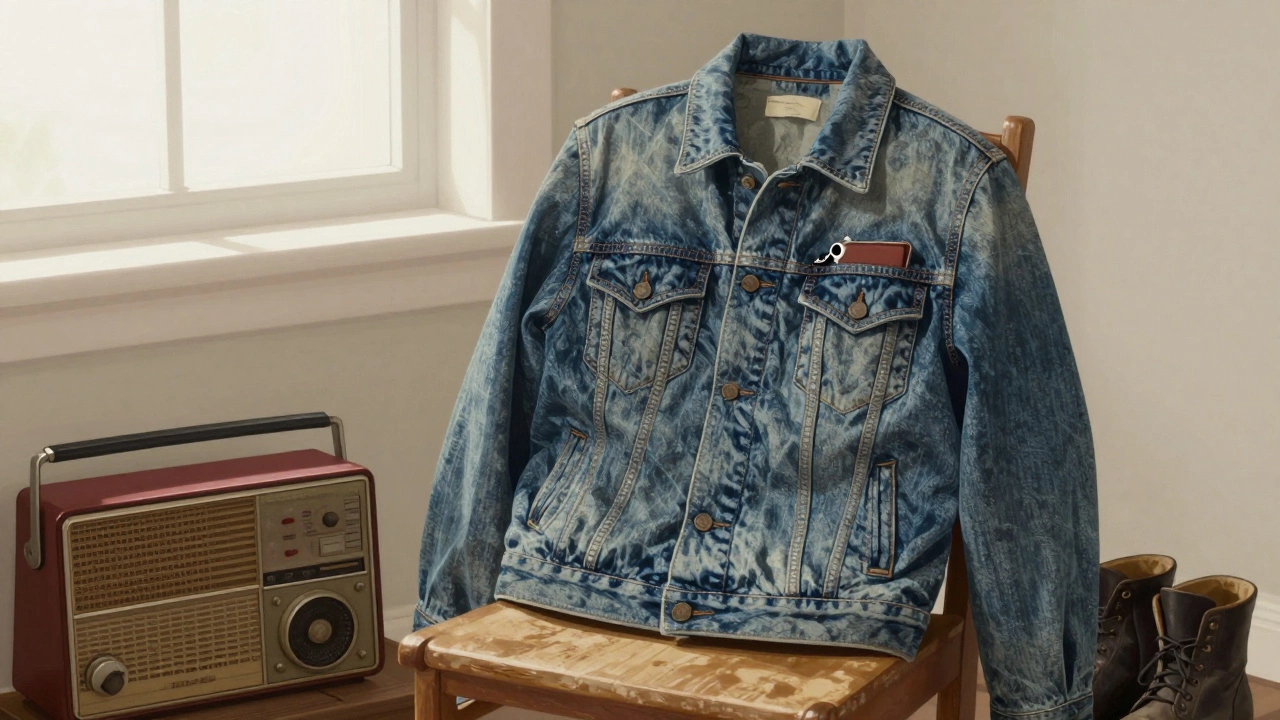
Denim is the fabric that never sleeps. And the denim jacket? It’s the quiet hero of every wardrobe. From farm workers in the 1800s to teenagers in the 1990s to professionals wearing it over blazers today, it’s adaptable. The key is in the cut. A classic trucker jacket with a straight fit, chest pockets, and a button front never looks dated.
Avoid overly distressed or super skinny versions. Those are trends. The real classic is medium-weight 12-oz denim with minimal fading. Wash it once a year, hang it to dry, and it’ll last longer than your phone. Pair it with a dress, a hoodie, or a suit-it doesn’t care. That’s why it’s still everywhere, from college campuses to art galleries in Montreal.
The Trench Coat: Rain, Wind, and Elegance Combined
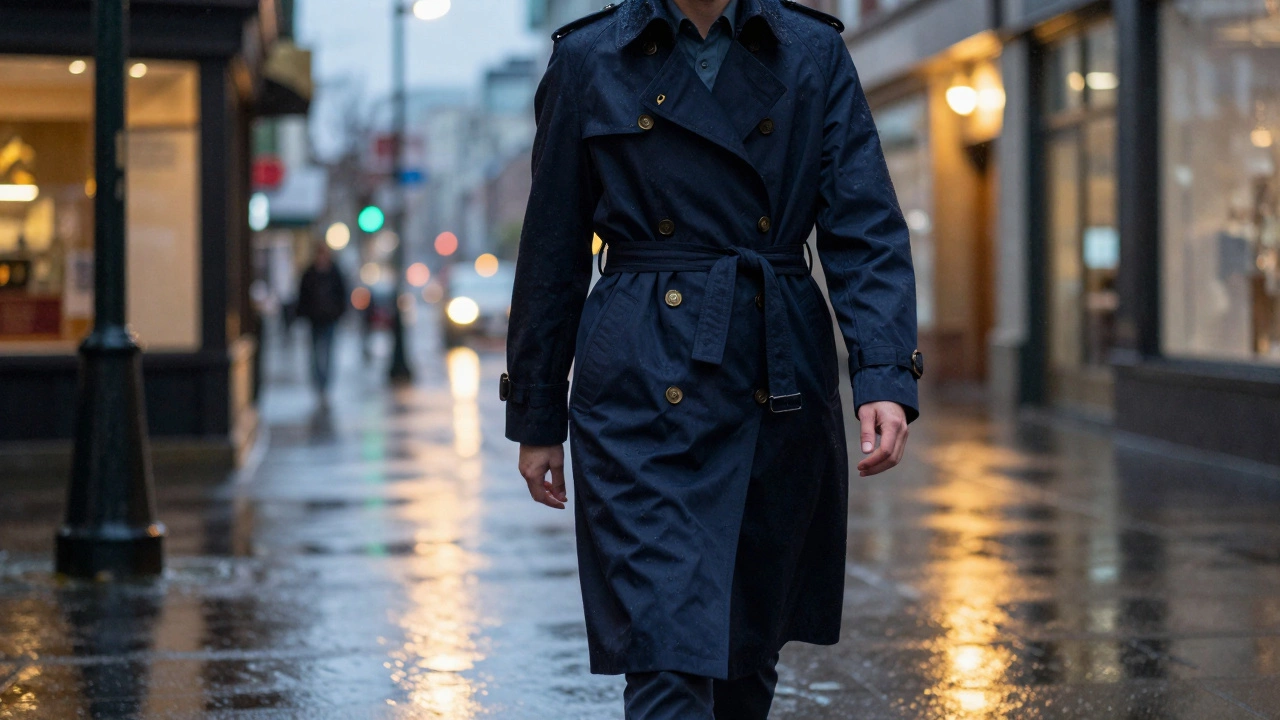
If you live somewhere with real weather-like Vancouver, where it rains 180 days a year-you need a trench coat. Not a cheap polyester version from a fast-fashion brand. The real thing is made from cotton gabardine, a tightly woven fabric developed by Burberry in 1879 to keep British officers dry in the trenches of WWI.
Modern trench coats still follow the same design: double-breasted front, shoulder epaulets, storm flap, and a belted waist. Look for brass hardware, not plastic. A good one has a lining that doesn’t cling to your shirt. The length matters too-mid-thigh is ideal. Too long and you’re tripping; too short and it doesn’t protect you from splashes.
It’s not just practical. A trench coat makes you look like you’ve got your life together. Even if you’re wearing sweatpants underneath.
The Field Jacket: Military Roots, Urban Life
Think of the field jacket as the quiet cousin of the bomber. It’s less flashy, more functional. Originally designed for soldiers in the 1940s and 50s, it has multiple pockets, a drawcord hem, and a slightly boxy fit. Today, it’s worn by hikers, photographers, and people who just want a jacket that holds their phone, wallet, and snacks without bulging.
Look for nylon or cotton canvas with a water-resistant finish. Olive green, khaki, and black are the most versatile colors. Brands like Alpha Industries and Carhartt still make them the way they should be-durable, simple, and built to last. Unlike trendy puffer jackets that puff out in the cold and collapse in the wash, a field jacket keeps its shape for years.
The Wool Peacoat: Cold Weather That Doesn’t Look Like a Snowman
When winter hits, most people grab the bulkiest coat they can find. But the wool peacoat proves you don’t need to look like a marshmallow to stay warm. Made from heavy wool (usually 80% or more), it’s thick enough to handle -10°C without a liner, and it drapes elegantly over suits or jeans.
The classic cut has a double-breasted front, broad lapels, and pockets with flaps. It hits at the hip-never below the buttocks. That’s intentional. Longer versions look sloppy. Stick with navy or charcoal. They go with everything. And unlike synthetic winter coats that shed microplastics and smell funny after a few washes, wool breathes, resists odor, and can be dry cleaned once every three years.
Real wool peacoats come from brands like Topman, J. Crew, or even military surplus stores. Don’t buy one labeled “wool blend” unless it’s 90% wool or higher. The rest is filler.
The Bomber Jacket: From Fighter Jets to Friday Night
The bomber jacket-originally the MA-1 flight jacket for U.S. Air Force pilots-has one of the most surprising survival stories. It was designed to be lightweight, warm, and easy to move in. The nylon shell, ribbed cuffs, and zipper closure made it perfect for high-altitude flights. By the 1980s, it was everywhere: hip-hop crews, punk kids, and then, surprisingly, high fashion.
Today, the best versions stick close to the original: black or olive nylon, satin lining, and a snug fit. Avoid ones with giant logos or fur trim. Those are gimmicks. The real bomber works because it’s simple. Throw it on over a hoodie, a turtleneck, or even a dress shirt. It doesn’t compete. It complements.
And here’s the secret: a good bomber doesn’t need to be expensive. Brands like Alpha Industries and Uniqlo make solid versions under $100 that last just as long as designer ones.
What to Skip: Trends That Fade Fast
Not every jacket with a “classic” label actually is. Here’s what to avoid:
- Overstuffed puffer jackets with cartoon logos-these look bulky and dated within two years
- Shearling-lined jackets with fake fur collars-they trap heat too well and start to smell
- Asymmetrical zippers on non-leather jackets-they look forced, not intentional
- Transparent or metallic fabrics-they’re fun for one night, not for daily wear
These aren’t bad jackets. They’re just temporary. They serve a moment, not a lifetime.
How to Make Your Timeless Jacket Last Even Longer
Buying a classic jacket is only half the battle. The other half is keeping it. Here’s how:
- Store it on a wide, padded hanger-never a wire hanger. It stretches the shoulders.
- Use a garment bag for leather and wool. Dust and moths are silent killers.
- Don’t wash denim or wool jackets unless they’re stained. Spot clean instead.
- For leather, condition it once a year with a natural oil like mink oil.
- Never dry clean a bomber or field jacket unless the label says so. Most are machine washable.
A jacket that lasts 10 years saves you money, reduces waste, and becomes part of your identity. That’s the real value.
Final Thought: Style Isn’t About Newness
People think fashion means change. But the most powerful style choices are the ones that stay. A leather jacket you bought at 18 can still look sharp at 40. A trench coat your dad wore in the 90s? It’s still perfect for a rainy Tuesday in 2025.
Don’t chase what’s new. Chase what lasts. The right jacket doesn’t just protect you from the weather. It protects you from the noise of fashion. And that’s worth more than any trend.