Sundress vs Summer Dress: What's the Real Difference?
Sundress vs. Summer Dress Identifier
Answer the questions below to determine if your dress is technically a Sundress or a general Summer Dress.
1. What are the sleeves/straps?
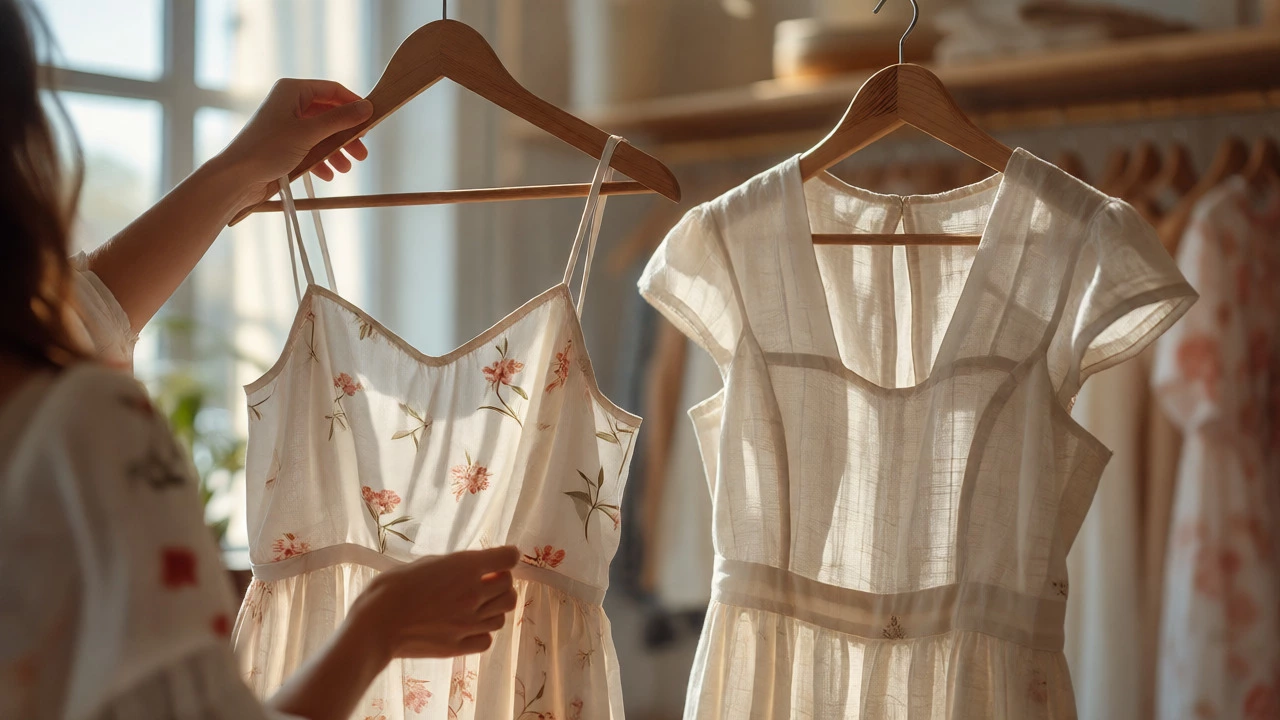
You are standing in a store, holding two identical-looking floral numbers. One tag says Sundress is a lightweight, sleeveless or strapless dress designed for hot weather and sun exposure. The other says Summer Dress is any dress suitable for the summer season, regardless of specific cut or fabric weight. You stare at them. They look the same. So, what is a sundress vs summer dress? Is there actually a difference, or are brands just playing with words to sell you the same thing twice?
Here is the short answer: all sundresses are summer dresses, but not all summer dresses are sundresses. It is a subset relationship. A sundress is a specific style defined by its construction (lightweight, often sleeveless) and purpose (sun protection or comfort). A summer dress is a broader category defined only by when you wear it. Confusing? Let’s break it down so you never feel silly asking this question again.
The Core Definition Breakdown
To understand the difference, we need to look at the defining attributes of each term. Think of "summer dress" as the parent category and "sundress" as a child category within it. This hierarchy matters because it dictates how you shop and how you style these pieces.
A sundress has strict design rules. It is almost always made from breathable fabrics like cotton, linen, or rayon. It typically features thin straps, a halter neck, or a strapless design. Why? Because the goal is maximum skin exposure to the sun while keeping you cool. If a dress has long sleeves and heavy denim, it fails the sundress test, even if it is floral and cute.
A warm-weather dress, commonly called a summer dress, has no such strict rules. It just needs to be appropriate for June, July, and August. This could mean a linen shirt-dress with three-quarter sleeves. It could be a midi-length knit dress that breathes well. It could even be a heavier cotton maxi dress that you wear on a breezy evening. The defining trait here is seasonal suitability, not specific cut.
| Feature | Sundress | Summer Dress |
|---|---|---|
| Fabric Weight | Ultra-lightweight, sheer, or gauzy | Light to medium; can include knits or light denim |
| Sleeves/Straps | Sleeveless, spaghetti straps, halter, or strapless | Short sleeves, cap sleeves, 3/4 sleeves, or straps |
| Length | Mini to Midi (rarely Maxi) | Mini, Midi, or Maxi |
| Primary Purpose | Beach cover-up, poolside, high heat | Versatile day-to-night summer wear |
| Coverage | Low coverage (arms, shoulders exposed) | Variable coverage (can be modest) |
Why Fabric Choice Defines the Category
If you want to spot a sundress instantly, check the fabric composition label. True sundresses rely on natural fibers or specific synthetics engineered for airflow. Cotton poplin, eyelet lace, and chambray are classic sundress materials. These fabrics allow air to circulate against your skin. They dry quickly if you sweat or get splashed at the beach.
Summer dresses have more freedom. You might find a summer dress made from a viscose blend that drapes nicely for a dinner party. Or perhaps it is a lightweight jersey knit that stretches comfortably during travel. While a sundress prioritizes cooling, a summer dress might prioritize structure or elegance. For example, a structured cotton shift dress with pockets is a perfect summer dress for work, but it lacks the airy, relaxed vibe required to be a sundress.
Consider the weave. Sundresses often use loose weaves like muslin or seersucker. These textures physically create space between threads, letting heat escape. Summer dresses might use tighter weaves like twill or satin finishes, which look more polished but trap slightly more heat. If you are sweating through your clothes in Vancouver humidity, reach for the sundress. If you are attending a garden wedding where you need to look put-together, the summer dress is the safer bet.
Cut and Silhouette: The Visual Clues
Beyond fabric, the cut tells the story. Sundresses are designed for movement and minimalism. They rarely have complex tailoring. You will see empire waists, smocked bodices, and simple A-line skirts. The silhouette is usually forgiving and fluid. There are few zippers, buttons, or linings. This simplicity reduces bulk and keeps the garment light.
Summer dresses often feature more construction details. You might find darts, waist ties, or tailored seams. These elements help the dress hold its shape throughout the day. A summer dress might have a collar or a button-down front, adding a layer of sophistication. A sundress would likely skip the collar entirely to avoid trapping heat around the neck.
Length is another differentiator. While both categories span various lengths, sundresses skew shorter. Mini and knee-length cuts dominate the sundress market because they expose more leg to the breeze. Maxi sundresses exist, but they are rare because full-length hems can drag in sand or water. Summer dresses frequently appear in maxi lengths, offering sun protection for legs without sacrificing style. If you are walking through downtown Vancouver on a sunny afternoon, a maxi summer dress offers better UV protection than a mini sundress, yet both fit the season.
Styling Scenarios: When to Wear Which
Knowing the technical difference is useless if you do not know how to wear them. Let’s look at real-world scenarios to clarify the choice.
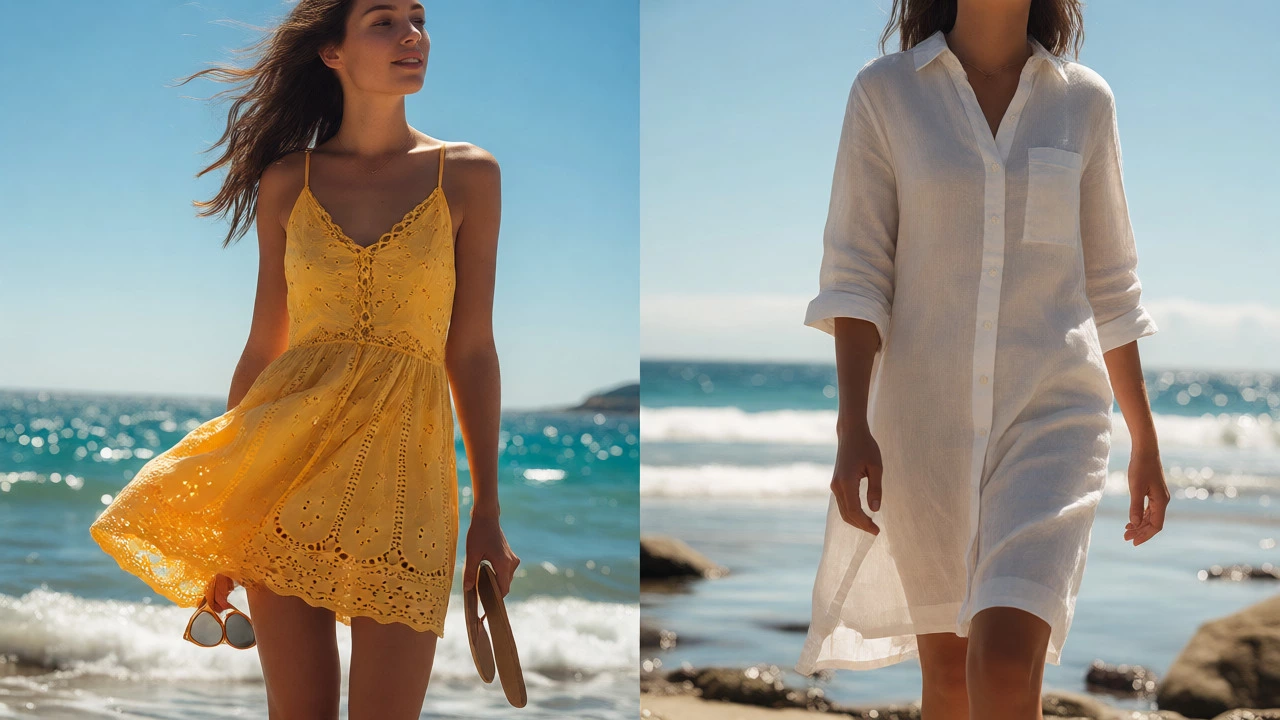
- The Beach Day: You are heading to Kitsilano Beach. You need something easy to take off over a swimsuit. Choose the sundress. Its thin straps won’t tangle, and the lightweight fabric won’t feel heavy when damp. Pair it with flip-flops and sunglasses.
- The Office Casual: You work in a creative agency with a relaxed dress code. It is 25°C outside. A sundress might feel too casual or revealing for a client meeting. Opt for a summer dress with short sleeves and a higher neckline. Add a blazer if the AC is blasting.
- The Outdoor Wedding: You are attending a ceremony on grass. A sundress with thin straps might slip or feel inappropriate for the formality level. A structured summer dress in a breathable fabric strikes the right balance between respect for the occasion and comfort in the heat.
- The Errand Run: You need to run to the grocery store and then grab coffee. Throw on a sundress. It requires zero thought, pairs with sneakers easily, and handles spills or stains better due to simpler care instructions.
Notice the pattern? Sundresses are for leisure and high heat. Summer dresses are for versatility and moderate heat. If you are unsure, ask yourself: "Am I trying to stay cool, or am I trying to look styled?" If it is the former, go sundress. If it is the latter, go summer dress.
Care and Maintenance Differences
This is a practical point many shoppers ignore. Because sundresses are often made from delicate, lightweight fabrics, they require gentler care. Eyelet lace can snag. Thin cotton straps can stretch out. Many sundresses should be washed in cold water and hung to dry immediately to prevent wrinkling. Ironing a sundress can sometimes melt synthetic blends or scorch thin cotton.
Summer dresses, being potentially made from sturdier materials like linen blends or thicker cottons, are often more durable. They can handle a standard machine wash cycle. Linen wrinkles are part of the charm, so ironing is optional. This makes summer dresses better candidates for travel packing, where you might need to throw them in a suitcase without worrying about immediate steaming.
Check the tags. If you see "hand wash only" or "dry clean," it is likely a delicate sundress or a fancy summer dress. If it says "machine wash cold," it is a workhorse summer dress. This durability factor often influences value. A $50 sundress might last one season if worn heavily. A $50 linen summer dress could last five years if cared for properly.

Common Misconceptions and Myths
One major myth is that sundresses must be floral. While florals are popular, solid-colored sundresses are huge right now. White, yellow, and pastels are common, but black sundresses are chic for evening wear. Don’t let print dictate the category. Look at the cut and fabric instead.
Another misconception is that men don’t wear sundresses. In recent years, gender-neutral fashion has embraced the sundress silhouette for men, particularly in warmer climates. The definition remains the same: lightweight, sleeveless, casual. The wearer changes, but the garment’s classification does not.
Finally, people often think "sundress" implies cheap quality. Not true. Designer brands make exquisite silk sundresses that cost hundreds of dollars. Conversely, fast-fashion summer dresses can be poorly made. Price and brand do not define the category; construction does.
How to Shop Smart: A Checklist
Next time you are browsing online, use this quick checklist to ensure you are buying what you think you are buying.
- Check the Sleeve Description: Does it say "sleeveless" or "spaghetti strap"? Likely a sundress. Does it say "short sleeve" or "cap sleeve"? Likely a general summer dress.
- Read the Fabric Content: Is it 100% cotton, linen, or rayon? Good for both. Is it polyester-heavy? Be careful; it might not breathe well enough for a true sundress experience.
- Look for Lining: Unlined garments are usually sundresses. Lined garments offer more structure and opacity, typical of versatile summer dresses.
- Evaluate the Neckline: High necklines or collars suggest a summer dress. Low-cut backs or halter styles suggest a sundress.
- Consider the Occasion Tag: Some retailers categorize items under "Beachwear" (sundress territory) versus "Casual Dresses" (summer dress territory).
By applying these filters, you avoid the frustration of buying a dress that looks like a sundress but feels like a winter coat. You also stop missing out on great summer dresses that happen to be sleeveless but aren't marketed as sundresses.
Final Thoughts on Wardrobe Building
You don’t need ten sundresses and ten summer dresses. You need a balanced mix. Start with two high-quality summer dresses that can handle work, dinners, and errands. Then add three to four sundresses for weekends, vacations, and peak heat days. This ratio ensures you are covered for most social situations without overcrowding your closet with single-purpose items.
Remember, fashion terms evolve. Today, "sundress" is a marketing term as much as a technical one. But understanding the root differences helps you communicate with sales associates, return items correctly, and build a wardrobe that actually works for your lifestyle. Whether you call it a sundress or a summer dress, if it keeps you cool and confident, you’re winning.
Can a maxi dress be a sundress?
Yes, but it is less common. Traditional sundresses are shorter to maximize airflow. However, lightweight, sleeveless maxi dresses made of chiffon or thin cotton are widely accepted as sundresses, especially for beach cover-ups or bohemian styles.
Is a sundress appropriate for work?
It depends on your office dress code. In conservative environments, sundresses are often too casual due to thin straps and low necklines. In creative or casual offices, a longer, structured sundress in a solid color can work, provided it is not sheer.
What is the best fabric for a summer dress?
Linen and cotton are the top choices for breathability. Rayon and viscose are good alternatives for drape and softness. Avoid heavy polyester unless it is specifically woven to be moisture-wicking.
Do sundresses have pockets?
Rarely. Adding pockets requires extra fabric and stitching, which adds bulk and weight, contradicting the minimalist, lightweight philosophy of a traditional sundress. Summer dresses are more likely to include functional pockets.
Can I wear a sundress in spring?
Absolutely. Despite the name, sundresses are great for late spring when temperatures rise. Layer them with a denim jacket or cardigan if it gets chilly in the evening.