Is Standing for 12 Hours Bad? Health Risks and the Best Work Shoes to Prevent Pain

Standing Survival Risk & Shoe Checker
Your Shift Profile
Select features of your current work setup:
Risk Assessment & Advice
Physical Strain Score
Moderate Risk
You clock in at 7 AM, your shift ends at 7 PM, and you haven’t sat down once. By the time you get home, your feet feel like lead weights, your lower back is throbbing, and you’re wondering if your career choice is slowly destroying your body. The short answer is yes: standing for 12 hours straight is physically demanding and carries real health risks if you aren't equipped with the right support.
But here is the good news. It doesn't have to be a slow march toward chronic pain. With the right footwear, strategic movement, and some simple ergonomic tweaks, you can survive-and even thrive-during those long shifts. Let’s break down what happens to your body when you stand all day and how to protect yourself.
The Hidden Toll of Prolonged Standing
Standing still might seem passive, but it is actually an active physical stressor on your body. When you are upright for extended periods, gravity pulls blood down into your legs and feet. Without the natural pumping action of walking or sitting, that blood pools, leading to swelling (edema) and increased pressure in your veins.
This static posture also compresses the discs in your spine, particularly in the lumbar region. Over time, this constant compression can lead to lower back pain, which is one of the most common complaints among nurses, retail workers, and chefs. Your knees and hips also bear the brunt of this weight, potentially accelerating wear and tear on the cartilage.
If you ignore these signals, the consequences can become permanent. Chronic venous insufficiency, where the veins struggle to send blood back to the heart, often manifests as varicose veins-those twisted, bulging vessels that are painful and unsightly. Plantar fasciitis, an inflammation of the thick band of tissue connecting your heel bone to your toes, is another frequent culprit, causing sharp heel pain especially in the morning.
Why Your Work Shoes Are the First Line of Defense
If you are going to spend half your day vertical, your work shoes are not just an accessory; they are medical equipment. Most people underestimate how much their footwear affects their entire skeletal alignment. A bad pair of shoes forces your body to compensate, twisting your ankles, knees, and hips to find stability, which leads to fatigue and injury.
When shopping for shoes designed for long shifts, look for specific features rather than just brand names. You need adequate arch support to prevent your feet from flattening out (overpronation), which causes strain up the kinetic chain. Cushioning is equally critical, but it needs to be responsive, not just soft. Memory foam that collapses after two hours offers no protection by hour ten.
| Feature | Why It Matters | What to Look For |
|---|---|---|
| Arch Support | Prevents plantar fasciitis and knee strain | Firm, contoured midsole; removable insoles for custom orthotics |
| Cushioning | Absorbs shock from hard floors | EVA foam or air units; avoid flat rubber soles |
| Heel Drop | Reduces calf tension and Achilles strain | 4-8mm drop; avoid completely zero-drop if unaccustomed |
| Breathability | Keeps feet dry and prevents fungal infections | Mesh panels or leather uppers; moisture-wicking linings |
| Rocker Sole | Encourages forward motion and reduces joint load | Curved sole design that rolls you through the step |
Brands like Hoka, Brooks, and Dansko are frequently cited by professionals for their focus on these biomechanical needs. However, fit is personal. A shoe that works for a colleague might cause blisters on your feet. Always try shoes on in the afternoon when your feet are naturally slightly swollen, mimicking the end of your shift.
Movement Is Medicine: Breaking the Static Cycle
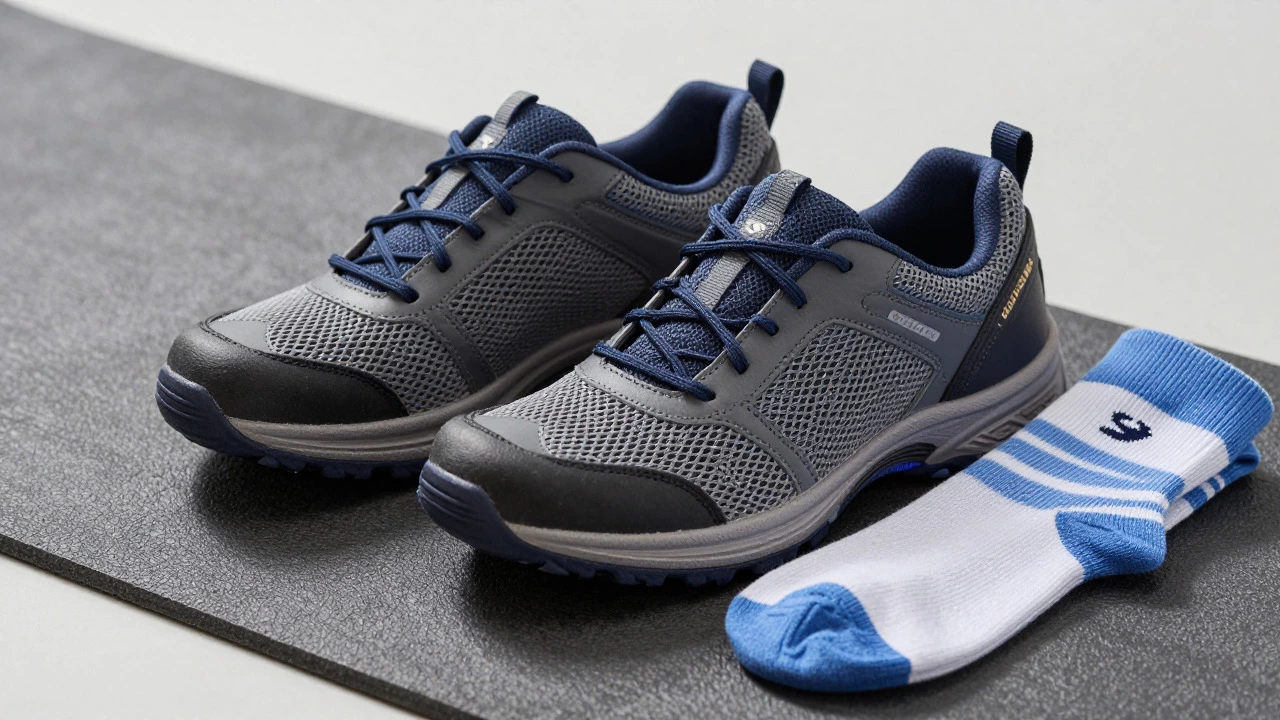
Even the best shoes in the world cannot fully counteract the damage of standing perfectly still for 12 hours. The human body is designed for dynamic movement, not static loading. The key to surviving long shifts is micro-movements. Every 30 minutes, try to shift your weight from one leg to the other, roll your ankles, or take five steps forward and back.
If your job allows, use a high-quality anti-fatigue mat. These mats force your muscles to make tiny adjustments to maintain balance, which keeps blood flowing and reduces the impact on your joints. They are standard in commercial kitchens and assembly lines for a reason-they work. If you don't have a mat, consider wearing compression socks. These graduated stockings apply gentle pressure to your calves and ankles, helping push blood back up toward your heart and significantly reducing swelling and fatigue.
Recovery Strategies After the Shift
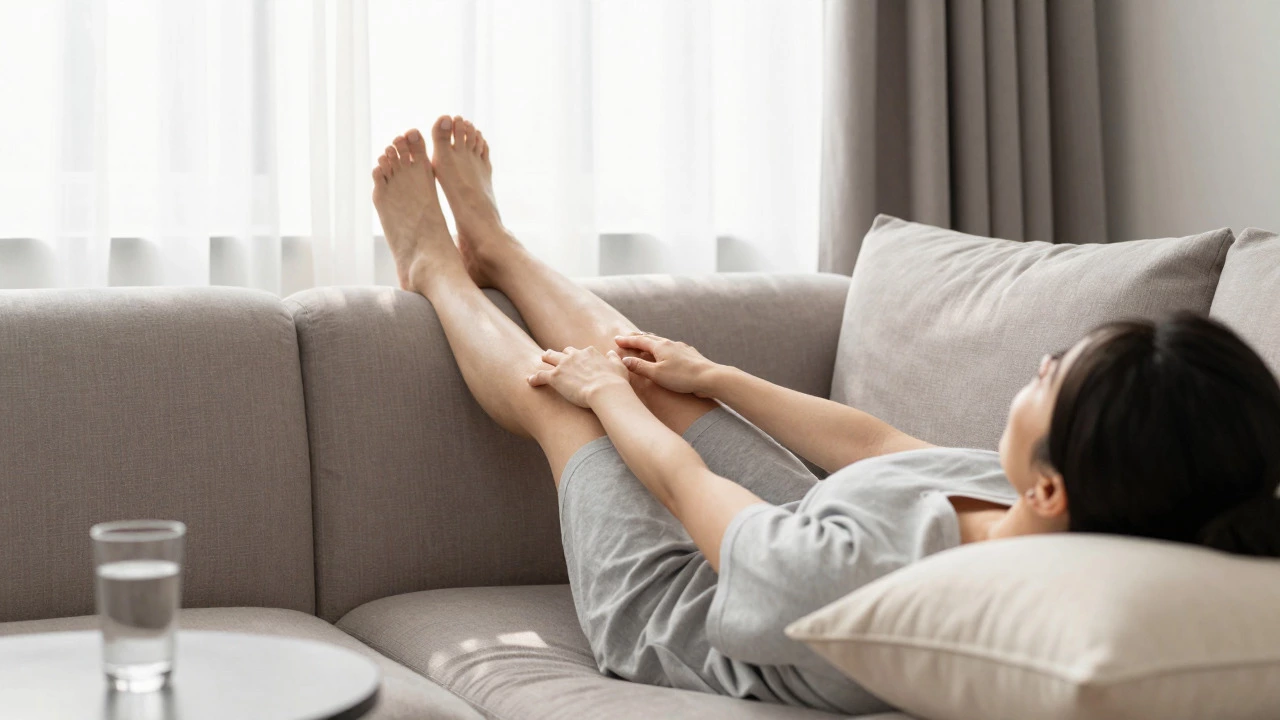
Your recovery starts the moment you clock out. Don't just sit on the couch immediately. Elevate your legs above heart level for 15-20 minutes to help drain pooled fluid. Gentle stretching, particularly focusing on your calves, hamstrings, and hip flexors, can release the tension built up during the day. Foam rolling your feet and calves can also break up adhesions in the fascia.
Hydration plays a surprising role here. Dehydrated tissues are less elastic and more prone to injury. Drinking enough water throughout your shift helps maintain disc hydration in your spine and muscle function. Avoid excessive caffeine, which can dehydrate you further, and limit alcohol in the evening, as it promotes inflammation.
When to See a Professional
Pain is a signal, not a suggestion. If you experience numbness, tingling, or sharp pain that doesn't resolve with rest, it’s time to consult a podiatrist or physical therapist. They can assess your gait, recommend custom orthotics, and identify any underlying conditions like flat feet or bunions that need targeted treatment. Ignoring persistent pain can lead to compensatory injuries elsewhere in the body, turning a foot problem into a back or knee issue.
How many hours is too much to stand?
There is no single "safe" number, but occupational health guidelines generally suggest limiting continuous standing to 4-6 hours without breaks. Beyond that, the risk of musculoskeletal disorders increases significantly. If you must stand longer, incorporate regular movement breaks and use supportive equipment.
Are compression socks necessary for standing jobs?
They are highly recommended, especially for shifts over 8 hours. Compression socks improve circulation, reduce swelling, and decrease the risk of varicose veins. Look for socks with 15-20 mmHg of pressure for mild to moderate support.
Can I wear running shoes for work?
Running shoes are designed for forward motion, not static standing. While they offer cushioning, they may lack the lateral stability needed for side-to-side movements common in retail or food service. Dedicated work shoes or cross-trainers are often safer and more supportive for all-day wear.
Does standing burn more calories than sitting?
Yes, standing burns slightly more calories than sitting-about 0.15 more calories per minute. However, this difference is minimal and should not be the primary motivation for standing. Focus on ergonomics and health preservation rather than calorie burning.
How do I stop my feet from swelling?
Reduce sodium intake, stay hydrated, wear compression socks, and elevate your legs when resting. Moving around regularly during your shift also helps pump fluid out of your extremities. If swelling persists or is asymmetrical, consult a doctor to rule out circulatory issues.