Is a $200 Suit Worth It? A Real-World Guide

Budget Suit Value Calculator
Enter your details to determine if buying a $200 suit (plus tailoring) is a smarter financial move than investing in a higher-end piece.
Verdict
Total Investment:
$0
Cost Per Wear:
$0
Recommendation Checklist:
You’re staring at a rack of suits. One costs $500, another $1,200, and this one right here is $200. Your gut says it’s too cheap to be good. But your bank account says otherwise. So, is a $200 suit worth it? The short answer: yes, but only if you know exactly what you’re buying and how to fix its inevitable flaws.
Here in Vancouver, I’ve watched friends buy $1,500 suits that looked great for three months, then fell apart at the seams. I’ve also seen guys rock $200 off-the-rack blazers that look sharp because they had them tailored properly. The price tag isn’t the magic number. The fit and the fabric are. Let’s break down why a low-cost suit can actually win, where it fails, and how to make it work for you.
The Hidden Costs of Cheap Suits
When you pay under $300, you aren’t just paying less for the same thing. You’re buying a different product entirely. Manufacturers cut corners to hit that price point. Here is what changes:
- Fabric: Most $200 suits use polyester blends or low-grade wool mixes. These fabrics trap heat and shine under bright lights. They don’t breathe like pure wool.
- Construction: High-end suits use canvas interlining (a layer between the outer fabric and lining). Cheap suits use fused construction-glue. Over time, glue bubbles and peels, especially after dry cleaning.
- Lining: Expect cheap viscose or polyester linings. They tear easily and feel slippery against your skin.
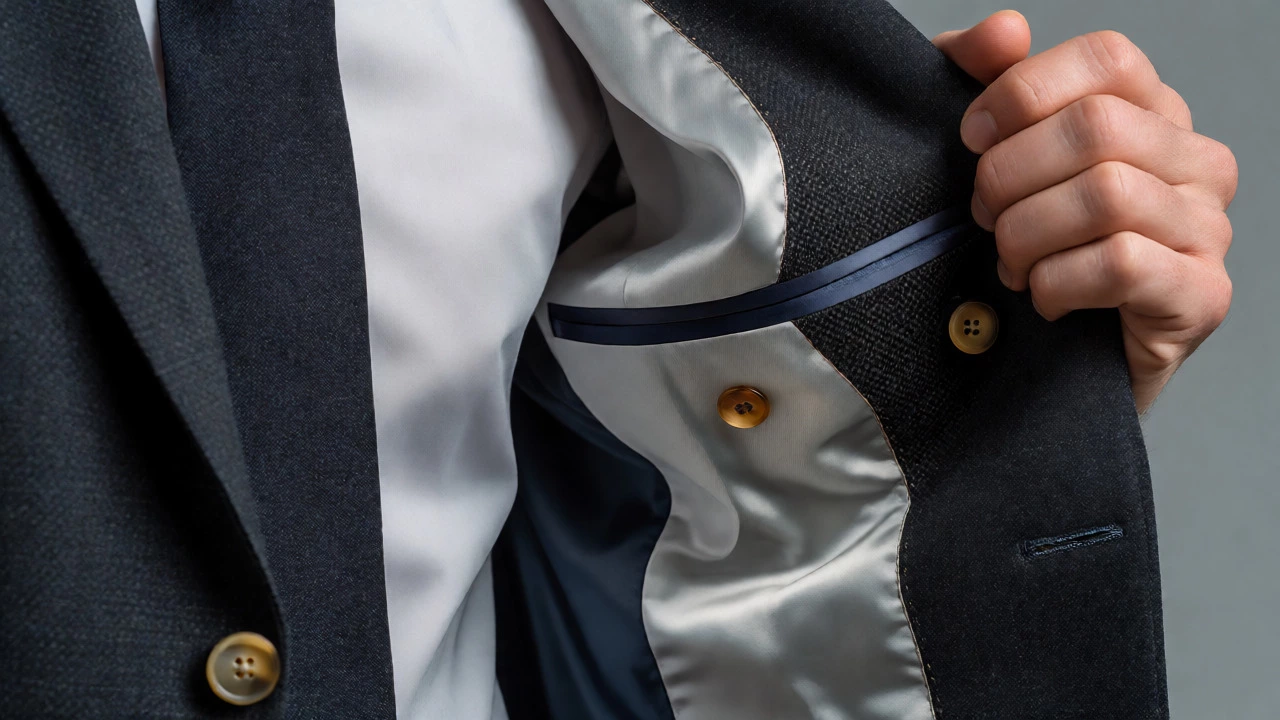
- Details: Buttons are often plastic, not horn or mother-of-pearl. Pockets may be fake. Stitching density is lower, meaning fewer stitches per inch, which weakens durability.
Does this mean they fall apart immediately? No. Modern manufacturing is decent. A $200 suit from a brand like H&M or Zara will survive two to three years of moderate wear if you treat it gently. But it won’t last a decade like a bespoke piece.
Where the $200 Price Tag Shines
If you dismiss cheap suits entirely, you miss out on their biggest advantage: flexibility. A $200 suit is perfect for specific scenarios where a $1,000 suit would be overkill or even risky.
First job-to-be-done: The Interview Gamble. You have an interview next week. You need to look professional, but you don’t know if you’ll get the job. Spending $800 on a suit you might never wear again hurts. A $200 suit gets you through the door. If you land the role, buy a better suit later as a reward. If you don’t, you didn’t lose a fortune.
Second job-to-be-done: Casual Fridays. Many offices now allow smart-casual dress. A high-end wool suit looks stiff and out of place with sneakers or chinos. A textured cotton or linen-blend suit from the budget section looks relaxed and intentional. It fits the vibe better than a formal worsted wool suit ever could.
Third job-to-be-done: Travel. Packing a delicate Italian wool suit for a weekend trip is stressful. You worry about wrinkles, spills, and theft. Throw a $200 suit in your bag. If you spill coffee on it, you’re annoyed, not devastated. If it gets wrinkled, you hang it in the bathroom while showering and move on. Low stakes mean low stress.
The Fit Factor: Why Tailoring Is Non-Negotiable
This is the single most important rule: A $200 suit that fits perfectly beats a $1,000 suit that doesn’t. Off-the-rack sizing is designed for average bodies. Yours probably isn’t average. Maybe your shoulders are broad, or your legs are long, or your waist is narrow.
Budget suits often come with generous allowances for alteration. This is a feature, not a bug. When you buy a cheap suit, assume you will spend an extra $50-$100 on a tailor. Use that money wisely:
- Sleeve Length: Show about half an inch of shirt cuff. This instantly elevates the look.
- Jacket Waist: Take it in if it billows. A fitted jacket makes you look slimmer and more put-together.
- Trouser Hem: Break is personal preference, but avoid puddling fabric around your ankles. A clean line looks modern.
I once helped a friend alter a $180 Uniqlo suit. We shortened the sleeves, tapered the pants, and took in the jacket sides. Total cost: $260. At his wedding, people assumed he paid double that amount. The fabric was basic, but the silhouette was sharp.
Material Matters: What to Look For
Not all cheap suits are created equal. Some materials age better than others. Avoid anything labeled "polyester" as the primary fiber if possible. Polyester holds odors, feels clammy, and shines under flash photography. It screams "budget" up close.
Instead, hunt for these blends:
| Fabric Type | Pros | Cons | Best For |
|---|---|---|---|
| Wool-Poly Blend (60/40) | Durable, wrinkle-resistant, cheaper than pure wool | Less breathable, can shine | Daily office wear, travel |
| Cotton Twill | Breathable, casual look, easy to care for | Wrinkles easily, fades faster | Casual Fridays, summer events |
| Linen-Cotton Blend | Very cool, stylish texture | Wrinkles aggressively | Vacations, outdoor weddings |
| Pure Polyester | Cheap, very durable | Traps heat, static cling, looks synthetic | High-risk environments (e.g., bars) |
In Canada, where seasons vary wildly, a wool-poly blend is often the safest bet for year-round versatility. It handles Vancouver rain better than cotton and breathes better than pure polyester during humid summers.

Brand Reality Check: Who Makes Good Budget Suits?
You don’t need to shop at luxury boutiques. Several mainstream retailers produce surprisingly competent budget suits. Here’s a quick rundown based on current market offerings in 2026:
- Uniqlo: Known for technical fabrics and consistent sizing. Their suits are often fused but well-cut. Great for minimalists who want reliability.
- H&M: Hit or miss. Their premium lines (like H&M Premium) sometimes use better wools. Stick to solid colors; patterns can look cheap quickly.
- Zara: Fashion-forward cuts. Sizes run small and slim. Ideal for younger men who prioritize style over longevity. Expect shorter lifespan.
- Target (Goodfellow & Co.): Surprisingly solid basics. Good value for entry-level professionals. Fits tend to be boxier, so plan for more tailoring.
Avoid ultra-discount stores like Ross or Marshalls unless you enjoy digging. Quality control varies wildly there. You might find a gem, or you might find a suit with mismatched stitching.
When to Spend More
So when should you skip the $200 option? There are clear scenarios where cheap fails:
- Weddings (Groom/Groomsman): Photos last forever. Flash reveals shiny polyester. Guests notice details. Spend $500+ here.
- Client-Facing Roles: If you meet clients weekly, your suit is part of your brand. Wear and tear shows fast. Invest in mid-tier ($400-$700).
- Cold Climates: Thin budget fabrics offer little insulation. In Winnipeg winters, you’ll freeze in a $200 suit without proper layering.
For everything else-job interviews, dates, casual office days-the $200 suit is a strategic tool. It frees up cash for shoes. And let’s be honest: bad shoes ruin a good suit faster than a cheap suit ruins a good outfit.
How long does a $200 suit last?
With regular wear (once a week) and proper care, expect 2-3 years. Fused construction may bubble after frequent dry cleaning. Rotate it with other outfits to extend life.
Can I wash a cheap suit at home?
Most $200 suits are labeled "dry clean only." However, many cotton or poly-blend jackets can be hand-washed cold and hung to dry. Always check the care label first. Never machine-dry.
Do cheap suits look obviously cheap?
Up close, yes. The fabric sheen and loose stitching give it away. From a distance (3+ feet), a well-tailored $200 suit looks indistinguishable from a $500 one. Fit matters more than fabric weight.
Is it better to buy a cheap suit and tailor it, or save for a nicer one?
Buy the cheap suit and tailor it. You learn your body shape and preferences without risking big money. Once you know what fits, you can invest confidently in a higher-quality piece later.
What color should my first cheap suit be?
Navy blue or charcoal gray. These colors hide stains, match almost any shirt/tie, and look professional in various lighting conditions. Black suits are too formal for most daytime events and look harsh under fluorescent office lights.