Summer Dresses That Hide a Big Belly: The Ultimate Style Guide for 2026
Summer Dress Style Matcher
Customize Your Look
Enter your details to get personalized styling recommendations.
Best Silhouette
Ideal Fabric
Styling Tips
Walking into a clothing store in July can feel like walking into a minefield if you’re trying to find something that flatters your midsection. You want to stay cool, look stylish, and most importantly, feel confident without constant tugging or adjusting. The good news is that the right summer dress doesn’t just exist-it’s designed specifically to create balance, draw attention to your best features, and keep your stomach area comfortable and covered.
We aren’t talking about hiding yourself away in baggy sacks. We are talking about strategic styling. When you understand how fabric drapes, where seams sit, and what silhouettes work with your body shape rather than against it, the anxiety disappears. This guide breaks down exactly which styles work, why they work, and how to wear them so you feel great all summer long.
The Power of Empire Waits and A-Line Silhouettes
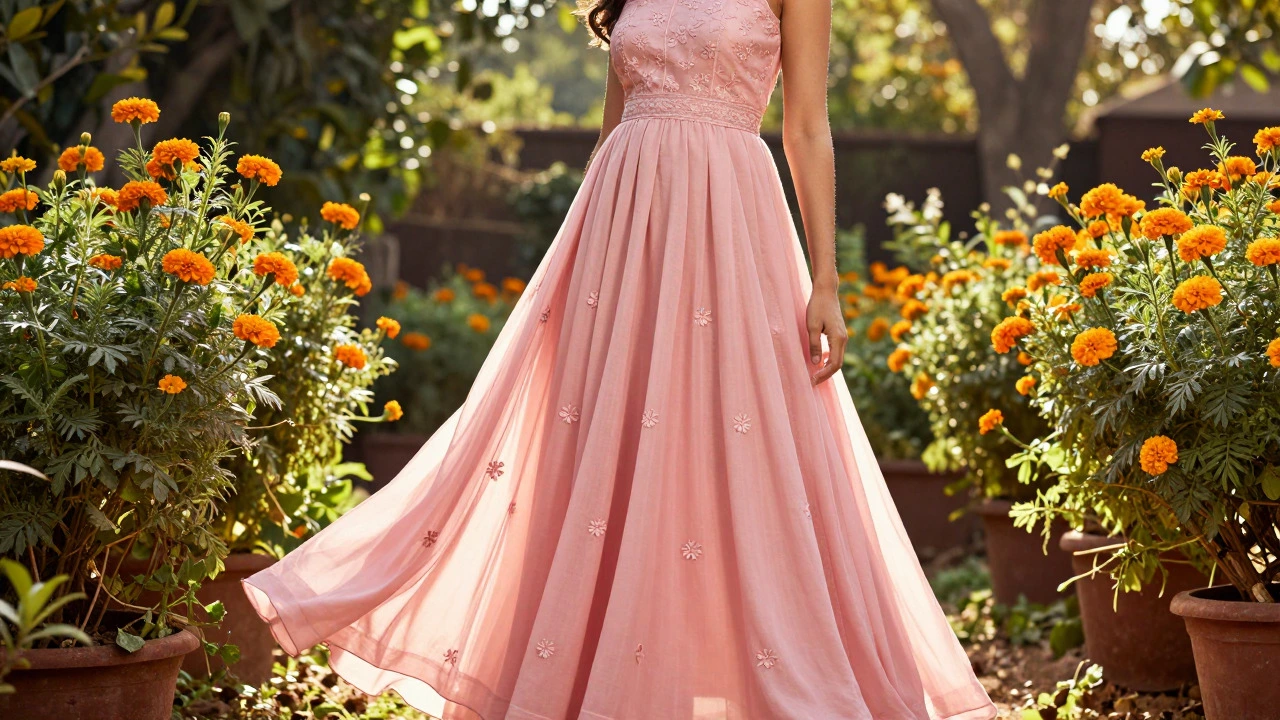
If there is one silhouette that consistently wins for minimizing the midsection, it is the Empire Waist Dress. Also known as High-Waisted Dress, this style defines its waistline just below the bust, allowing the fabric to flow loosely over the stomach and hips. Because the narrowest part of your torso is usually right under your ribcage, this cut creates an instant hourglass illusion without any compression.
Look for A-Line Dresses that flare out gently from the hips. Unlike straight tube dresses that cling to every curve and bump, an A-line creates vertical space. It skims over the belly rather than hugging it. For the best effect, ensure the hemline falls at least a few inches below the widest part of your thighs. This length provides coverage while keeping the outfit light and airy for hot weather.
- Why it works: The high seam draws the eye up toward your face and décolletage, away from the midsection.
- Best fabrics: Chiffon, lightweight cotton blends, and jersey knits that drape softly.
- Avoid: Stiff materials that hold their shape rigidly over the stomach, creating a tent-like effect.
Fabric Choice Matters More Than You Think
You can have the perfect cut, but if the fabric is wrong, it won’t help. Thin, clingy materials like cheap polyester or fine silk will map every contour of your body, including areas you might prefer to soften. On the flip side, overly thick fabrics add bulk and make you sweat unnecessarily in Vancouver’s humid summers.
The sweet spot lies in medium-weight fabrics with some structure and stretch. Cotton Poplin offers breathability and holds its shape well, preventing see-through moments while providing enough stiffness to skim over curves. Rayon or Viscose blends are excellent choices because they have natural weight and drape beautifully without clinging. Look for labels that mention “drape” or “flow.” If you pick up the dress in the store and it feels heavy enough to fall smoothly off your hand, it will likely hang nicely on your body too.
Avoid anything too thin unless it has a built-in lining. Unlined chiffon can be tricky; while it flows, it often clings to static electricity and highlights lumps. A lined version solves this problem instantly by adding a smooth layer between your skin and the outer fabric.
Strategic Details: Ruching, Pleats, and Peplums
Design details can do heavy lifting when it comes to camouflage. Ruching-those gathered folds of fabric often found along the sides or front of a dress-is a secret weapon. The texture created by ruching breaks up the visual line of the stomach, making it impossible for the eye to focus on a flat plane. It adds interest and distraction while physically accommodating changes in body shape throughout the day.
Peplum Tops integrated into dresses are another game-changer. A peplum is a short flared ruffle attached at the waist. It cinches at the smallest part of your torso (just above the belly) and then flares out, covering the lower abdomen and hips. This creates definition where you want it and hides where you don’t.
Pleats also offer flexibility. Vertical pleats elongate the body, while box pleats or knife pleats around the waist provide room to expand. If you eat a big lunch, pleated fabric adjusts without pulling tight across your stomach. Just ensure the pleats are structured enough not to collapse flat against your skin.
| Feature | Benefit for Midsection | Best For |
|---|---|---|
| Empire Waist | Lifts focus to bust, flows over stomach | Apple shapes, pregnancy, postpartum |
| Ruching | Camouflages contours with texture | All body types, especially those with soft bellies |
| Peplum Hem | Defines waist, covers lower belly | Hourglass figures, pear shapes |
| V-Neckline | Draws eyes upward, balances proportions | Broad shoulders, larger busts |
| Dark Prints | Minimizes volume visually | Those seeking maximum slimming effect |
Color and Pattern Psychology
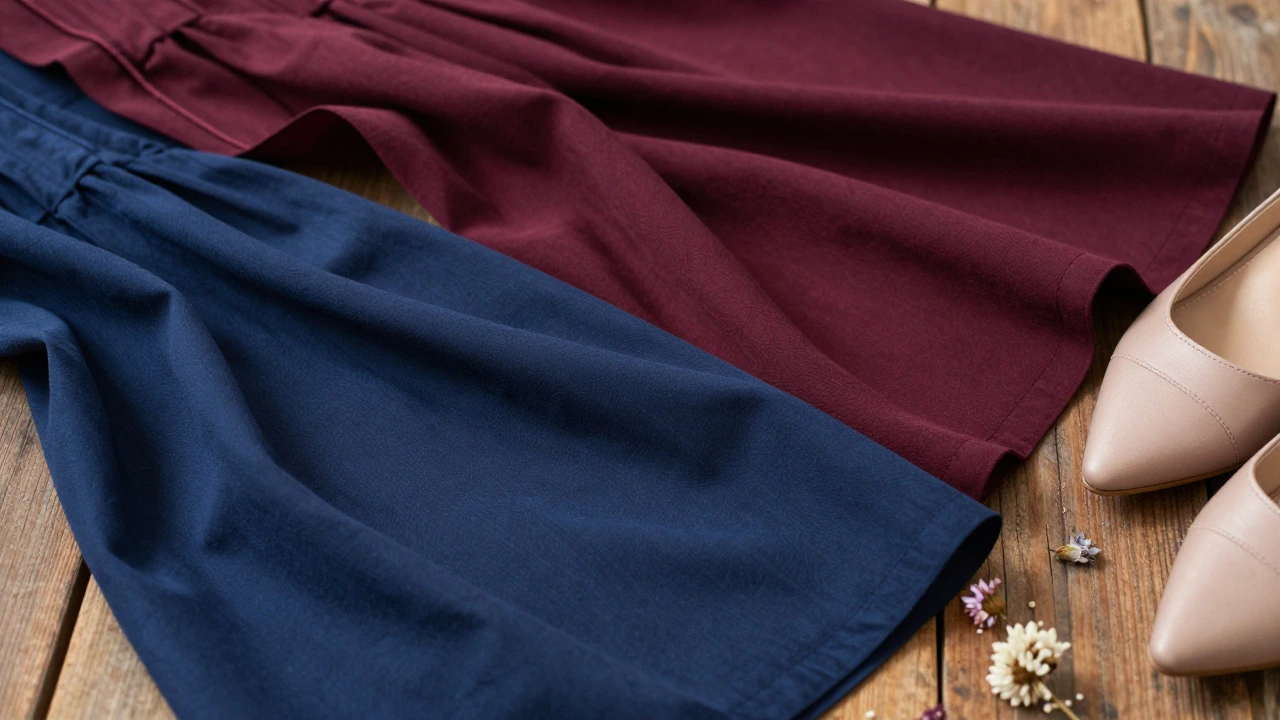
While black is traditionally seen as slimming, you don’t have to live in monochrome all summer. Dark colors like navy, charcoal, deep burgundy, and forest green absorb light, reducing the appearance of volume. However, color blocking can be even more effective. Try a dress with a darker panel on the bottom half and a lighter or patterned top. This tricks the eye into seeing your upper body as the focal point.
When it comes to patterns, avoid large, bold prints centered directly on your stomach. Instead, opt for vertical stripes, small-scale florals, or abstract prints that disperse attention. Large horizontal stripes can widen the torso visually, so steer clear of those if your goal is minimization. Vertical lines, whether in fabric weave or print, create an elongating effect that makes the entire silhouette appear taller and leaner.
If you love bright colors, place them where you want attention. A vibrant yellow neckline or a colorful sleeve detail draws the eye up. Keep the midsection in neutral or darker tones to maintain balance. This technique, known as directional styling, allows you to enjoy summer hues without feeling exposed.
Necklines and Sleeves: Balancing Proportions
Your neckline plays a huge role in how your overall outfit reads. A high neck or turtleneck can shorten your neck and make your torso look boxier. Instead, choose V-necks, scoop necks, or sweetheart necklines. These cuts expose the collarbone and create a vertical line that leads the eye downward through the center of your chest, breaking up the width of the torso.
Sleeve length also matters. Cap sleeves can accentuate arm fat and draw attention to the upper body in an unflattering way. Opt for three-quarter sleeves, flutter sleeves, or structured short sleeves that hit above the elbow. They provide coverage for the arms while keeping the shoulder area balanced. If you have broader shoulders, wider straps or boat necks can help soften that area, creating a more harmonious proportion with your midsection.
Accessories That Enhance, Not Distract
Once you’ve picked the right dress, accessories can refine the look. A lightweight cardigan or denim jacket worn open over your shoulders adds layers without bulk. It creates vertical lines on either side of your body, framing the torso and narrowing its appearance. Choose jackets that end at the hip bone or slightly below to avoid cutting off your legs awkwardly.
Jewelry should follow the same rule: draw the eye up. Statement earrings, chokers, or layered necklaces keep attention focused on your face and neck. Avoid belts that dig into your waist unless they sit comfortably above the belly button. A wide belt worn over an empire waist dress can define the shape further, but only if it doesn’t create muffin top spillage. Test this in a mirror before committing.
Footwear matters too. Nude heels or sandals elongate the leg, making your whole figure look longer and slimmer. Pointed-toe flats achieve a similar effect without the height. Avoid ankle straps that cut off the foot, as they can make legs look shorter and shift focus back to the lower body.
Real-Life Scenarios: What to Wear Where
Different occasions call for different levels of formality and comfort. Here’s how to apply these principles in real life:
- Office Meeting: Choose a midi-length sheath dress with a subtle V-neck and a knee slit. Pair it with a blazer for professionalism. The slit adds movement without revealing too much, and the blazer structures the shoulders.
- Beach Wedding: Go for a flowing maxi dress with an empire waist and floral print. Light fabrics like chiffon handle heat well, and the length keeps you cool. Add wedges for stability on sand.
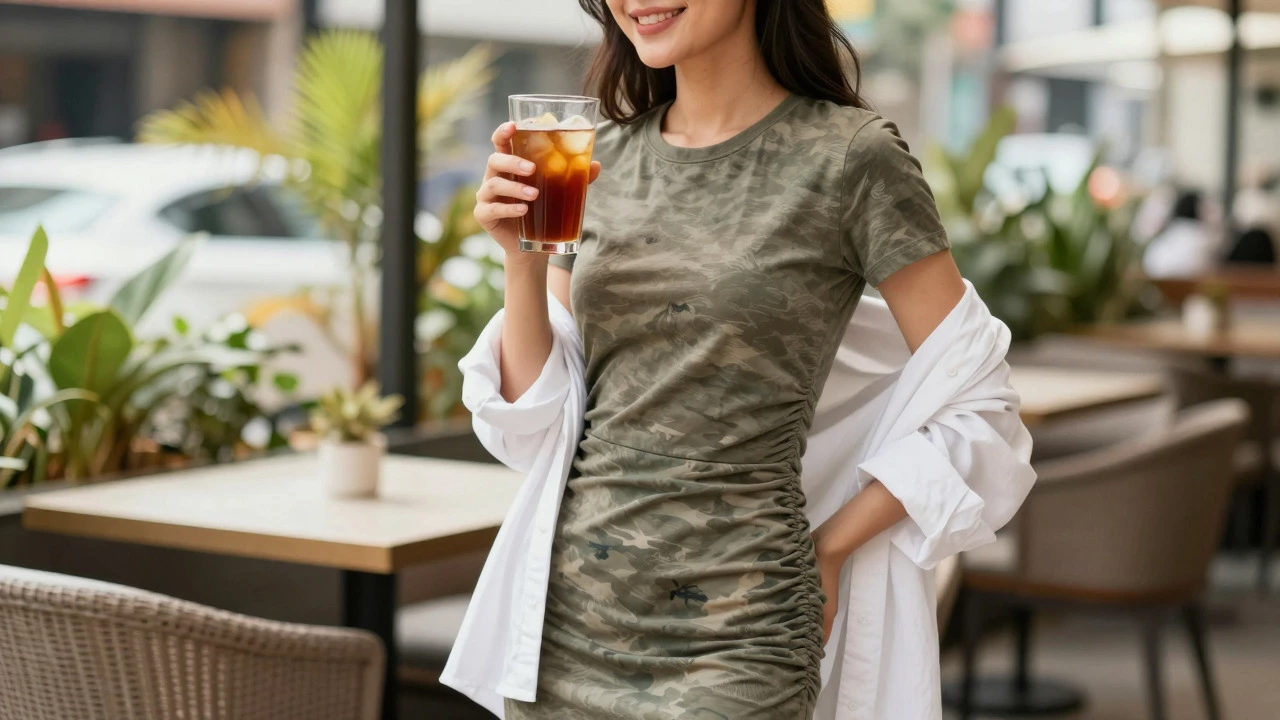
- Casual Brunch: A T-shirt dress made of thick cotton jersey works perfectly. Look for one with slight ruching on the sides. Throw on a oversized shirt tied at the waist for extra coverage and style.
- Date Night: A wrap dress is ideal. The adjustable tie lets you control the fit, and the diagonal line created by the wrap minimizes the midsection naturally. Choose a dark color or rich jewel tone for elegance.
Common Mistakes to Avoid
Even with the best intentions, some choices backfire. One common error is choosing dresses that are too tight at the bust. If the top fits snugly, the fabric will pull tightly across the stomach, emphasizing any bulge. Always prioritize fit in the largest part of your body first, then tailor elsewhere if needed.
Another mistake is ignoring the rise of your underwear. High-waisted shapewear can smooth things out, but if it’s too tight, it creates new rolls above and below. Opt for seamless, breathable shapewear that compresses gently rather than squeezes painfully. Your comfort should never be sacrificed for aesthetics.
Finally, don’t forget posture. Standing tall with your shoulders back automatically flattens the stomach and improves how clothes hang. Slouching pushes the belly forward, no matter how well-fitted your dress is. Practice good posture, and you’ll notice an immediate difference in confidence and appearance.
What is the best neckline to hide a big belly?
V-necks and scoop necks are the most flattering because they draw the eye upward toward your face and collarbone. They create a vertical line that balances the torso and prevents the outfit from looking boxy. Avoid high necklines like turtlenecks, which can shorten the neck and emphasize width.
Do dark colors really make you look thinner?
Yes, dark colors like black, navy, and deep burgundy absorb light, which reduces the visual impact of curves. However, you don’t need to wear only black. Color blocking with darker bottoms and lighter tops can achieve the same effect while allowing you to enjoy brighter shades.
Is shapewear necessary under summer dresses?
Shapewear isn’t mandatory, but it can help smooth lines if you prefer a sleeker look. Choose breathable, seamless options that provide gentle compression. Avoid overly tight garments that cause discomfort or create new bulges. Comfort should always come first.
What fabric is best for hiding belly fat in hot weather?
Medium-weight fabrics like cotton poplin, rayon, and viscose blends work best. They have enough structure to skim over curves without clinging, yet remain breathable for summer heat. Avoid thin, clingy materials like cheap polyester or unlined chiffon.
Can I wear a wrap dress if I have a big belly?
Absolutely! Wrap dresses are highly flattering because the diagonal wrap creates a natural waistline and camouflages the midsection. The adjustable tie allows you to customize the fit, ensuring comfort without gaping or pulling. Just make sure the fabric has some weight to it.