Do You Wear Short or Long Dresses to Formal Events?
When the invitation says formal, what length should your dress be? It’s a question that comes up every season - especially as winter parties and spring galas roll around. You’ve got the right fabric, the perfect color, and shoes that don’t pinch. But then you stare at the hemline and wonder: Is this too short? Too long? Just right?
There’s no single rule that fits every formal event. But there are clear patterns based on time, place, and tradition. And if you’re trying to look polished, not outdated, you need to know the difference between what’s expected and what’s just a trend.
What "Formal" Really Means Today
Back in the 1950s, formal meant floor-length gowns only. Women wore gloves. Men wore tuxedos with white ties. Today? The definition has softened. "Formal" now covers a range - from black-tie optional to white-tie galas. And the dress length you choose should match the level of formality.
Most invitations today say "formal" or "black-tie optional." That’s your sweet spot. It’s elegant, but not rigid. You’re not expected to wear a ballgown. But you’re also not supposed to show up in a mini dress unless it’s a very modern, artsy event.
Long Dresses: The Safe, Timeless Choice
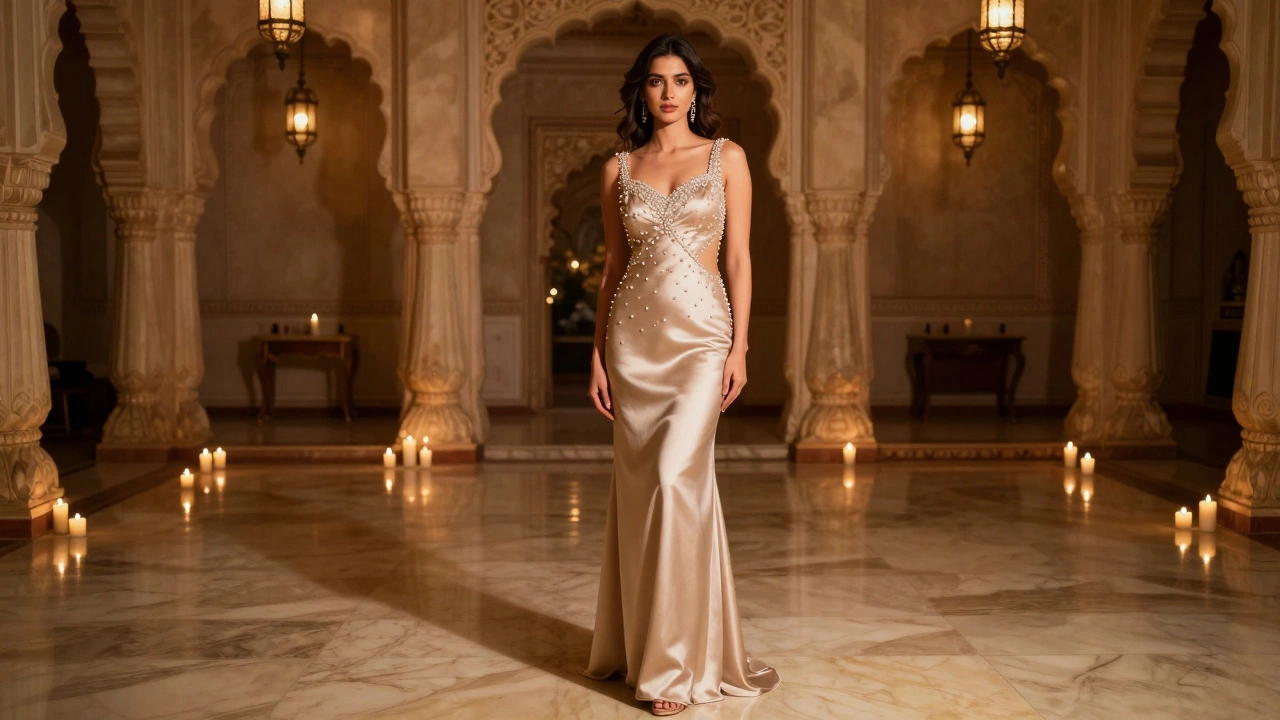
Long dresses - meaning floor-length or tea-length (just above the ankle) - are still the gold standard for formal events. Why? Because they move with elegance. They don’t get caught on chairs. They don’t ride up when you walk. They look intentional, not accidental.
Think of events like charity galas, wedding receptions, or holiday balls. These are settings where you want to blend in with the crowd - not stand out for the wrong reason. A long dress signals you respect the occasion. It doesn’t scream "look at me," it whispers "I belong here."
Real-world example: Last year, a friend wore a knee-length sequin dress to a black-tie gala in downtown Vancouver. She got compliments on the dress - but also a few sideways glances. Later, she said she felt like she was under a microscope. The next time, she chose a floor-length silk gown. The difference? She felt confident. No one stared. Everyone nodded like, "That’s how it’s done."
Short Dresses: When They Work (and When They Don’t)
Short dresses can absolutely work at formal events - but only under specific conditions.
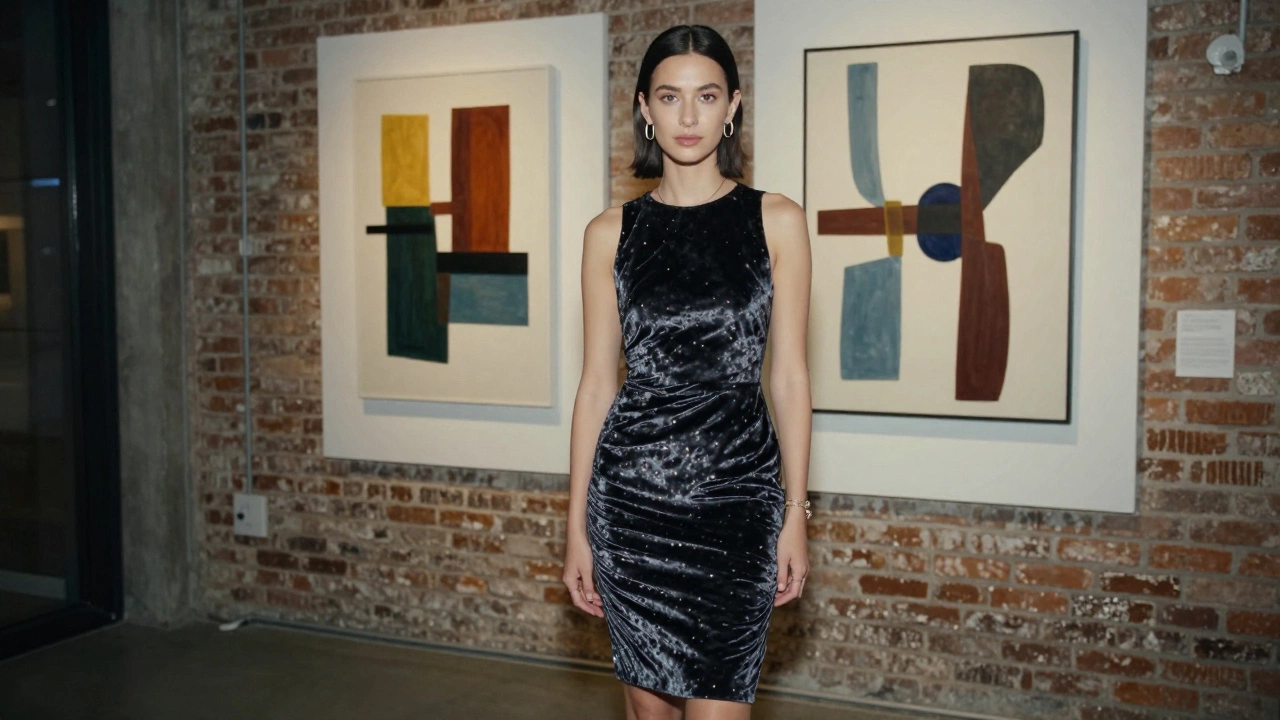
First, the event has to be modern. Think art openings, fashion launches, or upscale rooftop parties. These aren’t your grandmother’s galas. The dress code is often "elegant evening" - which means creativity is welcome.
Second, the dress has to be luxurious. A little black dress from a fast-fashion brand won’t cut it. You need silk, velvet, lace, or satin. Embellishments matter - beading, draping, metallic threads. The fabric should look expensive, even if the hemline is high.
Third, the fit has to be flawless. No wrinkles. No exposed underwear. No gaping neckline. If you’re going short, you’re betting everything on precision. One wrong detail and you look like you’re trying too hard.
There’s a reason why celebrities wear short dresses to the Oscars: they have stylists, tailors, and security teams. For the rest of us? It’s a risk. And most people don’t want to risk looking out of place.
What About Tea-Length Dresses?
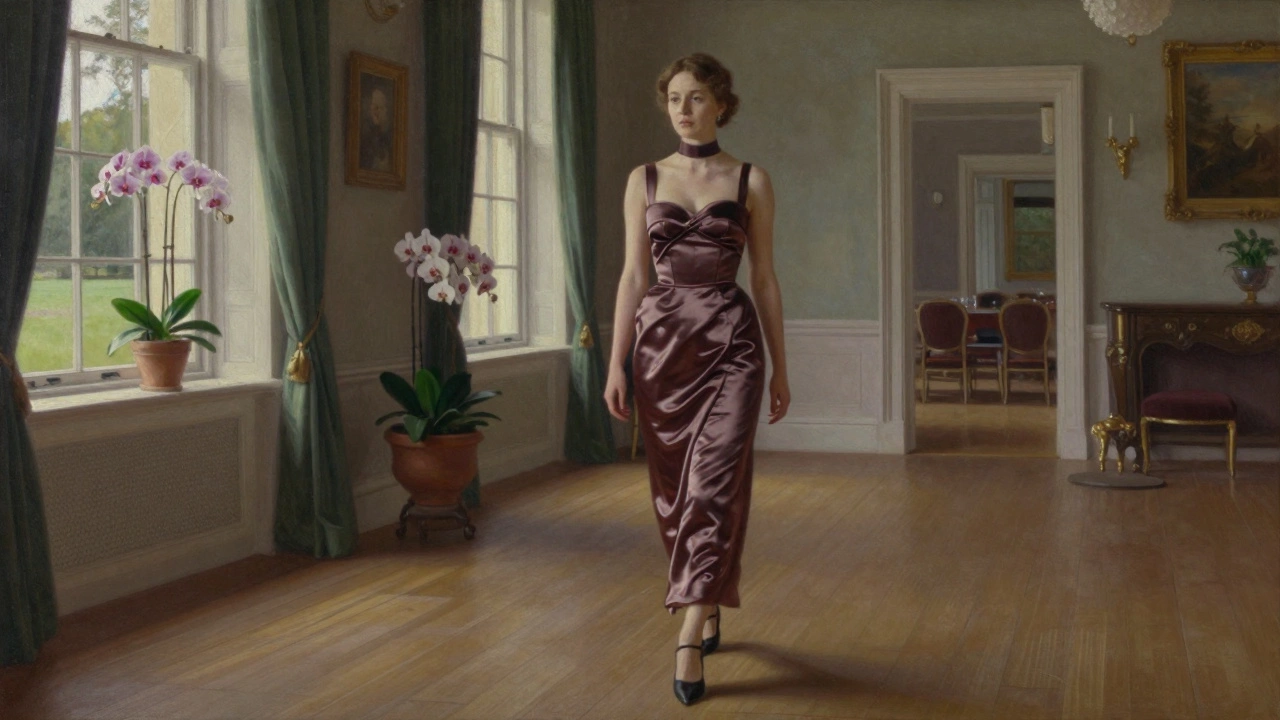
Tea-length - falling between the knee and ankle - is the quiet hero of formal wear. It’s not as common as floor-length, but it’s gaining ground. Why? It’s practical. It doesn’t drag. It doesn’t require a train. And it’s surprisingly elegant.
It works best with structured silhouettes - A-line skirts, fitted bodices, or high necklines. Pair it with classic heels and minimal jewelry. You’ll look polished without trying too hard.
Many women in their 30s and 40s are choosing tea-length for formal events now. It’s a quiet rebellion against the pressure to go ultra-long or ultra-short. It says: "I know the rules. I’m choosing my own version of elegance."
What to Avoid
There are three things that instantly make a formal dress look wrong:
- Anything below the knee that’s too tight - like a bodycon dress with no structure. It looks like you’re going to a club, not a gala.
- Excessive cutouts or sheer panels - unless it’s a designer piece and you’re in a very trendy city. Even then, it’s risky.
- Worn-out fabric - lace that’s frayed, sequins that are falling off, seams that are pulling. Formal events demand quality. If it looks like it’s been washed too many times, it doesn’t belong.
Real-Life Scenarios
Let’s say you’re invited to:
- A wedding reception at a country club - Go long. Floor-length or tea-length. Avoid anything that flashes when you sit down.
- A charity auction in a downtown loft - Short is okay, if it’s sleek, dark, and luxe. Think velvet or satin. No glitter.
- A holiday ball hosted by your company - Stick with floor-length. Even if everyone else is going short, you’ll look like you understand the room.
- A friend’s 30th birthday party at a rooftop bar - Here, you can experiment. A short dress with a dramatic cape or long gloves? Perfect.
The pattern? The more traditional the venue, the longer the dress should be. The more creative the crowd, the more freedom you have.
Final Rule of Thumb
If you’re unsure, go longer. Always.
It’s easier to look overdressed than underdressed. A long dress never looks out of place. A short dress can look like you didn’t try. And in formal settings, effort matters.
There’s no shame in choosing safety. Elegance isn’t about being bold - it’s about being confident. And confidence doesn’t come from how short your dress is. It comes from knowing you’re dressed right for the moment.
So next time you’re picking out a dress for a formal event, ask yourself: "Am I choosing this because it’s trendy - or because it’s right?"