What Exactly Counts as Sportswear? A Complete Guide to Athletic Clothing
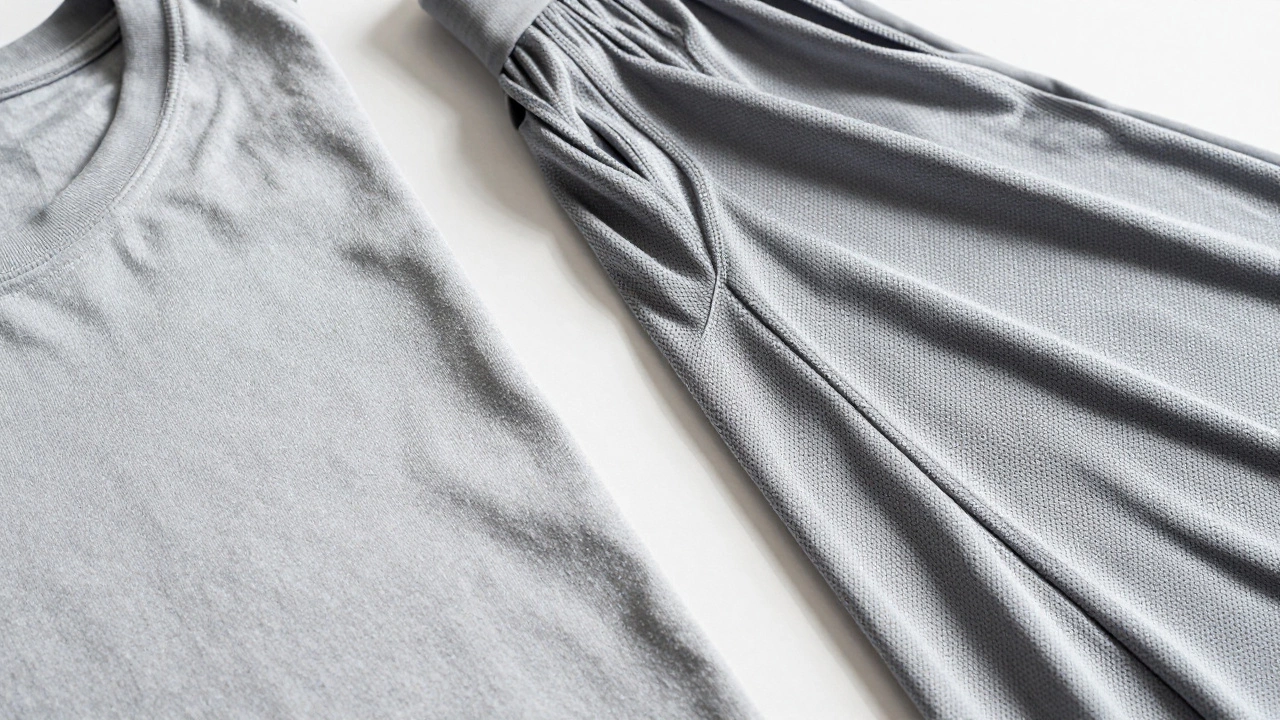
Sportswear Classification Tool
How to use: Select the attributes of your clothing item below to find out which category it falls into and if it's suitable for your activity.
- Sportswear is defined by its function: it's designed to handle sweat, movement, and weather.
- The main difference between activewear and performance gear is the level of technical sophistication.
- Key features include moisture-wicking, four-way stretch, and breathability.
- Athleisure is the fashion-forward cousin of sportswear, meant for style rather than sweat.
The Core Definition of Sportswear
At its heart, Sportswear is clothing specifically designed for physical exercise or sports, prioritizing utility, comfort, and physical performance over aesthetics. While a cotton T-shirt is comfortable, it isn't technically sportswear because it absorbs water and gets heavy when you sweat. True sportswear is built to solve problems: it keeps you cool when you're hot, warm when you're cold, and doesn't rip when you squat.
If you're trying to classify a piece of clothing, ask yourself: "Would this hinder my movement or make me miserable if I started running right now?" If the answer is yes-maybe because the fabric doesn't breathe or the waist is too restrictive-it's likely not sportswear. We categorize these items based on their athletic apparel capabilities, focusing on how the garment interacts with the human body during exertion.
Performance Gear vs. Activewear vs. Athleisure
People often use these terms interchangeably, but in the industry, they mean very different things. If you buy a pair of leggings from a high-end fashion boutique, you're likely buying athleisure. If you buy them from a specialized running store, you're buying performance gear.
| Category | Primary Goal | Key Materials | Best For |
|---|---|---|---|
| Performance Gear | Maximum Efficiency | Compression fabrics, Gore-Tex | Marathons, Pro Sports, Hiking |
| Activewear | General Exercise | Polyester blends, Spandex | Gym, Yoga, Jogging |
| Athleisure | Daily Style | Soft blends, Cotton-Poly | Errands, Coffee Dates, Lounging |
Performance gear is the "gold standard." It often involves Compression Clothing, which is tight-fitting garments designed to support muscles and improve blood flow during intense activity. This isn't just about looks; it's about reducing muscle oscillation and speeding up recovery.
The Essential Sportswear Checklist
What actually makes a garment "sporty"? It comes down to the engineering. When you're looking at a label, there are a few non-negotiables that define sportswear.
- Moisture Management: Does it have Moisture-Wicking properties? This is the process where fabric pulls sweat away from the skin to the outer surface of the garment so it can evaporate. Cotton does the opposite-it holds onto water.
- Elasticity: Look for "four-way stretch." This means the fabric expands both crosswise and lengthwise. Without this, you risk the dreaded "split seam" during a deep squat or a high kick.
- Breathability: This usually comes in the form of mesh panels or perforated fabrics. If you can't feel air moving through the fabric, it's not designed for high-intensity work.
- Durability: Sportswear must withstand friction. Think about the inner thighs of running shorts or the elbows of a cycling jersey.
For example, consider the Dry-Fit technology used by brands like Nike. It's not just a marketing term; it's a specific weave of polyester that creates a capillary action to move liquid. If you're wearing a heavy denim jacket to the gym, you're fighting against the fabric rather than using it as a tool.
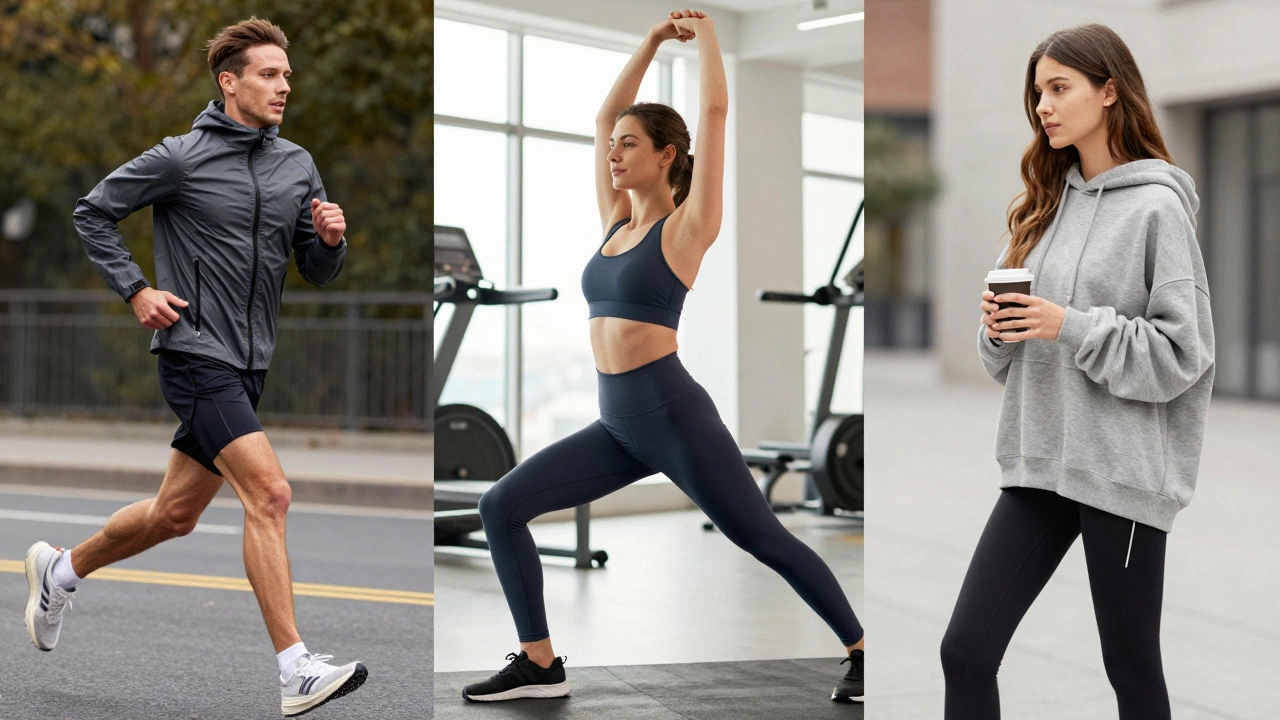
Classifying Sportswear by Activity
Not all sportswear is created equal. What works for a yoga session would be a disaster for a mountain bike trail. To truly understand what counts as sportswear, we have to look at it through the lens of the activity.
High-Impact and Cardio Gear
For running or HIIT, the clothes need to minimize "bounce." This is where high-compression sports bras and tight-fitting leggings come in. The goal is stability. Lightweight, wind-resistant jackets are also key here, especially for outdoor runners who need to protect themselves from wind chill without overheating.
Low-Impact and Flexibility Gear
Yoga and Pilates require a different set of rules. Here, the focus is on "second-skin" feel. Yoga Wear is clothing designed for maximum range of motion, typically featuring high elastane content and seamless construction to prevent chafing during poses. You'll see a lot of buttery-soft fabrics that prioritize comfort and stretch over aggressive compression.
Sport-Specific Equipment Clothing
Then there are the specialized categories. Cycling jerseys are tight to reduce wind drag (aerodynamics) and have rear pockets for gels. Swimwear is a whole different beast, using chlorine-resistant materials and hydrodynamic cuts to reduce drag in the water. Even a specialized football jersey is sportswear, designed to be rip-resistant and breathable despite the heavy layering underneath.
Common Pitfalls: When Clothing Isn't Actually Sportswear
It's easy to be fooled by a logo. Just because a brand known for sports makes a shirt doesn't mean that specific shirt is sportswear. A common mistake is wearing "lifestyle" tees to the gym. These are often 100% cotton. When you sweat, cotton expands and holds onto that moisture, making the shirt heavy, cold, and prone to causing chafing.
Another trap is "fashion leggings." Some leggings look exactly like gym gear but are made from thin rayon or acrylic blends. These lack the opacity needed for squats (the "squat test") and the compression needed to support your muscles. If the fabric feels like a pajama pant, it's loungewear, not sportswear.
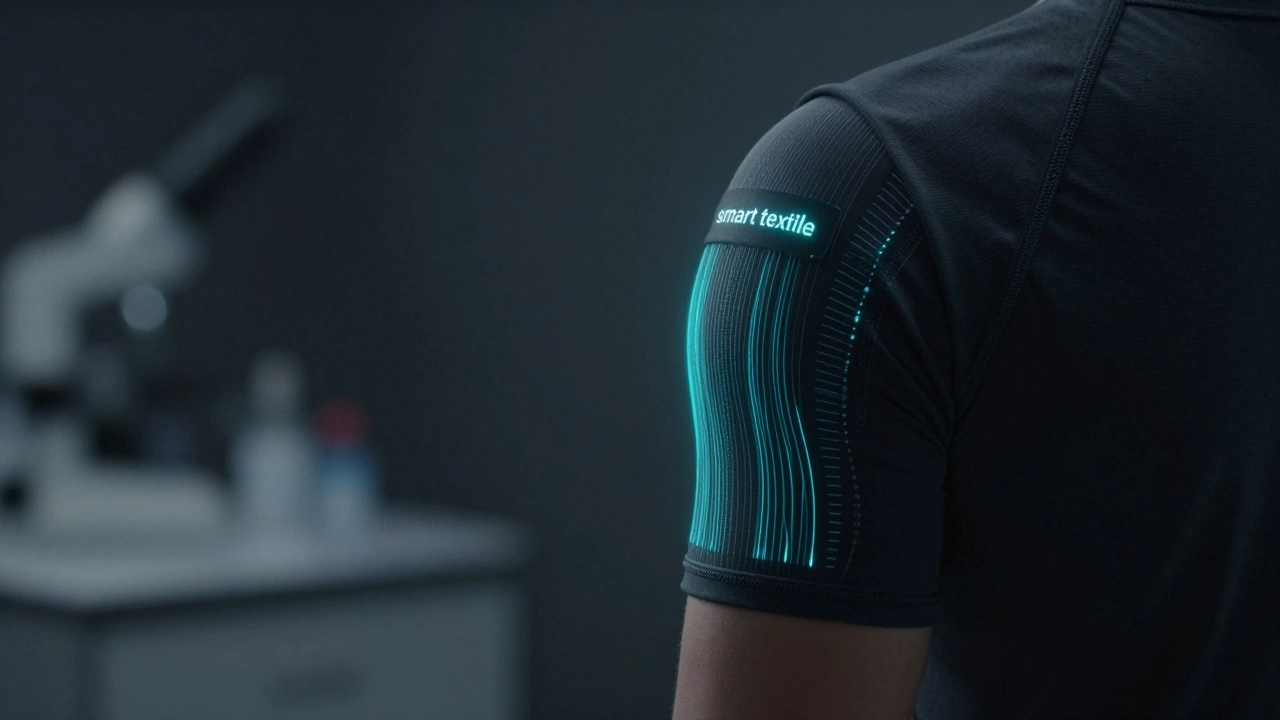
The Future of Athletic Apparel: Smart Fabrics
We are moving into an era where sportswear is becoming more like a piece of technology than a piece of clothing. We're seeing the rise of Smart Textiles, which are fabrics embedded with sensors or conductive yarns that can monitor heart rate, muscle fatigue, or body temperature in real-time.
Imagine a shirt that tells you your form is off during a lift or a jacket that adjusts its porosity based on how much you're sweating. This push toward "biometric clothing" is cementing the definition of sportswear as something that actively assists the athlete, rather than just covering their body.
Is a tracksuit considered sportswear?
Yes, but it depends on the material. A nylon or polyester tracksuit designed for warming up before a game is definitely sportswear. A heavy fleece tracksuit meant for lounging at home is closer to athleisure or loungewear. The key is whether the fabric is designed for athletic utility or just comfort.
Can cotton be part of sportswear?
Generally, no. Pure cotton is avoided in high-performance sportswear because it absorbs moisture and becomes heavy and cold. However, cotton blends (cotton mixed with polyester or spandex) are common in low-impact activewear, like some yoga pants, where comfort is more important than extreme moisture management.
What is the difference between activewear and sportswear?
Sportswear is a broader term that includes everything from professional jerseys to gym shorts. Activewear is a subset specifically focused on clothing worn during active exercise. In modern conversation, they are mostly used interchangeably, though "sportswear" can sometimes refer to a style of casual dress inspired by athletics.
Do sneakers count as sportswear?
Yes, specifically athletic footwear. However, like clothing, there is a difference between a performance running shoe designed with carbon plates and cushioning for impact, and a fashion sneaker designed for aesthetics. True sportswear footwear is engineered for a specific biomechanical movement.
How do I know if my leggings are "squat-proof"?
The easiest way is the squat test: put them on, stand in front of a mirror in a brightly lit room, and do a deep squat. If you can see your skin or underwear through the fabric, the material is too thin or lacks enough density (GSM - grams per square meter) to be considered high-quality sportswear.
Practical Next Steps for Your Wardrobe
If you're upgrading your gear, start by auditing your current clothes. Check the tags. If you see "100% Cotton" on your gym shirts, consider swapping them for polyester or nylon blends to avoid chafing and stay drier. If you're starting a high-impact sport like running, prioritize investment in a high-quality sports bra and proper footwear over expensive branded tees.
For those into yoga or Pilates, look for "seamless" construction. This reduces the number of seams that can dig into your skin during twists and folds. Finally, remember that the best sportswear is the one that disappears-you shouldn't be thinking about your clothes while you're working out; you should be thinking about your movement.