Are Leggings Activewear? Defining the Line Between Gym Gear and Loungewear
Leggings Classification Checker
Not sure if your black leggings are gym-ready or just for the couch? Answer these questions to find out.
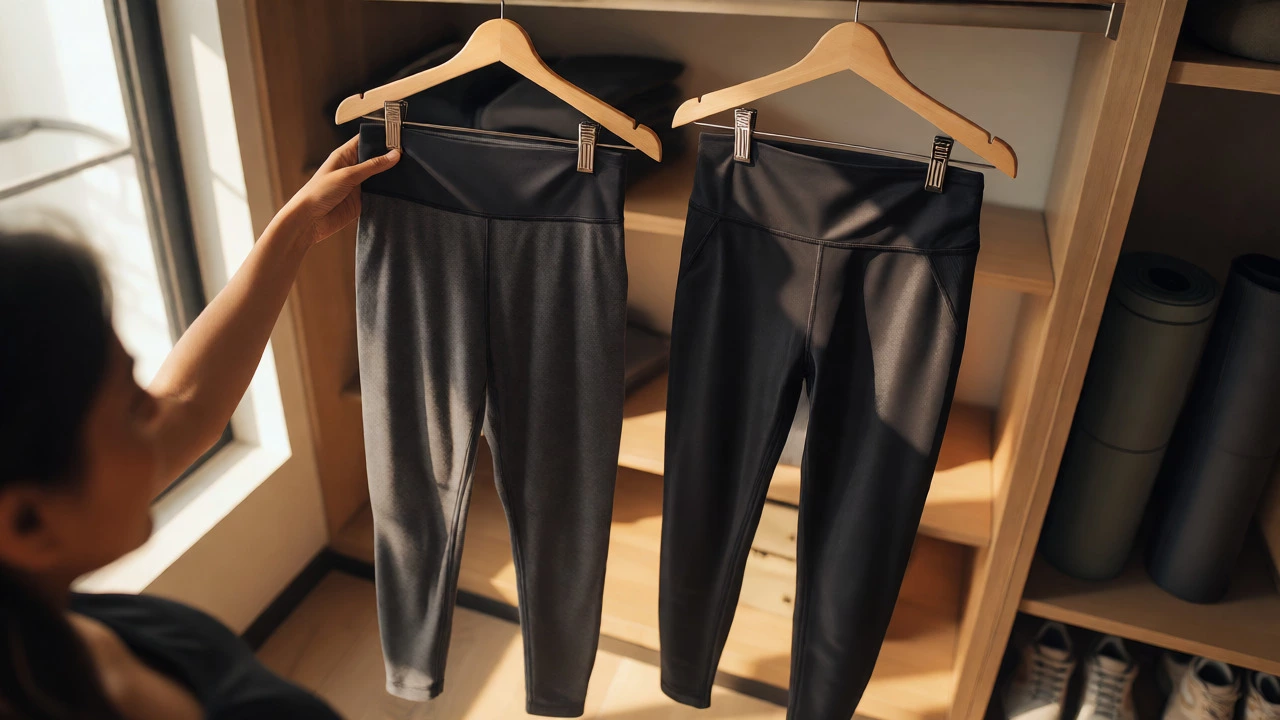
You’re standing in front of your closet, holding a pair of sleek black leggings stretchy, form-fitting pants made from synthetic or blended fabrics designed for comfort and mobility. You’re debating whether to wear them to a high-intensity interval training class or just for a casual coffee run. This isn’t just a style question; it’s a functional one. Are leggings actually considered activewear clothing specifically designed for physical activity, offering features like moisture-wicking, flexibility, and durability, or are they just comfortable pants that happen to look sporty?
The answer isn't a simple yes or no. It depends entirely on what those leggings are made of and how you intend to use them. While the line between workout gear and everyday fashion has blurred significantly since the rise of athleisure a trend where clothing is worn both during exercise and as casual fashion, not all stretchy pants can handle a heavy squat session. Let’s break down exactly when leggings qualify as true athletic equipment and when they’re better suited for the couch.
The Technical Definition of Activewear
To understand if leggings fit the category, we first need to define what makes something "active." Athletic apparel garments engineered to support movement, regulate body temperature, and withstand repetitive stress isn't defined by its shape alone. It’s defined by its engineering. True activewear must perform three specific jobs: manage sweat, allow full range of motion, and resist abrasion.
Most standard leggings fail at least one of these tests. A basic cotton-blend legging might be soft and stretchy, but cotton absorbs moisture rather than wicking it away. After twenty minutes of jogging, you’ll feel damp and cold. That’s not performance; that’s discomfort waiting to happen. Conversely, a pair of leggings made from technical synthetics like polyester or nylon blends often meets every criterion. They dry fast, stretch four ways, and hold their shape after hundreds of washes.
| Feature | Standard/Casual Leggings | Performance Activewear Leggings |
|---|---|---|
| Fabric Composition | Cotton, Rayon, Low-grade Polyester | Nylon, Spandex, Moisture-wicking Polyester |
| Sweat Management | Absorbs sweat (gets heavy/wet) | Wicks sweat (dries quickly) |
| Opacity | Often sheer when stretched | Squat-proof (high density knit) |
| Durability | Pills easily, loses shape | Resists pilling, retains elasticity |
| Best Use Case | Lounging, light walking | Running, HIIT, Yoga, Cycling |
Material Matters More Than Style
If you want to know if your current pair qualifies as gym gear, check the tag. The fiber content tells you everything. Natural fibers like cotton and bamboo are breathable but terrible for high-output activities because they lack structural integrity when wet. Synthetic fibers, however, are the backbone of modern sportswear clothing designed for sports and physical exercise.
Nylon a synthetic polymer known for its strength, elasticity, and resistance to abrasion is widely considered the gold standard for premium leggings. It feels soft against the skin but is incredibly durable. When mixed with Elastane also known as Spandex or Lycra, providing significant stretch and recovery (usually 10-20%), it creates a fabric that moves with you without bagging out at the knees.
Polyester is another common contender. It’s cheaper than nylon and dries even faster, making it ideal for hot yoga or outdoor running in humid climates. However, pure polyester can sometimes trap odors more than nylon. If you see a blend of Nylon, Elastane, and a small percentage of recycled materials, you’re likely looking at legitimate activewear. If you see 95% Cotton and 5% Spandex, you have a cozy loungewear item, not a training tool.
When Leggings Fail the Gym Test
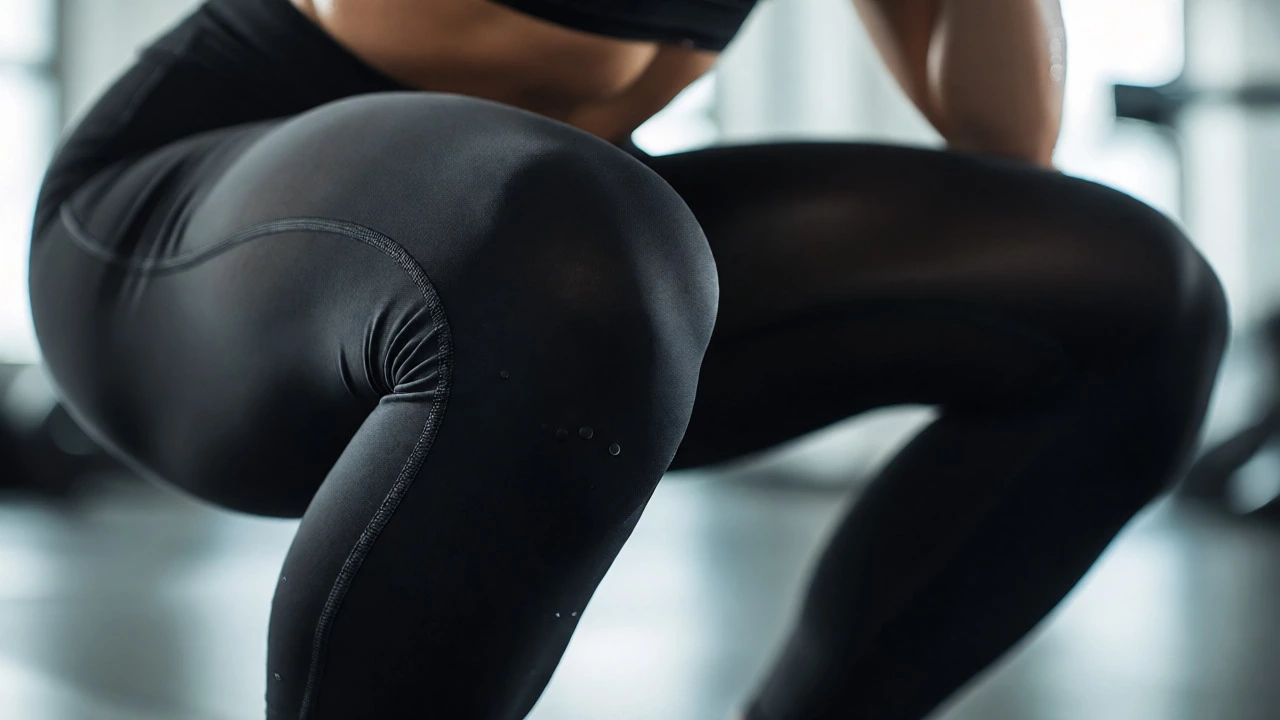
There are specific scenarios where wearing non-performance leggings can actually hinder your workout. The biggest issue is opacity. Have you ever done a deep lunge only to realize your underwear was visible through the fabric? That’s a sign of low GSM (grams per square meter) fabric. High-quality activewear uses dense knits to ensure coverage under tension.
Another failure point is seam construction. Regular leggings often use flat seams that dig into the skin during repetitive movements like cycling or running. True athletic leggings feature bonded seams or gusseted crotches that reduce chafing. If you’re doing anything that involves friction-like using an elliptical machine or hiking uphill-poorly constructed leggings will leave red marks and cause irritation.
Temperature regulation is also key. In winter, thick fleece-lined leggings are great for warmth but can cause overheating indoors. In summer, thin cotton leggings offer little protection from wind or sun while becoming heavy with sweat. Matching the fabric weight to the environment is part of treating leggings as serious gear.
The Athleisure Gray Area
Why do so many people treat all leggings as interchangeable? Because of the Athleisure fashion trend combining athletic clothing with everyday wear boom. Brands realized that consumers wanted one garment that could transition from a Pilates studio to brunch. This created a hybrid category: stylish enough for the street, technical enough for light movement.
This doesn’t mean they aren’t activewear. It means they are multi-purpose. A pair of Lululemon Aligns, for example, are technically activewear because they are made from Nulu fabric, which is soft and stretchy. But are they suitable for CrossFit? Probably not. The fabric is delicate and prone to snagging on barbells. They are perfect for yoga and pilates, where movement is slow and controlled. So, context defines the category.
- High-Impact Activities: Running, Jump Rope, HIIT. Requires compression, high opacity, and secure waistbands.
- Low-Impact Activities: Yoga, Stretching, Walking. Prioritizes comfort, breathability, and unrestricted movement.
- Recovery/Lounge: Post-workout rest. Prioritizes softness and warmth over performance metrics.

How to Spot Quality Activewear Leggings
Next time you shop, ignore the marketing buzzwords like "miracle" or "sculpting." Look for tangible indicators of quality. First, the squat test. Put them on and squat deeply in a fitting room mirror. If you can see skin or underwear, they are not squat-proof. Second, check the waistband. A wide, flat waistband prevents digging and rolling during dynamic movements. Third, look for pockets. While not strictly a performance metric, functional side pockets indicate the design is intended for active use, allowing you to carry keys or phones without a belt.
Compression levels matter too. Light compression supports muscles without restricting blood flow, which is good for endurance. Heavy compression aids in proprioception (body awareness), which helps with stability in weightlifting. If you’re buying for general fitness, medium compression is the safest bet.
Final Verdict: Context Is King
So, are leggings activewear? Yes, but only if they are engineered for movement. A $15 pair of thin, cotton-blend leggings from a fast-fashion retailer is loungewear. A $80 pair of nylon-spandex blends with moisture-wicking technology is activewear. The distinction lies in function, not just form.
Don’t let the label confuse you. If your leggings make you sweat more, show transparency during movement, or lose their shape after one wash, they are failing their job. Upgrade to technical fabrics if you take your workouts seriously. Your knees-and your confidence-will thank you.
Can I wear regular leggings to the gym?
You can physically wear them, but they may not perform well. Regular cotton or rayon leggings absorb sweat, become heavy, and may become sheer during exercises like squats. For light stretching or walking, they are fine. For intense cardio or weightlifting, stick to technical synthetic blends designed for moisture management and opacity.
What fabric is best for activewear leggings?
Nylon blended with Elastane (Spandex) is generally considered the highest quality for activewear due to its durability, softness, and excellent stretch recovery. Polyester blends are also effective, especially for their quick-drying properties and lower cost, though they may retain odors more than nylon.
Do leggings count as sportswear?
Leggings are a subset of sportswear when they possess functional attributes such as moisture-wicking capabilities, four-way stretch, and reinforced stitching. If they lack these features and are primarily designed for comfort and aesthetics, they fall under casualwear or athleisure rather than strict sportswear.
How do I know if my leggings are squat-proof?
Perform a deep squat in a well-lit area while facing a mirror. If the fabric becomes translucent or reveals the color of your underwear, they are not squat-proof. Squat-proof leggings typically have a higher GSM (fabric density) and are made from thicker, opaque technical fabrics.
Is there a difference between yoga pants and leggings?
Yes. Traditional yoga pants often have a flared bottom and a wider waistband, prioritizing ease of movement and comfort. Leggings are tight-fitting from hip to ankle. While many modern brands blur this line, true yoga pants are often made from softer, less compressive fabrics, whereas performance leggings offer more muscle support and aerodynamics.