What Is the Softest Leather for Shoes? A Guide to Comfortable Materials
Softest Leather Finder
Have you ever put on a new pair of shoes and felt like you were walking on clouds? Or have you suffered through blisters because the material was stiff as a board? The difference often comes down to one thing: the type of leather used. Not all leather is created equal. Some hides are tough and durable, perfect for work boots, while others are incredibly pliable and gentle on your feet. If you are looking for maximum comfort without sacrificing style, understanding which leather is the softest is key.
Finding the right shoe isn't just about looks; it's about how the material feels against your skin and how it moves with your foot. In this guide, we will break down the top contenders for the title of 'softest leather,' explain why they feel the way they do, and help you decide which one fits your lifestyle. Whether you need dress shoes for the office or casual loafers for the weekend, there is a leather type designed for comfort.
The Gold Standard: Calfskin Leather
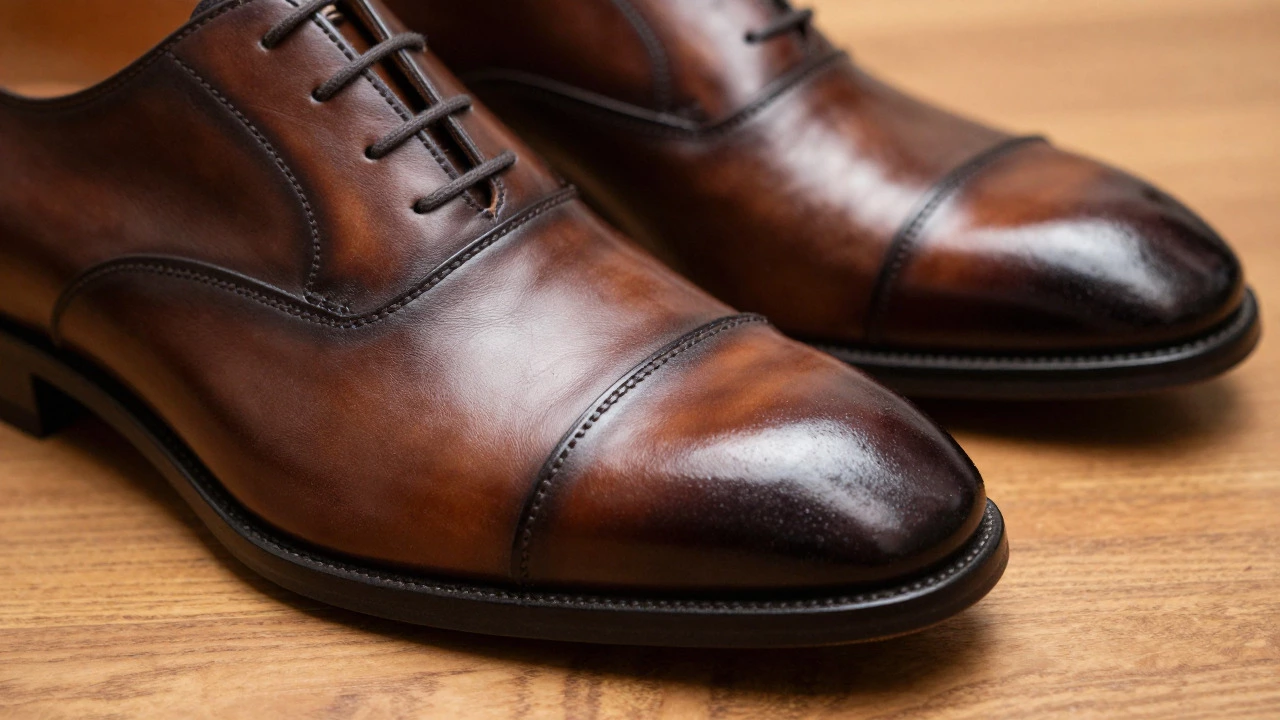
When people talk about high-quality, comfortable dress shoes, calfskin is usually the first name that comes up. It is widely considered the best balance between softness, durability, and appearance. Calfskin comes from young cattle, which means the fibers in the hide are tighter and finer than those of adult cows. This results in a smoother surface and a more supple feel right out of the box.
Calfskin is known for its fine grain and natural flexibility. It molds to the shape of your foot over time, providing a custom fit that reduces pressure points. Unlike stiffer leathers, calfskin requires minimal break-in period. You might feel some slight resistance during the first few wears, but it quickly adapts to your stride. This makes it an excellent choice for business professionals who are on their feet all day.
One reason calfskin remains popular is its versatility. It takes dye beautifully, allowing for rich, deep colors that don't fade easily. It also polishes well, giving that classic shine expected in formal settings. However, because it is softer, it can be more prone to scuffs and scratches compared to thicker leathers. If you live in a city with rough sidewalks, you might need to be a bit more careful with maintenance.
The Luxury Choice: Sheepskin and Lambskin
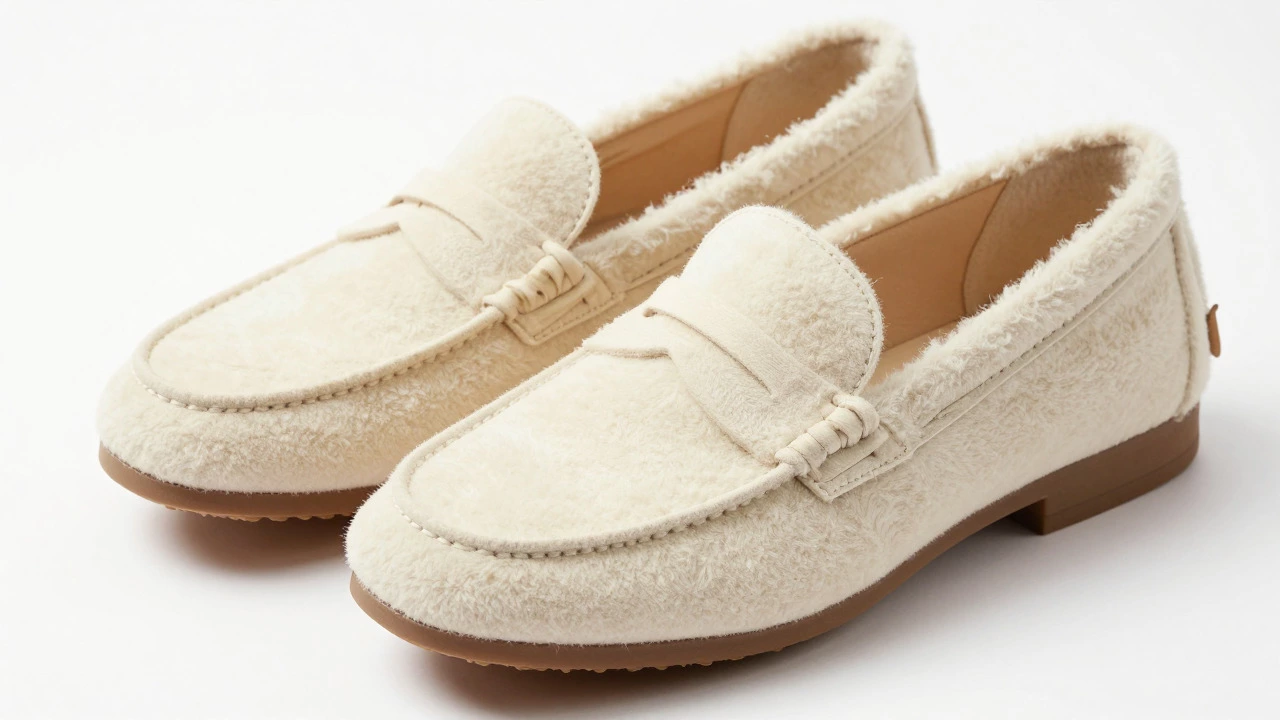
If you want something even softer than calfskin, look no further than sheepskin or lambskin. These materials are often described as buttery soft. They are significantly lighter and more flexible than cowhide, making them ideal for delicate footwear like ballet flats, elegant pumps, or lightweight loafers. The texture is incredibly smooth, almost resembling fabric rather than traditional leather.
Sheepskin has a unique structure. The outer layer is thin and pliable, while the inner side often retains some wool, adding insulation. Even when processed into smooth leather, the inherent softness remains. Lambskin is similar but tends to be even finer due to the younger age of the animal at harvest. Both materials offer immediate comfort, meaning you rarely have to worry about a painful break-in period.
However, there is a trade-off. Sheepskin and lambskin are not as durable as calfskin or cowhide. They are more susceptible to tearing, puncturing, and water damage. A heavy rainstorm or a sharp rock could ruin a pair of lambskin shoes quickly. Because of this fragility, these leathers are best reserved for special occasions or indoor wear where the risk of damage is low. They are luxury items that prioritize feel over ruggedness.
The Casual Favorite: Suede
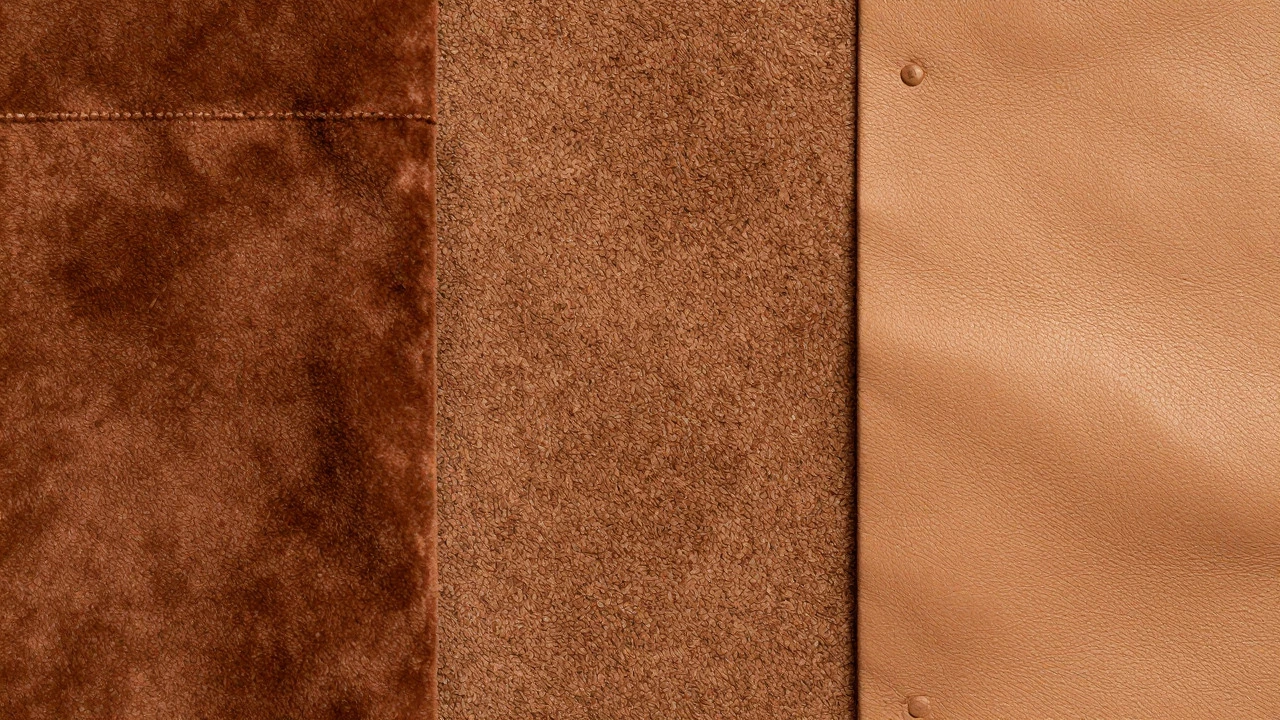
Suede is not a different type of animal hide; it is a finish applied to leather, typically from lamb, calf, or goat. The process involves buffing the inner side of the hide to create a velvety nap. This makes suede exceptionally soft and flexible. It bends easily with every step, conforming to your foot's movements without resistance. For many people, suede offers the most comfortable experience for casual footwear like chukka boots, moccasins, and sneakers.
Suede provides a relaxed, matte aesthetic that pairs well with informal outfits. Its breathability is another major plus. The porous nature of the napped surface allows air to circulate, keeping your feet cooler in warm weather. This makes it a great option for spring and summer months. The tactile sensation of suede is distinctively cozy, offering a gentle touch that smooth leathers sometimes lack.
The downside of suede is its sensitivity to moisture and stains. Water leaves dark spots that can be difficult to remove, and dirt gets trapped in the nap. You will need to invest in quality suede protectors and cleaning kits to maintain their appearance. Despite the upkeep, the comfort level of suede is hard to beat for everyday casual wear. If you prioritize ease of movement and a laid-back look, suede is a top contender.
Nubuck: The Rugged Yet Soft Option
Nubuck is often confused with suede, but there is a key difference. Nubuck is made by sanding the outer side of the hide (usually cowhide), creating a short, velvety pile. Because it starts with a thicker, more durable hide, nubuck is stronger than suede while still maintaining a soft hand-feel. It offers a middle ground: the comfort of a brushed surface with the resilience of full-grain leather.
Nubuck shoes tend to develop a rich patina over time, changing color slightly as they age. This adds character and uniqueness to each pair. They are softer than standard polished leather but tougher than suede. This makes them suitable for outdoor activities or daily commuting where you need a bit more protection. Brands often use nubuck for heritage-style boots and jackets because it combines vintage aesthetics with practical durability.
Like suede, nubuck requires care. It repels water less effectively than smooth leather and can show stains easily. Regular brushing helps maintain the nap and prevent matting. If you want the softness of suede but plan to wear your shoes in varied conditions, nubuck is a smarter investment. It withstands wear and tear better while still feeling gentle on your feet.
Kangaroo Leather: The Performance Pick
You might not see kangaroo leather in every department store, but it is highly prized in specific niches, particularly boxing gloves and high-end motorcycle gear. Why? Because it is incredibly strong for its weight and extremely soft. Kangaroo skin has a unique fiber structure that makes it more flexible than cowhide yet stronger per square inch. This combination results in a material that feels light and airy but lasts a long time.
In the world of footwear, kangaroo leather is sometimes used in premium running shoes or specialized athletic footwear. It molds to the foot instantly, reducing friction and hot spots. Athletes appreciate it because it minimizes fatigue during long sessions. For regular consumers, finding kangaroo leather shoes can be challenging and expensive. However, if you come across a pair, know that you are getting one of the softest and most durable leathers available.
The cost is the main barrier. Processing kangaroo hides is complex, and supply is limited. Additionally, ethical considerations vary by region, so checking sourcing practices is important. But purely from a performance and comfort standpoint, kangaroo leather stands out. It challenges the notion that soft leather must be fragile.
Comparison of Soft Leather Types
To help you visualize the differences, here is a breakdown of how these materials compare in terms of softness, durability, and best use cases.
| Leather Type | Softness Level | Durability | Best For | Maintenance Needs |
|---|---|---|---|---|
| Calfskin | High | Medium-High | Dress shoes, Oxfords | Polishing, conditioning |
| Sheepskin/Lambskin | Very High | Low-Medium | Loafers, flats, special occasions | Protective sprays, gentle cleaning |
| Suede | High | Medium | Casual boots, moccasins | Brushing, stain guard |
| Nubuck | Medium-High | High | Heritage boots, outdoor casual | Brushing, waterproofing |
| Kangaroo | Very High | Very High | Athletic, performance footwear | Minimal, occasional conditioning |
Factors Beyond Leather: Construction Matters
Even the softest leather won't save you if the shoe is poorly constructed. The way a shoe is built plays a huge role in its overall comfort. Look for features like padded collars, cushioned insoles, and flexible soles. A Goodyear welt construction, for example, allows for resoling and often includes a cork midsole that molds to your foot over time, enhancing comfort.
Also, consider the lining. Many high-quality shoes use leather linings that breathe and wick away moisture. Synthetic linings can trap sweat, leading to discomfort and odor, regardless of how soft the outer leather is. When shopping, check the inside of the shoe. A smooth, seamless interior prevents rubbing and blisters.
Fit is another critical factor. No amount of soft leather can compensate for a shoe that is too tight or too loose. Always try shoes on later in the day when your feet are slightly swollen, mimicking the end of a long day. Walk around the store. Pay attention to any pinching or slipping. Remember, comfort is subjective. What feels soft to one person might feel flimsy to another.
Caring for Soft Leathers
Soft leathers require a bit more TLC than their rugged counterparts. Here are some essential tips to keep your comfortable shoes looking and feeling great:
- Condition Regularly: Use a high-quality leather conditioner every few months to keep the material supple. Dry leather cracks and loses its softness.
- Protect from Water: Apply a waterproofing spray suitable for the specific leather type. Test it on a small area first to ensure it doesn't discolor the material.
- Use Shoe Trees: Insert cedar shoe trees after wearing to absorb moisture and maintain shape. This prevents creases from becoming permanent and damaging the leather fibers.
- Avoid Consecutive Days: Give your shoes a rest between wears. Leather needs time to dry out and recover its shape. Rotating pairs extends their lifespan significantly.
- Clean Gently: For suede and nubuck, use a specialized brush. For smooth leathers, a damp cloth and mild soap work well. Avoid harsh chemicals that can strip natural oils.
Choosing the Right Leather for Your Lifestyle
Your daily routine should dictate your choice. If you spend most of your time in an office, calfskin dress shoes offer professionalism and comfort. If you live in a rainy climate like Vancouver, you might lean towards nubuck or treated calfskin, avoiding suede unless you're diligent with protectants. For weekend outings, suede or sheepskin loafers provide easygoing style and immediate comfort.
Budget also plays a role. Sheepskin and kangaroo leather can be pricey. Calfskin offers a good balance of cost and quality. Suede is often more affordable, though high-end versions exist. Don't skimp on fit, though. A cheaper pair that hurts your feet is a waste of money.
Ultimately, the "softest" leather is the one that feels right for your foot. Visit a store, try on multiple types, and trust your senses. Comfort is personal, and the best shoe is the one you forget you're wearing because it feels like a second skin.
Is calfskin leather softer than cowhide?
Yes, calfskin is generally softer and more supple than cowhide. Because it comes from younger animals, the fibers are finer and less dense, resulting in a smoother texture and greater flexibility. Cowhide is thicker and more durable but requires a longer break-in period.
Which leather is best for sensitive feet?
For sensitive feet, sheepskin or lambskin is often the best choice due to its extreme softness and lack of rigid structure. Suede is also a good option because it conforms easily to foot shapes. Avoid stiff, untreated cowhide if you are prone to blisters.
Does soft leather last as long as hard leather?
Not necessarily. Softer leathers like sheepskin and suede are more prone to tears, scuffs, and water damage. However, kangaroo leather is an exception, offering both softness and high durability. Calfskin provides a good middle ground with decent longevity and comfort.
How do I make stiff leather shoes softer?
You can soften stiff leather by wearing thick socks and using a hairdryer to warm the tight areas, then flexing your feet. Applying a leather conditioner or oil can also help relax the fibers. Breaking them in gradually over several days is the safest method to avoid damage.
Is suede easier to clean than smooth leather?
No, suede is generally harder to clean. It attracts dirt and stains easily, and water marks are difficult to remove. Smooth leather can often be wiped clean with a damp cloth. Suede requires specialized brushes and erasers, and preventive waterproofing is crucial.