What Is the Most Worn Shoe Type? The Dominance of Trainers
Trainer Wearability & Sustainability Calculator
Based on the article's insights regarding trainer dominance, this tool helps you optimize your shoe rotation for maximum comfort and minimum environmental footprint.
Your Current Habits
Analysis Results
Estimated Annual Impact
- Est. Lifespan per Pair: -- months
- Pairs Replaced/Yr: --
- Eco-Rating: Calculating...
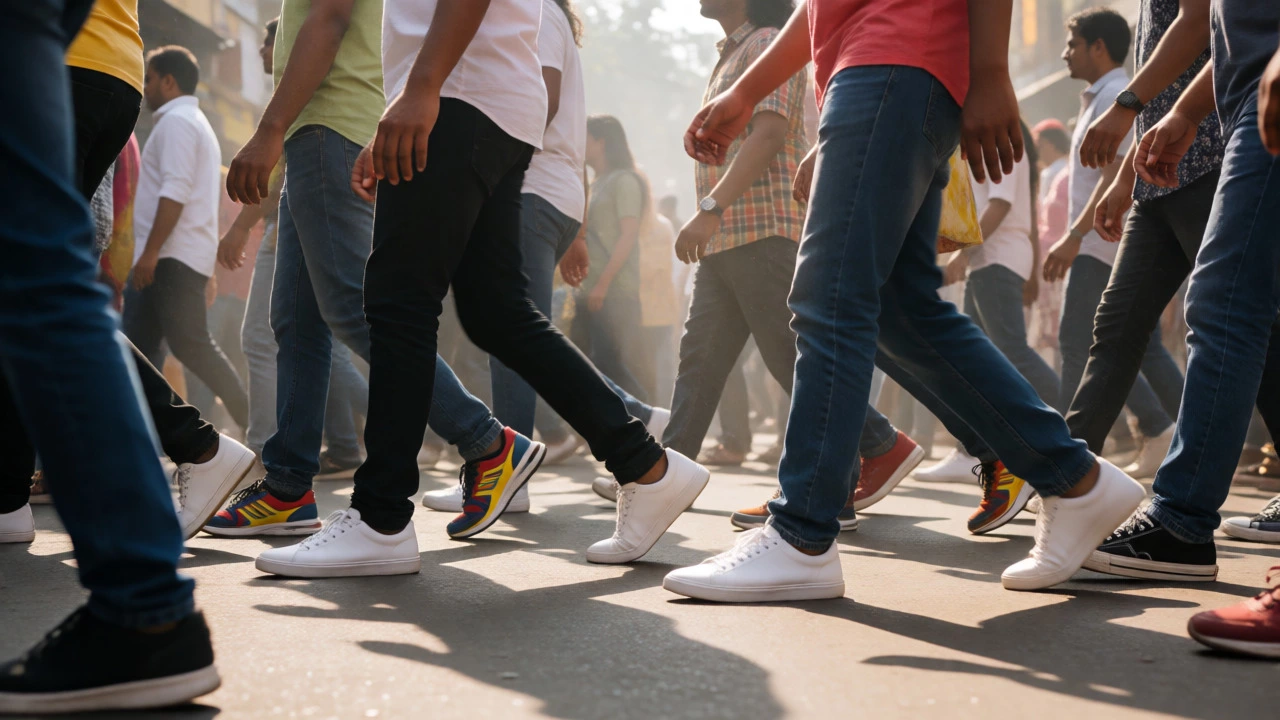
You look down at your feet right now. What are you wearing? If you’re like roughly 70% of the global population in urban areas, you’re likely wearing trainers, also known as sneakers. This isn’t just a hunch; it’s a statistical reality driven by comfort, versatility, and a cultural shift that has lasted for decades.
The question "what is the most worn shoe type?" seems simple, but the answer reveals how we live, work, and move. While dress shoes, sandals, and boots have their place, trainers have conquered the world. They’ve moved from the gym to the office, from the street to the runway. But why did this specific category win? And does "most worn" mean the same thing everywhere?
Why Trainers Won the Global Footwear War
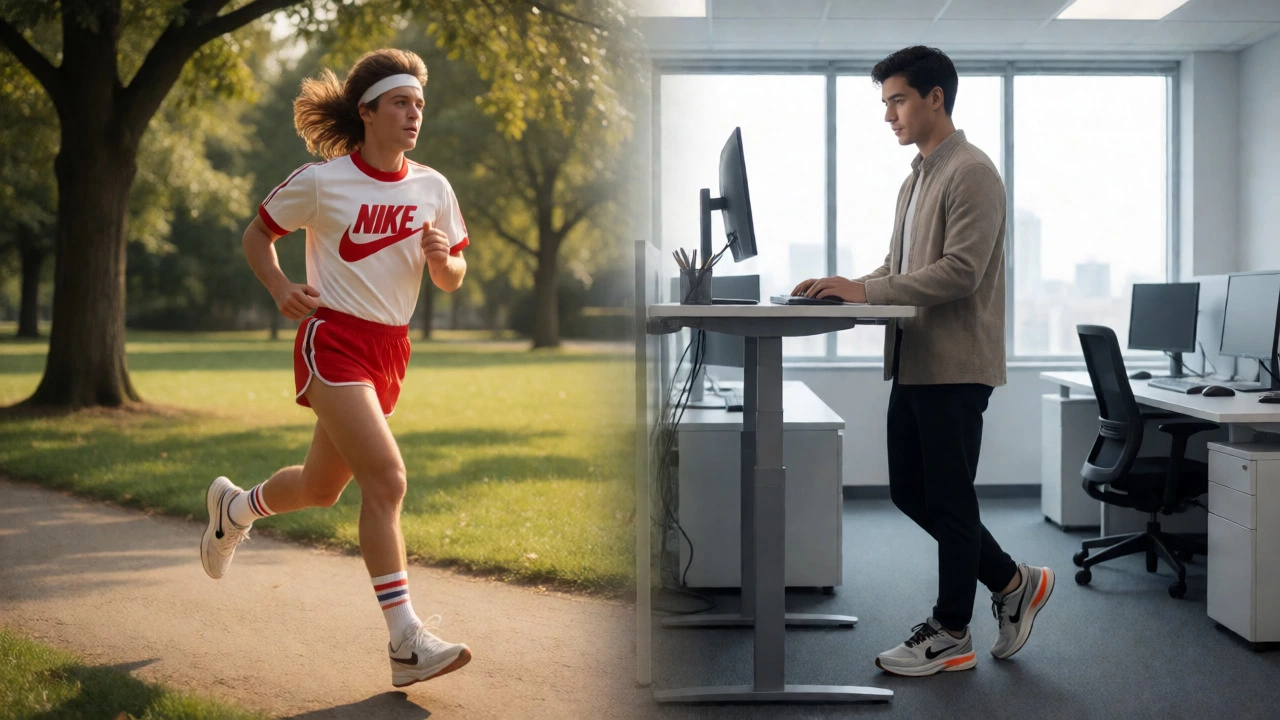
It wasn’t an overnight success. The rise of trainers is tied to three major shifts: health consciousness, remote work, and fashion democratization. In the 1970s and 80s, jogging became a mainstream hobby. Suddenly, everyone needed a shoe designed for impact absorption rather than just protection. Nike and Adidas capitalized on this, turning functional gear into lifestyle statements.
Then came the tech boom. Silicon Valley culture rejected suits and ties. Hoodies and trainers became the uniform of innovation. This aesthetic spread globally. Today, even in conservative industries, the definition of "business casual" has expanded to include clean, minimalist sneakers. You can wear them to a meeting, then straight to the grocery store, and no one bats an eye.
Comfort is the other killer feature. Modern trainers use advanced foams like EVA (Ethylene-vinyl acetate) or proprietary blends like Nike Air or Adidas Boost. These materials reduce fatigue during long days of standing or walking. Compare that to leather oxfords, which require breaking in and offer little shock absorption. For a world where people walk more than ever, trainers are simply the logical choice.
Regional Differences: Where Do People Wear Shoes Most?
While trainers dominate globally, the "most worn" status varies by region due to climate and culture. In North America and Europe, trainers are ubiquitous. However, in parts of Asia and the Middle East, traditional footwear still holds significant ground.
In countries like Japan, school uniforms often mandate loafers, keeping formal shoes in high rotation for students. Meanwhile, in warmer climates like Southeast Asia, flip-flops and sandals see higher daily usage rates due to heat and humidity. Yet, even there, urban youth heavily favor branded sneakers as status symbols.
Let’s look at the data trends from recent years:
| Region | Dominant Shoe Type | Secondary Popular Type | Key Driver |
|---|---|---|---|
| North America | Trainers/Sneakers | Boots | Casual workplace norms |
| Europe | Trainers/Sneakers | Loafers/Dress Shoes | Fashion integration |
| Asia-Pacific | Trainers/Sneakers | Sandals/Flip-flops | Status & Climate |
| Middle East | Sandals/Traditional | Trainers/Sneakers | Climate & Tradition |
Notice a pattern? Trainers are top-tier in every region listed. Even where they aren't number one, they are almost always second. This consistency proves their universal appeal.
Defining "Most Worn": Sales vs. Ownership
We need to clarify what "most worn" actually means. Does it refer to the shoe type sold the most annually, or the type people own the most pairs of? Interestingly, both metrics point to trainers, but for different reasons.
In terms of sales volume, athletic footwear consistently outperforms other categories. According to industry reports from firms like NPD Group (now Circana), athletic shoes account for over half of all footwear sales in the US. This includes running shoes, basketball shoes, and lifestyle sneakers. People buy new trainers frequently because they wear out faster than leather shoes and because fashion cycles drive constant updates.
In terms of ownership, surveys show that the average adult owns between 5 and 10 pairs of shoes. Of those, typically 3 to 5 are trainers. Why? Because they serve multiple purposes. One pair might be for working out, another for casual outings, and a third for travel. Dress shoes, by contrast, are niche. You might own one nice pair for weddings and interviews, but you won’t wear them Tuesday afternoon for coffee.
The Evolution of the Trainer: From Gym to Street
Not all trainers are created equal. The category has split into distinct sub-types, each with its own level of "worn-ness." Understanding these helps you grasp why the overall category dominates.
- Lifestyle Sneakers: Think Converse Chuck Taylors or Vans Old Skool. These are worn daily for style. They rarely see actual athletic use but rack up miles on sidewalks.
- Performance Runners: Brands like Hoka or Brooks focus here. These are worn specifically for exercise, but many people now wear them casually for comfort.
- Hypebeast Collectibles: Limited edition Jordans or Yeezys. Some owners barely wear these, treating them as assets. However, the sheer volume of production makes them common sights.
The blurring lines between these types fuel the dominance. A person might buy a $200 pair of runners and wear them to the office. That single purchase counts as a "worn" trainer in both fitness and professional contexts. This dual-purpose utility is unmatched by any other shoe type.
Environmental and Economic Factors
Why do trainers remain the most worn despite criticism about sustainability? Cost and accessibility play huge roles. Mass production has made decent trainers affordable worldwide. You can find a reliable pair for under $50. Try finding quality leather boots for that price, and you’ll struggle.
However, this affordability comes with environmental costs. Most trainers are made from synthetic materials like polyester and rubber, which don’t biodegrade easily. The circular economy is trying to catch up, with brands launching recycling programs. Still, the convenience factor keeps consumers buying new pairs rather than repairing old ones.
Economically, the trainer market is resilient. During recessions, people delay luxury purchases but still need comfortable footwear. Trainers fill that gap. They are seen as essential, not just discretionary. This resilience ensures they stay at the top of the wearability charts year after year.
How to Choose Your Most-Worn Pair Wisely
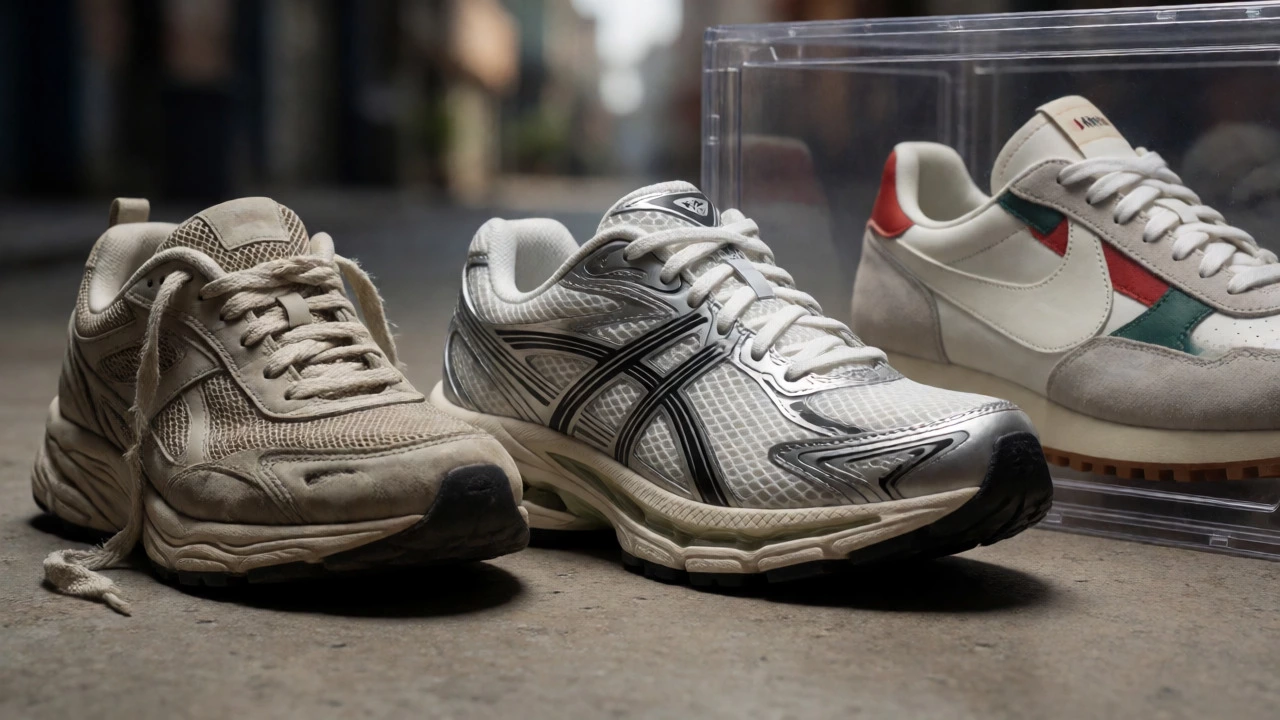
If you want to join the majority and maximize comfort, choosing the right trainer matters. Not all sneakers provide equal support. Here’s a quick guide to picking a pair you’ll actually wear daily:
- Prioritize Arch Support: Flat soles look cool but cause foot pain over time. Look for structured midsoles if you stand all day.
- Consider Breathability: Mesh uppers keep feet dry. Leather looks premium but traps heat, making it less ideal for all-day wear in summer.
- Match the Surface: If you walk on concrete mostly, get cushioned heels. If you hike trails, you need grip and ankle stability.
- Rotate Your Pairs: Wearing the same trainers two days in a row breaks down the foam faster. Rotating extends their life, meaning you replace them less often.
By following these steps, you ensure your most-worn shoe type remains your favorite. Comfort drives loyalty. If your shoes hurt, you’ll switch to sandals or barefoot, regardless of trends.
The Future of Footwear: Will Trainers Stay King?
Is there a threat to the trainer’s throne? Possibly. Barefoot shoes and minimalist footwear have gained traction among health enthusiasts. Also, smart shoes with embedded sensors are emerging. But these remain niche markets.
Another contender is the hybrid shoe-part boot, part sneaker. Brands like Allbirds or Rothy’s blend sustainable materials with sneaker aesthetics. These are gaining popularity, especially among eco-conscious buyers. Yet, they are still technically categorized under the broader umbrella of casual footwear or trainers.
For the foreseeable future, trainers will remain the most worn shoe type globally. Their combination of comfort, cultural acceptance, and affordability creates a moat that other categories can’t cross. Unless society suddenly demands strict formal dress codes again, the sneaker era continues.
Are sandals more worn than trainers in hot climates?
In some hot regions, yes. Sandals and flip-flops are practical for extreme heat and humidity. However, even in these areas, trainers are increasingly popular among younger demographics for social and professional settings, making trainers the dominant type globally when aggregated.
Why are trainers considered more versatile than dress shoes?
Trainers bridge the gap between formal and informal. Modern designs are sleek enough for offices yet durable enough for weekend activities. Dress shoes are strictly limited to formal or business contexts, reducing their daily utility.
Do expensive trainers last longer than cheap ones?
Not necessarily. Price often reflects brand value or technology, not durability. Cheap canvas trainers can last years with proper care, while high-end performance shoes may degrade quickly due to lightweight materials. Check reviews for durability rather than relying on price tags.
What is the difference between trainers and sneakers?
There is no functional difference. "Trainers" is the common term in the UK, Australia, and Canada. "Sneakers" is used primarily in the US. Both refer to athletic-style footwear designed for comfort and casual wear.
How many pairs of trainers should I own?
For most people, three pairs are sufficient: one for athletic activity, one for casual daily wear, and one for nicer occasions. This rotation allows each pair to rest and maintain shape, extending their lifespan.