Should You Keep a Suit in a Bag? The Truth About Suit Care
Suit Storage & Packing Advisor
Risk Factors
Packing Instructions
Post-Trip Care
Select your scenario options to receive tailored advice on how to protect your suit.
You just bought a sharp new suit and you are wondering if it is okay to shove it into your gym bag or that old duffel you use for weekends. Or maybe you are packing for a conference and debating whether to hang it up or fold it. Here is the short answer: Yes, you can keep a suit in a bag, but only under specific conditions. If you treat your suit like a t-shirt, you will pay for it with dry cleaning bills and permanent creases. If you respect the fabric, a bag is actually one of the best ways to protect it from dust, moths, and sunlight.
Most men think suits need to live on hangers 24/7. That is true for long-term storage at home, sure. But life happens. You travel. You move apartments. You have limited closet space. The question isn't really "can I put it in a bag?" It's "how do I pack it so it doesn't look like I slept in a laundry hamper?" Let's break down exactly when a bag works, which bags are worth buying, and how to pack without ruining the shoulder pads.
The Real Risks of Improper Suit Storage
Suits aren't made of cotton jersey. They are structured garments. The magic of a well-fitted suit comes from the canvas (the inner layer between the outer fabric and the lining) and the padding in the shoulders. When you crush these elements incorrectly, two things happen. First, the fibers get stressed. Wool, for example, has natural elasticity, but constant pressure in the wrong direction breaks the weave. Second, the shape collapses. Once those shoulder pads lose their curve, no amount of steaming will bring them back to factory condition.
Dust is another silent killer. If you throw a suit in a plastic dry-cleaning bag and leave it in a closet for six months, moisture gets trapped. This leads to yellowing, especially on lighter fabrics like cream or light grey. Moths love dark, undisturbed spaces. A cheap, breathable cloth bag is your first line of defense against these pests. Plastic bags? They are temporary. Never store a suit in plastic for more than a few weeks unless you want to risk mildew.
Choosing the Right Type of Bag
Not all bags are created equal. If you are serious about keeping your suit crisp, you need to match the bag to the duration of storage and the type of transport.
| Bag Type | Best For | Protection Level | Risk Factor |
|---|---|---|---|
| Garment Bag | Air travel, car trips, short-term home storage | High (prevents major folds) | Low if hung properly; high if folded inside |
| Duffel/Weekender | Casual travel, weekend trips | Medium (requires careful folding) | High (wrinkles, crushed shoulders) |
| Suitcase (Hard Shell) | Checked luggage, long-haul flights | Medium-High (rigid structure helps) | Medium (compression wrinkles) |
| Cotton Dust Cover | Long-term closet storage | High (breathable, moth-proof) | Low (only protects against dust/moths) |
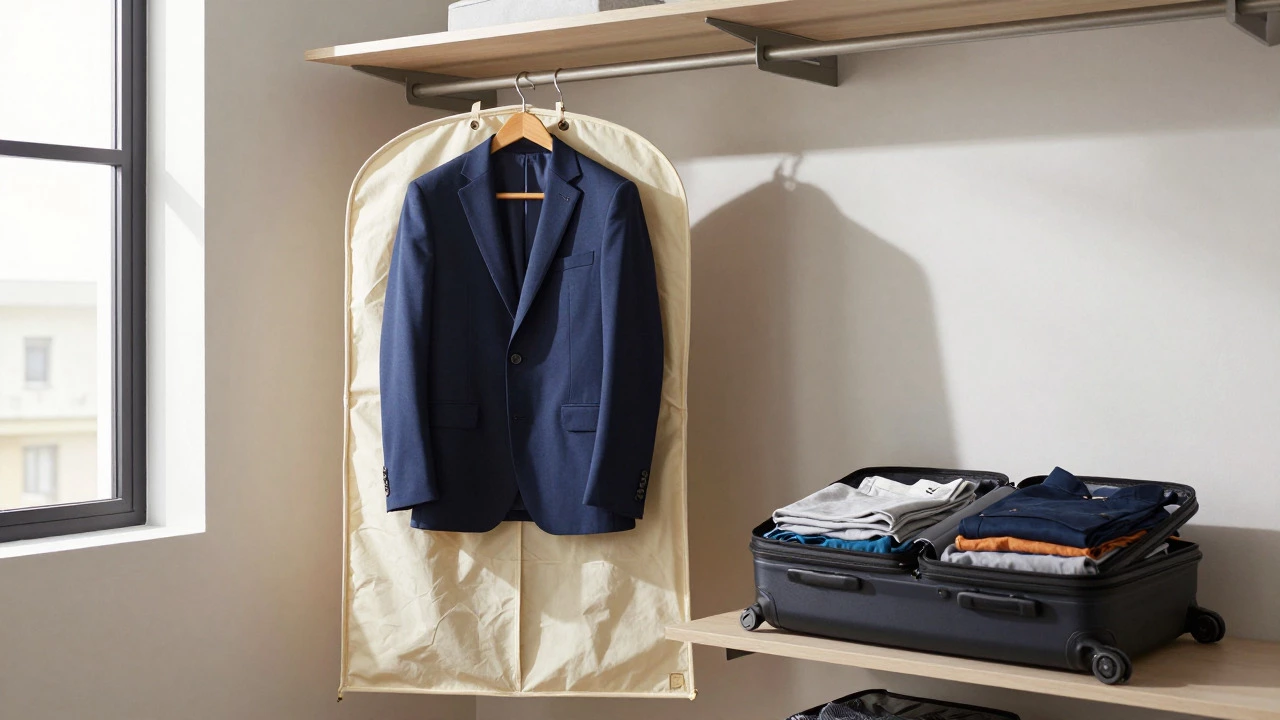
Garment bags are the gold standard for travel. Look for ones with wide gussets (the side panels). Cheap bags are narrow, forcing you to fold the sleeves inward tightly. This creates permanent crease lines right where the sleeve meets the body. A good garment bag allows the jacket to hang naturally. Some even have clear windows so you can see what is inside without unzipping, which reduces handling.
If you must use a suitcase, avoid overpacking. Suits hate compression. If you stuff a suit between jeans and heavy sweaters, the weight will press the fabric flat. Instead, place the suit on top of everything else, or lay it flat along the length of the suitcase if possible. Hard-shell cases offer better protection against crushing than soft-sided duffels.
How to Pack a Suit Without Ruining It
Folding a suit is an art form. Do not just crumple it. Follow this method to minimize damage:
- Button the jacket. This keeps the front aligned and prevents the lapels from splaying out weirdly.
- Turn the jacket inside out carefully. Only turn the sleeves inside out, not the whole body. This protects the outer fabric from rubbing against other clothes.
- Fold in half vertically. Fold one shoulder into the other. Smooth out any air pockets as you go. Air bubbles create wrinkles.
- Lay it flat in the bag. Place the folded jacket on top of your other packed items. Do not put anything heavy on top of it.
- Pack trousers separately. Fold trousers along the crease line. Roll them gently if you have space, or fold them once horizontally. Never fold them into quarters; that creates deep, stubborn lines.
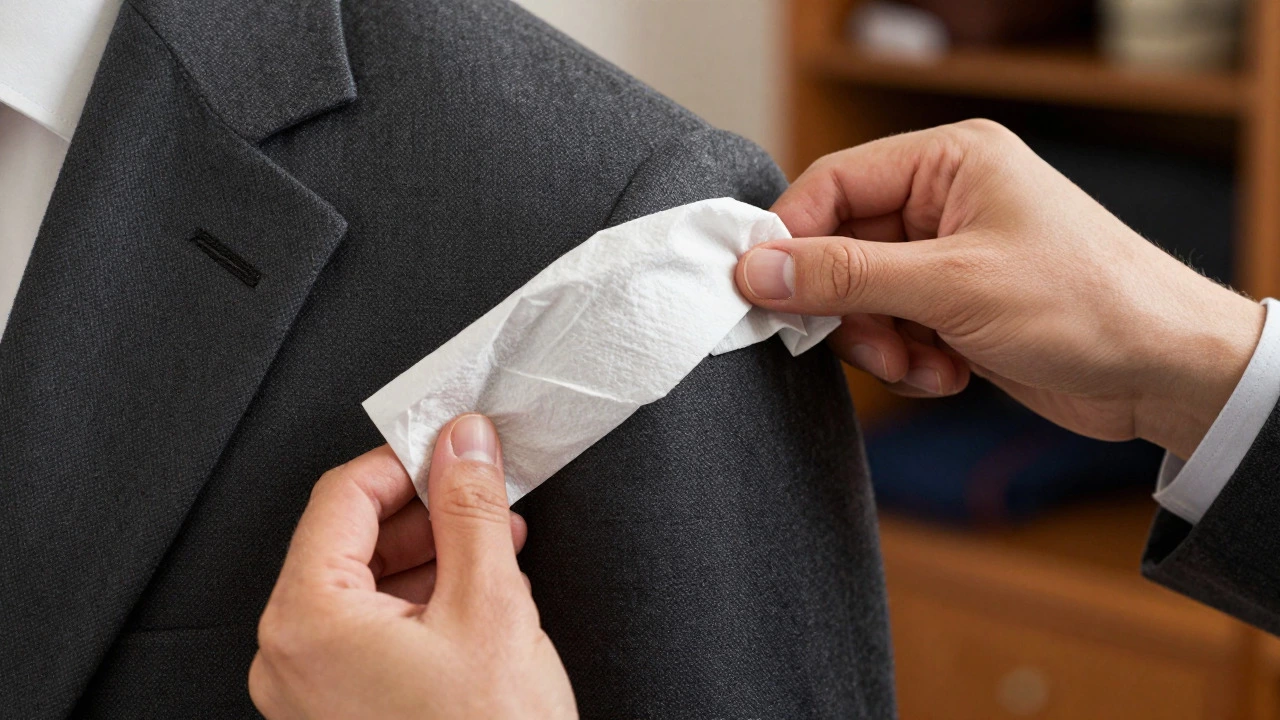
Pro tip: Use tissue paper. Crumple some acid-free tissue paper and stuff it into the shoulders of the jacket before folding. This supports the structure and absorbs minor shocks. It sounds fancy, but it costs pennies and saves hundreds in tailoring repairs later.
When to Hang vs. When to Bag
Here is a simple rule of thumb: If the suit is going to be stored for less than 48 hours, hanging it is usually fine. If it is going into a bag for travel, follow the packing steps above. If it is sitting in your closet for more than a month, it needs a breathable cover and a proper hanger.
Speaking of hangers, never use wire hangers. They distort the shoulders. Use wooden or padded hangers. If you are storing a suit in a bag for long-term home storage (say, you don't wear it often), make sure the bag is cotton or linen. Avoid plastic zip-lock style bags found at dry cleaners. Those trap humidity. In Vancouver, where we get plenty of rain and dampness, plastic is your enemy. Moisture gets in, can't get out, and suddenly your wool suit smells like a wet dog.
Dealing With Wrinkles After Unpacking
No matter how well you pack, some wrinkling is inevitable. Do not panic. Most wrinkles will drop out on their own within 12-24 hours if you hang the suit immediately upon arrival. Gravity does most of the work.
If the wrinkles persist, try these methods in order of least invasiveness:
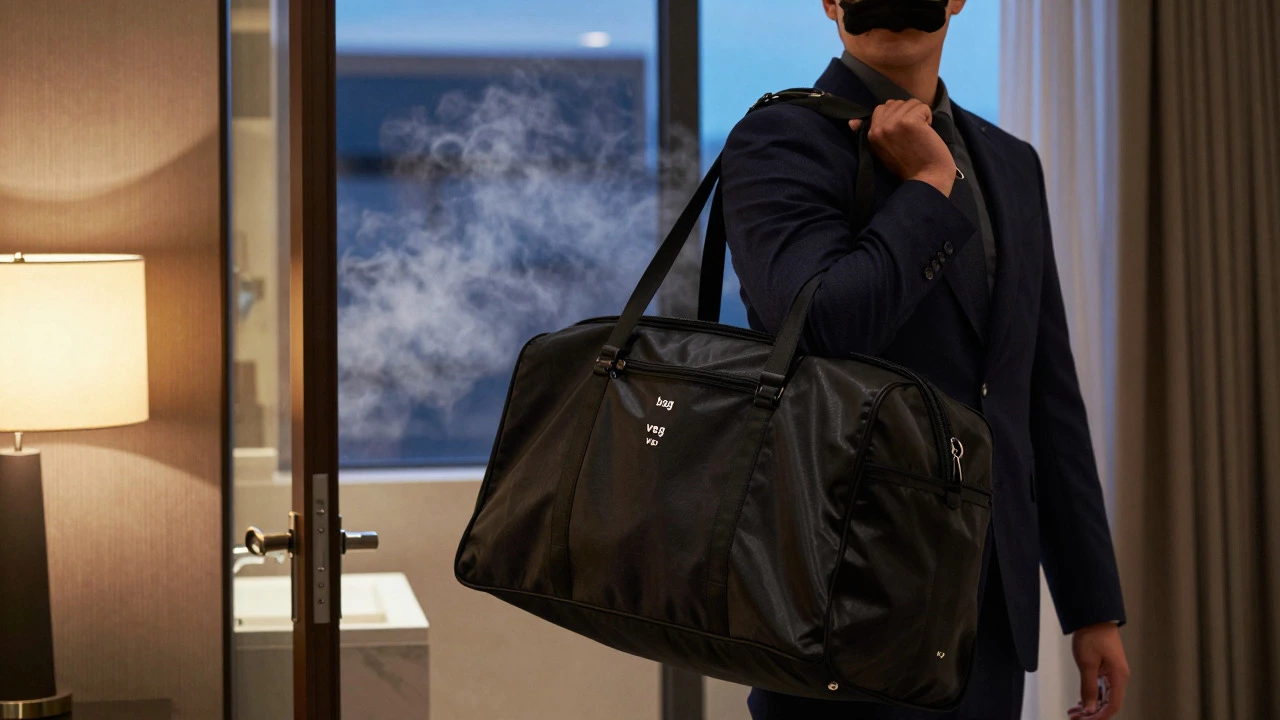
- Steam shower: Hang the suit in the bathroom while you take a hot shower. The steam relaxes the fibers. Keep it away from direct water spray.
- Handheld steamer: This is the best tool for travelers. A quick pass with a handheld steamer removes 90% of travel wrinkles without touching the fabric directly.
- Iron with a press cloth: If you must iron, use a thin cotton cloth between the iron and the suit. Set the iron to wool/silk setting. Never iron directly on the fabric, or you will create a shiny patch that cannot be fixed.
Avoid dry cleaning after every trip. Dry cleaning uses harsh chemicals that degrade the fabric over time. Spot clean stains instead, and let the suit air out. Suits only need professional cleaning 2-3 times a year unless you spill something obvious.
Special Considerations for Different Fabrics
Wool blends are forgiving. Pure silk or linen suits are not. Linen wrinkles faster than anything else. If you pack a linen suit, expect it to look lived-in by the time you arrive. Embrace it. Silk suits are delicate. They snag easily. Always wrap a silk suit in a satin-lined garment bag to prevent friction burns.
For synthetic blends (polyester-rayon), they hold shape better but trap odors. If you sweat in a synthetic suit during travel, let it air out completely before putting it back in the bag. Otherwise, you will reopen the bag to a smell that lingers for days.
Common Mistakes Men Make
I see guys make the same three mistakes repeatedly. First, they leave the suit in the car trunk. Heat and humidity destroy suit fibers. Your car interior can hit 60°C (140°F) in summer. That cooks the glue in the canvas interlining. Second, they pack shoes on top of the suit. The weight crushes the lapels. Third, they forget to empty the pockets. Wallets and phones leave square imprints on the fabric that stay there forever.
Another big one: ignoring the tie. Ties should be rolled, not folded. Folding creates a hard crease down the middle that looks sloppy. Roll them loosely and place them in the small pocket of your garment bag.
Can I store my suit in a plastic dry cleaner bag?
Only for very short periods, like transporting it home from the cleaner. For long-term storage, remove the plastic. Plastic traps moisture, leading to yellowing and mildew, especially in humid climates. Switch to a breathable cotton or muslin garment bag.
Does folding a suit ruin the shoulder pads?
It can, if done poorly. Folding the jacket in half with the shoulders aligned and stuffing tissue paper in the shoulders minimizes damage. Avoid crushing the shoulders under heavy items. High-end tailored suits with softer construction are more resilient than fused suits with stiff glue.
How long can a suit stay in a garment bag?
If the bag is breathable (cotton/linen), indefinitely, provided the environment is cool and dry. If the bag is plastic, limit it to 2-4 weeks. Check periodically for signs of moisture or pest activity.
Is it better to roll or fold a suit jacket?
Fold the jacket. Rolling works well for trousers and shirts, but rolling a jacket distorts the structured shoulders and chest canvas. Fold the jacket vertically and lay it flat on top of your packed items.
Do I need to dry clean my suit after traveling?
No. Unless it is visibly stained or smells bad, simply hang it up to air out for 24 hours. Frequent dry cleaning wears out the fabric. Steam it lightly to remove wrinkles instead.