What Is a SWAT Jacket? Understanding Its Design, Purpose, and Real-World Use
SWAT Jacket Sizing Calculator
Real SWAT jackets need room for body armor. Most officers size up one full size to accommodate protective plates. Always check manufacturer specifications for exact sizing.
A SWAT jacket isn’t just a thick coat you wear in cold weather. It’s a piece of specialized gear designed for high-risk situations where speed, protection, and functionality matter more than style. If you’ve seen SWAT teams in movies or news reports, you’ve probably noticed their dark, rugged outerwear with lots of pockets, reinforced seams, and a no-nonsense look. That’s the SWAT jacket - and it’s not something you buy at a mall.
What Exactly Is a SWAT Jacket?
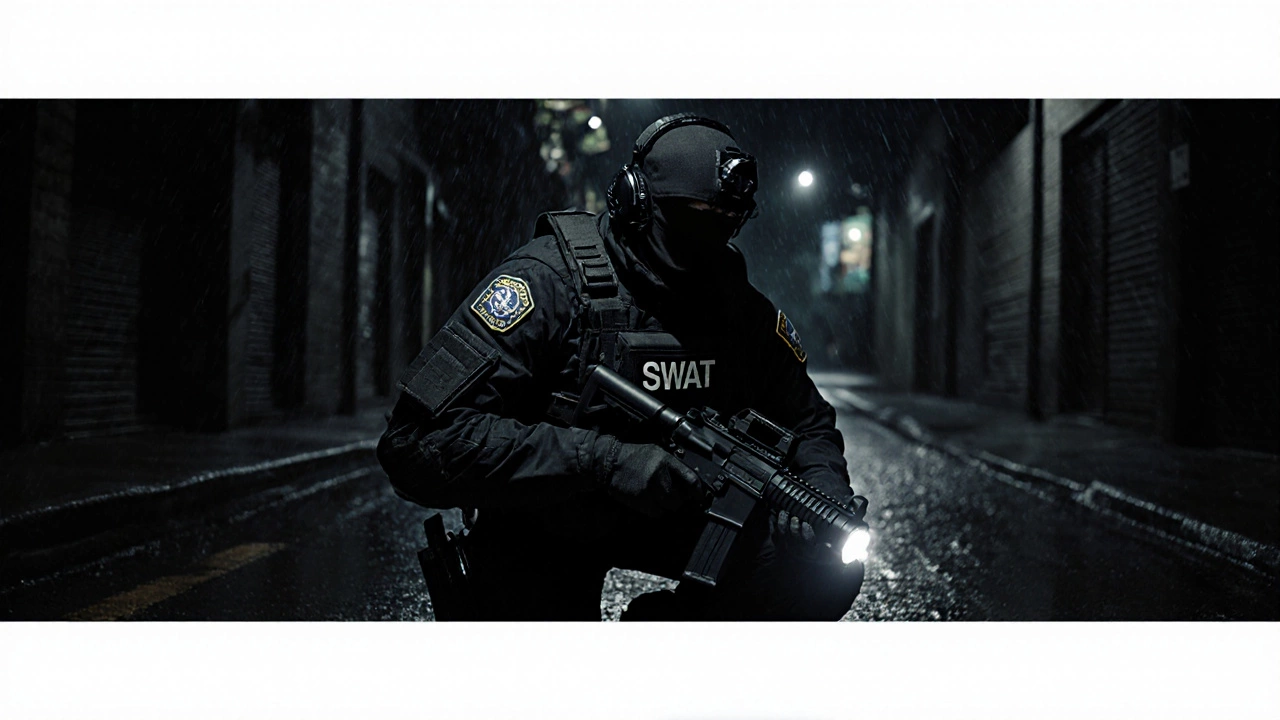
A SWAT jacket is a type of tactical outerwear worn by law enforcement and military personnel during operations like hostage rescues, armed raids, or high-threat entries. It’s built to handle extreme conditions: bullet-resistant inserts, fire-retardant fabrics, and durable materials that won’t tear when climbing through windows or crawling under barriers.
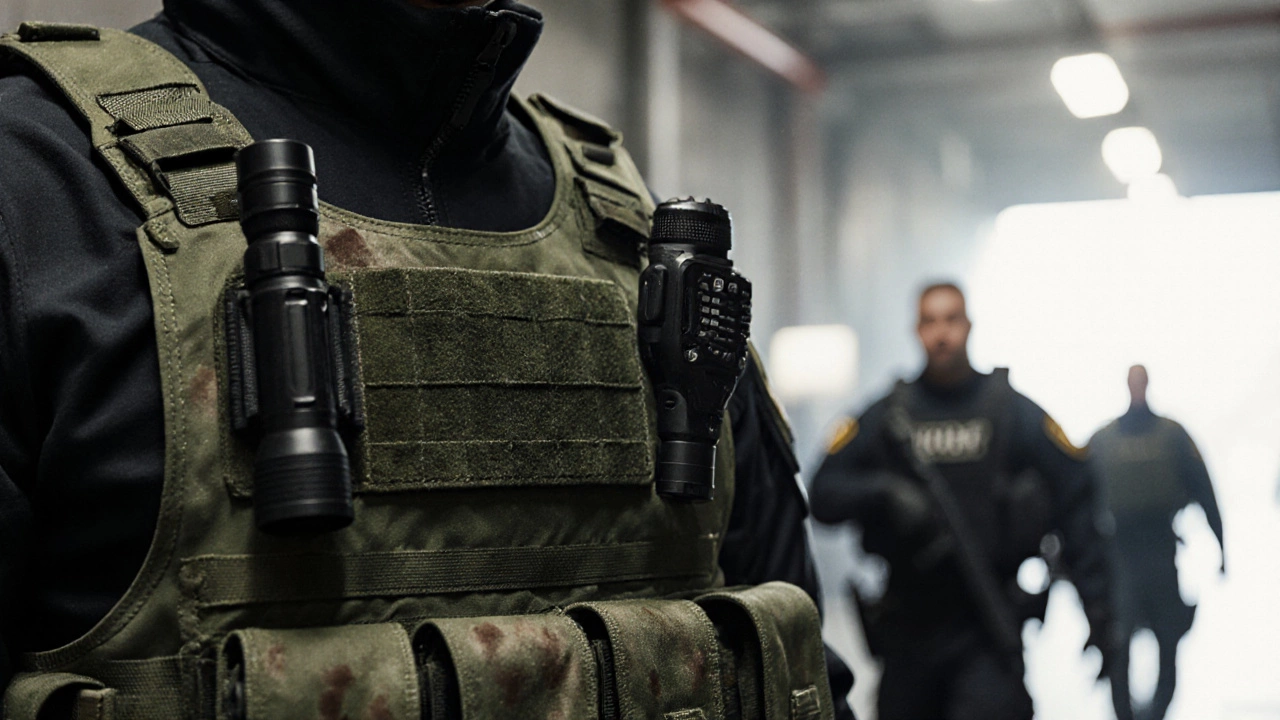
Unlike regular jackets, a SWAT jacket doesn’t just cover your torso. It’s part of a full tactical system. It’s designed to carry gear - magazines, radios, flashlights, restraints - without needing a separate vest. Many have MOLLE webbing on the chest and sides, letting officers attach pouches exactly where they need them. The cut is tailored for mobility: longer in the back, slightly tapered at the waist, and with articulated elbows so you can raise your arms without the fabric pulling.
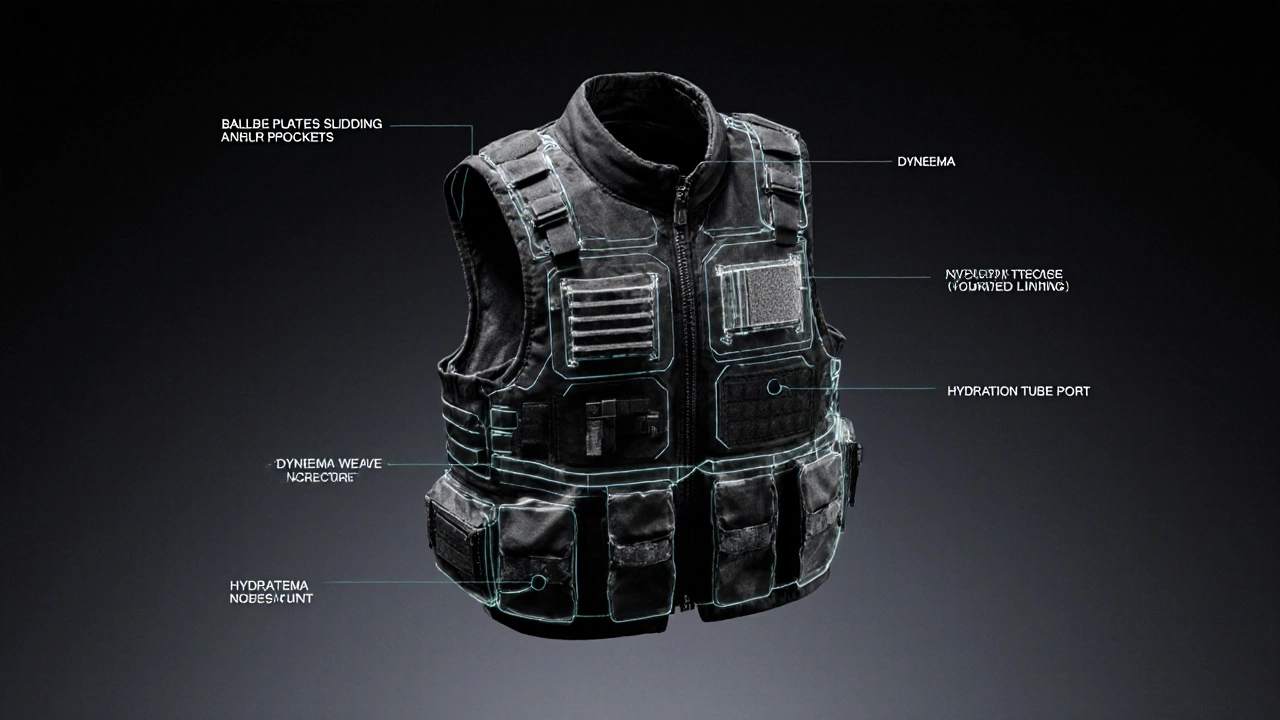
Colors are usually black, dark green, or coyote brown - chosen for low visibility. No logos. No bright zippers. Even the stitching is often flat-sewn to avoid catching on things. The material? Typically a blend of nylon and polyester, sometimes with Kevlar or Dyneema woven in for cut and abrasion resistance. Some versions include thermal lining for cold weather ops, or breathable mesh panels for hot climates.
Why Do SWAT Teams Need a Special Jacket?
Think about what happens during a raid. You’re moving fast. You’re in tight spaces. You might be climbing, crawling, or breaking down doors. A regular jacket can snag on a doorknob, get caught on barbed wire, or tear when you’re dragging someone to safety. A SWAT jacket is made to survive that.
It’s not just about durability. It’s about access. In a life-or-death moment, you can’t fumble for your radio or spare magazine. SWAT jackets have dedicated pockets for each tool, placed for quick, one-handed access. A radio goes on the left shoulder, so you can talk without moving your arm. A flashlight clips to the front, so you can shine it while keeping your weapon up. Ammo pouches are angled so you can reload without looking.
Some jackets also have integrated hydration systems - a tube port for a water bladder. Others have removable armor plates that slide into pockets, offering Level III or IV ballistic protection. That’s not optional. In 2023, the U.S. Department of Justice reported that 17% of officer injuries during tactical operations came from blunt force trauma or fragmentation. Proper armor saves lives.
How Is It Different From a Regular Tactical Jacket?
Not all tactical jackets are SWAT jackets. There’s a difference between something marketed as “tactical” for hiking or airsoft and what real units actually use.
Commercial tactical jackets - the kind you see on Amazon or REI - often look similar. They have MOLLE, dark colors, and multiple pockets. But they’re usually made with lighter materials. They don’t meet military or law enforcement standards like NIJ (National Institute of Justice) or MIL-STD-810. They might have zippers that jam under stress, or fabric that melts when exposed to heat. In a real operation, that’s dangerous.
True SWAT jackets are built to strict specs. Brands like Point Blank, Second Chance, and Crye Precision make gear that’s tested for: flame resistance, impact absorption, chemical exposure, and repeated washing without degradation. Many are issued by police departments after rigorous trials. A civilian might wear a tactical jacket for style. A SWAT officer wears one because their life depends on it.
Who Else Uses SWAT Jackets?
While SWAT teams are the most visible users, they’re not the only ones. Federal agents - like those from the FBI’s HRT or DEA’s SRT - wear similar gear. Border patrol units in high-risk zones use them. Even some fire rescue teams carry them when entering active shooter scenes to provide medical aid under threat.
In Canada, units like the RCMP’s Emergency Response Team (ERT) use jackets based on the same principles. Vancouver’s ERT, for example, operates in urban environments where buildings are dense and threats can come from any direction. Their jackets are designed for cold, wet conditions - waterproof outer shells with insulated liners, something you won’t find in a standard tactical jacket sold online.
Even private security firms handling high-value transfers or executive protection sometimes use modified SWAT jackets. Not because they’re on a raid, but because they need to carry gear quietly and move fast if something goes wrong.
What Should You Know Before Buying One?
If you’re thinking about buying a SWAT jacket - whether for cosplay, airsoft, or personal preparedness - here’s what you need to know:
- It’s not a fashion item. Real SWAT jackets cost between $300 and $800. Cheap ones under $100 are unsafe and unreliable.
- Size matters. You need room to wear body armor underneath. Most officers size up one full size.
- Check the certification. Look for NIJ certification if you want ballistic protection. If it doesn’t say what standard it meets, don’t trust it.
- Don’t confuse it with a bulletproof vest. A SWAT jacket might have armor pockets, but the armor is separate. The jacket itself is not bulletproof unless the armor is inserted.
- Legality varies. In some places, civilians can’t legally own armor rated above Level III. Check your local laws before buying.
Also, avoid jackets with “SWAT” printed on them. Real teams don’t advertise their gear. If it has big letters or logos, it’s made for show, not service.
Common Misconceptions
There’s a lot of myth around SWAT jackets.
Myth: They’re bulletproof.
Reality: They’re armor-ready. The jacket protects against cuts, fire, and weather. The plates inside stop bullets. Without plates, it’s just tough fabric.
Myth: Anyone can wear one.
Reality: Wearing one in public can raise red flags. In many jurisdictions, wearing tactical gear in public without a valid reason can be considered suspicious behavior - or even illegal.
Myth: All SWAT jackets are the same.
Reality: Departments customize gear based on climate, mission type, and budget. A team in Florida uses lighter, breathable jackets. One in Alaska needs heavy insulation. One in a city with frequent riots might add riot shield compatibility.
Final Thoughts
A SWAT jacket isn’t about looking tough. It’s about staying alive in chaos. Every stitch, pocket, and seam has a job. It’s engineered for the worst-case scenario - and that’s why it looks so different from anything you’d find in a regular clothing store.
If you’re curious about tactical gear, start by understanding why it exists. It’s not for style. It’s for survival. And if you ever see a SWAT team moving through a neighborhood, the jackets they wear? They’re not there to impress. They’re there to protect - and to make sure they come home.
Is a SWAT jacket the same as a bulletproof vest?
No. A SWAT jacket is an outer layer designed for durability, mobility, and gear storage. It may have pockets for ballistic plates, but the jacket itself isn’t bulletproof. A bulletproof vest is a separate piece of armor worn underneath, usually made of Kevlar or ceramic plates. The two work together, but they’re not the same thing.
Can civilians buy SWAT jackets?
Yes, civilians can legally purchase tactical jackets in most places - but not always with armor inserts. In Canada and the U.S., you can buy the jacket itself without issue. However, purchasing ballistic plates rated above Level III may require permits or be restricted based on local laws. Always check your jurisdiction’s regulations before buying armor components.
Why are SWAT jackets usually black?
Black and dark colors reduce visibility in low-light environments like night raids or indoor operations. Bright colors or reflective materials can give away a team’s position. SWAT units prioritize stealth, so their gear avoids anything that glows, reflects, or stands out. Some units use digital camouflage patterns, but solid dark colors remain the standard for urban operations.
Do SWAT jackets protect against knives or sharp objects?
Many SWAT jackets are made with cut-resistant fabrics like Dyneema or Kevlar woven into the outer shell. These materials can resist slashing and puncturing from knives or broken glass. While they’re not guaranteed to stop every attack, they significantly reduce the risk of serious injury during close-quarters confrontations - which is why they’re standard in riot control and high-risk warrant service.
How do you clean a SWAT jacket?
Always follow the manufacturer’s care instructions. Most SWAT jackets are machine washable in cold water on a gentle cycle, but you must remove any armor plates first. Avoid bleach, fabric softeners, or dryers - heat can damage the ballistic fibers or waterproof coating. Hang to dry and store in a cool, dry place. Regular cleaning prevents sweat and grime from breaking down the fabric over time.