What Does a Blue Suit Mean? A Guide to Colors and Context

Blue Suit Style & Context Finder
Not sure which blue to wear? Select the vibe you want to project or the event you're attending to find your perfect match.
Navy Blue
The PowerhouseAuthority, Trust, Professionalism
Royal Blue
The StatementConfidence, Energy, Charm
Light Blue
The CreativeFreshness, Ease, Approachability
Best For:
-
Psychological Message:
-
Pro Styling Tips:
Quick Takeaways: What Your Blue Suit Says
- Navy Blue: Authority, trust, and professionalism. The safest bet for any formal event.
- Royal Blue: Confidence, energy, and approachability. Great for weddings and social events.
- Light/Powder Blue: Freshness, creativity, and ease. Ideal for daytime summer events.
The Psychology of Blue in Menswear
Why do we associate blue with trust? It's not random. In color psychology, blue is linked to the sky and the ocean-things that are constant and calming. When you wear a blue suit is a structured set of tailored clothing consisting of a jacket and trousers in various shades of blue, you're projecting a sense of stability. Unlike black, which can feel cold or overly mourning-centric, or grey, which can sometimes seem bland, blue strikes a balance between warmth and formality.
Think about the industries where blue dominates. From police uniforms to corporate banking, the color is used to evoke a sense of security. When a client sees you in a well-fitted navy suit, they aren't just seeing a piece of fabric; they're seeing someone who is disciplined and composed. It's a psychological shortcut that tells the world you've got things under control.
Breaking Down the Shades: From Navy to Azure
Not all blue suits are created equal. The "meaning" changes drastically as you shift the saturation and brightness. If you wear a bright cobalt blue to a funeral, you're sending a very different message than if you wore it to a tech conference.
Navy Blue is the anchor of the modern wardrobe. It is the most formal of the blues and acts as a neutral. It means "I am here for business" or "I respect the occasion." Because it is so dark, it mimics the authority of black but adds a layer of friendliness. It's the gold standard for job interviews and weddings.
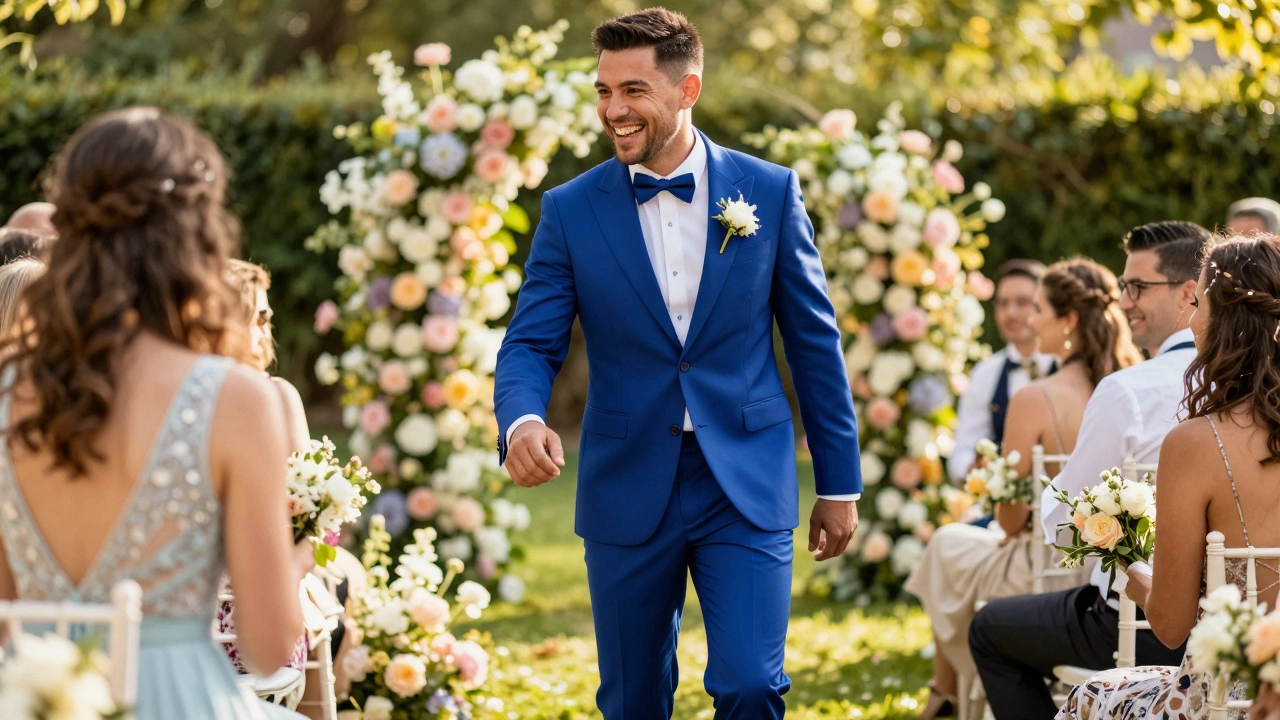
Then you have Royal Blue. This shade is vibrant and saturated. It doesn't hide you in the crowd; it puts you center stage. Wearing royal blue suggests a bold personality. It means you are confident enough to be noticed but still want to remain within the bounds of traditional masculinity. It's a favorite for grooms who want to stand out from their groomsmen.
Finally, there's the Light Blue or powder blue suit. This is the "vacation" of suits. It communicates a relaxed, open-minded, and artistic vibe. It means you aren't bound by the rigid rules of the 9-to-5 grind. You'll see this most often at garden parties, horse races, or summer weddings in coastal cities.
| Shade | Vibe/Meaning | Best Occasion | Formal Level |
|---|---|---|---|
| Navy Blue | Trust, Power, Tradition | Board meetings, Funerals, Galas | Very High |
| Royal Blue | Confidence, Energy, Charm | Weddings, Parties, Creative pitches | Medium-High |
| Light Blue | Approachability, Freshness | Summer brunches, Daytime weddings | Low-Medium |
When to Wear Which Blue?
Choosing the right shade is about reading the room. If you're walking into a high-pressure negotiation, a navy suit is your armor. It tells the other party that you are serious and reliable. If you show up in a light blue linen suit to a corporate law firm, you might come across as though you're not taking the meeting seriously. The meaning is tied directly to the context.
Now, let's talk about the social side. At a wedding, a blue suit is often the perfect compromise. Black can feel too stark (like you're the security guard), and grey can feel too old-fashioned. A mid-blue or royal blue suit says, "I'm here to celebrate, and I've put effort into my appearance." It's the suit of the "modern gentleman" who values style over strict adherence to 1950s rules.
For those in creative fields-think marketing, design, or architecture-blue is a tool for accessibility. A light blue suit makes you appear more approachable than a dark one. It breaks down the wall between you and your client, signaling that you are open to new ideas and collaboration. It's a strategic choice to foster creativity and openness.
The Art of Pairing: Changing the Meaning with Accessories
You can actually shift the meaning of your blue suit by changing what you wear with it. The suit is the canvas, but the accessories are the paint. If you pair a navy suit with a crisp white shirt and a deep red tie, you've created the "Power Look." This is the classic aesthetic of politicians and CEOs. It screams leadership and dominance.
Want to tone it down? Swap the tie for a white t-shirt and clean white sneakers. Suddenly, that navy suit means "effortless cool." You're signaling that you know the rules of fashion but you're comfortable enough to break them. This is the hallmark of the contemporary urban style seen in cities like New York or London.
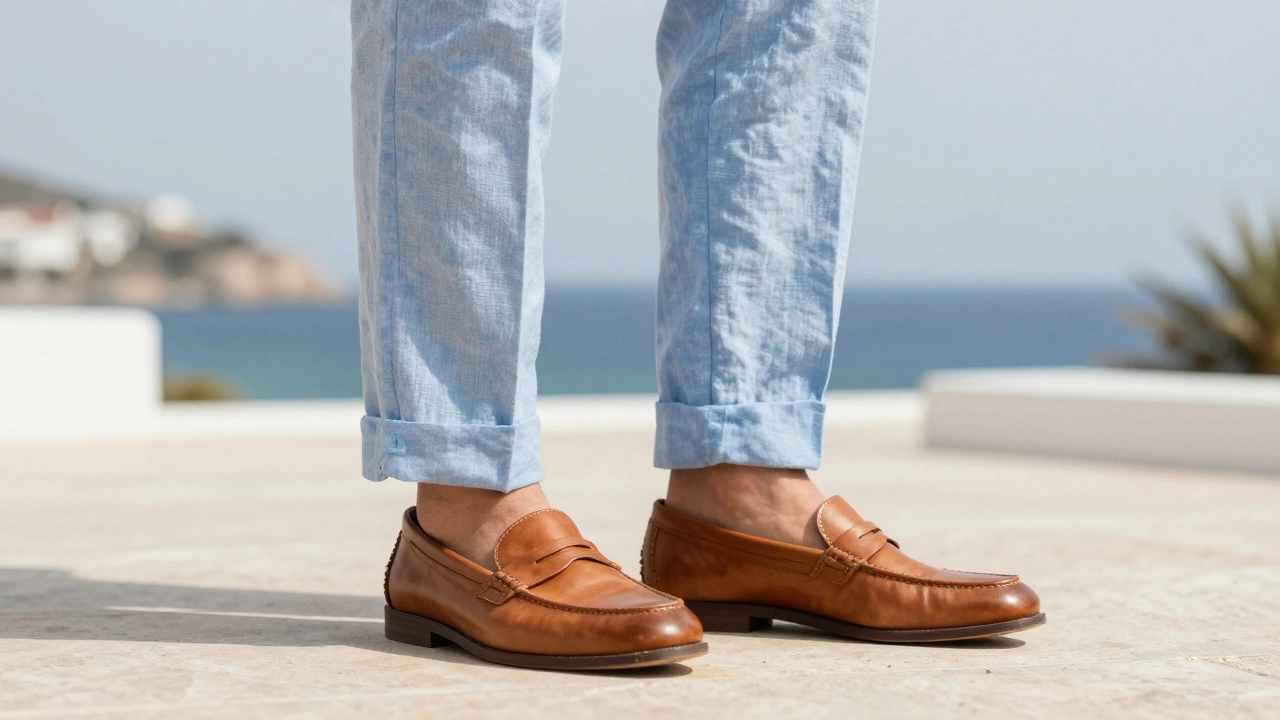
When it comes to shoes, the leather color changes the narrative. Brown Leather Shoes (especially cognac or tan) paired with blue creates a friendly, sophisticated, and European feel. It suggests a level of sartorial knowledge. Black shoes, on the other hand, keep the look strictly formal and conservative. If you want to look like a traditional professional, go black. If you want to look like a style icon, go brown.
Common Mistakes That Change the Message
The meaning of your suit can be completely undermined by a poor fit. A blue suit that is too big doesn't say "trustworthy"; it says "I'm wearing my father's clothes." The power of the blue suit comes from the intersection of color and silhouette. A sharp, tailored shoulder and a tapered waist reinforce the ideas of discipline and attention to detail.
Another pitfall is the "clash of blues." Trying to wear a blue shirt with a blue suit of a slightly different shade can look muddy or accidental. To keep the meaning clear and the look intentional, ensure there is a distinct contrast between your suit and your shirt. A light blue shirt with a navy suit is a classic pairing that emphasizes the depth of the suit's color without fighting for attention.
Lastly, be mindful of the fabric. A navy blue suit in heavy wool means "winter professionalism." That same color in a Linen fabric means "summer luxury." The texture of the material tells as much of a story as the color itself. Linen is wrinkled by nature, which adds to the "relaxed" meaning, whereas wool is crisp and structured, adding to the "authoritative" meaning.
Blue vs. Other Classic Colors
To truly understand what a blue suit means, you have to see it next to the alternatives. A black suit is the most formal and often the most restrictive. It's for funerals, black-tie events, or very strict evening gala settings. If you wear black to a daytime business meeting, you can come off as too severe or intimidating.
Grey suits, specifically Charcoal Grey, are the cousins of navy. They are professional and understated. However, grey lacks the emotional warmth of blue. A charcoal suit says "I am a professional," while a navy suit says "I am a professional you can trust." The difference is subtle but powerful in face-to-face interactions.
Compared to tan or beige suits, blue is far more versatile. While a tan suit is great for the beach or a summer party, it doesn't carry the same weight in a professional environment. Blue is the only color that successfully transitions from a morning wedding to a late-night business dinner without looking out of place.
Is a navy blue suit considered formal enough for a wedding?
Absolutely. Navy blue is one of the most versatile colors for weddings. It is formal enough to show respect for the occasion but less severe than black. Depending on the wedding's dress code, you can pair it with a white shirt and tie for a traditional look, or skip the tie for a more contemporary, "cocktail" vibe.
Can I wear a blue suit for a job interview?
Yes, and it's often the best choice. Navy blue is associated with reliability, trust, and professionalism. It makes you look polished without appearing as aggressive as a black suit might. To keep it professional, pair it with a light-colored shirt (white or light blue) and conservative shoes.
What color shoes go best with a blue suit?
For navy blue, brown leather shoes (dark chocolate or cognac) are the most popular choice as they create a sophisticated contrast. For royal or light blue suits, tan or light brown shoes work best. Black shoes are strictly for the most formal navy suits when you want a very traditional, conservative appearance.
Does a light blue suit mean something different than a navy one?
Yes. While navy communicates authority and tradition, light blue communicates approachability and creativity. A light blue suit is generally seen as less formal and is more appropriate for daytime, outdoor, or summer events rather than corporate boardrooms.
Can a blue suit be worn to a funeral?
A dark navy suit is generally acceptable for funerals, especially if the dress code isn't strictly "all black." It is a somber, respectful color. However, you should avoid royal blue or light blue in this context, as those shades are too bright and celebratory for a mourning period.
Final Steps for Styling Your Blue Suit
If you're still unsure which blue to choose, start with a navy suit. It's the most flexible investment you can make. Once you're comfortable with the basics, you can experiment with royal blue for social events or light blue for your summer vacations.
Remember that the meaning of your clothing is a conversation you're having with everyone you meet. By choosing the right shade of blue and pairing it with the right accessories, you can control that narrative. Whether you want to be seen as the boss, the creative, or the friend, there's a shade of blue that can get you there.