How Many Coats Should a Man Own? The Essential Outerwear Guide
Quick Summary: The Outerwear Essentials
- The Heavyweight: A parka or overcoat for deep winter.
- The Mid-Weight: A versatile jacket (denim, leather, or bomber) for fall and spring.
- The Rain/Wind Layer: A technical shell or trench coat for wet weather.
- The Formal Layer: A structured overcoat for suits and professional events.
- The Casual Throw-on: A lightweight hoodie or chore coat for quick trips.
The Heavy Hitter: Dealing with Freezing Temperatures
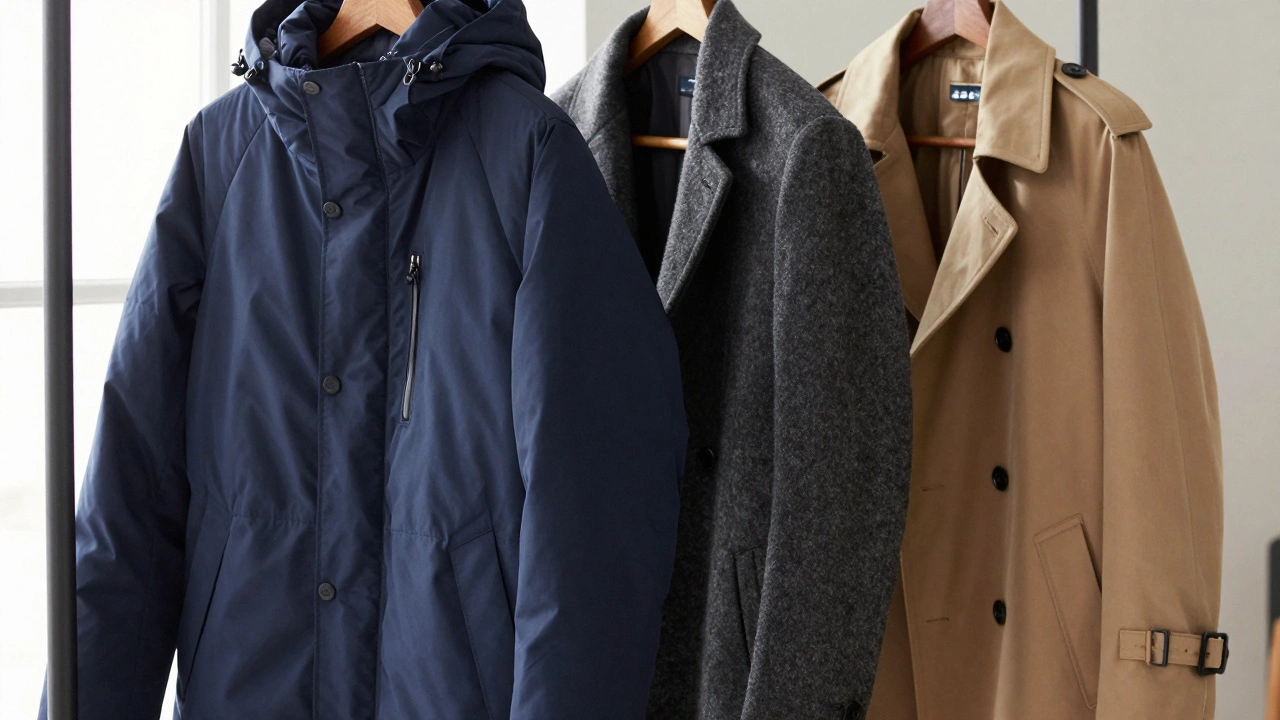
When the temperature dips below 32°F (0°C), style usually takes a backseat to survival. However, you don't have to look like a marshmallow to stay warm. You need one dedicated piece of high-performance gear. This is where the Parka comes in. A proper parka is designed with a hood and heavy insulation-often down or synthetic fibers-to trap heat. If you live in a place like Chicago or Toronto, a parka with a wind-resistant shell is non-negotiable.
If you find yourself in a more urban environment where you're moving from a heated car to a heated office, you might opt for a heavy wool coat. While not as warm as a parka, a wool overcoat provides a sharper silhouette. The trick here is checking the wool percentage; a coat with 80% wool or higher will actually keep you warm, whereas a "wool blend" that's mostly polyester will leave you shivering the moment the wind picks up. For most men, owning one truly warm, weather-proof option is enough to cover the coldest 20% of the year.
The Versatile Middle: Transitional Weather Jackets
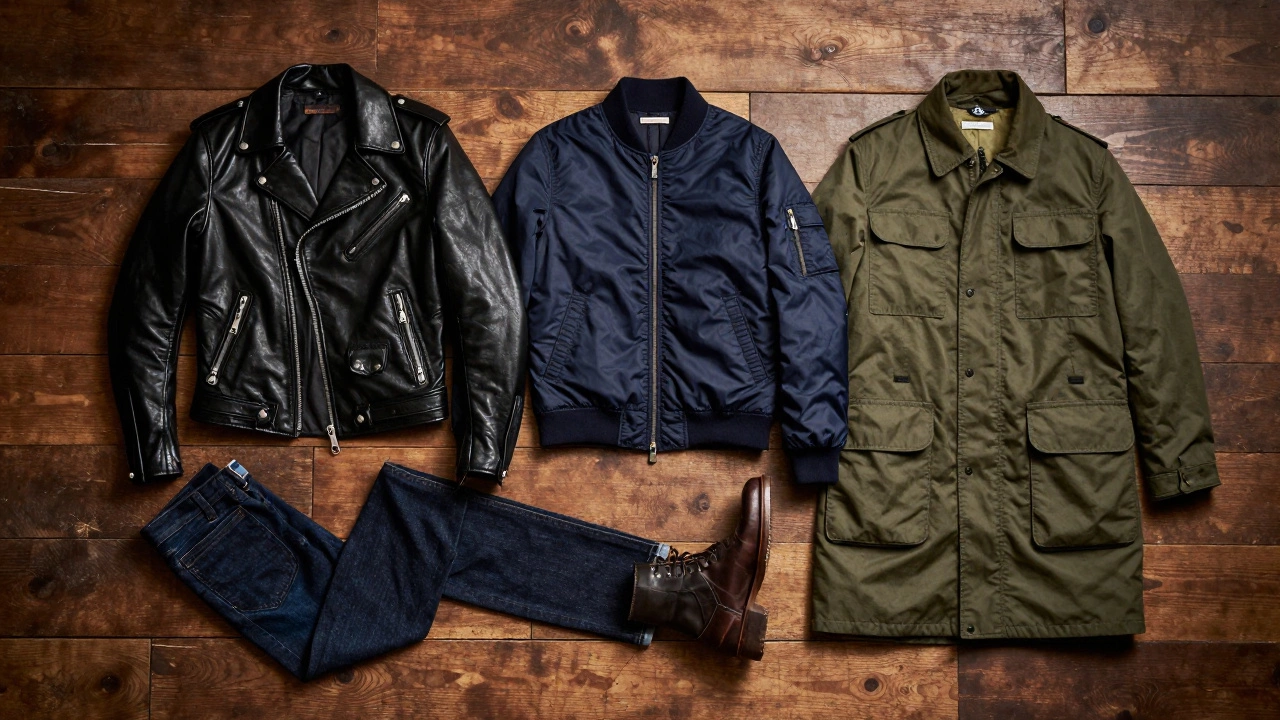
The most dangerous time for your style is the "in-between" weather-those days in October or April where it's too warm for a parka but too cold for just a shirt. This is where you need a mid-weight layer. A Bomber Jacket is a classic choice here because it works with almost anything, from chinos to dark denim. It's a short, cropped jacket that doesn't overwhelm your frame.
If you want something with more grit, a Leather Jacket is a lifelong investment. A well-made cowhide or sheepskin jacket doesn't just look cool; it acts as a natural windbreaker. The key is fit-the shoulder seams should sit exactly where your shoulders end. If the leather bunches up at the elbows, it's too big. For a more rugged, workwear vibe, consider a Chore Coat. Originally designed for laborers, these are typically made of heavy cotton drill or canvas and have plenty of pockets for your phone, keys, and wallet.
| Jacket Type | Best Use Case | Material | Vibe |
|---|---|---|---|
| Bomber | Casual outings / Dates | Nylon or Polyester | Sporty & Modern |
| Leather | Night out / Edgy looks | Leather/Suede | Bold & Timeless |
| Chore Coat | Daily errands / Creative work | Canvas/Denim | Rugged & Utility |
| Denim Jacket | Weekend hangouts | Heavy Denim | Classic American |
The Wet Weather Solution: Rain and Wind Protection
Rain ruins a good outfit. If you try to wear a wool coat in a downpour, you end up smelling like a wet dog and weighing an extra ten pounds. You need a dedicated water-resistant layer. For a professional look, a Trench Coat is the gold standard. It's long, protects your trousers from splashes, and looks intentional. It's the perfect companion for a business suit.
For everyone else, a Rain Shell or a technical windbreaker is the way to go. Look for fabrics like Gore-Tex or treated nylon that offer a "Durable Water Repellent" (DWR) coating. A common mistake guys make is buying a raincoat that is too thin, which leads to a "trash bag" feel. Look for something with a slight structure. If you're in a city where it rains constantly, this will likely be your most-worn piece of clothing for three months out of the year.
The Formal Layer: Elevating Your Professional Game
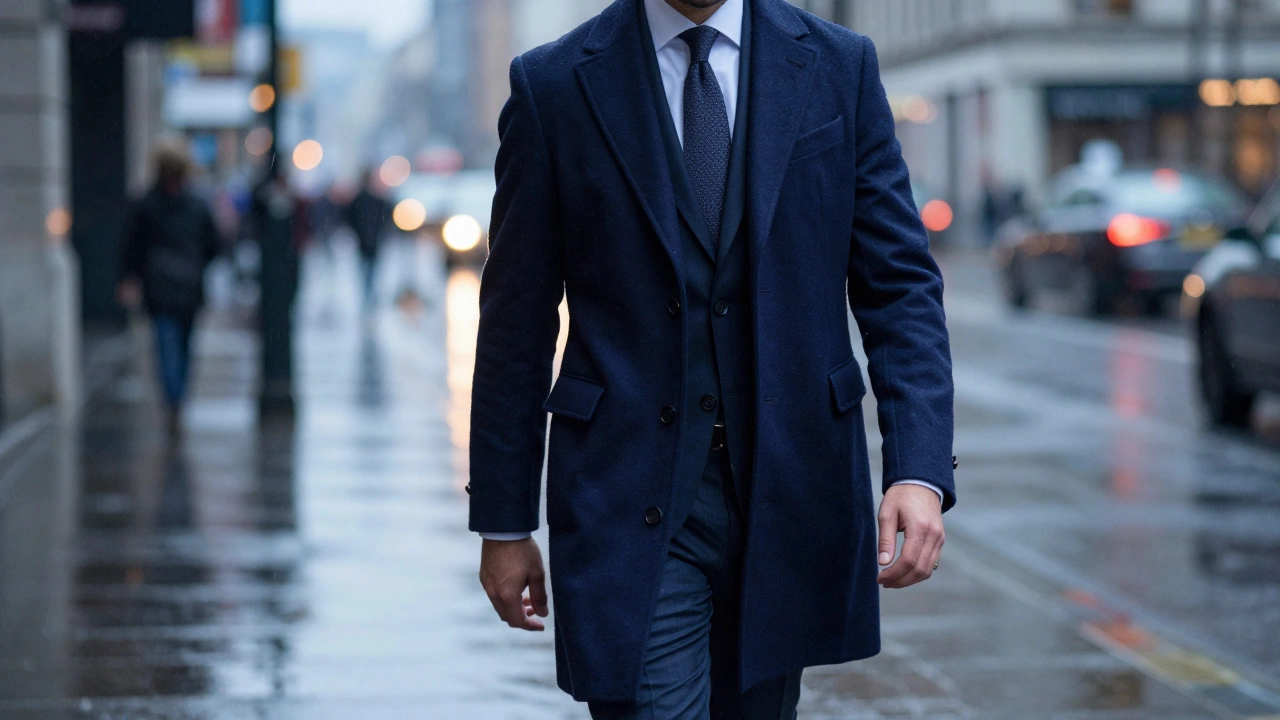
There is a specific kind of awkwardness that happens when a man wears a gym hoodie over a tailored suit. To avoid this, you need a formal overcoat. This is usually a Chesterfield Coat or a Peacoat. The Chesterfield is a long, single-breasted coat that hits around the knee, making it the most formal option. The Peacoat, derived from naval wear, is shorter and double-breasted, offering a bit more warmth and a slightly more relaxed (but still polished) look.
When choosing a formal coat, stick to neutral colors: navy, charcoal, or camel. These colors are interchangeable with almost any suit or dress shoe combination. Avoid loud patterns here; the goal of a formal coat is to frame your outfit, not distract from it. If you only own one formal coat, navy is the safest bet as it hides dirt better than camel and is more versatile than black.
The Casual Layer: The "Quick Trip" Jacket
Sometimes you just need to take the dog out or run to the corner store. You don't want to spend three minutes buttoning up a heavy coat. This is where a lightweight, zip-up option comes in. A high-quality hoodie or a light Harrington Jacket fits this role perfectly. The Harrington is a waist-length jacket with a collar and button-front, popularized in the 1950s. It's the ultimate "I'm not trying too hard" piece of clothing.
The trick to this layer is the fabric. Avoid cheap, thin fleece that pills after three washes. Go for a heavy-weight cotton or a technical knit. Since this is your most "beaten up" jacket, choose a color that can handle a few stains-olive green, burgundy, or classic black are great choices.
How to Decide Your Final Number
So, what's the final tally? If you follow the logic above, you're looking at roughly 5 coats. But is that right for everyone? Not necessarily. Your number depends on your local climate and your lifestyle. A guy living in Miami might only need a rain shell and a light bomber. A guy in Vancouver needs a heavy parka, a rain shell, and a mid-weight layer for those weirdly sunny but cold February days.
Ask yourself these three questions to refine your list:
- Do I commute by walking or driving? If you walk, you need more technical, weather-proof gear. If you drive, you can prioritize style (like a wool coat) over extreme utility.
- What is my daily dress code? If you wear a suit five days a week, a formal overcoat is a priority. If you work in a tech startup, a chore coat or bomber is your daily driver.
- Do I layer? If you're a pro at wearing thermal undershirts and sweaters, you can get away with fewer coats because you're creating your own warmth.
Can one coat really cover multiple seasons?
Rarely. A heavy winter parka is too hot for spring, and a denim jacket won't save you in January. However, a mid-weight bomber or leather jacket can often bridge the gap between late autumn and early spring if you layer a sweater underneath.
Is a puffer jacket considered a formal coat?
Generally, no. While a sleek, black puffer is acceptable for a casual business setting, it doesn't pair well with a formal suit. For weddings, funerals, or high-level business meetings, stick to a wool overcoat or a Chesterfield.
What's the best color for a first-time coat buyer?
Navy blue and Charcoal grey. These two colors are virtually universal. They match almost every pant color (khaki, black, blue, olive) and don't look out of place in any setting from a coffee shop to a boardroom.
How often should I replace my outerwear?
Quality outerwear should last years. Leather and wool are incredibly durable if cared for. You should replace a coat when the insulation fails (e.g., down clumps in a puffer) or when the fabric wears through at the cuffs and collar. A good leather jacket can literally last a lifetime if conditioned properly.
Do I really need a separate rain jacket if I have a parka?
Yes. Most parkas are designed for snow and freezing wind. Rain is different; it requires a breathable, waterproof membrane. Wearing a heavy parka in a 50°F rainstorm will make you sweat, and once you're damp, you'll actually feel colder.
Next Steps for Your Wardrobe
If you've realized you're missing a key piece, don't go out and buy all five at once. Start with the gap that affects your daily life the most. If you're shivering every morning, prioritize the heavyweight parka. If you're tired of wearing a hoodie to dinner, look for a mid-weight bomber or leather jacket.
When shopping, remember that outerwear is an investment. It's better to own one high-quality wool coat that lasts ten years than three cheap polyester blends that peel and pill after one season. Check the labels, feel the weight of the fabric, and most importantly, make sure it fits your shoulders perfectly. A coat that's too tight will restrict your movement; one that's too loose will make you look like you're wearing a tent.