What Do Most People Wear in Summer? The Ultimate Guide to Hot Weather Style

Summer Outfit Heat Index Calculator
Configure Your Outfit
Heat Analysis
Enter your outfit details to see how it performs in the heat.
It is June 20, 2026. The sun is already beating down, and if you are like me, standing on a crowded street in Vancouver or anywhere else, the air feels thick. You look around at the people passing by. What are they wearing? It is not just about looking good; it is about survival. When temperatures spike, our wardrobe choices shift from aesthetic preferences to practical necessities. We all want to stay cool, comfortable, and put-together without melting into a puddle of sweat.
If you have ever wondered what the majority of people reach for when the mercury rises, the answer lies in a mix of fabric science, silhouette engineering, and timeless staples. While trends come and go, the core principles of summer dressing remain surprisingly consistent. Let’s break down exactly what most people wear in summer, why they choose those items, and how you can build a heat-proof wardrobe that works for your life.
The Undisputed King: Why Summer Dresses Dominate
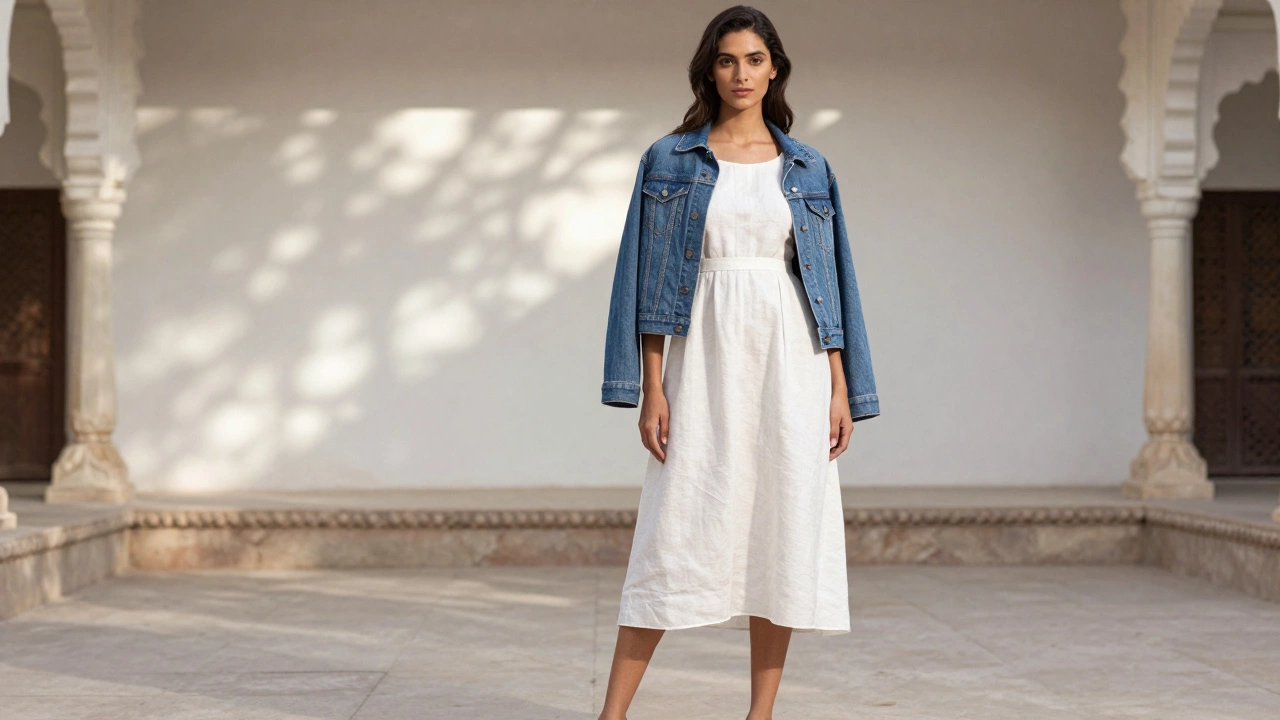
If there is one garment that defines summer fashion across almost every demographic, it is the summer dress. But not just any dress will do. The key factor here is airflow. Most people opt for styles that allow air to circulate freely between the skin and the fabric. This is why loose-fitting silhouettes like A-line, wrap, and slip dresses are everywhere this season.
We see a massive preference for natural fibers. Cotton, linen, and rayon blends are the top choices because they absorb moisture and dry quickly. Synthetic materials like polyester, while durable, tend to trap heat and humidity against the body, leading to discomfort. A simple cotton midi dress with short sleeves or a sleeveless neckline is the uniform of choice for millions. It offers coverage from the sun but keeps the body temperature regulated. For evening events, chiffon or silk-blend maxi dresses provide elegance without the weight of winter fabrics.
| Fabric Type | Breathability | Moisture Wicking | Best Use Case |
|---|---|---|---|
| Linen | Very High | Moderate | Hot days, casual outings |
| Cotton | High | High | Everyday wear, office |
| Silk/Chiffon | Medium | Low | Evening events, layering |
| Polyester | Low | Variable | Athletic wear (technical blends) |
Tops and Bottoms: The Versatile Alternative
Not everyone wants to wear a dress every day, and that is perfectly fine. The second most common combination involves lightweight tops paired with breathable bottoms. For tops, tank tops, camisoles, and short-sleeve button-downs are staples. The cut matters immensely. V-necks and scoop necks expose more skin around the collarbone, which helps dissipate heat. Sleeveless options are popular, but many people still prefer cap sleeves or short sleeves for sun protection.
When it comes to bottoms, shorts and skirts are the go-to. Denim shorts have evolved; today’s versions are often made from lighter-weight denim or stretch blends that don’t feel stiff in the heat. Linen trousers are also seeing a resurgence as a chic alternative to jeans. They drape beautifully and keep legs cool. Skirts, particularly midi-length ones in flowy fabrics, offer a balance between modesty and ventilation. Pairing a crisp white tee with high-waisted linen shorts is a look you will see on streets worldwide because it is simple, effective, and endlessly adaptable.
Footwear: Keeping Your Feet Cool and Comfortable
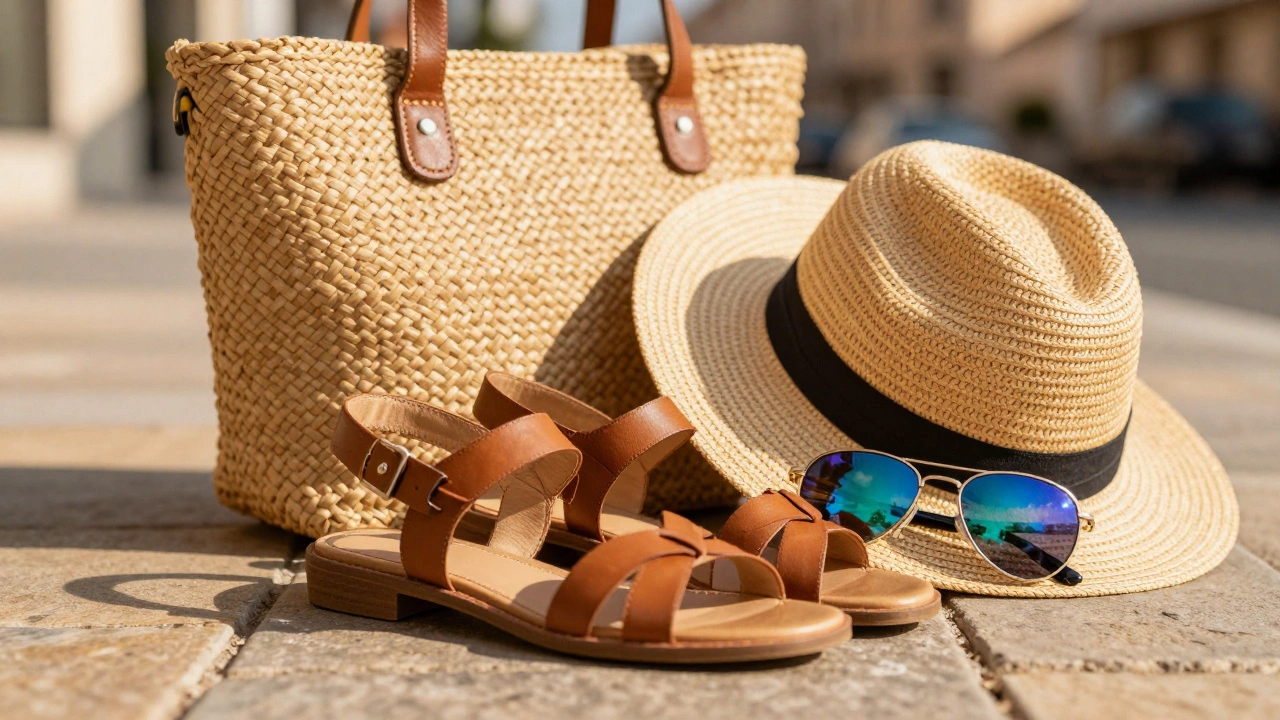
Your feet suffer the most in summer heat, so footwear choices are critical. Closed-toe shoes with heavy leather uppers are largely abandoned during peak summer months. Instead, sandals dominate the landscape. Slide sandals, strappy heeled sandals, and flat espadrilles are ubiquitous. The material is usually leather, suede, or synthetic straps that allow air to hit the foot directly.
Sneakers have not disappeared, but they have changed. Breathable mesh sneakers are the standard for active days. White canvas sneakers remain a classic choice because they reflect sunlight rather than absorbing it. If you are walking long distances, avoid flip-flops that lack arch support; they may be cool, but they lead to fatigue and blisters. A well-crafted sandal with a cushioned sole provides the best balance of comfort and style.
Accessories That Serve a Purpose
Summer accessories are rarely just decorative; they serve functional roles too. Sunglasses are non-negotiable. Not only do they protect your eyes from UV rays, but they also shield the delicate skin around your eyes from premature aging. Polarized lenses are preferred by most because they reduce glare from water and pavement.
Hats are another essential item. Wide-brimmed straw hats provide shade for the face and neck, significantly reducing perceived temperature. Baseball caps are popular for a more casual, sporty look. Lightweight scarves made from silk or chiffon can double as hair coverings to prevent sweat from ruining hairstyles or as shawls for overly air-conditioned indoor spaces.
Bag choices also shift. Heavy backpacks can become unbearable in the heat. Crossbody bags and tote bags made from canvas or woven materials are lighter and distribute weight more comfortably. Lighter colors for bags help reflect heat, keeping the item cooler to the touch.
Navigating Extreme Heat and Humidity
In regions with high humidity, like coastal cities or tropical areas, the rules change slightly. Sweat doesn’t evaporate as quickly, so staying dry becomes the priority. Here, technical fabrics used in activewear crossover into everyday fashion. Moisture-wicking t-shirts and quick-dry shorts are worn not just for gym sessions but for daily errands. Loose-fitting tunics and kaftans are popular because they create a chimney effect, drawing hot air up and away from the body.
Color psychology plays a role here too. While dark colors are stylish, they absorb heat. Most people instinctively gravitate toward light colors-white, pastels, beige, and light gray-during summer. These shades reflect sunlight, helping to keep the body cooler. Prints, especially floral and geometric patterns, are prevalent because they distract from sweat marks and add visual interest to simple outfits.
Building a Capsule Wardrobe for Summer
You don’t need a closet full of clothes to survive summer. A capsule wardrobe approach works exceptionally well. Focus on versatile pieces that can be mixed and matched. Start with three basic summer dresses in different colors, two pairs of shorts (one denim, one linen), three lightweight tops, and two pairs of comfortable sandals. Add a few accessories like a wide-brim hat and sunglasses. This small collection allows you to create dozens of outfits while minimizing decision fatigue and ensuring everything fits the summer aesthetic.
Quality over quantity is key. Invest in well-made linen shirts and durable cotton dresses that will last multiple seasons. Fast fashion items often use thin, cheap synthetics that pill and lose shape after a few washes. Spending a bit more on natural fibers ensures comfort and longevity.
Common Mistakes to Avoid
One major mistake is ignoring layering needs. Even in summer, evenings can get chilly, especially near water or in mountainous regions. Always carry a light cardigan or denim jacket. Another error is choosing tight-fitting synthetic fabrics. They restrict movement and trap heat, making you feel hotter than you actually are. Finally, neglecting sun protection on exposed skin is a risk. Wear UPF-rated clothing or apply sunscreen generously, especially on shoulders and arms.
What is the best fabric to wear in extreme heat?
Linen is widely considered the best fabric for extreme heat due to its exceptional breathability and ability to wick moisture away from the skin. Cotton is a close second, offering softness and comfort. Avoid heavy synthetics like pure polyester unless they are specifically designed for athletic performance with moisture-wicking technology.
Are summer dresses appropriate for professional settings?
Yes, absolutely. Opt for structured summer dresses such as sheath dresses or shirtwaist dresses in solid colors or subtle patterns. Pair them with a blazer or a tailored cardigan for a polished look. Midi lengths and moderate necklines ensure professionalism while maintaining comfort.
How can I stay cool without sacrificing style?
Choose loose-fitting silhouettes that allow air circulation. Stick to light colors that reflect sunlight. Incorporate breathable fabrics like linen and cotton. Accessories like wide-brimmed hats and polarized sunglasses not only enhance your style but also provide practical sun protection, keeping you cooler overall.
What footwear is best for walking long distances in summer?
Look for sandals with good arch support and cushioned soles. Strappy sandals distribute pressure evenly across the foot. Breathable mesh sneakers are also an excellent option if you prefer enclosed shoes. Avoid flimsy flip-flops for long walks as they offer little support and can cause foot fatigue.
Is it okay to wear black in the summer?
You can wear black, but be aware that it absorbs heat. To make it work, choose lightweight, loose-fitting fabrics like chiffon or thin cotton. Ensure the cut allows for maximum airflow. Pairing black with lighter accessories can also help balance the visual weight and keep the outfit feeling fresh.