What Are the Characteristics of Sportswear? Key Features That Make It Work
Sportswear Feature Selector
Find Your Perfect Fit
Select your activity to see which sportswear features matter most for your performance
When you pull on a pair of leggings or a running shirt before heading out the door, you’re not just picking clothes-you’re choosing a tool. Sportswear isn’t designed to look good (though it often does). It’s built to handle sweat, speed, and stress. The difference between regular clothes and real sportswear isn’t just branding-it’s science. If your workout gear leaves you damp, chafed, or sluggish, it’s not working the way it should.
Moisture-Wicking Fabric Is Non-Negotiable
Back in the 90s, cotton was the default for activewear. It felt soft, it was cheap, and it absorbed sweat. But here’s the problem: when cotton soaks up moisture, it doesn’t let it go. It clings to your skin, turns heavy, and traps heat. That’s why you feel cold after a run even when it’s 70 degrees outside.
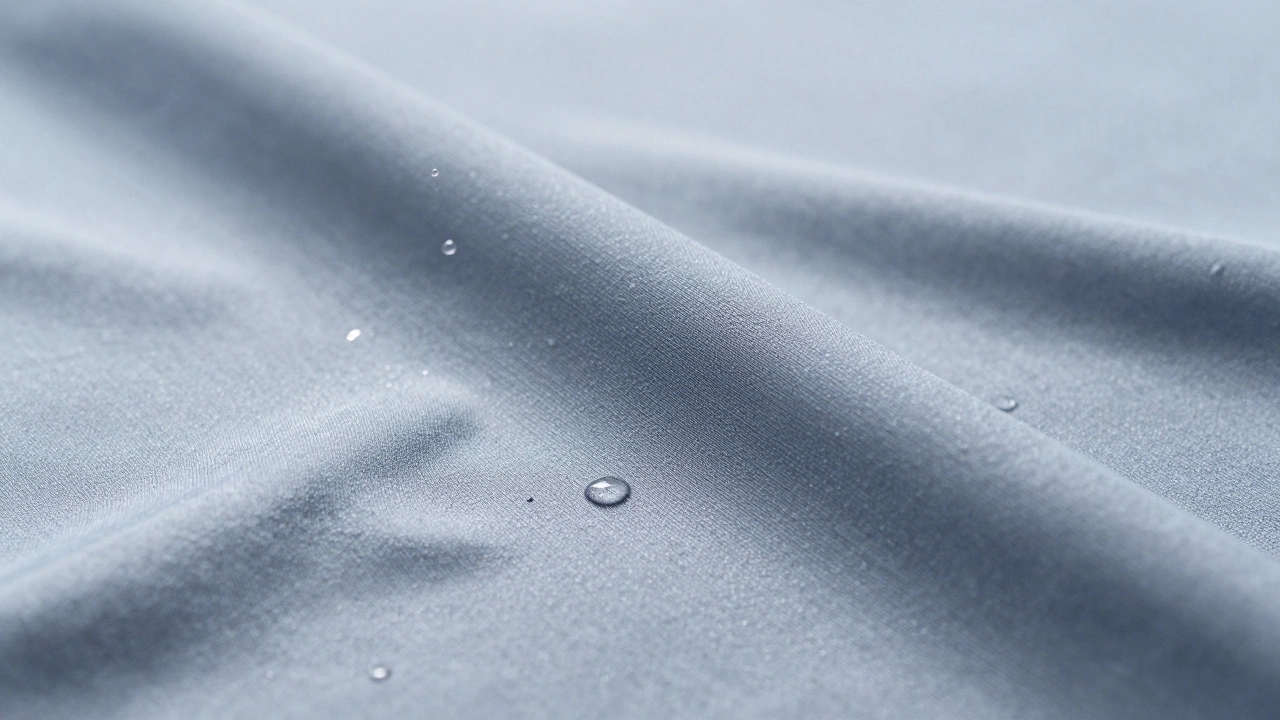
Modern sportswear uses synthetic blends like polyester, nylon, and spandex. These materials don’t absorb water-they pull it away from your skin and spread it across the surface of the fabric so it evaporates faster. This is called moisture-wicking. Brands like Nike, Under Armour, and Lululemon don’t just say they use it-they test it. Their fabrics are engineered to move sweat 3 to 5 times faster than cotton. That’s not marketing. That’s measurable performance.
Stretch and Freedom of Movement
Try doing a deep squat in a pair of stiff jeans. Now try it in leggings made with 20% spandex. The difference isn’t subtle. Sportswear needs to move with you, not against you.
Spandex (also called elastane or Lycra) is the secret sauce. Even a small percentage-5% to 20%-gives fabric the ability to stretch in all directions and snap back without losing shape. That’s why yoga pants don’t ride up, why basketball shorts don’t restrict your stride, and why compression tights help stabilize muscles during jumps and sprints.
It’s not just about stretch, though. Cut matters too. Flatlock seams, gusseted crotches, and articulated knees are all design choices made to eliminate friction and allow full range of motion. You won’t notice them until you’re wearing something that doesn’t have them.
Compression and Muscle Support
Compression gear isn’t just for elite athletes. If you’ve ever felt sore after a long run or heavy leg day, you’ve felt the need for it.
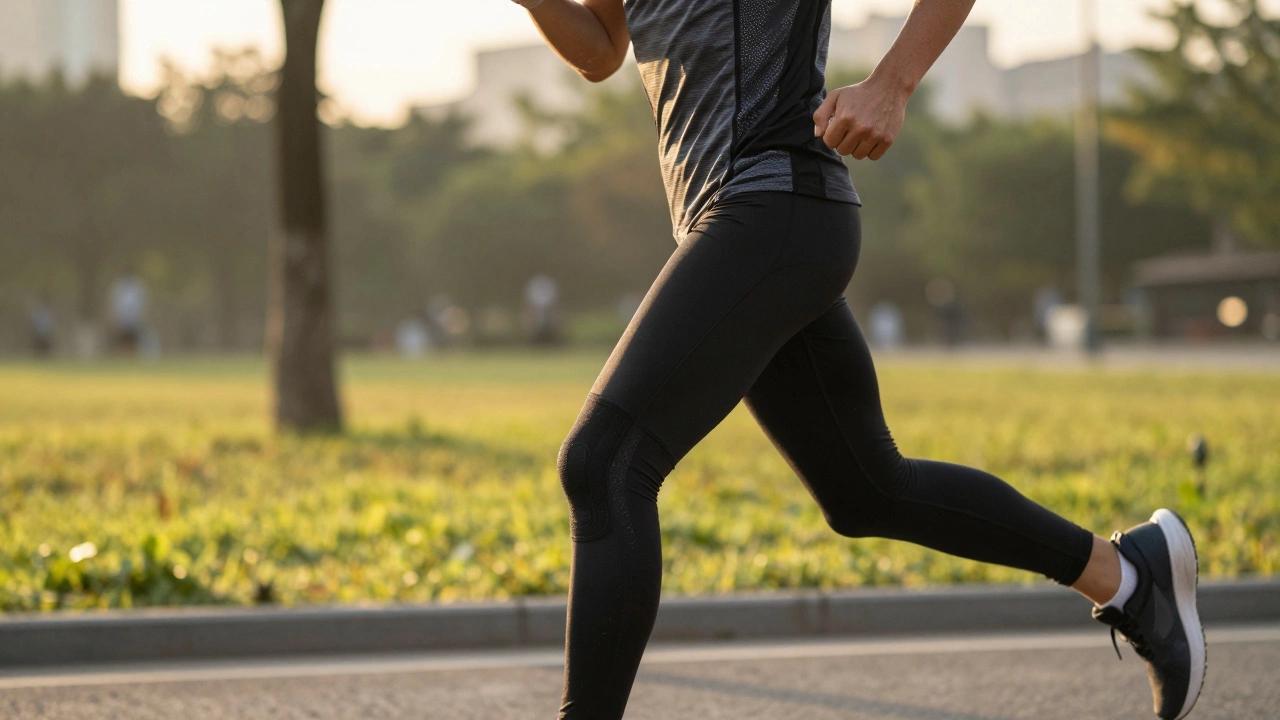
Compression garments apply gentle, graduated pressure to your muscles. That pressure helps improve blood flow, reduces vibration during movement, and can speed up recovery. Studies from the Journal of Strength and Conditioning Research show that athletes wearing compression tights reported less muscle soreness 24 to 48 hours after intense exercise.
It’s not magic. It’s physics. Tighter fabric around the calves, thighs, or arms creates a supportive structure that reduces muscle oscillation. That means less micro-tearing during impact, which equals less fatigue and faster recovery.
Breathability and Temperature Control
Sweating isn’t the enemy-overheating is. Sportswear needs to let heat escape while keeping you warm enough when it’s cold. That’s why you’ll see mesh panels under the arms, along the spine, or on the back of shorts.
These aren’t just decorative. They’re ventilation zones. The fabric in those areas is lighter, more open, and often has a different weave. Some brands even use phase-change materials that absorb excess heat when you’re hot and release it when you cool down. These are the same materials used in astronaut suits and high-end outdoor gear.
For cold-weather training, sportswear layers differently than regular clothes. Base layers trap warmth without bulk. Mid-layers add insulation. Outer shells block wind and light rain. It’s a system, not a single piece.
Odor Resistance and Hygiene
Let’s be honest: sweaty gear smells. But not all sportswear does. That’s because many fabrics now include antimicrobial treatments. Silver ions, zinc oxide, or plant-based compounds like tea tree oil are woven into the fibers to stop bacteria from multiplying.
These aren’t surface sprays that wash out after a few loads. They’re built into the yarn itself. That’s why a pair of running socks from a quality brand can go 5-7 wears before needing a wash. You don’t need to rinse them after every jog. That’s a game-changer for travelers, commuters, or anyone short on time.
Durability Through Design
Sportswear gets punished. It rubs against gym equipment, gets tossed in the washer with towels, stretched over sweat-drenched bodies, and left in hot cars. Regular clothes fall apart fast under that kind of abuse.
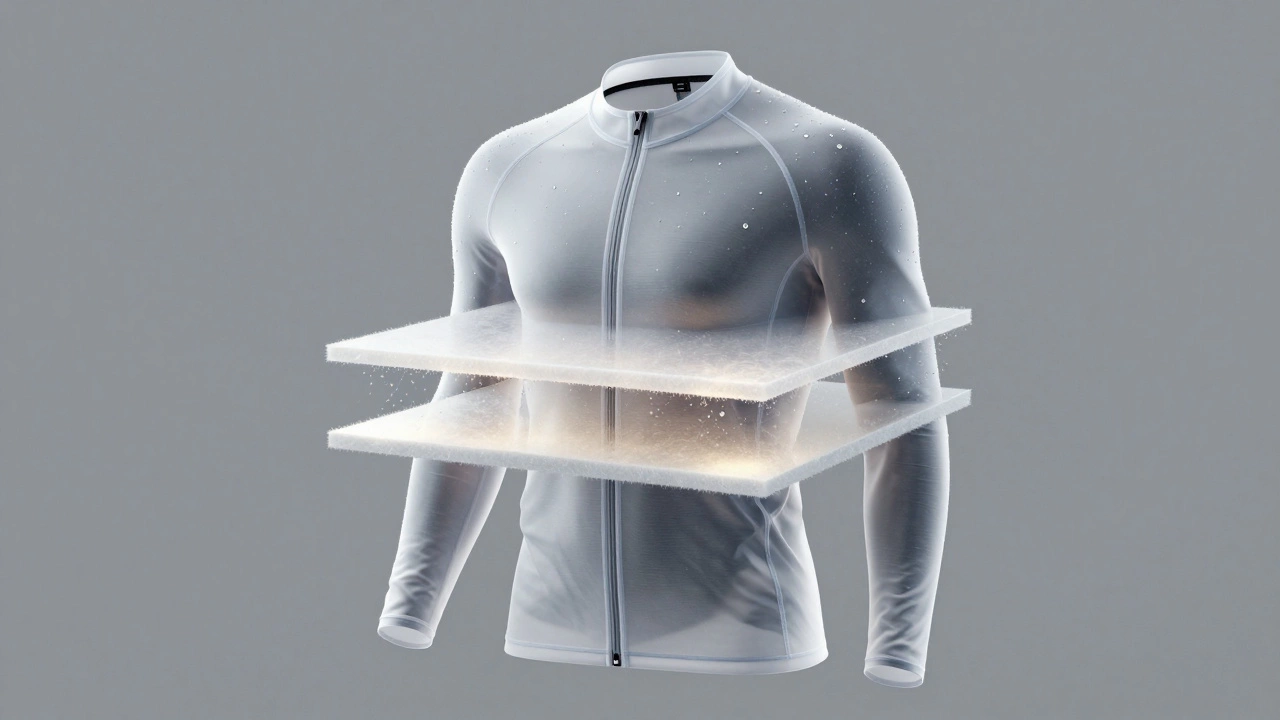
Good sportswear uses reinforced stitching, double-layered seams, and abrasion-resistant fabrics in high-wear areas. Look at the inner thigh of a cycling short or the heel of a running sock. Those areas often have extra fabric or a different weave to handle constant friction.
Also, the dye matters. Cheap sportswear fades after a few washes because the color sits on top of the fabric. Quality pieces use solution-dyed fibers-where the color is mixed into the raw material before spinning. That means the color stays vibrant even after hundreds of washes.
Fit That Works for the Activity
Not all sportswear fits the same. A basketball jersey is loose to allow for arm movement and air flow. A cycling jersey is tight to reduce drag. A yoga top might have a cropped hem to stay put during downward dog.
Fit isn’t just about size-it’s about function. Compression gear hugs. Running gear is trim. Gym wear often has a slightly looser cut for mobility. Even the length of sleeves and legs is intentional. Long sleeves on a running top aren’t for warmth-they’re to block UV rays. Ankle-length leggings aren’t just trendy-they prevent chafing against shoes.
When you buy sportswear, don’t just grab your usual size. Check the brand’s sizing chart. Some brands run small. Others are designed for a specific body type. What fits a runner won’t necessarily fit a weightlifter.
Why This All Matters
Wearing the right sportswear doesn’t make you faster. But it removes barriers. It keeps you dry so you don’t get chilled. It supports your muscles so you can push harder. It lets you move without distraction. It lasts longer so you don’t have to replace it every few months.
When you invest in gear built for movement, you’re not buying clothes. You’re buying consistency. You’re buying comfort. You’re buying the ability to show up again tomorrow-and the next day-without pain, frustration, or excuses.
That’s the real characteristic of sportswear: it doesn’t ask you to adapt to it. It adapts to you.
Is cotton ever okay for sportswear?
Cotton is rarely suitable for serious athletic activity. It holds moisture, becomes heavy, and can cause chafing or overheating. For light walking or casual wear, cotton is fine. But for running, HIIT, cycling, or strength training, synthetic or blended fabrics are far more effective.
What’s the difference between sportswear and activewear?
Activewear is a broader term that includes clothing worn for exercise and casual use-think leggings you wear to run errands. Sportswear is performance-focused gear designed specifically for physical activity. All sportswear is activewear, but not all activewear is sportswear. Sportswear prioritizes function over fashion.
Do I need compression gear to work out?
No, you don’t need it to work out. But if you train hard, recover slowly, or feel muscle fatigue often, compression gear can help. It’s not required, but it’s a tool-like good shoes or a water bottle. Try it during or after intense sessions to see if you notice less soreness.
How often should I replace my sportswear?
It depends on how often you use it and how you care for it. High-quality pieces with solution-dyed fabric and reinforced seams can last 2-3 years with regular use. If the fabric thins, seams unravel, or elasticity is gone, it’s time to replace it. Don’t wait until it’s uncomfortable-your performance will suffer.
Are expensive sportswear brands worth it?
Not always. Some premium brands charge for branding, not performance. But many do invest in fabric R&D, testing, and durability that budget brands skip. Look for key features-moisture-wicking, stretch, seam construction-rather than logos. You can find great performance gear at mid-range prices if you know what to look for.