Slippers Fit Guide: Tight vs. Loose for Comfort
👣 Slipper Fit Analyzer
Assess Your Current Fit
Fit Diagnosis
Adjust the sliders to see your fit analysis.
Your feet swell by up to 10% during the day due to heat and activity, which is why a pair of slippers that feels perfect in the morning might feel like a vice by evening. This fluctuation is the core reason the debate over whether slippers should be tight or loose exists in the first place. Neither extreme is ideal. You want a fit that accommodates natural movement without causing friction or blisters.
Most people assume 'loose' means comfortable, but overly roomy slippers force your toes to grip the sole to keep them on. This constant micro-movement leads to fatigue and potential calluses. On the other hand, 'tight' slippers restrict blood flow and can cause bunions or hammer toes over time. The sweet spot lies in a specific structural fit known as the 'snug-but-free' standard.
The Anatomy of a Proper Slipper Fit
To understand what you are looking for, you need to look at three specific zones of the foot: the heel, the midfoot, and the forefoot. Each zone requires a different level of tension.
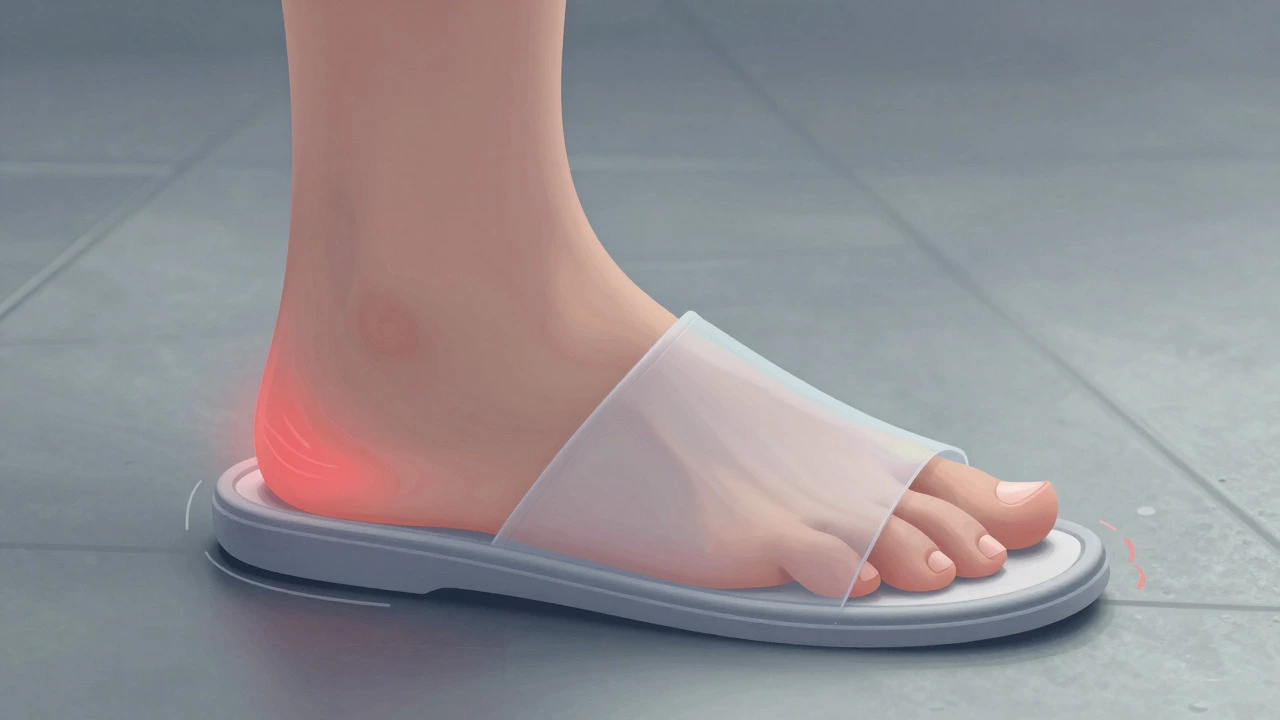
- Heel Counter: This area must be snug. If your heel slips up and down more than half an inch when you walk, the slipper is too large. A secure heel prevents blisters on the Achilles tendon and ensures stability.
- Midfoot (Instep): This section should hold the foot firmly against the sole. Think of it as the anchor point. If there is a gap here, your foot will slide forward with every step, shortening the effective length of the slipper and cramping your toes.
- Forefoot (Toes): This is where most people get it wrong. Your toes should have enough room to wiggle freely, but they should not hit the front wall of the slipper when you take a full step. There should be about a thumb's width of space between your longest toe and the end of the slipper.
If you have wide feet, you need volume in the forefoot but still need a narrow heel. Many mass-produced slippers fail here because they use a single last shape for all sizes. Look for brands that offer 'wide' or 'extra-wide' options specifically designed to widen the toe box without widening the heel counter.
Why 'Loose' Slippers Are Actually Problematic
We often buy slippers a size up because we associate indoor wear with relaxation. However, a loose slipper creates a mechanical problem. When the foot slides inside the shoe, the toes curl under to grab the material. This action engages muscles that are usually relaxed during walking, leading to early onset foot fatigue.
Furthermore, sliding causes friction. Even if the lining is soft, repetitive rubbing against the same spots on your skin creates heat. Heat plus friction equals blisters. You might think a fluffy, oversized slipper is cozy, but after an hour of walking around the house, your feet may feel sore from the effort of keeping the footwear in place.
There is also a safety factor. Loose slippers increase the risk of tripping, especially on hard floors like tile or wood. If the slipper bunches up under your foot or slips off entirely, you lose traction instantly. This is particularly risky for older adults or anyone recovering from a minor injury.
The Dangers of Overly Tight Slippers
Conversely, buying a size down or choosing a style with a narrow toe box can lead to long-term structural issues. Slippers are worn for extended periods while the feet are at rest, meaning any pressure points are felt continuously rather than intermittently.
Tightness in the forefoot can compress the metatarsal heads, leading to pain similar to metatarsalgia. It can also exacerbate existing conditions like plantar fasciitis by restricting the natural flexion of the foot arch. If you notice red marks on your toes or sides of your feet after wearing new slippers, they are likely too tight.
A common mistake is assuming that a 'break-in period' is necessary for tight slippers. Unlike leather dress shoes, which mold to your foot, synthetic materials used in most modern slippers do not stretch significantly. If it hurts on day one, it will hurt on day ten. Avoid relying on thick socks to fill out a tight slipper; this changes the internal dimensions and often makes the fit worse by creating uneven pressure.
Material Matters: How Fabric Affects Fit
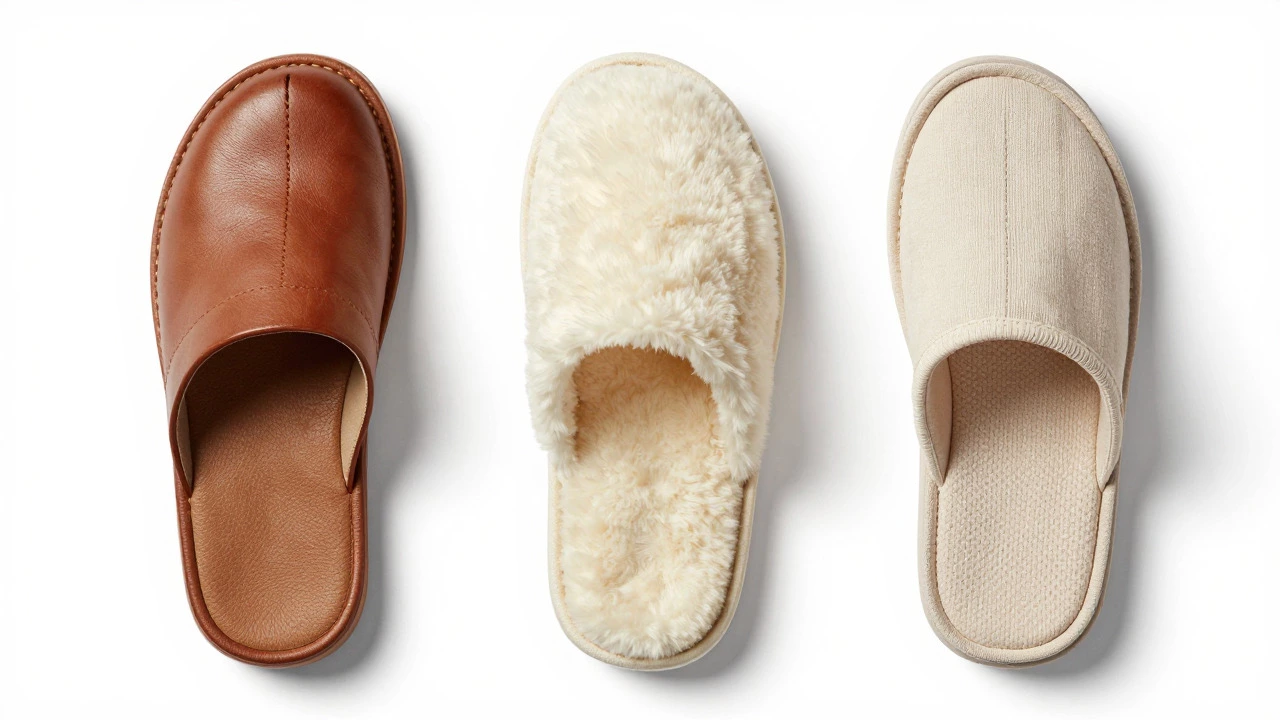
The material of the slipper dictates how much tolerance you have for fit errors. Different materials behave differently under compression and heat.
| Material Type | Fit Tolerance | Best For | Common Issue |
|---|---|---|---|
| Leather | Medium (Stretches slightly) | Daily wear, office homes | Can become stiff if not conditioned |
| Fabric/Cotton | Low (Does not stretch) | Summer, breathable environments | Snags on nails, wears thin quickly |
| Memory Foam | High (Molds to foot) | People with foot pain, flat feet | Loses shape over time, runs small initially |
| Synthetic Fleece | Medium (Soft but structured) | Cold weather, winter | Traps heat, can cause sweating |
Leather slippers offer the best balance. They start firm but soften with wear, accommodating slight variations in foot shape. Memory foam slippers are excellent for support but require precise sizing because the foam compresses immediately upon weight. If you choose memory foam, expect the initial fit to feel snug, as the material will expand slightly to match your foot's contour within the first week of use.
Fabric slippers, such as canvas or cotton moccasins, are unforgiving. They do not stretch. If your foot swells even slightly, a fabric slipper will feel constrictive. These are best suited for individuals with consistent foot size throughout the day and those who do not experience significant swelling.
How to Test Your Fit Before Buying
You can determine the correct fit before making a purchase by following a simple testing protocol. Do not rely solely on the size label, as sizing varies drastically between manufacturers.
- Measure at the End of the Day: Feet are largest in the evening. Measure both feet, as one is often larger than the other. Use the measurement of the larger foot.
- Check the Heel Lock: Stand up and lift your heel. If it lifts more than 5mm (roughly the thickness of two pennies), the slipper is too big. If it locks completely without resistance, it is a good candidate.
- Perform the Toe Wiggle Test: While standing, try to spread your toes. If you cannot move them freely, the toe box is too narrow. If your toes touch the front edge, the length is insufficient.
- Walk the Room: Take at least ten steps. Pay attention to where friction occurs. If you feel rubbing on the sides of your little toe, the width is wrong. If you feel pressure on the top of your foot, the instep is too low or tight.
If you are buying online, check the return policy first. Most reputable retailers allow returns for fit issues, but some charge restocking fees. Read the fine print. Also, look for customer reviews that mention 'runs small' or 'runs large.' User feedback is often more accurate than manufacturer charts because it reflects real-world usage.
Special Considerations for Specific Foot Types
Not all feet are created equal. Your specific anatomy may require adjustments to the standard fit rules.
Flat Feet: Individuals with low arches often find that standard slippers lack support. Look for models with a defined arch support or a contoured footbed. A loose slipper is dangerous for flat feet because it allows the foot to collapse inward, straining the ligaments. A snug midfoot helps maintain alignment.
High Arches: People with high arches tend to have narrower heels and wider forefeet. Standard slippers often pinch the heel or leave the forefoot empty. Look for slippers with a wider toe box and a softer heel counter. Avoid rigid soles that do not flex with your gait.
Bunions: If you have bunion deformities, avoid any slipper with a pointed toe box. The pressure on the outer side of the big toe will cause pain. Choose rounded or square-toe designs. Ensure there is extra volume in the first metatarsal area. A slipper that is 'loose' in the toe box but 'tight' elsewhere is acceptable for bunion sufferers, provided the heel remains secure.
Maintenance and Longevity of Fit
Even if you get the right fit initially, maintenance affects how the slipper feels over time. Dirt and moisture degrade materials, changing their structure.
Keep your slippers dry. Wet leather shrinks and becomes stiff, potentially making a previously comfortable slipper tight. Wet fabric can mildew and lose its elasticity. Rotate pairs if possible, allowing each pair to air out completely between uses. This preserves the integrity of the lining and the sole.
Replace slippers when the sole wears through or the lining flattens out. Worn-out cushioning forces your foot to absorb more impact, which can change your gait and make other footwear feel uncomfortable. As a rule of thumb, replace indoor slippers every 6 to 12 months with regular daily use.
FAQ
Should I buy slippers a size up?
Generally, no. Buying a size up often results in a loose heel and excessive sliding, which causes blisters and foot fatigue. Instead, stick to your true size and ensure there is adequate room in the toe box. If you have wide feet, look for a 'wide' width option rather than increasing the length size.
Are tight slippers bad for circulation?
Yes, excessively tight slippers can restrict blood flow, particularly if they compress the midfoot or ankle area. This can lead to numbness, tingling, or cold feet. If you experience these symptoms, the slipper is too tight. Ensure there is no pinching sensation anywhere on the foot.
What is the best material for loose-fitting slippers?
If you prefer a looser fit, choose materials with some give, such as soft leather or knit fabrics. These materials accommodate swelling better than rigid synthetics. However, even with loose-fitting materials, the heel should remain relatively secure to prevent slipping hazards.
Do memory foam slippers run small?
Often, yes. Memory foam compresses under weight, which can make the interior feel smaller initially. Many users find that memory foam slippers fit snugly out of the box but loosen slightly after a few days of wear as the foam molds to their foot shape. Check specific brand reviews for sizing advice.
How can I tell if my slippers are too big?
The primary sign is heel slip. If your heel moves up and down more than half an inch when walking, the slipper is too large. Another sign is if your toes curl to grip the sole. If you have to consciously hold your feet in the slippers, they are likely too roomy.
Is it okay to wear slippers with socks?
It depends on the sock thickness. Thin socks are generally fine, but thick wool or thermal socks can add significant volume, effectively making the slipper a size smaller. If you plan to wear thick socks regularly, consider buying a half-size up or choosing a slipper with a deeper toe box and higher instep.