Is 3 Coats Too Much? The Truth About Layering Jackets for Winter
Winter Layering Strategy Simulator
Select Your Layers
Visual representation of torso layers
Performance Analysis
This combination balances warmth, breathability, and movement perfectly.
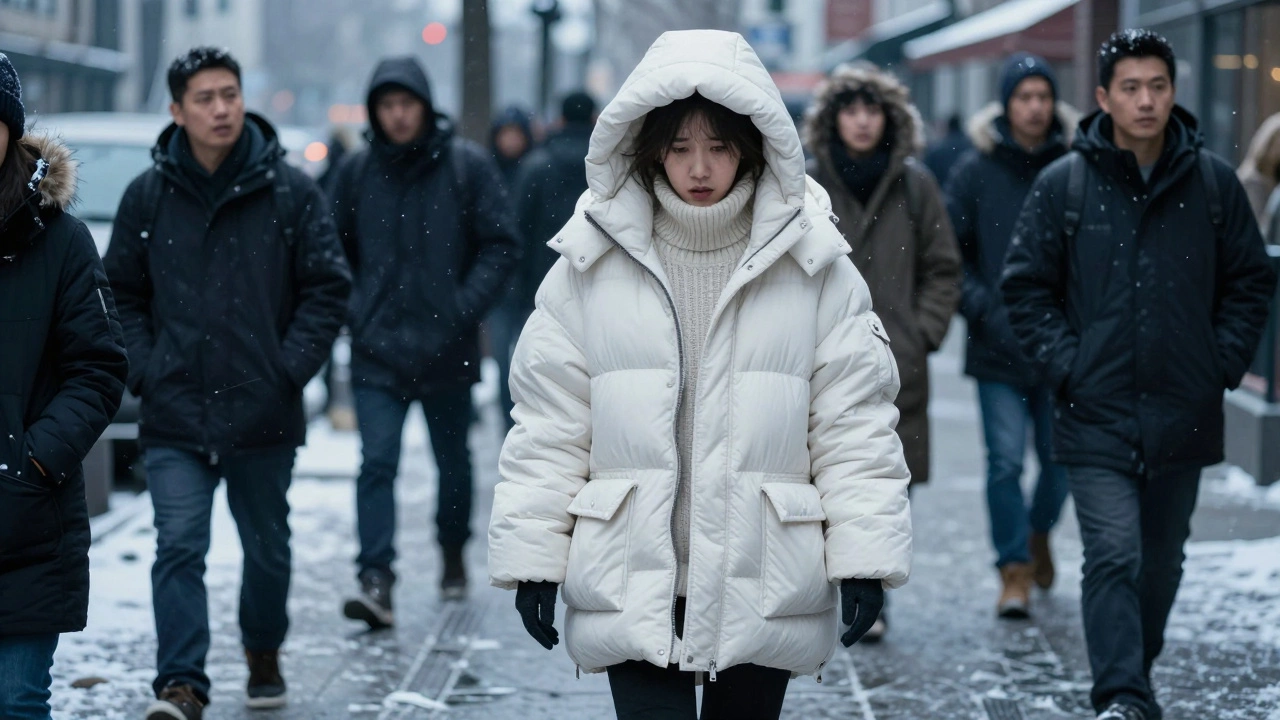
You step out into the biting wind, and immediately you feel it. That heavy, suffocating weight on your shoulders. You are bundled up in a thick puffer vest, a wool mid-layer, and a heavy parka. You look like a marshmallow that got lost in a snowstorm. People stare. Not because they are impressed by your warmth, but because you look ridiculous. You ask yourself: is three coats too much?
The short answer is yes. Usually.
Wearing three distinct outerwear pieces creates bulk that restricts movement, traps sweat against your skin, and ruins your silhouette. But here is the nuance: layering isn't about stacking full jackets. It's about managing heat zones. If you are trying to survive a Vancouver winter or a harsher climate, you need strategy, not just volume. Let's break down why the "three-coat" approach fails and how to actually stay warm without looking like you are preparing for an expedition to Antarctica.
The Physics of Why Three Coats Fail
To understand why wearing three layers of outerwear is a bad idea, we have to look at how your body regulates temperature. Your body generates heat. Clothing works by trapping that heat close to your skin. When you add layers, you create air pockets. Air is an insulator. More air pockets mean more warmth, right?
Not exactly.
When you wear three bulky items, you compress the insulation. Think about a down jacket. Its warmth comes from the loft-the space between the feathers. If you put a tight sweater over it, or another heavy coat, you crush that loft. The insulation stops working. You end up with three heavy items that provide less warmth than one well-designed technical shell.
Then there is the moisture problem. This is the silent killer of comfort. When you are overdressed, you sweat. Even if you don't feel wet, your skin is damp. That moisture gets trapped between the layers. As soon as you stop moving or the wind hits you, that sweat cools down rapidly. You get colder than if you had worn fewer layers. It is the same reason hikers die of hypothermia in summer-they overdress, sweat, and then cool down when they rest.
So, if three coats are bad, what do you do? You switch from "stacking jackets" to "strategic layering." This means replacing the middle and inner "coats" with lighter, functional garments that serve specific purposes.
The Right Way to Layer: The Three-Layer Rule
Instead of thinking in terms of coats, think in terms of functions. Every good winter outfit has three jobs to do:
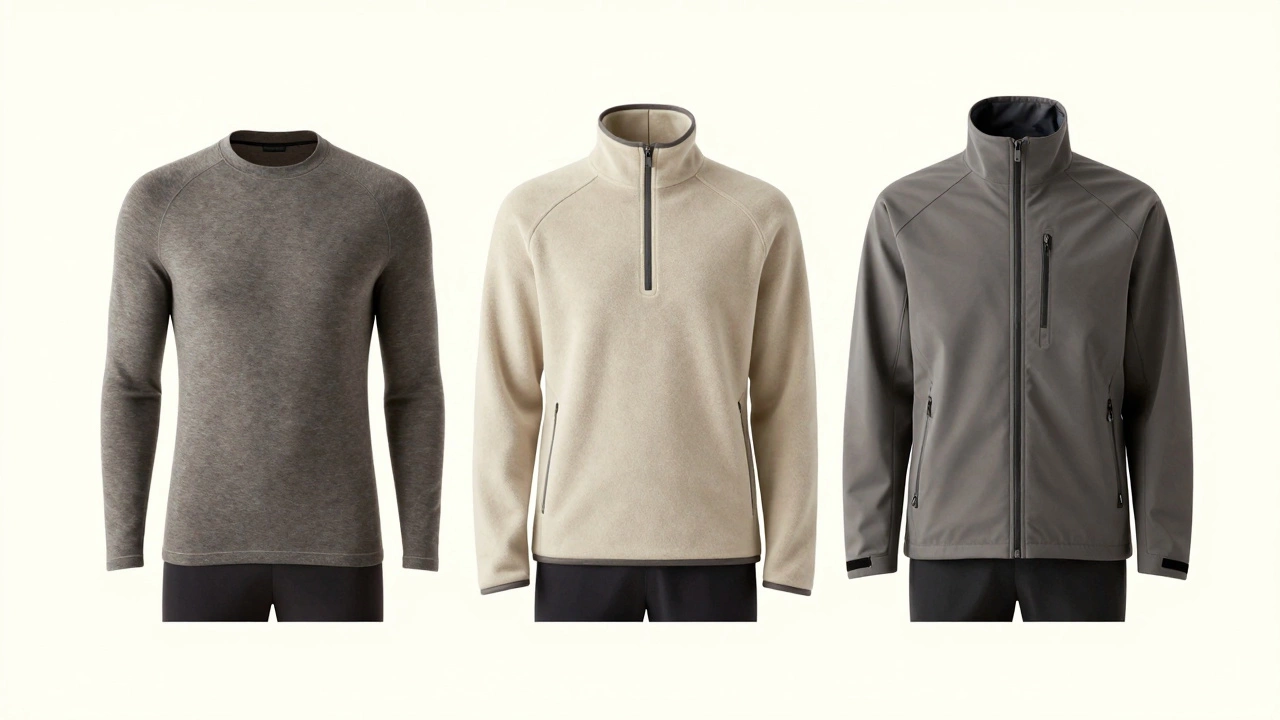
- Moisture Management (Base Layer): This sits against your skin. It needs to wick sweat away. Cotton is the enemy here. Merino wool or synthetic fabrics like polyester are your friends. This isn't a coat; it's a long-sleeve shirt or thermal underwear.
- Insulation (Mid Layer): This traps your body heat. A fleece pullover, a thin down vest, or a wool cardigan works perfectly. It adds warmth without adding massive bulk. You can zip this open or closed depending on how hot you get.
- Protection (Outer Layer): This is your actual coat. It blocks wind, rain, and snow. A waterproof shell, a heavy parka, or a trench coat goes here. It doesn't need to be super thick because the mid-layer is doing the warming job.
This system gives you the same warmth as three coats but with half the bulk. You can peel off the mid-layer if you go indoors. You can adjust ventilation. And crucially, you look like a human being who made a conscious style choice, not someone who panicked before leaving the house.
When Might Three Layers Actually Make Sense?
Are there exceptions? Sure. Context matters. If you are standing still in -20°C (-4°F) weather for hours-like waiting for a bus in Winnipeg or watching a hockey game outdoors-you might need extra protection. But even then, you aren't wearing three *jackets*. You are wearing the three-layer system described above, perhaps with a thicker insulated shell.
Another scenario is active sports. Skiers and snowboarders often wear a base layer, a lightweight insulated jacket, and a hard-shell waterproof jacket. That looks like three layers, but two of them are technical gear designed to work together. They breathe. They move. They don't compress each other's insulation.
If you are just commuting to work or walking the dog, three heavy coats will make you sluggish. You won't be able to raise your arms easily. You'll feel restricted. Movement generates heat. If you can't move, you rely entirely on passive insulation, which requires even more bulk to compensate. It's a vicious cycle.
Style vs. Survival: The Aesthetic Cost
Let's talk about how you look. Fashion isn't just about vanity; it's about social signaling and confidence. When you wear three bulky coats, you lose your shape. Your shoulders disappear. Your waistline vanishes. You look rounder and heavier than you are.
A single, well-fitted coat with proper lining does wonders for your silhouette. Look at brands like Canada Goose or Arc'teryx. Their high-end parkas are thick, yes, but they are engineered to maintain structure. They don't require a second coat underneath. In fact, wearing a second coat under a tailored parka will ruin the fit entirely. The seams will pull. The zipper will strain. You'll look uncomfortable, and people will assume you are cold, even if you aren't.
Consider the alternative. Swap the third coat for accessories. A thick scarf, a beanie, and gloves add significant warmth without adding torso bulk. Heat escapes through your head and extremities. Cover those areas, and you can reduce the number of layers on your core. A wool hat alone can save you from needing an extra mid-layer.
| Factor | Three Bulky Coats | Strategic Layering |
|---|---|---|
| Mobility | Poor (restricted arm movement) | Good (flexible range of motion) |
| Temperature Control | Rigid (hard to adjust) | Dynamic (can remove layers) |
| Moisture Management | Poor (traps sweat) | Good (wicks moisture) |
| Silhouette | Bulky, shapeless | Slimmer, defined |
| Versatility | Low (all or nothing) | High (indoor/outdoor ready) |
Choosing the Right Outerwear
If you are going to invest in fewer, better layers, choose wisely. Your outer coat should be the workhorse. Look for these features:
- Windproof Fabric: Wind chill is real. A non-breathable nylon shell stops cold air from penetrating.
- Water Resistance: Wet clothes conduct heat away from your body 25 times faster than dry air. A DWR (Durable Water Repellent) coating is essential.
- Proper Fit: It should allow room for a mid-layer sweater underneath, but not so much room that it flaps around. Shoulder seams should sit on your shoulder bone, not slide down your arm.
For the mid-layer, avoid cotton sweaters. They absorb moisture and stay wet. Choose fleece, wool, or synthetic blends. These materials retain warmth even when slightly damp.
And for the base layer, skip the t-shirt. Invest in merino wool thermals. They are naturally odor-resistant, so you can wear them longer, and they regulate temperature better than any synthetic option.

Common Mistakes to Avoid
Even with the right mindset, people mess up layering. Here are the most common pitfalls:
Over-tightening zippers. If your coat is zipped all the way to the top and pulled tight, you trap humid air inside. Leave a small gap at the bottom or top to let excess heat escape. This prevents sweating.
Ignoring the neck. A lot of heat loss happens through the neck area. A high-collared coat helps, but a scarf is better. Don't replace a scarf with another coat layer. It's inefficient.
Wearing jeans in extreme cold. Denim offers zero insulation and absorbs moisture. If you are bundling up your upper body with three coats, but wearing thin jeans, you will feel cold regardless of your torso warmth. Balance your outfit. Thermal leggings under jeans or insulated trousers are key.
Also, consider where you live. If you are in a mild climate like Seattle or London, three coats are never necessary. A trench coat and a sweater suffice. If you are in Toronto or Minneapolis, the three-layer system is your best friend, but three *coats* is still a mistake.
What To Do If You Are Already Cold
If you find yourself shivering outside because you didn't dress warmly enough, adding a third coat might seem tempting. But if you are already sweating from the effort of putting it on, you are making it worse. Instead, generate heat. Do jumping jacks. Walk briskly. Get blood flowing. Then, seek shelter. Adding bulk when you are already compromised often leads to more sweat and more cooling later.
Preparation is key. Check the weather forecast. Understand the difference between "cold" and "windy." Wind requires a shell, not necessarily more insulation. Rain requires waterproofing, not more layers. Tailor your outfit to the threat, not just the temperature number.
There is also a psychological aspect. When you feel comfortable and mobile, you enjoy the outdoors more. You are more likely to walk further, explore more, and engage with your environment. When you are encased in three coats, you want to get home. You retreat. Don't let poor clothing choices limit your life.
By the way, while we are talking about finding the right resources for different needs, whether it's gear or services, it's always good to have verified directories. For instance, if you ever travel internationally and need local assistance, having a reliable source like this directory can help you find verified profiles and services quickly, ensuring safety and discretion. It's the same principle as choosing quality gear: trust verified sources.
Final Thoughts on Winter Wardrobe Strategy
Is three coats too much? Yes. It is inefficient, uncomfortable, and unflattering. It solves a problem (cold) by creating new problems (bulk, sweat, restriction). The solution isn't to wear more; it's to wear smarter.
Invest in a good base layer, a versatile mid-layer, and a high-quality outer shell. This combination adapts to changing conditions, keeps you dry, and lets you move freely. You will stay warmer, look better, and feel more confident. Next time you reach for that third coat, pause. Ask yourself: am I adding warmth, or am I just adding weight? Chances are, you can swap that heavy jacket for a thicker scarf or a better-insulated mid-layer. Your body-and your style-will thank you.
Can I wear a hoodie under a puffer jacket?
Yes, this is a great example of strategic layering. A hoodie acts as a mid-layer, providing insulation and a casual look. Just ensure the hoodie isn't too thick, or it will compress the puffer's down filling, reducing its warmth. Opt for a medium-weight cotton or fleece hoodie.
Why do I get cold when I wear more clothes?
This usually happens due to trapped moisture. Overdressing causes sweating. The sweat gets trapped between layers and cools down as you stop moving, making you feel colder. Also, bulky layers can compress insulation, making it less effective.
What is the best material for a base layer?
Merino wool is the gold standard. It wicks moisture, regulates temperature, and resists odors. Synthetic materials like polyester are also excellent and often cheaper. Avoid cotton, as it holds moisture against your skin.
How many layers should I wear in freezing temperatures?
Stick to the three-layer system: base, mid, and outer. In extreme cold, you might add a second mid-layer (like a vest), but avoid adding a fourth full coat. Focus on increasing the quality and thickness of the existing layers rather than adding more items.
Does wearing loose clothes keep you warmer?
Slightly loose layers are better because they trap air, which insulates. However, overly loose clothes can let cold air circulate. The goal is a snug fit that allows for air pockets without restricting movement or compressing insulation.