How Often Should You Wash Jeans? The Expert Guide to Denim Care
Denim Care & Wash Calculator
Your Usage Profile
Recommended Frequency
Approx. every 1.5 weeks
Why this recommendation?
Standard denim balances durability with hygiene. Washing too often fades the indigo, while waiting too long allows bacterial buildup from sweat.
Care Instructions:
- Wash inside out in cold water (30°C).
- Air dry only; avoid the dryer.
- Use a gentle cycle to preserve fibers.
There is a strange ritual in the world of fashion that involves ignoring your pants until they smell like a gym bag. For years, denim experts and style icons have whispered the same advice: wear your jeans until they break in, then wash them. But does this rule still hold up in 2026, or are we just being lazy about hygiene? The answer isn't as simple as "never" or "every time." It depends on the type of denim you own, how you live your life, and whether you value the perfect fade over fresh-smelling legs.
Washing jeans too often can ruin the fit, fade the color unevenly, and weaken the fibers. Washing them too rarely can lead to bacterial buildup and odors that no amount of air-drying will fix. Finding the sweet spot requires understanding the material itself. Denim is a sturdy cotton warp-faced textile in which the weft passes under two or more wires. This tight weave traps oils, sweat, and dirt differently than loose-knit fabrics. Because of this structure, it holds onto scents longer but also retains its shape better if treated gently.
The Golden Rule: How Many Wears Before Washing?
If you want a direct answer, here it is: for most people, washing jeans every 10 to 15 wears is the ideal frequency. This guideline comes from decades of denim craftsmanship and has been refined by modern laundry science. However, this number shifts based on several factors.
Consider your daily routine. If you sit at a desk all day, your jeans aren't absorbing much sweat. In this case, you might stretch that window to 20 wears. On the other hand, if you commute on public transit, work out before putting them on, or live in a humid climate like Vancouver during the summer rain season, you should aim for the lower end of that spectrum. Sweat contains salts and bacteria that break down cotton fibers over time. Leaving damp sweat in the fabric for weeks can actually degrade the denim faster than washing would.
Another critical factor is the type of denim. Raw denim, also known as selvedge denim, is unwashed and untreated after dyeing. Enthusiasts of raw denim often wait months before the first wash to develop unique creases and fades. These "whiskers" and "honeycombs" are prized marks of personal use. For these jeans, the rule changes drastically. You might go three to six months between washes. Standard pre-washed or stretch jeans, however, do not have the same structural integrity or aesthetic goals. They are designed for comfort and consistency, so the 10-15 wear rule applies strictly.
Why Washing Less Is Better for Your Jeans
You might wonder why reducing washes helps. The primary reason is fiber preservation. Cotton fibers become brittle with repeated agitation and exposure to detergents. Each wash cycle removes some of the natural oils that keep the fabric soft and pliable. Over time, this leads to thinning fabric, especially in high-friction areas like the thighs and knees.
Color retention is another major benefit. Indigo dye, the classic blue color of jeans, is notoriously difficult to lock into cotton. It sits on the surface of the fibers rather than penetrating deeply. Every wash strips away a layer of this dye. By washing less frequently, you preserve the deep, rich color of your jeans for years. This is particularly important for dark washes, which tend to look faded and worn out quickly if laundered weekly.
Fit stability is also improved. Modern jeans often contain elastane or spandex to provide stretch. These synthetic fibers lose their elasticity when exposed to heat and harsh chemicals. Frequent washing causes the waistband to sag and the legs to bag out. By minimizing washes, you maintain the original cut and silhouette of the garment. This means your jeans will fit better for longer, saving you money in the long run because you won't need to replace them as often.
When You Absolutely Must Wash Them
Despite the benefits of infrequent washing, there are times when hygiene overrides aesthetics. You should wash your jeans immediately if:
- You spill food or drink on them. Stains set into cotton fibers quickly, becoming permanent if not treated promptly.
- You notice an odor. If your nose wrinkles when you put them on, it's time to clean them. Odor indicates bacterial growth that can cause skin irritation.
- You've worn them while sweating heavily. Exercise sweat, gardening sweat, or summer heat sweat needs to be removed to prevent fiber degradation.
- You've worn them without underwear. This increases the risk of transferring body oils and bacteria directly to the fabric, requiring more frequent cleaning.
In these cases, don't hesitate. A quick wash will save the pair from becoming unwearable due to stains or smells. Remember, the goal is not to never wash your jeans, but to wash them intelligently.
The Right Way to Wash Jeans: Step-by-Step
When the time finally comes to wash your jeans, how you do it matters just as much as how often. Using the wrong method can undo all the good habits you've built. Here is the best practice for laundering denim:
- Turn them inside out. This protects the outer surface from friction against other clothes and the drum of the washing machine. It helps prevent fading and pilling.
- Use cold water. Hot water shrinks cotton and sets stains. Cold water cleans effectively while preserving the dye and elastic fibers. Aim for 30°C (86°F) or lower.
- Choose a gentle cycle. Aggressive cycles tumble the jeans violently, causing stress on the seams and fabric. A delicate or hand-wash cycle reduces this impact significantly.
- Use mild detergent. Avoid bleach and optical brighteners. These chemicals strip color and weaken fibers. A neutral pH detergent designed for dark colors works best.
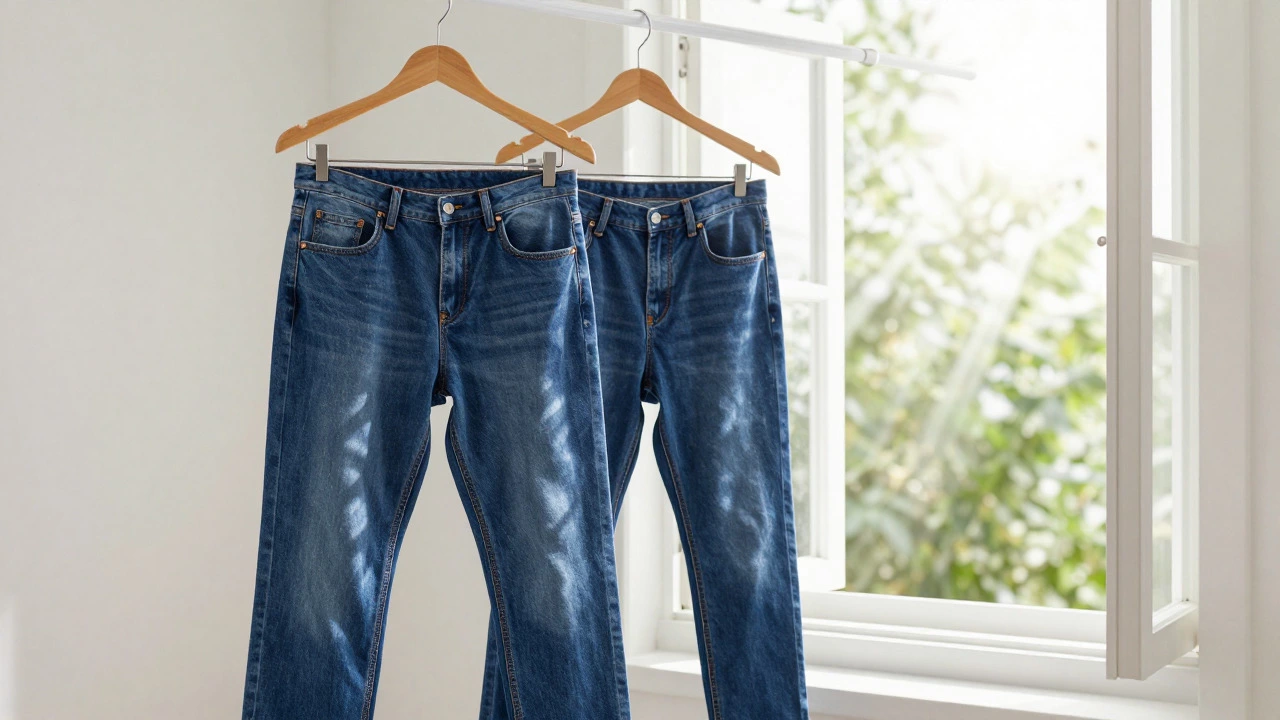
- Air dry only. Never put jeans in the dryer. The heat destroys elastane and shrinks cotton unpredictably. Hang them by the waistband or lay them flat to dry. This also saves energy and extends the life of your appliance.
For those who prefer not to use a machine, hand washing is an excellent alternative. Fill a bathtub or large basin with cold water and a small amount of detergent. Submerge the jeans and let them soak for 30 minutes. Gently agitate the water with your hands, focusing on stained areas. Rinse thoroughly until the water runs clear. Squeeze out excess water without wringing, which can distort the shape. Then hang to dry.
Alternatives to Washing: Keeping Jeans Fresh Between Cycles
Between washes, you can keep your jeans smelling fresh and looking crisp without subjecting them to a full laundry cycle. These methods refresh the fabric and remove surface dust.
Airing out is the simplest technique. After wearing your jeans, hang them in a well-ventilated area, preferably near an open window. Fresh air helps dissipate odors and allows moisture to evaporate. In Vancouver's mild climate, hanging jeans outside on a sunny day can also help kill some bacteria naturally through UV exposure.
Freezing is a popular myth. Some believe that freezing jeans kills bacteria. While extreme cold does inhibit bacterial growth, it doesn't eliminate them entirely. When the jeans thaw, the bacteria become active again. Freezing might help with odors temporarily by slowing down microbial activity, but it is not a substitute for washing. Use it as a stopgap measure, not a solution.
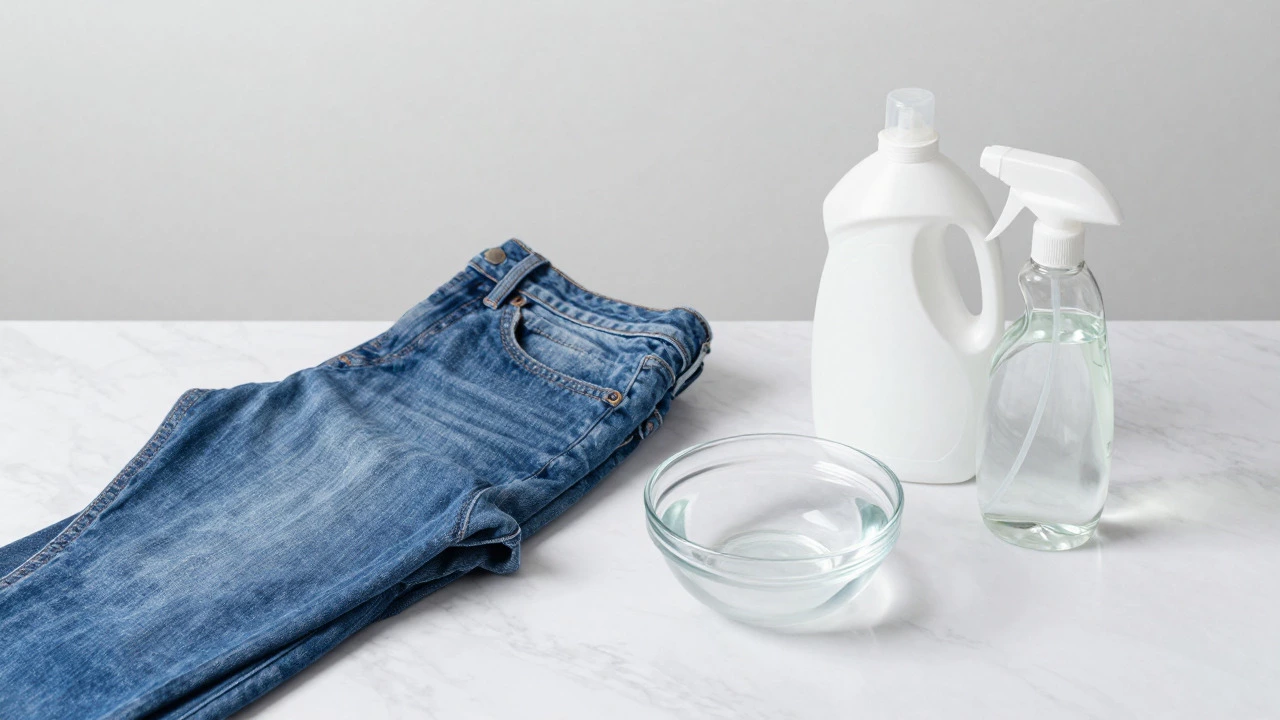
Spot cleaning is effective for minor stains. Mix equal parts water and white vinegar in a spray bottle. Lightly mist the stained area and blot with a clean cloth. Vinegar is a natural disinfectant and deodorizer. It breaks down odor-causing compounds without damaging the fabric. Let the area air dry completely before wearing.
| Method | Frequency | Best For | Impact on Fabric |
|---|---|---|---|
| Machine Wash | Every 10-15 wears | Deep cleaning, heavy soiling | Moderate wear, color loss if hot water used |
| Hand Wash | Every 15-20 wears | Delicate denims, raw denim | Minimal wear, preserves shape and color |
| Airing Out | After every wear | Freshening, odor reduction | No negative impact |
| Spot Cleaning | As needed | Minor stains, localized odors | Localized effect, no overall wear |
Special Considerations for Different Denim Types
Not all jeans are created equal. Understanding the specific characteristics of your denim helps tailor your care routine.
Raw Denim: As mentioned, these require minimal washing. Focus on airing out and spot cleaning. When you do wash, hand wash in cold water with minimal agitation. Avoid detergents if possible; plain water may suffice for light refreshment.
Stretch Denim: Contains elastane or spandex. Heat is the enemy. Always wash in cold water and air dry. Avoid fabric softeners, which coat the elastic fibers and reduce their ability to snap back. This keeps the jeans fitting snugly around the hips and thighs.
Linen-Cotton Blends: These are common in warmer months. Linen wrinkles easily and can shrink. Wash on a gentle cycle with cold water. Iron while slightly damp if necessary, using a low heat setting. Air dry to maintain the relaxed drape.
Black Denim: Prone to fading and showing lint. Turn inside out and wash separately from lighter colors initially. Use a detergent formulated for darks. Avoid overloading the washer, which increases friction and fading.
Common Mistakes That Ruin Jeans
Even with the best intentions, many people make errors that shorten the life of their favorite pants. Avoid these pitfalls:
- Using the dryer. This is the single biggest mistake. The tumbling action and high heat destroy fibers and shrink cotton. It also causes static cling, attracting lint and pet hair.
- Washing with zippers and buttons undone. Metal hardware can snag other clothes and damage the drum. More importantly, leaving buttons undone prevents the jeans from twisting, which helps maintain their shape. Zip up the fly to protect the teeth from bending.
- Overloading the washer. Jeans need room to move freely. Cramping them in with other items increases friction, leading to pilling and fading. Wash jeans in pairs or with similar lightweight items.
- Ignoring care labels. Manufacturers test their products extensively. The care label provides specific instructions tailored to the fabric blend and construction. Following these guidelines ensures you get the most out of your purchase.
Extending the Life of Your Jeans
Beyond washing, other practices contribute to the longevity of your denim. Rotation is key. Having multiple pairs of jeans allows each pair to rest between wears. This gives the fibers time to recover from stretching and any residual moisture to evaporate. Aim for at least two days between wearing the same pair.
Repairs are part of the denim journey. Small holes and frayed hems can be mended easily. Learning basic sewing skills or finding a reliable tailor can save a beloved pair from the landfill. Patching holes creatively can add character to your jeans, turning a flaw into a feature.
Storage matters too. Hang jeans on wide, padded hangers to avoid creasing the waistband. Folding them neatly in a drawer works as well, provided the drawer isn't overcrowded. Avoid wire hangers, which create sharp creases and distort the shape of the waist.
Can I wash my jeans in the dishwasher?
Technically, yes, but it's not recommended. Dishwashers use hot water and harsh detergents designed for grease removal, not fabric care. The heat can shrink cotton and damage elastic fibers. The agitation is also unpredictable. Stick to the washing machine or hand washing for consistent results.
Does freezing jeans really kill bacteria?
No, it doesn't kill bacteria; it only puts them in a dormant state. When the jeans warm up, the bacteria become active again. Freezing might reduce odors temporarily by slowing microbial activity, but it is not a hygienic replacement for washing. Use it only as a temporary measure if you cannot wash immediately.
How do I remove stubborn odors from jeans without washing?
Hang your jeans outside in fresh air and sunlight. UV rays have natural antibacterial properties. You can also spray them lightly with a mixture of water and white vinegar or a fabric refresher spray. Allow them to dry completely before wearing. For persistent odors, a short steam session can help lift smells without a full wash.
Should I wash new jeans before wearing them?
It depends on the type. For raw denim, many enthusiasts skip the first wash to start developing fades immediately. For pre-washed or stretch jeans, washing once before wearing can remove manufacturing residues and sizing agents. It also helps you see how the jeans fit after the first shrinkage cycle, allowing for adjustments if needed.
What temperature is best for washing jeans?
Cold water, ideally below 30°C (86°F), is best. Cold water preserves indigo dye, prevents shrinking, and protects elastic fibers. Hot water accelerates fading, shrinks cotton, and can set protein-based stains like blood or sweat. Always check the care label, but cold is generally the safest bet for all denim types.
Can I use fabric softener on jeans?
Avoid fabric softener. It coats the fibers with a waxy residue that reduces absorbency and breathability. For stretch jeans, it weakens the elastic fibers, causing them to lose their snap-back ability. Instead, use a small amount of white vinegar in the rinse cycle to soften fibers naturally without leaving a coating.
How long should I soak jeans before washing?
If hand washing, soak for 20-30 minutes in cold water with detergent. This allows the soap to penetrate the thick weave and loosen dirt. Do not soak for hours, as prolonged exposure to water can weaken fibers and cause color bleeding. After soaking, gently agitate and rinse thoroughly.