2024 Jeans Trends: The Styles You Actually Need
2024 Denim Style Finder
Not sure which cut fits you? Answer three quick questions to find your ideal 2024 denim match.
Recommended Style
Top Pick- Why it works:
- Best Pairing:
- Pro Tip:
Fit Details
Rise:
Leg Width:
Fabric Focus:
You probably walked into a store recently and felt that familiar panic. The skinny jean is dead, but what replaced it? If you are staring at a wall of denim wondering if you should buy the barrel leg or stick with the straight leg, you aren't alone. Fashion cycles move fast, but denim moves slower. In 2024, the market didn't just swap one shape for another; it fragmented. We are seeing a clash between hyper-relaxed silhouettes and structured, retro-inspired cuts. This isn't about following every micro-trend on TikTok. It's about finding the pair that survives more than three washes.
Here is the reality check: comfort is no longer an afterthought. Post-pandemic habits stuck around. People want denim that allows movement without looking like pajamas. But "comfort" doesn't mean "sloppy." The key to 2024 denim is intentionality. You need to understand the specific cuts dominating the racks so you can curate your wardrobe rather than cluttering it. Let's break down the actual styles holding weight this year, based on what is selling, not just what influencers are wearing for one photo.
The Rise of the Barrel Leg
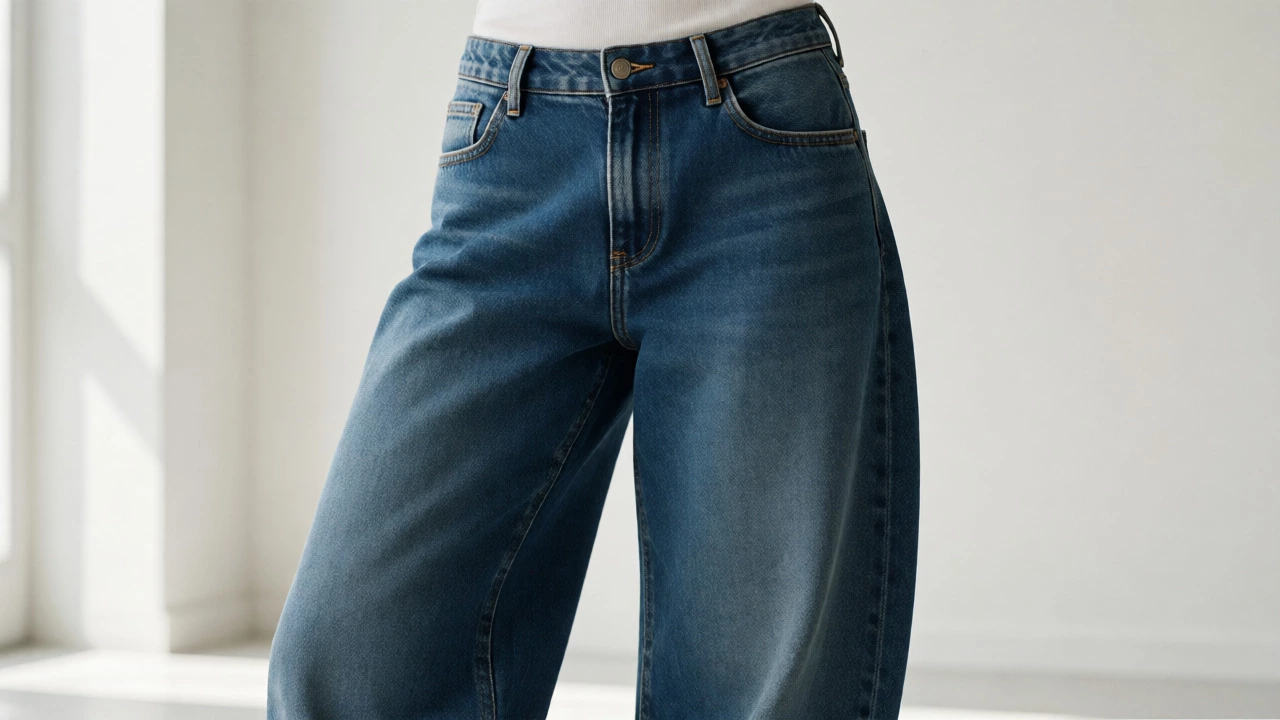
If there is one silhouette defining 2024, it is the barrel leg (also known as balloon or curved leg). Unlike the uniform width of a bootcut, the barrel leg features a distinctive curve. It sits snug at the waist and hips, flares out slightly at the thigh, and then tapers back in toward the ankle. This creates a rounded, voluminous shape that mimics the look of rolled-up hems without the bulk.
Why does this work? It elongates the leg while hiding the knee joint, which many people find flattering. Brands like Levi's, Madewell, and high-end labels like Toteme have pushed this cut hard. However, it requires careful pairing. Because the mid-thigh area has volume, tight tops balance the outfit. A fitted tank or a tucked-in shirt prevents the "tent" effect. If you are petite, ensure the taper hits above the ankle bone to avoid shortening your frame. For taller frames, a slight crop works well to show off footwear.
Straight Leg Is Back (And Better)
Don't write off the straight leg. It never really left, but it shed its baggy 90s excess. The 2024 version is cleaner, often featuring a higher rise and rigid denim construction. This style offers structure. It holds its shape throughout the day, unlike softer knits that stretch out by lunchtime.
This is the most versatile piece in your closet right now. It pairs equally well with heels for office wear and sneakers for weekend errands. Look for mid-wash indigo or classic black. The key attribute here is rigidity. Soft, stretchy straight legs tend to bag out at the knees. Invest in 100% cotton or low-stretch blends if you want longevity. If you prefer comfort, look for fabrics with less than 2% elastane. This keeps the line sharp without feeling like cardboard.
Wide Leg Goes Everyday
The wide leg transitioned from runway statement to daily staple. This isn't the floor-dragging palazzo pant of the early 2000s. Modern wide-leg jeans feature a consistent width from hip to hem, creating a fluid, trouser-like appearance. They offer maximum breathability, making them ideal for warmer months or active commutes.
Styling challenge: proportion. Since the bottom half is voluminous, keep the top half streamlined. Cropped jackets, fitted bodysuits, or French-tucked shirts create a balanced silhouette. Footwear matters too. Platform sandals or chunky loafers prevent the hem from dragging. If you are under 5'4", opt for a shorter inseam or heel height to maintain visual length. Wide-leg denim also hides shoe choices, allowing you to rotate through different styles without worrying about color clashing.
| Style | Best Body Type | Key Feature | Pair With |
|---|---|---|---|
| Barrel Leg | Petite to Average Height | Curved taper at ankle | Fitted tops, pointed toes |
| Straight Leg | All Types | Rigid, uniform width | Blazers, sneakers, boots |
| Wide Leg | Taller Frames / Athletic | High volume, breathable | Cropped jackets, platforms |
| Baggy/Y2K | Gen Z / Trend-focused | Low rise, oversized | Shrunken tees, belts |
The Low-Rise Comeback
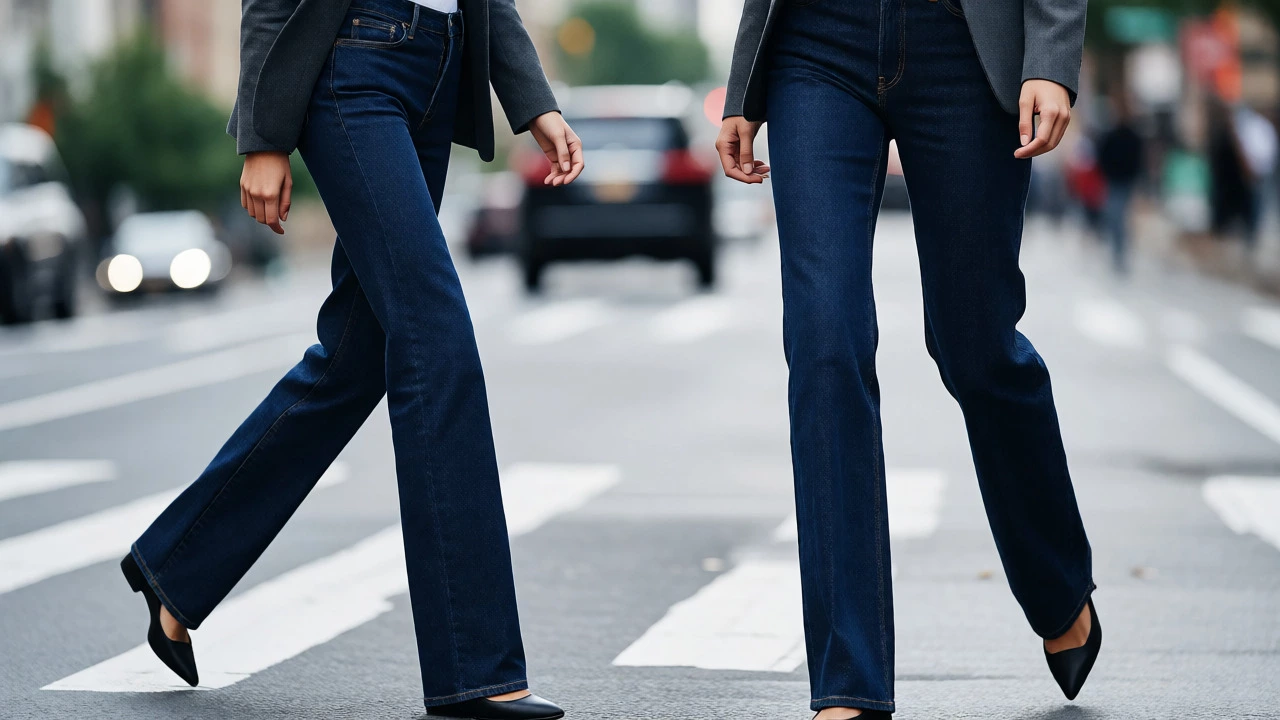
Yes, the low-rise is back. But let's be clear: it is not the micro-miniskirt-level exposure of 2005. The modern low-rise sits just below the navel, offering a compromise between vintage aesthetics and modern comfort. This trend is driven largely by Gen Z nostalgia and the desire for distinct waistlines when layering.
This cut works best with cropped tops or tucked-in layers where you want to show a sliver of skin. It avoids the "muffin top" issue common with poorly fitted high-rises because it doesn't compress the stomach. However, it requires confidence. If you are self-conscious about showing midriff, skip it. There is no rule saying you must wear it. For those who do, pair it with structured outerwear to anchor the loose lower half. Avoid overly bulky shoes, which can make the low-rise look disjointed.
Washes and Finishes That Matter
Fit is only half the equation. The wash determines how your jeans integrate with your existing wardrobe. In 2024, we are moving away from extreme distressing. Rips and frays are still present but used sparingly, often localized to the hem or knee. The dominant colors are:
- Mid-Blue Indigo: The universal neutral. Works with white, gray, navy, and earth tones.
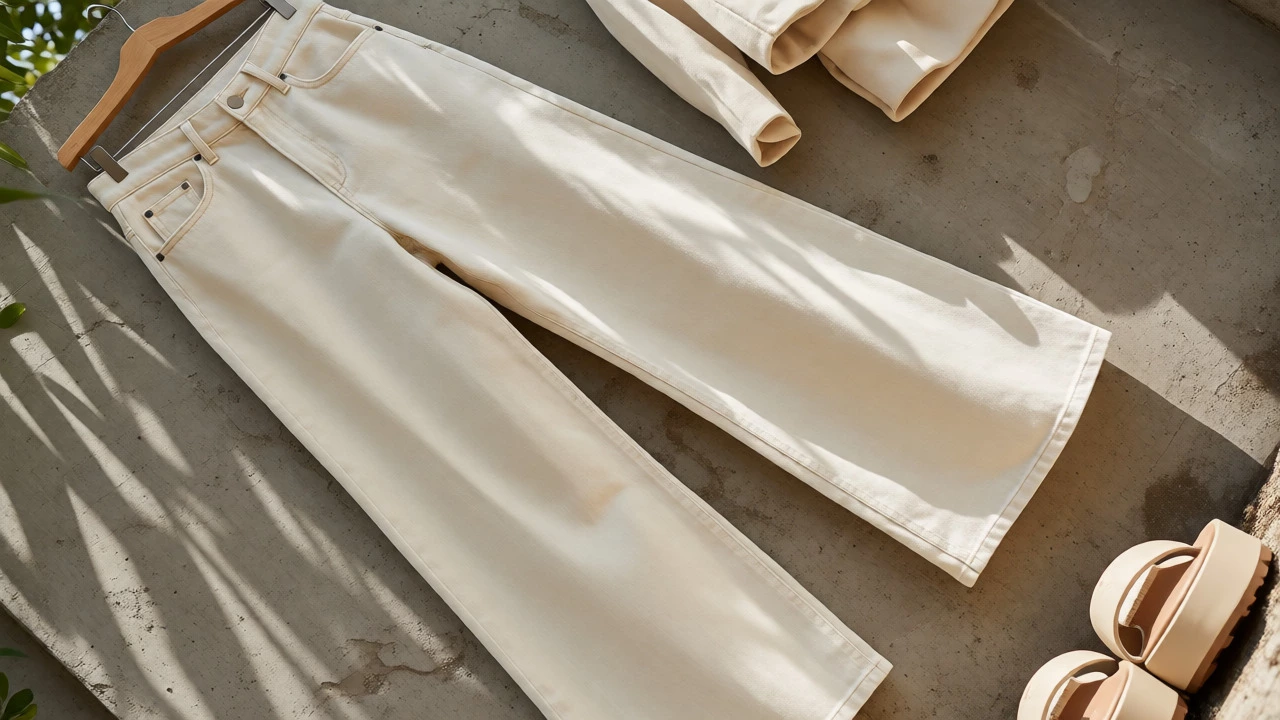
- Ecru and Cream: A fresh alternative to black for spring/summer. Requires care but elevates casual outfits.
- Grey Wash: Offers a softer contrast than black. Ideal for transitional seasons.
- Raw Denim: Dark, unwashed fabric that fades uniquely to your body. Appeals to denim enthusiasts who value longevity over immediate softness.
Avoid heavy bleaching unless you are committing to a specific grunge aesthetic. Clean lines dominate current fashion. If you buy raw denim, expect stiffness for the first two weeks. Wear them frequently to mold the fabric to your shape before washing. When you do wash, use cold water and hang dry to preserve the dye integrity.
How to Choose Your Pair
Shopping for denim is physical. Online sizing varies wildly between brands. Always check the size chart for waist, hip, and inseam measurements. Do not rely solely on standard sizes like 28 or 30. Fabric composition matters. Cotton provides structure; polyester adds durability; elastane adds stretch. For 2024, aim for at least 98% cotton if you want shape retention.
Try the "sit test." Sit down in the fitting room. If the waistband digs in or the knees bulge excessively, put them back. Good denim should feel snug but not restrictive. Walk around. Listen for excessive swishing noise, which indicates poor quality stitching or thin fabric. Check the hardware. Buttons should feel solid, not plastic-y. Zipper pulls should glide smoothly. These small details determine whether your jeans last one season or five years.
Common Pitfalls to Avoid
Many shoppers fall into the trap of buying for the trend rather than their lifestyle. If you commute via bike or public transit, a floor-length wide-leg jean might snag or get dirty quickly. If you work in a formal environment, distressed baggy jeans might violate dress codes despite being trendy.
Another mistake is ignoring tailoring. Off-the-rack rarely fits perfectly. Budget $15-$25 for hemming. Adjusting the length transforms a mediocre pair into a custom-feeling garment. Also, don't fear alterations on the waist. Taking in the sides is cheaper and easier than replacing a pair that doesn't fit. Finally, stop chasing every new cut. Pick two silhouettes that complement your body type-perhaps one straight and one wide-and build variations within those shapes. Wardrobe fatigue comes from having ten pairs of ill-fitting experiments, not three perfect staples.
Are skinny jeans completely gone?
Not entirely, but they are no longer the default. Skinny jeans have shifted from mainstream necessity to niche preference. They remain popular in certain subcultures (like e-girl/e-boy aesthetics) and practical scenarios requiring tight fits (like riding motorcycles or wearing tall boots). However, mainstream retail shelves have significantly reduced their inventory in favor of looser cuts. You can still find them, but they are harder to locate in major department stores compared to 2019.
What shoes go with barrel leg jeans?
Pointed-toe flats, heeled mules, and sleek ankle boots work best. The goal is to extend the visual line of the leg since the barrel shape breaks up the silhouette at the calf. Avoid chunky sneakers with thick soles, as they compete with the volume of the jean. If you prefer sneakers, choose minimalist low-profile designs like Adidas Sambas or Nike Killshots.
Is high-rise still relevant in 2024?
Yes, especially in straight-leg and wide-leg cuts. High-rise remains favored for its ability to smooth the midsection and create a defined waistline. While low-rise is trending among younger demographics, high-rise continues to dominate the professional and mature markets. Many brands now offer "mid-high" rises as a compromise, sitting just below the navel to accommodate both preferences.
How do I keep my light-colored jeans clean?
Spot clean immediately using a damp cloth and mild soap. Turn them inside out before machine washing to protect the outer surface. Use cold water and a gentle cycle. Air dry flat or hang dry; never tumble dry, as heat sets stains and shrinks the fabric. Consider wearing dark underwear to prevent visible panty lines showing through lighter fabrics.
What is the difference between barrel leg and wide leg?
Wide leg maintains a consistent width from the hip to the hem, creating a straight column of fabric. Barrel leg curves outward at the thigh/knee and tapers inward at the ankle, creating a rounded, balloon-like shape. Barrel leg is more structured and tailored, while wide leg is fluid and relaxed. Barrel leg often looks more polished for office settings, whereas wide leg leans casual.