Cocktail Dress Code for Older Women: Style Guide & Tips
Cocktail Attire Style Matcher
Find your perfect look for any semi-formal event.
You get the invitation. It says "Cocktail Attire." You stare at your closet, wondering if you need to buy something new or if that navy sheath from three years ago still works. If you are over fifty, this question hits differently than it did in your twenties. You want to look elegant and appropriate, but you also want to be comfortable enough to actually enjoy the party. The good news? Cocktail attire is arguably the easiest dress code to nail when you have a little life experience on your side. You know what fits, what flatters, and what makes you feel confident.
But there is a fine line between "elegant" and "trying too hard," or worse, "looking like you gave up." Many women worry about covering up too much or showing too much skin. Let’s clear up the confusion. This guide breaks down exactly what cocktail attire means for the mature woman, focusing on fabrics, cuts, and accessories that respect both the event’s formality and your personal comfort.
Decoding the Cocktail Attire Standard
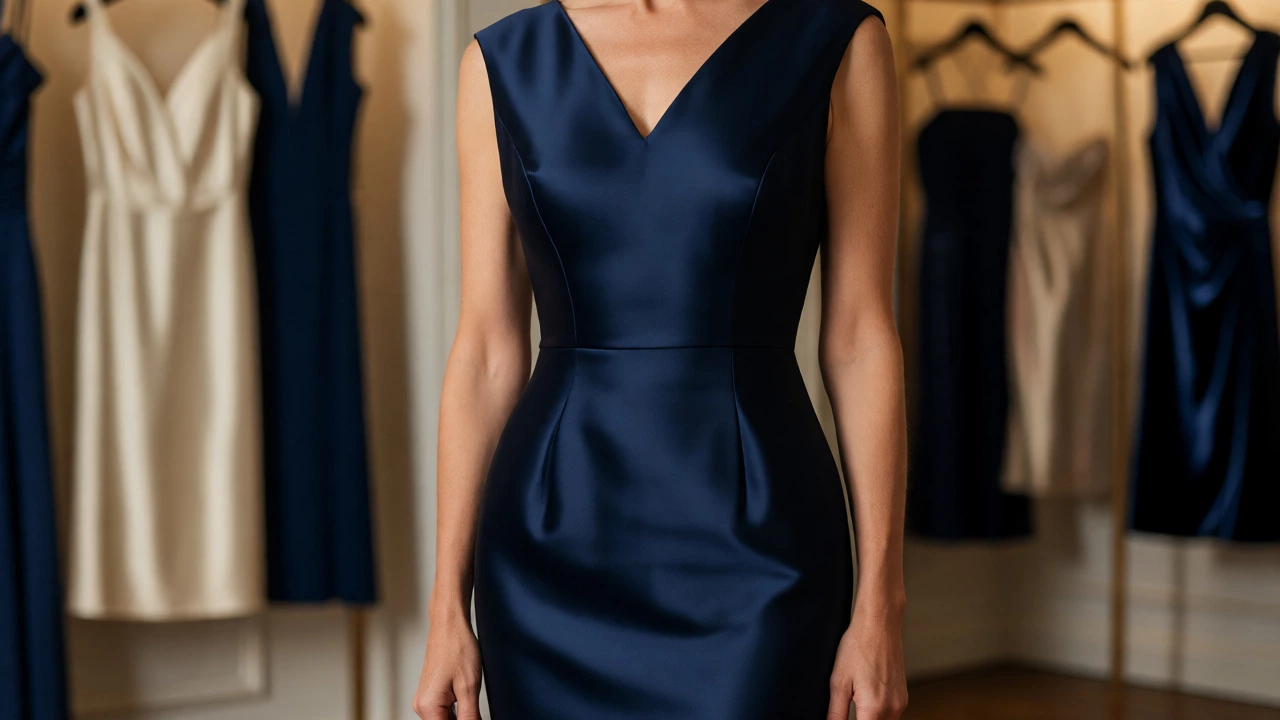
First, let’s define the Cocktail Attire a semi-formal dress code typically requiring shorter hemlines (knee-length or midi) and sophisticated fabrics like silk, satin, or lace, bridging the gap between business casual and black-tie events. Unlike Black Tie, where floor-length gowns dominate, cocktail attire allows for more personality and movement. For the older woman, this is a gift. You don’t need to wrestle with yards of fabric that trip you on the stairs. You need polish, not pageantry.
The key here is balance. Think "elevated everyday" rather than "costume." A cocktail dress should look intentional. It should fit well enough that you aren’t tugging at the hem every five minutes. If you are attending an afternoon wedding versus an evening corporate mixer, the vibe shifts slightly. Daytime calls for lighter colors and breathable fabrics. Evening leans toward darker tones and richer textures. But the core rule remains: knee-length to mid-calf is the sweet spot. Mini skirts can feel too young; full maxi gowns can feel too formal unless the event explicitly hints at black-tie optional.
Fabric Choices That Flatter Mature Skin
Your skin changes as you age. It becomes thinner, drier, and sometimes more sensitive to synthetic materials. Wearing cheap polyester under bright lights can lead to visible sweat patches and static cling-two things no one wants at a cocktail hour. Prioritize natural fibers or high-quality blends. Silk a natural protein fiber known for its lustrous appearance, breathability, and ability to drape elegantly without clinging to body contours is the gold standard. It glides over curves rather than sticking to them. If real silk feels too delicate or expensive, look for high-grade viscose or cupro. These mimic the drape of silk but offer more durability and easier care.
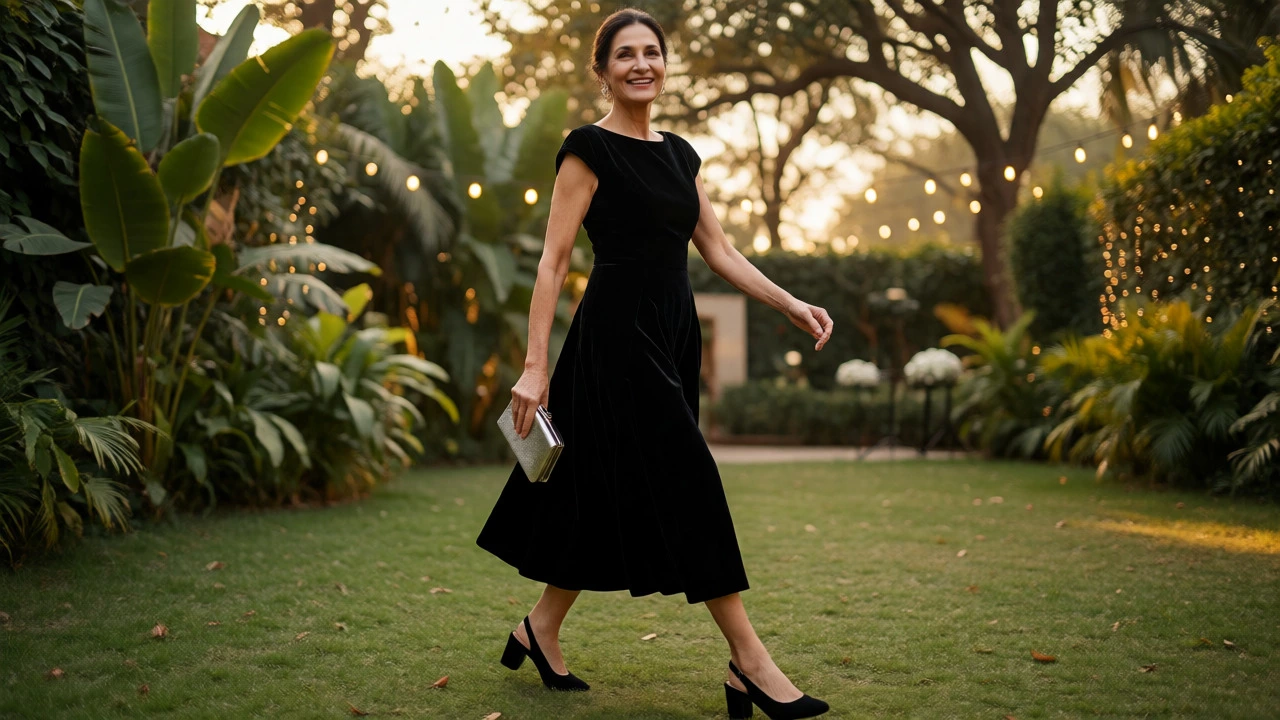
Avoid stiff fabrics like heavy organza or low-quality chiffon. They add bulk where you might not want it and can wrinkle terribly by the time you arrive at the venue. Instead, opt for structured knits or crepe. Crepe is fantastic because it has weight. It hangs straight down, smoothing out the silhouette without squeezing. Matte finishes are also your friend. Shiny sequins can highlight texture variations in skin that you might prefer to soften. A matte velvet or a subtle jacquard weave offers sophistication without the glare.
Navigating Necklines and Sleeves
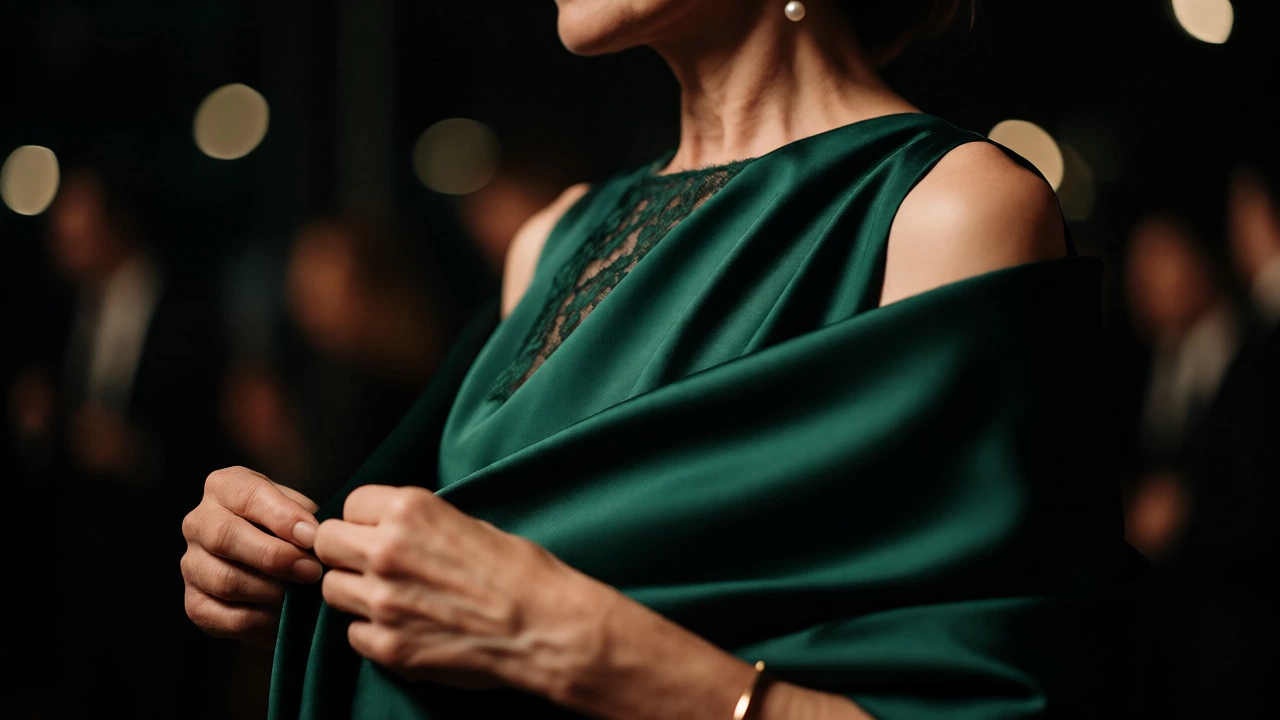
Shoulders and arms are common areas of self-consciousness for many women over fifty. But hiding them completely isn’t always the answer. A sleeveless dress with a chic shawl looks far more modern than a dress with thick, ill-fitting sleeves. Consider necklines that elongate the neck. V-necks and scoop necks draw the eye upward and create a slimming effect. Avoid high, tight turtlenecks unless it’s a winter event, as they can shorten the appearance of the neck.
If you do prefer coverage, try illusion mesh panels. Designers now integrate sheer mesh into the neckline or shoulders of otherwise opaque dresses. This provides the visual interest of bare skin while offering actual support and modesty. Another trick? Cap sleeves or flutter sleeves. They cover the very top of the arm without adding bulk to the shoulder line. Remember, confidence comes from feeling secure in what you’re wearing. If you’re constantly adjusting a strap, you won’t relax. Choose a cut that stays put.
The Right Length and Silhouette
Hemline anxiety is real. Too short, and you worry about sitting down gracefully. Too long, and you look overdressed. For most cocktail events, hitting just below the knee or mid-calf is safest. This length allows you to sit comfortably and dance without flashing anyone. It also pairs beautifully with almost any shoe.
Regarding silhouette, forget the idea that you must hide everything. Structure is key. Look for dresses with princess seams or slight tailoring at the waist. These details define your shape without being restrictive. An A-line skirt gently skims over hips and thighs, offering freedom of movement. Wrap dresses remain a timeless choice for a reason-they adjust to your body and create a flattering V-neckline automatically. Just ensure the wrap doesn’t gap open when you move. A small safety pin or fashion tape solves this instantly.
| Feature | Best For | Why It Works for Mature Women |
|---|---|---|
| Silk/Satin | Evening Events | Drapes smoothly, hides minor imperfections, feels luxurious against skin. |
| Crepe | All-Day Wear | Wrinkle-resistant, structured yet soft, excellent for travel or long parties. |
| Velvet | Winter/Holiday | Adds warmth and richness, matte finish reduces shine, highly forgiving. |
| High-Quality Cotton Blend | Daytime/Breathable | Breathable, easy to clean, avoids static, suitable for warmer climates. |
Shoes and Accessories: Less Is More
Here is where many people go wrong. They think a plain dress needs loud jewelry. Actually, a beautiful dress needs restraint. Pick one statement piece. If you wear large chandelier earrings, skip the necklace. If you choose a bold cuff bracelet, keep rings simple. Pearls are never outdated, but avoid the strand-of-pearls cliché unless you style it unexpectedly-like wrapping it twice around the wrist or mixing it with gold chains.
Shoes matter more than you think. You will likely stand for hours. Stilettos might look great in photos, but if you can’t walk in them, you’ll end up holding them in your hands by 9 PM. Opt for a block heel or a wedge. They provide height and stability. Slingbacks are elegant and airy, perfect for spring or summer cocktails. Ensure your shoes match the formality of the dress. Sneakers are out, even with a nice dress. Ballet flats can work if they are made of leather or satin and have minimal detailing.
Don’t forget the clutch. Leave the big handbag at home. A small, structured clutch holds your phone, lipstick, and keys. It completes the look and frees your hands. Choose a color that contrasts slightly with your dress for visual interest, or stick to metallics like silver or gold which go with everything.
Common Mistakes to Avoid
One major pitfall is ignoring the venue. A backyard garden party requires different footwear than a ballroom gala. Check the location. Grass means wedges or blocks, not stilettos. Carpet means you can get away with heels, but watch out for loose weaves that catch thin straps.
Another mistake is over-accessorizing. We mentioned this, but it bears repeating. If your dress has sequins, lace, or a bold print, keep jewelry minimal. Let the dress breathe. Also, check the dress code again. Did it say "Festive" or "Black Tie Optional"? "Festive" might allow for brighter colors or patterns, while "Black Tie Optional" suggests leaning toward longer hemlines and darker hues.
Finally, don’t ignore undergarments. The right bra and shapewear can transform a mediocre dress into a stunning one. Seamless underwear prevents lines showing through thin fabrics. A well-fitted bra lifts and supports, improving posture and overall silhouette. Spend money on these basics before buying the dress itself.
Final Thoughts on Confidence
Style isn’t about following rules blindly. It’s about expressing who you are now. At fifty, sixty, or seventy, you have earned the right to wear what makes you feel powerful. If you love color, wear it. If you prefer monochrome, own it. The goal is to walk into the room and feel like yourself, just dressed up a bit. When you feel good, you glow. And that glow is the best accessory you can wear.
Can I wear pants instead of a dress for cocktail attire?
Yes, absolutely. A tailored jumpsuit or a sleek suit with a silk blouse is perfectly acceptable. Ensure the fabric is luxe (silk, satin, velvet) and the fit is impeccable. Pair with elegant heels and statement jewelry to elevate the look beyond office wear.
Is it okay to wear black to a cocktail party?
Black is a classic choice for cocktail attire, especially for evening events. To keep it interesting, focus on texture (velvet, lace, satin) or add vibrant accessories like a colorful scarf or bold jewelry. Avoid looking too somber by ensuring the cut is festive.
What shoes should I wear with a midi cocktail dress?
Heels are traditional, but block heels, wedges, or even embellished flats work well depending on your comfort level. Ensure the shoe color complements the dress. Nude heels can elongate the leg, while contrasting colors add a pop of personality.
How do I handle cold weather for an outdoor cocktail event?
Bring a stylish coat or a faux fur stole. A tailored blazer or a chic cape can also work indoors. Avoid bulky puffer jackets. Layering with a lightweight cashmere wrap underneath the dress can help if you tend to run cold.
Are prints acceptable for cocktail attire?
Yes, but choose sophisticated prints. Floral, geometric, or abstract patterns work well. Keep the scale of the print proportional to your frame. Large prints can overwhelm smaller frames, while tiny prints might look busy. Stick to two or three colors max for a polished look.