Casual vs. Activewear: Key Differences, Fabric Tech, and When to Wear Each
Activewear vs. Casual Wear Selector
Select your planned activity and conditions. The tool analyzes fabric requirements, comfort needs, and social appropriateness to recommend the best clothing category.
Quick Reference:
- 🔵 Activewear: High-intensity, heavy sweat
- 🟣 Athleisure: Low-impact, mixed settings
- 🔴 Casual: Sedentary, social/professional
You’re standing in front of your closet, staring at two pairs of pants that look nearly identical. One is a pair of black leggings with a matte finish; the other is a pair of soft, stretchy joggers. You grab the joggers because they feel like sweatpants, but by noon, you’re wondering why they aren’t holding up during your quick walk to the coffee shop. This confusion isn’t just about style-it’s about function. The line between activewear and casual wear has blurred so much in recent years that many people use them interchangeably, but there are distinct differences in how these garments are engineered, what materials they use, and where they belong.
Understanding this distinction saves you money on replacements, keeps you comfortable during actual movement, and helps you dress appropriately for different social settings. Let’s break down exactly what separates performance gear from everyday comfort wear.
The Core Purpose: Performance vs. Comfort
At their heart, these two categories serve completely different masters. Activewear is clothing designed specifically for physical activity, sports, or exercise. Its primary job is to enhance your body’s ability to move, regulate temperature, and manage moisture. It is an engineering tool first and a fashion statement second.
In contrast, Casual wear is informal clothing intended for daily activities, relaxation, and social interaction. Its main goal is aesthetic appeal and static comfort. While casual clothes should be comfortable, they don’t need to withstand high-intensity friction, heavy sweating, or rapid stretching and recovery.
Think of it this way: if you put on a garment and immediately think about how it will look in a mirror, it’s likely casual wear. If you put it on and think about how it will feel when you squat, jump, or run, it’s activewear. This mental check determines whether the fabric technology inside the seams is worth the price tag.
Fabric Technology: The Hidden Difference
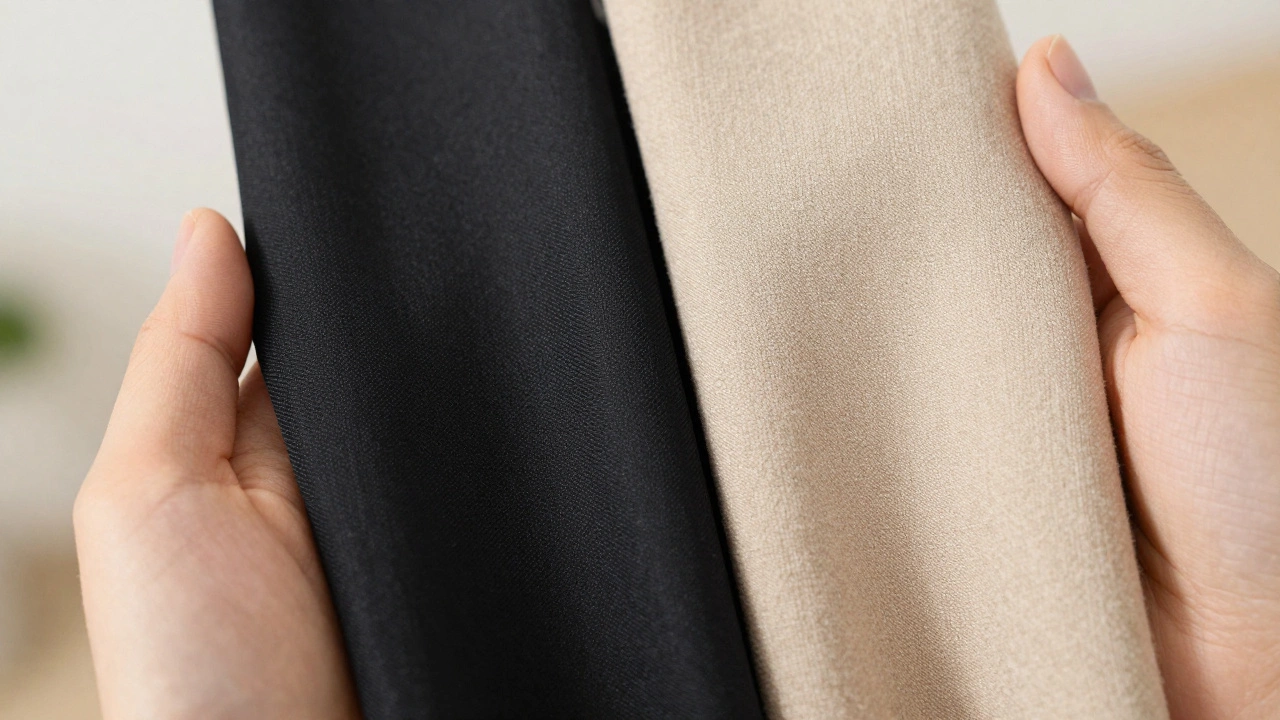
The most significant difference lies in the textiles. Activewear relies on synthetic fibers engineered for specific physical properties. Common materials include Polyester, Nylon, and Spandex (also known as elastane). These fabrics are often treated with moisture-wicking technologies that pull sweat away from your skin to the outer surface of the fabric, where it can evaporate quickly. This prevents chafing and keeps you dry during intense workouts.
Casual wear, on the other hand, typically uses natural fibers like Cotton, linen, or wool blends. Cotton is breathable and soft, making it ideal for sitting at a desk or lounging on a couch. However, cotton absorbs moisture like a sponge. If you wear a cotton t-shirt while running, it will become heavy, cling to your skin, and take forever to dry. That’s why you rarely see pure cotton in high-performance activewear unless it’s mixed with synthetics for structure.
| Feature | Activewear Fabrics | Casual Wear Fabrics |
|---|---|---|
| Primary Material | Synthetic blends (Polyester, Nylon, Spandex) | Natural fibers (Cotton, Linen, Wool) |
| Moisture Management | Wicks sweat away, dries quickly | Absorbs moisture, retains dampness |
| Stretch & Recovery | High elasticity, returns to original shape | Low to moderate stretch, may bag out |
| Durability | Resistant to abrasion and frequent washing | Softer but prone to pilling and fading |
| Breathability | Engineered mesh zones for airflow | Natural breathability, less targeted |
Fit and Construction: Built for Movement
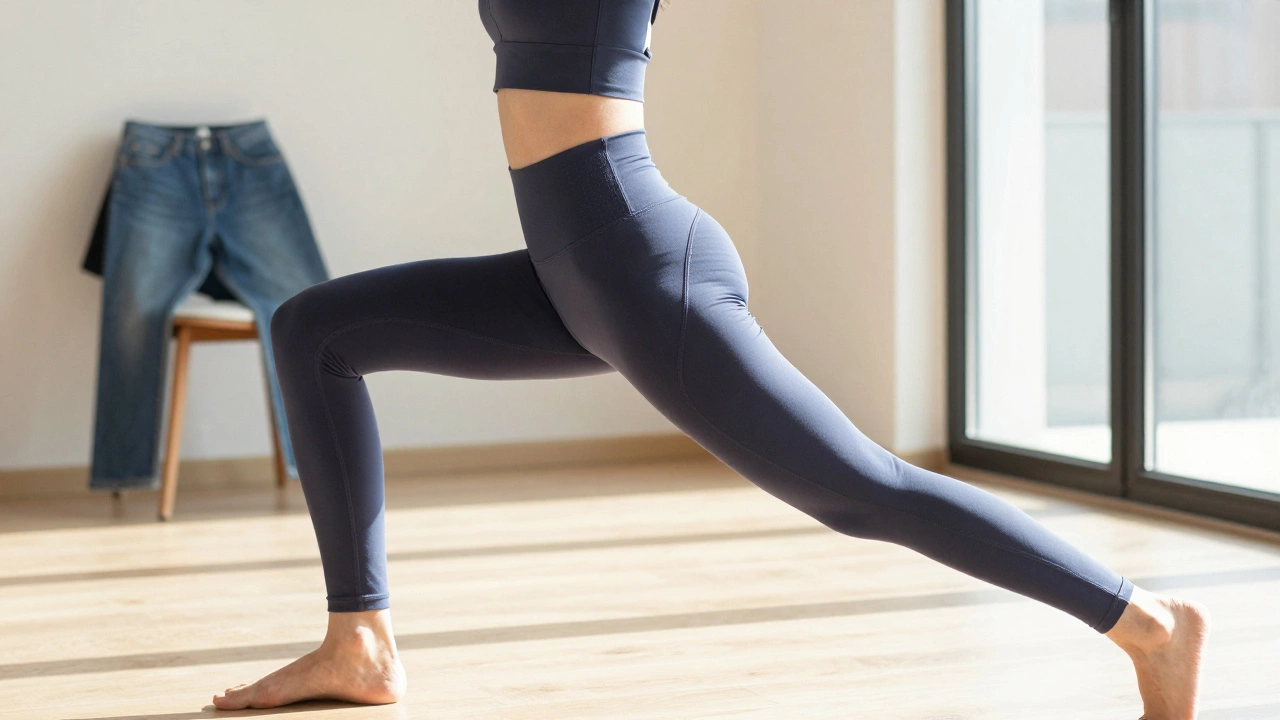
How a garment fits says a lot about its intent. Activewear is constructed with articulated patterns. This means the seams are placed to allow for a full range of motion. For example, yoga pants often have gussets (diamond-shaped pieces of fabric) in the crotch area to prevent riding up during splits or deep lunges. Jackets designed for hiking feature underarm zippers for ventilation and longer backs to cover your lower spine when you bend forward.
Casual wear prioritizes silhouette over mobility. A pair of denim jeans might look great, but try doing a burpee in them-the rigid weave restricts movement, and the seams can dig into your skin. Even soft casual joggers usually lack the compression support found in athletic tights. Compression garments apply gentle pressure to muscles, which can improve blood flow and reduce fatigue during long runs or lifts. Casual clothes simply hang on your body without offering any physiological support.
The Rise of Athleisure: Blurring the Lines
It’s impossible to discuss this topic without mentioning Athleisure. This trend, which exploded in popularity around 2015, merges the functionality of activewear with the aesthetics of casual wear. Brands started designing leggings that looked sleek enough for brunch and hoodies that were stylish enough for a casual Friday at the office.
Athleisure is essentially a hybrid category. It uses activewear fabrics-moisture-wicking, stretchy, durable-but cuts them in shapes that mimic casual staples like sweatpants, track jackets, and sneakers. The result is clothing that looks like casual wear but performs like activewear. This is why you can wear Lululemon Align pants to a grocery store and still feel ready for a workout. They bridge the gap by offering the comfort of loungewear with the technical benefits of sportswear.
However, true athleisure is not always suitable for high-intensity exercise. A fashionable oversized hoodie might look cool walking the dog, but it won’t keep you cool during a spin class. Similarly, thick, plush joggers absorb too much sweat for a HIIT session. Knowing the difference helps you avoid wearing the wrong type of hybrid gear in the wrong setting.
When to Wear What: Practical Guidelines
Choosing between casual and activewear depends entirely on your planned activity. Here’s a simple guide to help you decide:
- High-Intensity Workouts: Stick to dedicated activewear. Moisture-wicking shirts, supportive sports bras, and compression shorts are non-negotiable for running, CrossFit, or cycling. Cotton will make you miserable.
- Low-Impact Activities: Athleisure works well here. Yoga, Pilates, or light stretching can be done in softer, more fashionable leggings or loose-fitting athletic tops.
- Office or Social Settings: Choose casual wear unless your workplace has a relaxed dress code. Denim, chinos, and cotton t-shirts signal a break from physical exertion. Wearing sweaty gym clothes to a dinner date is generally frowned upon, regardless of how expensive the brand is.
- Travel: This is where athleisure shines. A pair of stretchy, wrinkle-resistant joggers and a moisture-wicking base layer keep you comfortable on long flights while looking put-together enough for airport lounges.
Cost and Longevity Considerations
Activewear tends to cost more than basic casual wear due to the advanced manufacturing processes involved. Creating seamless knits, adding UV protection, or integrating antimicrobial treatments requires specialized machinery and higher-quality raw materials. However, this higher upfront cost often translates to better longevity. High-quality activewear resists pilling, fading, and loss of elasticity even after dozens of washes.
Casual wear, particularly fast-fashion items, may be cheaper initially but often wears out faster. Cotton t-shirts shrink, jeans fade, and cheap synthetic blends lose their shape. If you plan to wear a piece frequently for both work and play, investing in a higher-quality athleisure item might be more economical in the long run. Conversely, if you only need an outfit for occasional outings, standard casual wear is perfectly sufficient and often more versatile for layering.
Environmental Impact
The material choice also affects sustainability. Natural fibers like organic cotton and hemp are biodegradable and require fewer chemicals to produce, making them environmentally friendly choices for casual wear. However, they lack the durability and performance features needed for intense sports.
Synthetic activewear fabrics are derived from petroleum, which raises concerns about microplastic pollution. When you wash polyester or nylon clothing, tiny plastic fibers shed into the water system. To mitigate this, many brands now offer recycled polyester options made from plastic bottles. Additionally, using washing bags designed to catch microfibers can help reduce environmental impact. As consumers, understanding these trade-offs allows us to make more informed purchasing decisions based on our values and needs.
Can I wear activewear to the office?
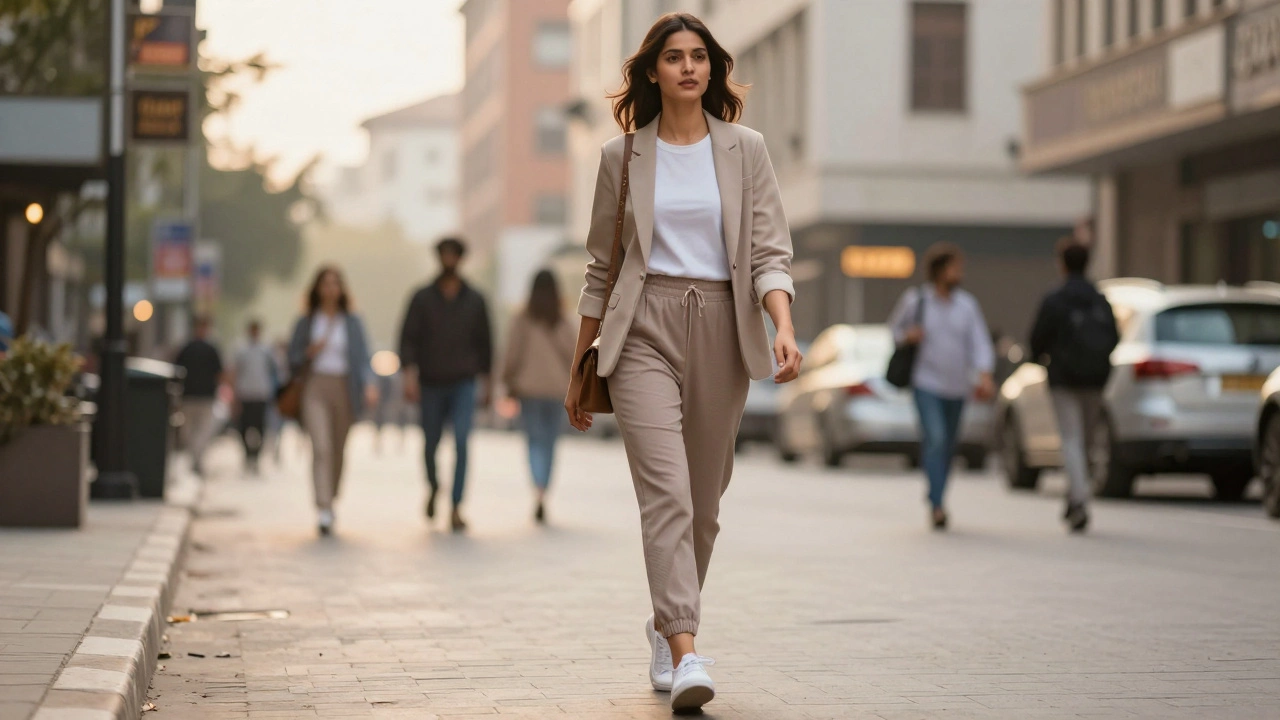
It depends on your company's dress code. In creative or tech industries, athleisure is often acceptable. Look for pieces that resemble casual wear, such as tailored joggers or structured blazers worn over moisture-wicking tops. Avoid shiny, tight-fitting gym clothes unless you are going straight to or from a workout.
Why does my cotton shirt get so heavy when I sweat?
Cotton is hydrophilic, meaning it attracts and holds water molecules. Unlike synthetic activewear fabrics that wick moisture to the surface for evaporation, cotton absorbs sweat into its fibers. This makes the fabric heavier, slower to dry, and potentially uncomfortable against the skin during physical activity.
Is athleisure considered professional attire?
Generally, no. While athleisure is becoming more common in casual workplaces, it is not considered formal or business professional attire. It falls under business casual or smart casual depending on the styling. Always check your specific workplace policy before dressing down.
How do I care for activewear to make it last longer?
Wash activewear in cold water to preserve elastic fibers and turn garments inside out to protect prints. Avoid using fabric softeners, as they can coat the fibers and reduce moisture-wicking capabilities. Hang dry whenever possible, as high heat from dryers can break down spandex and cause shrinkage.
What is the best fabric for hot weather casual wear?
Linen and lightweight cotton are excellent choices for hot weather casual wear. Linen is highly breathable and dries quickly, making it ideal for humid climates. Loose-weave cotton also allows air circulation, keeping you cool during low-activity days.