Best Work Shoes for Standing All Day: A Practical Guide
Work Shoe Matchmaker
Stop guessing which shoe is right for you. Answer these three questions to get a personalized recommendation based on biomechanics and workplace safety standards.
Your Recommended Profile
Key Features You Need:
You know that feeling. It’s 3 PM, you’ve been on your feet since 7 AM, and your lower back starts to throb while your feet feel like they’re sitting on hot coals. If you work in retail, healthcare, hospitality, or construction, this isn’t just a bad day-it’s your daily reality. The wrong pair of work shoes isn't just uncomfortable; it actively damages your body over time. But here is the good news: there is no single "best" shoe for everyone. The right choice depends entirely on your specific environment, your foot shape, and how much you move versus stand still.
I live in Vancouver, where rain is a constant companion and walking is often part of the commute. I’ve tested everything from stiff leather boots to squishy memory foam sneakers. What I’ve learned is that marketing hype often leads you astray. You don’t need the most expensive brand; you need the right features. This guide cuts through the noise to help you find the perfect pair without wasting money on trendy but useless designs.
The Myth of One Size Fits All
Before we talk about brands, let’s clear up a major misconception. There is no universal "best" shoe. A nurse sprinting between hospital wings has different needs than a factory worker standing on concrete for eight hours. Your job dictates the features you need.
If you are constantly moving, you need flexibility and shock absorption. If you are standing still, you need arch support and cushioning to prevent blood pooling in your legs. If you are in a kitchen, slip resistance is non-negotiable. Ignoring these context-specific needs is why so many people end up with expensive shoes that hurt after two weeks.
Key Features That Actually Matter
When you look at product descriptions, ignore words like "premium" or "luxury." Focus on these four mechanical aspects:
- Arch Support: This is critical. Without proper support, your plantar fascia (the band of tissue connecting your heel to your toes) stretches excessively, leading to plantar fasciitis. Look for shoes with built-in contoured insoles or removable ones that allow for custom orthotics.
- Cushioning Technology: Not all foam is created equal. EVA (ethylene-vinyl acetate) is common and affordable but compresses quickly. Polyurethane lasts longer but feels stiffer. Newer materials like nitrogen-infused foams offer better energy return, meaning less fatigue over long shifts.
- Heel Drop: This is the difference in height between your heel and your toe. A zero-drop shoe encourages a natural gait but can strain calves if you aren’t used to it. A moderate drop (8-10mm) is usually safer for those transitioning from traditional heels or flat dress shoes.
- Width and Fit: Most standard shoes come in a medium width. If your feet swell during the day-and they will-you need room in the toe box. Squeezed toes lead to bunions and neuromas. Always try shoes on in the afternoon when your feet are at their largest.
Matching Shoes to Your Work Environment
Let’s break down the best options based on typical work scenarios. This isn’t about fashion; it’s about survival on your feet.
| Job Type | Primary Need | Recommended Feature | Example Style |
|---|---|---|---|
| Retail & Sales | Comfort & Style | Lightweight, flexible sole | Slip-on sneaker |
| Healthcare (Nurses) | Hygiene & Cushioning | Washable, high rebound foam | Athletic clog or sneaker |
| Kitchen/Chef | Slip Resistance | Oil-resistant rubber outsole | Non-slip clog |
| Construction | Protection & Durability | Steel/composite toe, ankle support | Work boot |
| Office/Desk Hybrid | Versatility | Dressy appearance, athletic comfort | Leather loafer with sneaker sole |

The Top Contenders: What Works and What Doesn’t
After testing dozens of pairs, certain categories consistently rise to the top. Here is a breakdown of the most reliable types of standing shoes.
1. The Athletic Clog
Brands like Crocs (specifically the professional line) and Birkenstock have dominated the healthcare space for years. Why? They are easy to clean, have excellent arch support, and the open-back design accommodates swelling. However, not all clogs are equal. Avoid the cheap, hollow plastic versions. Look for ones with closed-cell foam that doesn’t absorb sweat and odor. For nurses and chefs, these are often the gold standard for pure comfort.
2. The Performance Sneaker
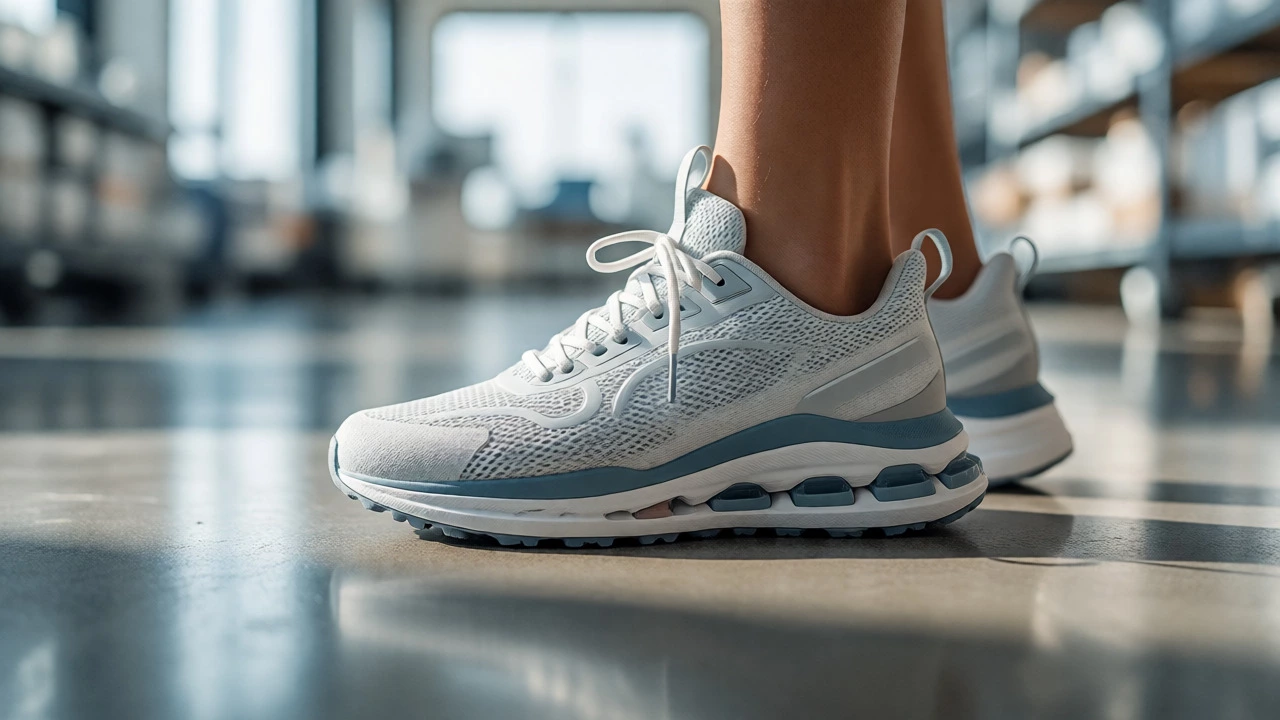
If you need to walk fast or run errands, a clog might feel too loose. Enter the performance sneaker. Brands like Hoka, Brooks, and New Balance make shoes specifically designed for maximum cushioning. Hokas, for example, use a wide base to provide stability despite the thick sole. These are great for retail workers who spend half the day walking the floor. The downside? They wear out faster on rough surfaces and can look too casual for some offices.
3. The Modern Work Boot
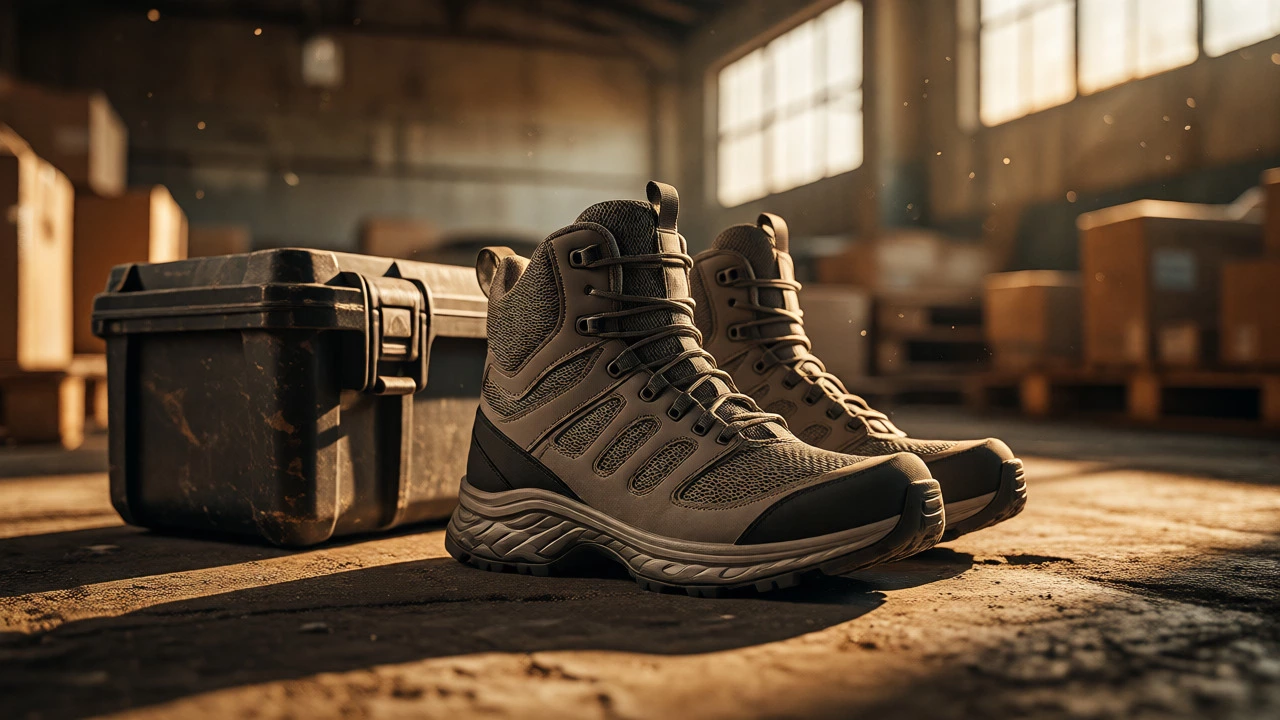
Gone are the days of heavy, steel-toed boots that felt like bricks. Modern composite-toe boots from brands like Timberland PRO or Keen Utility offer safety without the weight. They feature anti-fatigue technology and breathable mesh linings. If you work in warehouses or light industrial settings, these are essential. Just ensure they are broken in properly before a full shift, as stiff leather can cause blisters.
4. The Dressy Comfort Shoe
For office workers who still need to be on their feet occasionally, finding something that looks professional but feels like a sneaker is key. Brands like Ecco, Cole Haan, and Clarks integrate sneaker-like midsoles into leather uppers. These are ideal for hybrid roles where you might present to clients but also need to grab coffee or walk to meetings. They won’t handle mud or oil, but they bridge the gap between style and sanity.
Common Mistakes That Ruin Your Feet
Even the best shoe can fail if you make these common errors.
Ignoring the Insole: Many people buy a shoe and never think about the insole again. Stock insoles are often thin and unsupportive. Replacing them with quality orthotic inserts can transform a mediocre shoe into a comfortable one. Spend $50 on good inserts before spending $200 on new shoes.
Wearing Them Too Long: Rotating shoes helps. Foam compresses and needs time to recover its shape. Wearing the same pair every day accelerates wear and reduces support. Try alternating between two pairs if possible.
Buying Online Without Trying: Sizes vary wildly between brands. A size 9 in Nike might fit differently than a size 9 in Hoka. Always check return policies. Better yet, go to a store, try them on, then buy online if it’s cheaper.
How to Break In New Work Shoes
Never start a new job or shift with brand-new shoes. Blisters are painful and unprofessional. Follow this simple protocol:
- Day 1-2: Wear them around the house for 1-2 hours. Check for pressure points.
- Day 3-4: Wear them for short outings or partial shifts.
- Day 5+: Gradually increase wear time until you are comfortable for a full shift.
If you feel pain, stop. Don’t push through it. Pain is a signal that the shoe doesn’t fit or support your biomechanics correctly.
Final Verdict: How to Choose
So, what is the best shoe? It’s the one that disappears on your feet. You shouldn’t be thinking about your shoes halfway through the day. Start by identifying your primary activity: standing still, walking, or moving fast. Then prioritize the corresponding feature: support, cushioning, or flexibility. Test them in person if possible, and invest in quality insoles.
Your feet carry you through life. Treating them well isn’t an indulgence; it’s maintenance. Pick the right tool for the job, and your evenings will thank you.
Are expensive shoes always better for standing?
Not necessarily. While premium brands often use higher-quality materials that last longer, a $60 pair of well-fitting sneakers with good arch support can outperform a $200 designer shoe that lacks proper structure. Focus on fit and function rather than brand name alone.
How often should I replace my work shoes?
If you are on your feet all day, expect to replace them every 6 to 12 months. Watch for signs of wear: uneven tread, compressed midsoles that no longer bounce back, or pain returning after being absent. Once the cushioning dies, your joints take the impact.
Do compression socks help with work shoes?
Yes, significantly. Compression socks improve blood flow and reduce swelling in the ankles and feet. They can extend the comfort of any shoe and delay fatigue. Pair them with moisture-wicking materials to keep feet dry and prevent blisters.
What is the best shoe for plantar fasciitis?
Look for shoes with a firm heel counter, strong arch support, and a slight heel lift. Brands like Vionic, Oofos, and Brooks often recommend models specifically engineered for plantar fasciitis. Custom orthotics inside a supportive shoe are often the most effective solution.
Can I wear running shoes for work?
You can, but be cautious. Running shoes are designed for forward motion, not static standing. They may lack the lateral stability needed if you pivot or stand in one spot for hours. For mixed activities, choose a cross-training shoe instead, which offers more side-to-side support.