Best T-Shirt for Hot Weather: Fabric, Fit, and Color Guide
Summer T-Shirt Comfort Calculator
Select Your T-Shirt Features
Your Result
Why this matters:
- Select a shirt to see analysis...
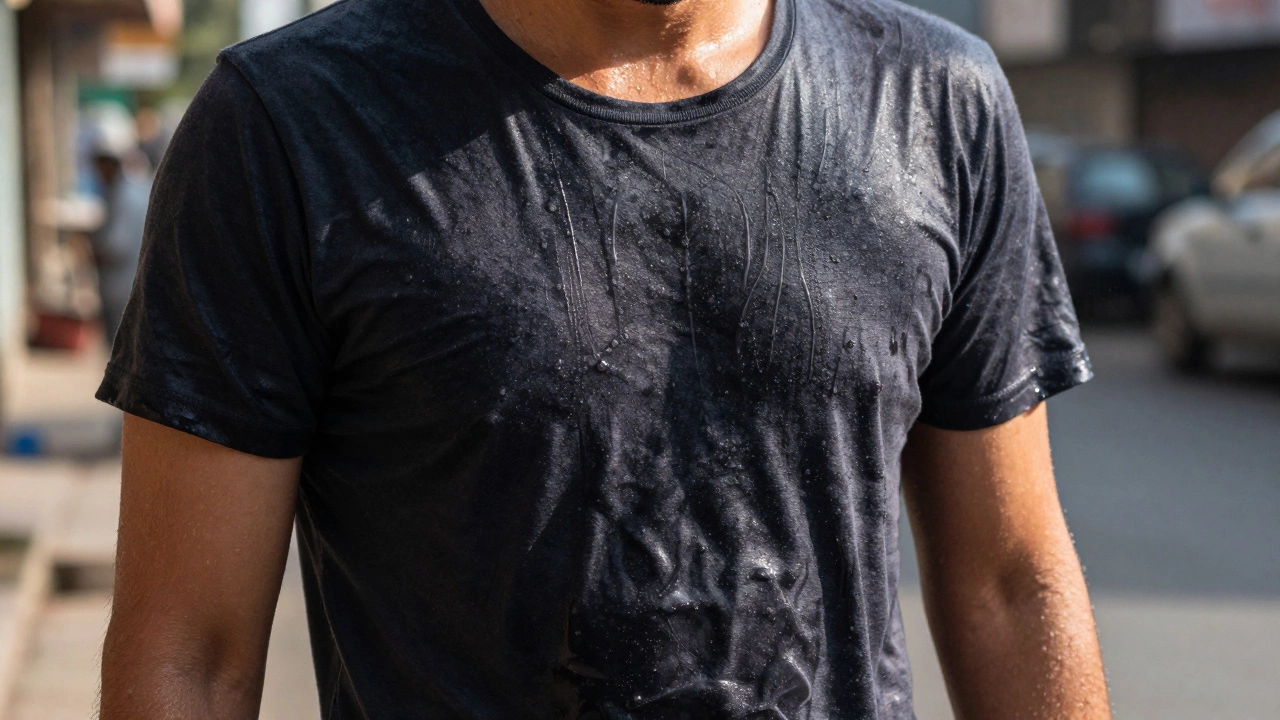
It’s mid-July. The sun is beating down on the pavement, and you can already feel your shirt sticking to your back before you’ve even taken three steps. You didn’t do anything wrong-you just picked the wrong fabric. Choosing the best T-shirt for hot weather isn’t just about looking cool; it’s a matter of comfort, hygiene, and staying sane when the mercury rises.
We often think all T-shirts are created equal. They aren’t. A heavy cotton crew neck will trap sweat like a greenhouse, while a lightweight linen blend might let you breathe for hours. In this guide, we’ll break down exactly what makes a shirt heat-friendly, which fabrics actually work, and how to pick one that keeps you dry and comfortable.
The Quick Takeaway
- Material Matters Most: Linen, rayon, and high-quality cotton blends beat polyester for breathability in extreme heat.
- Fit Is Key: Loose cuts allow air circulation; tight fits trap body heat.
- Color Plays a Role: Light colors reflect sunlight, but dark colors hide stains better.
- Avoid Synthetic Traps: Standard polyester holds onto odor and moisture unless specifically engineered for sports.
Why Your Current Shirt Might Be Failing You
Most people reach for a standard 100% cotton T-shirt because it feels soft and looks classic. Cotton is absorbent, sure, but that’s also its biggest flaw in high humidity. Once cotton gets wet with sweat, it stays wet. It becomes heavy, drapes against your skin, and takes forever to dry. If you’re sweating through a thick cotton shirt by noon, you’re stuck wearing a damp rag for the rest of the day.
Polyester is the other common culprit. While it’s durable and cheap, traditional polyester doesn’t breathe. It traps heat close to your body and creates that sticky, clammy feeling we all hate. Unless you’re buying technical athletic gear designed to wick moisture away, avoid plain polyester when temperatures hit triple digits.
The goal isn’t just to look good-it’s to manage your body temperature. Your skin needs to evaporate sweat to cool down. If your fabric blocks evaporation or holds water, you overheat. That’s why understanding textile properties is more important than following fashion trends.
Top Fabrics for Staying Cool
Not all natural fibers perform the same way. Here’s how the top contenders stack up against each other in real-world conditions.
| Fabric Type | Breathability | Dry Speed | Wrinkle Resistance | Best For |
|---|---|---|---|---|
| Linen | Excellent | Fast | Poor (wrinkles easily) | Casual outings, beach days |
| Rayon/Viscose | Very Good | Medium | Good | Office wear, dinner dates |
| Cotton-Lycra Blend | Good | Slow | Excellent | Everyday casual, travel |
| Technical Polyester | Moderate | Very Fast | Excellent | High-intensity exercise |
| Heavy 100% Cotton | Poor | Very Slow | Good | Indoor AC environments only |
Linen: The Breathable Champion
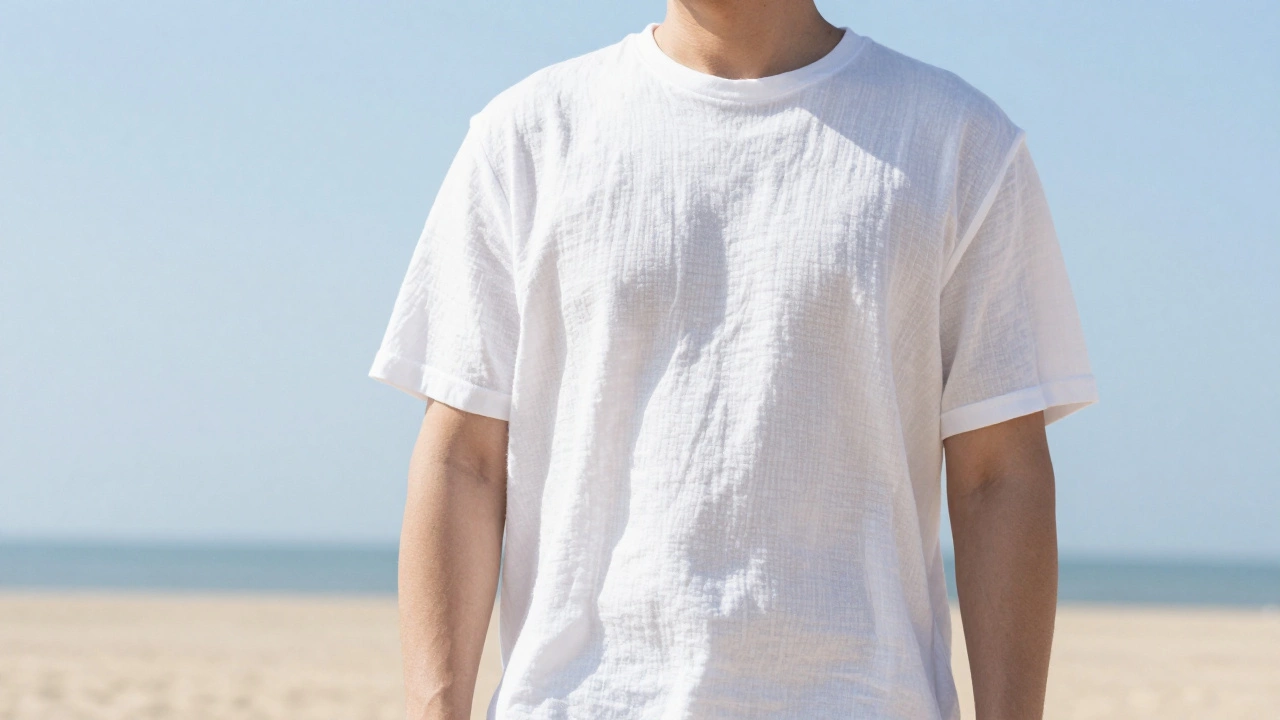
Linen is a textile made from the fibers of the flax plant, known for its exceptional breathability and cooling properties. Linen has large gaps between its fibers, allowing maximum airflow. It dries quickly and doesn’t cling to your skin. The downside? It wrinkles aggressively. If you don’t mind a slightly rumpled look, linen is arguably the best choice for scorching days.
Rayon and Viscose: The Soft Alternatives
Rayon is a semi-synthetic fiber made from wood pulp. It feels silky smooth and drapes beautifully without clinging. Unlike cotton, rayon absorbs moisture efficiently and releases it faster. However, it can lose strength when wet, so handle it gently during washing. Look for “viscose” on labels-they’re essentially the same material.
Cotton Blends: The Practical Choice
Pure cotton is too slow-drying for intense heat. Adding a small percentage of elastane (Lycra) or polyester improves durability and fit retention while maintaining some breathability. Aim for blends where cotton makes up at least 90% of the mix. This gives you the softness of cotton with slightly better performance.
Fit and Cut: Let Air Circulate
You could buy the most breathable fabric in the world, but if it’s tailored like a second skin, it won’t help. Tight T-shirts restrict air movement around your body. Without airflow, sweat sits on your skin instead of evaporating.
Look for these features:
- Relaxed Fit: Shirts should hang loosely off your torso. Check the size chart-if the chest measurement is significantly larger than your actual chest, you’re in good shape.
- Short Sleeves: Longer sleeves cover more surface area, trapping heat. Opt for shorter armholes that expose your underarms.
- V-Necks or Scoop Necks: These styles open up the chest area, promoting ventilation compared to high crew necks.
- Mesh Panels: Some modern designs include mesh inserts under the arms or along the spine for extra airflow.
If you prefer a fitted look, choose a stretchy knit that moves with you rather than compressing you. Compression shirts are great for running marathons but terrible for walking around town in July.
Color Psychology and Physics
There’s an old rule: wear white in summer, black in winter. Does it still hold true? Partially. Dark colors absorb more solar radiation, meaning they get hotter in direct sunlight. Light colors reflect heat, keeping the fabric cooler to the touch.
However, color affects perception too. A bright white shirt shows every sweat stain, which can be embarrassing. Pastel shades like light blue, pale gray, or mint green offer a middle ground-they reflect heat reasonably well while hiding minor perspiration marks better than stark white.
If you love dark colors, consider patterned prints. Busy patterns distract the eye from potential stains. Also, remember that indoor environments behave differently. Under air conditioning, color matters less since there’s no direct sun exposure.
What About Moisture-Wicking Technology?
Sports brands market moisture-wicking fabrics heavily. These usually involve synthetic materials treated with hydrophobic coatings or engineered microfibers that pull sweat away from the skin to the outer layer where it evaporates.
This works brilliantly for athletes who sweat profusely during activity. But for everyday wear, these fabrics often lack breathability. They feel plasticky and can retain odors worse than natural fibers. Save technical wicking shirts for gym sessions or hikes. For casual use, stick to natural or semi-natural fibers.
How to Care for Your Summer Shirts
Even the best T-shirt loses its effectiveness if cared for poorly. Washing habits impact fabric integrity and odor resistance.
- Wash Cold: Hot water damages elastic fibers and causes shrinkage. Cold water preserves fabric structure and saves energy.
- Avoid Fabric Softener: Softeners coat fibers, reducing their ability to absorb and release moisture. Over time, this makes shirts feel stiff and less breathable.
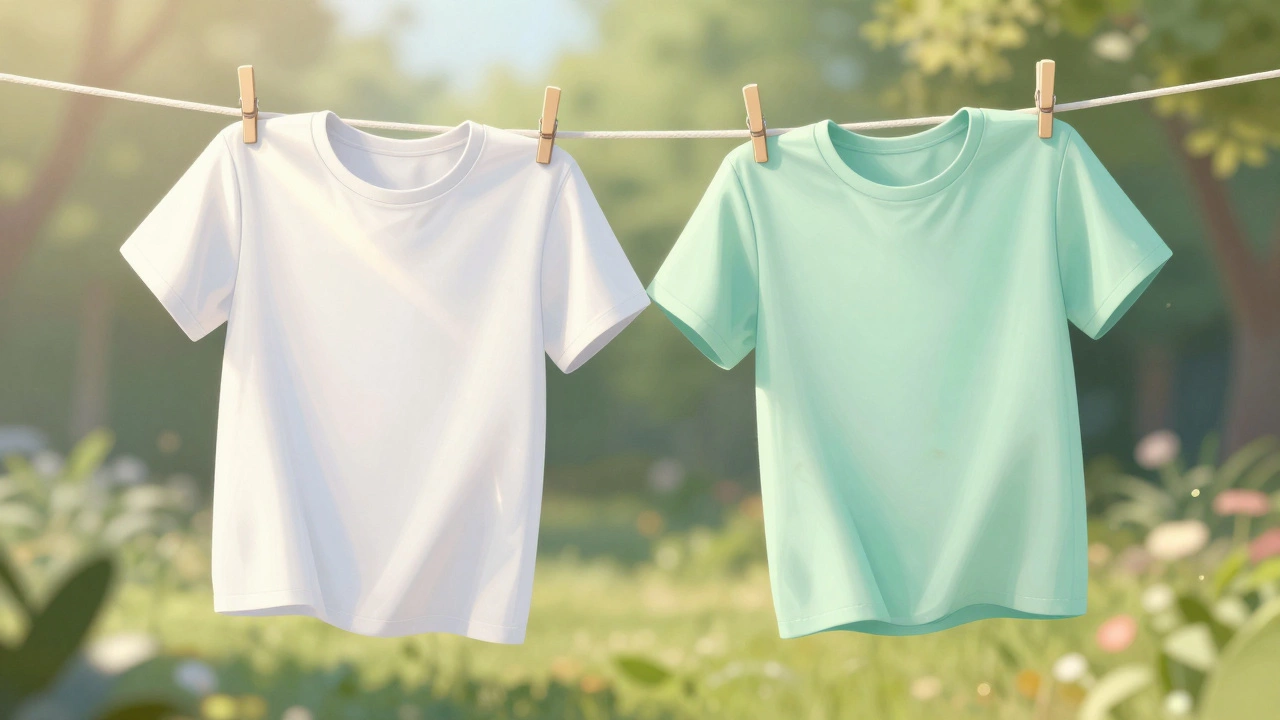
- Air Dry When Possible: Tumble drying generates heat that degrades fibers over time. Hanging shirts outside in the shade extends their life and maintains elasticity.
- Rotate Your Wardrobe: Don’t wear the same shirt two days in a row. Fibres need time to recover their shape and fully dry out.
If you notice yellowing underarms, treat those spots immediately with baking soda paste or enzyme-based cleaners before permanent staining occurs.
Where to Find Quality Options
You don’t need designer labels to find a good hot-weather T-shirt. Many affordable retailers now carry performance-oriented basics. Look for stores specializing in outdoor gear or minimalist fashion-they prioritize function over flashy branding.
Check product descriptions carefully. Avoid vague terms like “cooling technology” without specific details. Instead, look for clear information about fiber content, weight (measured in grams per square meter), and construction methods. Lightweight shirts typically weigh between 120-150 GSM. Anything heavier tends to retain more heat.
Online reviews can reveal hidden truths. Search phrases like “sweats through,” “holds odor,” or “too thin.” Real users provide insights that marketing copy hides.
Final Thoughts on Beat-the-Heat Dressing
Finding the right T-shirt for hot weather comes down to balancing three factors: material, fit, and color. Prioritize breathable fabrics like linen or rayon, ensure plenty of room for air circulation, and choose lighter hues to reflect sunlight. Avoid heavy cotton and non-breathable synthetics unless you’re engaging in vigorous physical activity.
Your comfort level directly impacts your mood and productivity. Don’t underestimate the power of proper clothing choices. With the right shirt, you can stay cool, confident, and ready for whatever the day throws at you.
Is cotton bad for hot weather?
Pure cotton isn't inherently bad, but heavy-weight cotton retains moisture and dries slowly, making it uncomfortable in humid heat. Lightweight cotton blends or alternative fabrics like linen perform better for prolonged outdoor exposure.
Do white shirts really keep you cooler?
Yes, white and light-colored shirts reflect sunlight and absorb less heat than dark colors. However, they show sweat stains more visibly. Pastels offer a practical compromise between heat reflection and stain concealment.
Should I wear loose or tight shirts in summer?
Loose-fitting shirts promote air circulation around your body, helping sweat evaporate faster. Tight shirts trap heat and moisture against your skin, increasing discomfort and overheating risk.
What is the most breathable fabric for T-shirts?
Linen is widely considered the most breathable fabric due to its loose weave and natural fiber structure. Rayon and viscose also offer excellent breathability with smoother textures suitable for various occasions.
Can I wash my summer T-shirts in hot water?
No, always wash summer T-shirts in cold water. Hot water damages elastic fibers, causes shrinkage, and reduces the fabric's ability to breathe and wick moisture effectively over time.