Why is Lululemon so Expensive? The Real Cost Behind the Price Tag
Lululemon Cost-Per-Wear Calculator
Determine if the premium price is justified by your lifestyle. Enter your details below to see which option offers better long-term value.
Cost Per Wear Analysis
| Metric | Lululemon | Generic Brand |
|---|---|---|
| Total Wears Over Lifetime | - | - |
| Initial Cost | - | - |
| Cost Per Wear | - | - |
You stare at the price tag on a pair of leggings. It’s not just expensive; it’s eye-watering. For a piece of clothing that looks like simple fabric stretched over your legs, you’re paying what could buy three pairs from a discount rack. Is this just clever marketing, or is there actual substance behind the Lululemon price point?
The answer isn’t black and white. While brand hype plays a role, the cost stems from specific engineering choices, proprietary materials, and a retail model that prioritizes full-price sales over constant discounting. If you’ve ever wondered why your wallet hurts every time you walk into their store, here is the breakdown of where your money actually goes.
It’s Not Just Cotton: The Science of Technical Fabrics
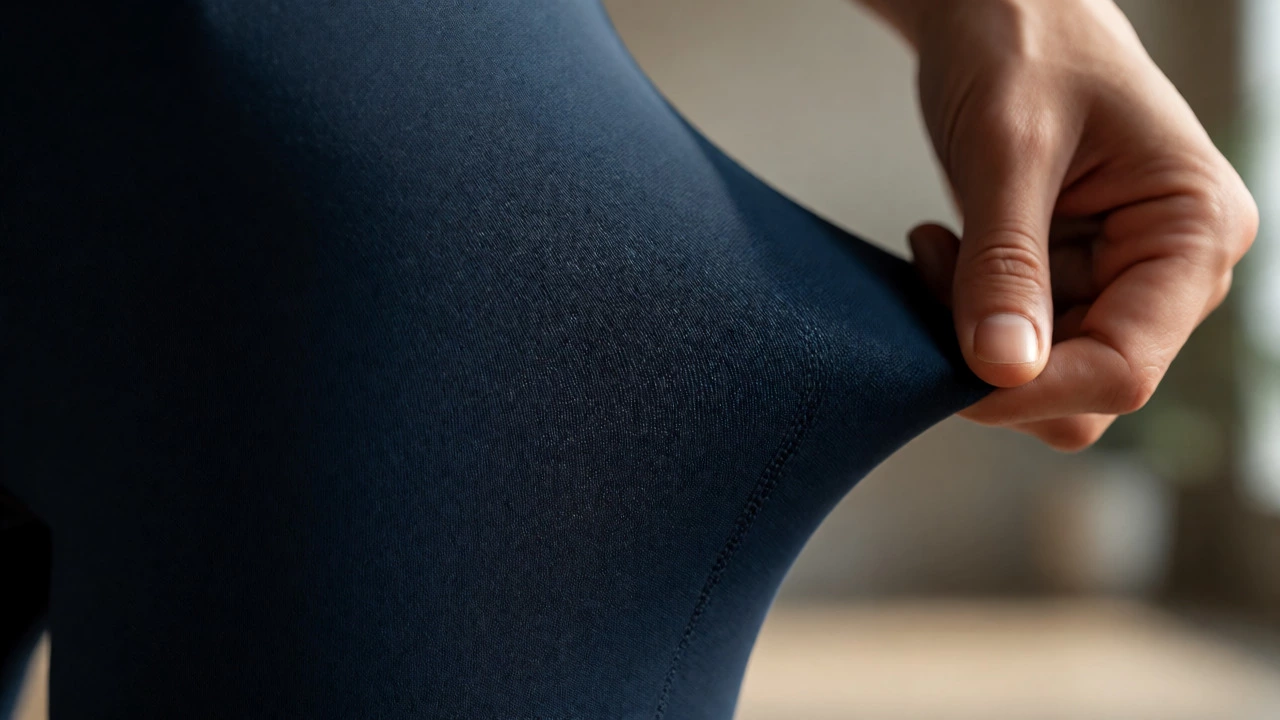
Most cheap activewear uses standard polyester or nylon blends. These fabrics work, but they often lack durability, breathability, or shape retention after multiple washes. Lululemon invests heavily in research and development to create proprietary textiles that solve specific problems for athletes and everyday wearers.
Take Luon, the original fabric introduced by Lululemon in 1998. It was revolutionary because it offered four-way stretch and opacity-meaning you couldn’t see through it when squatting. Today, they use advanced materials like Nulu, which is buttery soft and lightweight, or Everlux, designed specifically for high-sweat activities to dry faster than competitors’ fabrics.
These aren’t off-the-shelf materials bought from a generic supplier. They are developed in-house or exclusively licensed. This exclusivity means Lululemon controls the supply chain and quality standards, driving up production costs compared to brands using commodity fabrics.
Precision Engineering and Fit Technology
Have you ever noticed how some yoga pants roll down at the waist or chafe between the thighs? That’s usually a design flaw. Lululemon spends significant resources on pattern-making and fit testing. Their garments are constructed with flatlock seams to reduce friction and gussets (diamond-shaped pieces of fabric) in key areas to allow maximum range of motion without tearing.
Their sizing isn’t just S, M, L. They offer detailed size charts based on height and inseam length, acknowledging that a "Medium" fits differently on someone who is 5'2" versus 5'9". This level of granularity requires more complex manufacturing processes and higher inventory complexity, which translates to higher unit costs.
The Retail Strategy: Scarcity and Full-Price Integrity
Here is a counter-intuitive truth: Lululemon is expensive partly because they rarely discount their core products. Unlike fast-fashion brands that mark down items by 50% within weeks, Lululemon maintains price integrity. When you see a sale, it’s usually for older colors or discontinued styles, not the current season’s bestsellers.
This strategy relies on artificial scarcity and high demand. By limiting stock availability and keeping prices steady, they reinforce the perception of value. You aren’t waiting for a Black Friday deal because you know the price won’t drop significantly. This consistent pricing model allows them to recoup R&D and marketing costs faster, rather than relying on volume sales at thin margins.

Community Building and Marketing Costs
Lululemon doesn’t spend billions on TV ads featuring celebrities. Instead, they invest in local community engagement. Every store acts as a hub, hosting free yoga classes, run clubs, and wellness workshops led by local ambassadors. These ambassadors aren’t just paid models; they are certified instructors who embody the lifestyle the brand sells.
This grassroots marketing builds intense brand loyalty. When you join a local run club, you’re wearing the gear provided or endorsed by the group. This creates a network effect where the product becomes a badge of membership in a specific community. The cost of maintaining these spaces and programs is baked into the product price.
| Feature | Generic Brand ($30 Leggings) | Lululemon ($100+ Leggings) |
|---|---|---|
| Fabric Source | Commodity Polyester/Nylon | Proprietary Blends (e.g., Nulu, Everlux) |
| Seam Construction | Standard Overlock | Flatlock & Gusseted Design |
| Durability | Pilling/Fading after 10-20 washes | Shape retention for 50+ washes |
| Fit Options | S/M/L/XL only | Size + Height + Inseam variations |
| Marketing Focus | Mass Media Ads | Local Community & Ambassadors |
Quality Control and Ethical Manufacturing
While not all production happens in North America, Lululemon enforces strict quality control standards. Many consumers don’t realize that a single seam defect can lead to an entire batch being rejected. This rigorous inspection process reduces waste from returns due to defects but increases labor costs per unit.
Furthermore, as a publicly traded company, Lululemon faces pressure regarding sustainability and ethical sourcing. They have committed to reducing carbon emissions and using recycled materials. Transitioning to eco-friendly fibers often costs more than virgin synthetics, and these premiums are passed on to the consumer.
Is It Worth the Hype? A Value Proposition Analysis
So, should you pay the premium? It depends on your usage. If you wear leggings once a week for casual coffee runs, a $30 pair might suffice. But if you practice hot yoga three times a week or run marathons, the durability and moisture-wicking properties of technical fabrics save you money in the long run.
Consider the "cost per wear." A $100 pair of leggings worn 100 times costs $1 per wear. A $30 pair that loses its shape and pills after 20 wears costs $1.50 per wear. From a financial perspective, the higher upfront cost often equals better long-term value for frequent users.
How to Save Without Sacrificing Quality
If the sticker shock is too much, you don’t have to abandon the brand. Here are practical ways to lower the barrier to entry:
- Shop the "We Made Too Much" Section: This is Lululemon’s official outlet area online. You’ll find previous season colors and sizes at 30-50% off. The quality is identical; only the colorway differs.
- Buy Off-Season: Buy shorts in winter and sweats in summer. Prices are lower when demand dips.
- Check Resale Platforms: Sites like Poshmark or Mercari often have gently used Lululemon items. Since the fabric is durable, second-hand items often look new.
- Wait for Student Discounts: If you are eligible, Lululemon offers a permanent 15% discount for students and military personnel.
The Bottom Line
Lululemon is expensive because it isn’t just selling cloth; it’s selling engineered performance, precise fit, and community access. You are paying for R&D, exclusive materials, and a retail experience that avoids the race-to-the-bottom discounting seen in fast fashion. Whether that value aligns with your lifestyle is the only question that matters.
Do Lululemon leggings really last longer than cheaper brands?
Yes, generally speaking. High-quality technical fabrics like Luon and Nulu are designed to resist pilling and maintain elasticity over hundreds of washes. Cheaper alternatives often degrade quickly, losing shape or developing holes, especially in high-friction areas like the inner thighs.
Why does Lululemon never have big sales?
Lululemon maintains a premium brand image by avoiding deep discounts on current-season items. They prefer to clear inventory through their "We Made Too Much" section or outlets rather than devaluing their core products with sitewide sales events.
Are Lululemon clothes worth it for beginners?
For beginners, it might be overkill unless you plan to exercise frequently. However, the comfort factor alone makes them popular for lounging. If you are trying to build a habit, the psychological boost of wearing comfortable, well-fitting gear can help, but it’s not strictly necessary for starting out.
What is the most expensive item Lululemon sells?
While prices vary, limited-edition collaborations and outerwear jackets can reach several hundred dollars. However, their core staples like Align leggings typically hover around $98-$128 USD, which is considered the baseline premium price point.
Does washing method affect Lululemon lifespan?
Absolutely. Washing in cold water and air-drying significantly extends the life of technical fabrics. Using fabric softeners or high heat in the dryer breaks down the elastic fibers, causing the garment to lose its compression and fit prematurely.