Why Is Everyone Wearing Activewear?
Activewear Appropriateness Checker
Determine if your activewear is suitable for different situations based on style, fabric, and context. Follow article insights on the rise of hybrid lifestyles and practical comfort.
Results
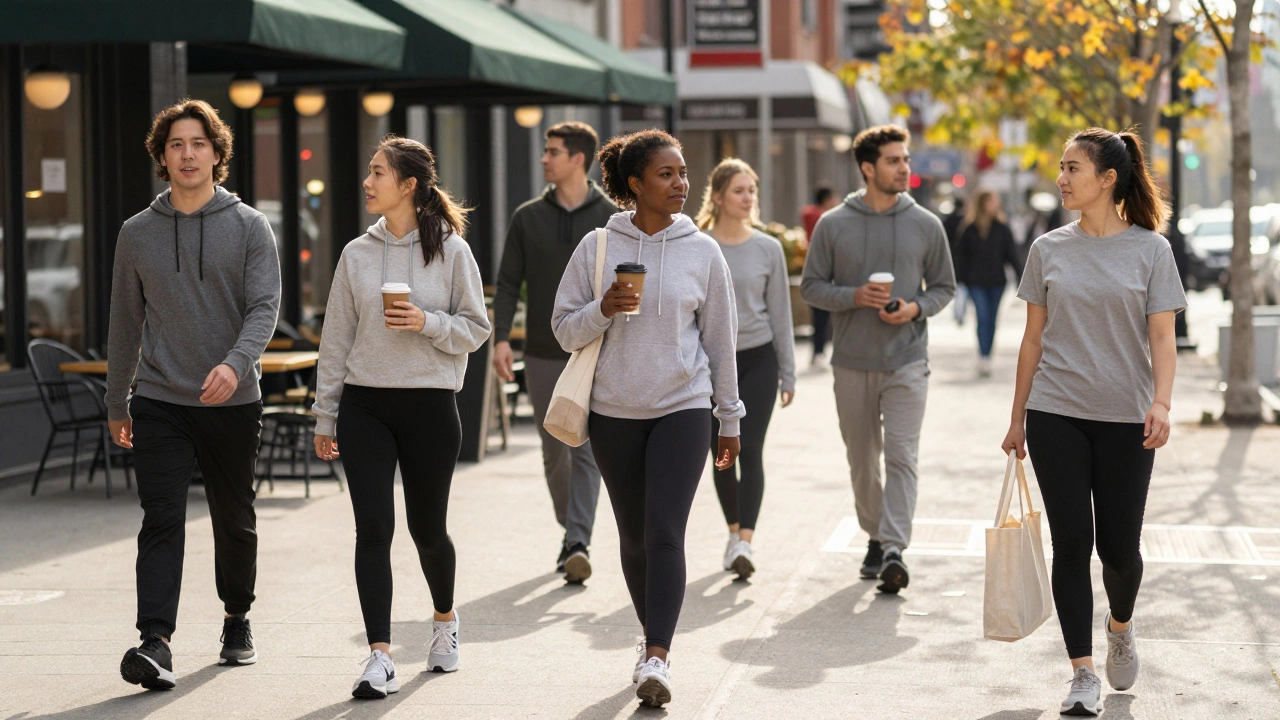
Walk down any street in Vancouver, Toronto, or even small-town main streets, and you’ll see it: people in leggings, hoodies, and moisture-wicking tees-no gym bag in sight. It’s not just the gym crowd anymore. Office workers, parents dropping kids at school, grocery shoppers, and even people on Zoom calls are dressed in what used to be called sportswear. But why? Why has activewear become the default outfit for almost everything?
It’s Not Just About Exercise Anymore
Activewear used to mean gear you put on before a run or a spin class. Now, it’s what you wear to pick up coffee, attend a parent-teacher meeting, or work from the couch. The shift didn’t happen overnight. It started with brands like Lululemon and Athleta turning performance fabrics into stylish, everyday pieces. But the real driver? Comfort. People are tired of tight jeans, itchy wool sweaters, and shoes that hurt after two hours. Activewear delivers stretch, breathability, and zero fuss.
There’s data behind this. A 2024 survey by McKinsey found that 68% of North American consumers now wear activewear at least three days a week for non-exercise activities. That’s up from 41% in 2019. And it’s not just women-men’s sales of athleisure tops and pants grew 22% year-over-year in 2024. This isn’t a trend. It’s a behavioral change.
The Rise of the Hybrid Lifestyle
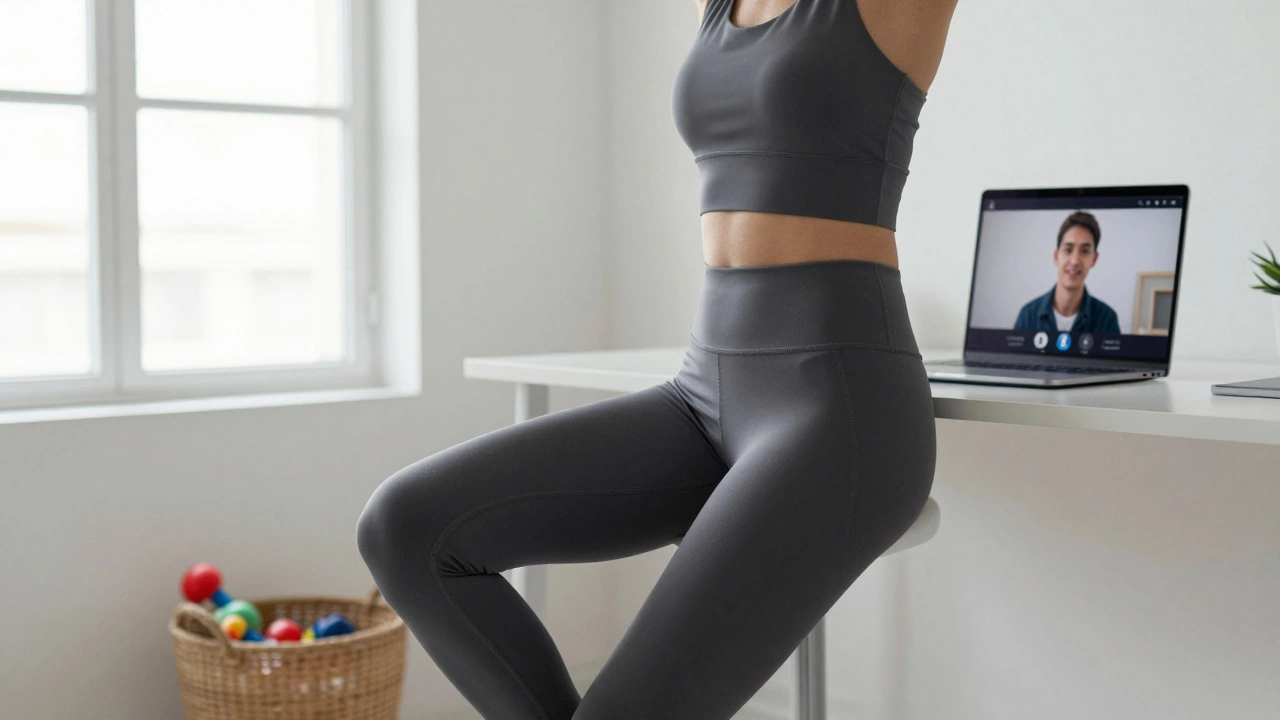
Hybrid work changed how we dress. If you’re switching between a home office and a Zoom call with your boss, you don’t need a suit. You need something that looks polished from the waist up and feels like pajamas from the waist down. Activewear fits that perfectly. Brands noticed this and started designing pieces with subtle details: flatlock seams that don’t show under blazers, matte finishes that don’t look like sweatpants, and colors that work in professional settings.
Even schools and workplaces started relaxing dress codes. A 2023 study from the University of British Columbia found that 72% of Canadian companies reported employees felt more productive when allowed to wear comfortable clothing. That’s not just about comfort-it’s about reducing stress. When you’re not fighting your clothes, your brain has more room to focus.
Activewear Is Designed to Last
Let’s talk about quality. Ten years ago, leggings fell apart after a few washes. Now, brands use high-denier nylon, recycled polyester, and compression weaves that hold their shape. A pair of $80 leggings from Lululemon or Girlfriend Collective can last five years with regular use. That’s cheaper per wear than a $120 pair of jeans you only wear twice a month.
And durability isn’t just about fabric. Modern activewear is built for real life. Pockets that don’t bulge, waistbands that stay put during squats and toddler hugs, and moisture-wicking material that doesn’t smell after one workout. Brands even test their products on real people-not just models in studios. You can wear them to yoga, then grab lunch, then run errands, and they still look clean and put together.
The Social Media Effect
TikTok and Instagram didn’t invent activewear, but they sure sped up its adoption. Influencers post morning routines in matching sets. Fitness coaches show “get ready with me” videos wearing leggings and crop tops. Even celebrities like Emma Stone and Ryan Reynolds are spotted in Athleta hoodies at the grocery store. When people see others looking good in activewear, they start thinking: Why can’t I?
There’s also a quiet rebellion here. Wearing activewear is a rejection of outdated norms. Why should women wear heels to look professional? Why should men wear button-downs to look serious? Activewear says: I’m capable, I’m busy, and I don’t need to perform elegance to be taken seriously.
It’s Also About Sustainability
Many activewear brands now make clothes from recycled plastic bottles, ocean waste, or organic cotton. Lululemon, for example, has committed to using 100% preferred materials by 2030. People are buying fewer pieces, but they’re buying better ones. A single high-quality pair of leggings replaces multiple pairs of worn-out jeans or sweatpants. That’s less waste, less shopping, and less guilt.
And because activewear is so versatile, you’re less likely to buy something just because it’s on sale. You buy it because it fits your life. That’s the opposite of fast fashion.
What’s Missing From Activewear?
It’s not perfect. Some pieces still look too casual for formal events. You won’t wear them to a wedding or a job interview at a law firm. And not all brands deliver on quality-cheap activewear from discount stores can pill, fade, or lose elasticity fast. But the good stuff? It’s built to be worn, not just shown off.
There’s also the issue of fit. Activewear isn’t one-size-fits-all. A person with a curvier body might struggle to find leggings that don’t roll down. Brands are improving, but there’s still work to do in inclusive sizing. Still, the industry is moving faster here than in traditional fashion.
The Future Is Comfort-First
This isn’t going away. As remote work, flexible schedules, and mental health awareness grow, comfort will keep winning. We’re seeing new categories emerge: “work-from-home activewear,” “commuter leggings,” and “parenting-friendly joggers” with hidden zippers for snacks and wipes. Even luxury brands like Gucci and Prada are launching activewear lines-because the market is too big to ignore.
What’s next? Smart fabrics that regulate temperature, self-cleaning materials, and clothing that adapts to movement. But the core idea won’t change: people want clothes that work as hard as they do.
So, Why Is Everyone Wearing Activewear?
Because it’s the only thing that works. It’s comfortable. It’s durable. It’s affordable over time. It fits real life-not a photo shoot. You don’t need to be going to the gym to wear it. You just need to be living your life. And that’s enough.
Is activewear appropriate for the office?
It depends on the workplace. In tech startups, creative agencies, and remote-first companies, yes-often with a tailored blazer or clean sneakers. In traditional industries like law or finance, it’s still risky unless it’s high-end and minimalist. Look for pieces with structured silhouettes, neutral colors, and no visible logos. A pair of black leggings with a crisp tunic and loafers can pass in many modern offices.
Are leggings really better than jeans?
For everyday wear, yes-if you value comfort and mobility. Jeans are rigid, heavy, and can restrict movement. Modern leggings offer stretch, breathability, and quick-dry tech without looking sloppy. But jeans still win for durability in rough conditions or when you need a more structured look. It’s not about replacing jeans entirely-it’s about choosing the right tool for the job.
Why is activewear so expensive?
High-quality activewear uses technical fabrics that cost more to produce-like recycled polyester, compression weaves, and moisture-wicking treatments. Brands also invest in fit testing, seam engineering, and ethical manufacturing. A $120 pair of leggings might seem steep, but if it lasts five years and replaces three cheap pairs, it’s actually cheaper per wear. Look for sales, secondhand options, or brands like Girlfriend Collective that focus on transparency and sustainability.
Can men wear activewear outside the gym too?
Absolutely. Men’s activewear has evolved beyond baggy shorts and tank tops. Think slim-fit joggers in charcoal gray, performance polos with UPF protection, and moisture-wicking button-downs. Brands like Lululemon, Vuori, and Outdoor Voices make pieces that look like casual chinos but feel like workout gear. It’s the same shift women experienced-comfort without sacrificing style.
How do I pick the right activewear for my body type?
Look for high-rise waistbands if you want tummy control, wide waistbands for comfort, and fabric with four-way stretch. Avoid thin, see-through materials. Try on leggings while squatting-good ones won’t gap or ride up. For curvier figures, brands like Fabletics and Torrid offer extended sizes with supportive fits. Don’t be afraid to try different brands-fit varies wildly even within the same style.