Who Makes the Best Quality Men's T-Shirts? A Fabric and Fit Guide
Men's T-Shirt Quality & GSM Calculator
Walk into any department store, and you are staring at a wall of white noise. Hundreds of men’s t-shirts hang in identical rows, promising comfort and style for $15 to $30. You pull one off the rack. It feels soft, maybe even silky. You buy it. Two washes later, it shrinks. Five wears later, the collar looks like a ruffle. The fabric has turned thin and translucent. You throw it away.
This is the trap of fast fashion. We have been conditioned to believe that price equals value, but when it comes to men’s basics, that equation is broken. The question isn’t just who makes the best shirts; it is what makes a shirt last. Are we looking for the perfect gym tee, a layering piece under a blazer, or a standalone staple that survives a decade?
Finding the right brand depends entirely on your definition of quality. For some, it means heavy-weight cotton that holds its shape. For others, it means organic fibers that feel cool against the skin. Let’s cut through the marketing fluff and look at the actual construction, materials, and brands that deliver on their promises in 2026.
The Anatomy of a Great T-Shirt
Before we name names, you need to know what you are buying. A t-shirt is deceptively simple, which makes bad manufacturing easy to hide. To spot quality, you need to look at three things: the fabric weight, the weave, and the stitching.
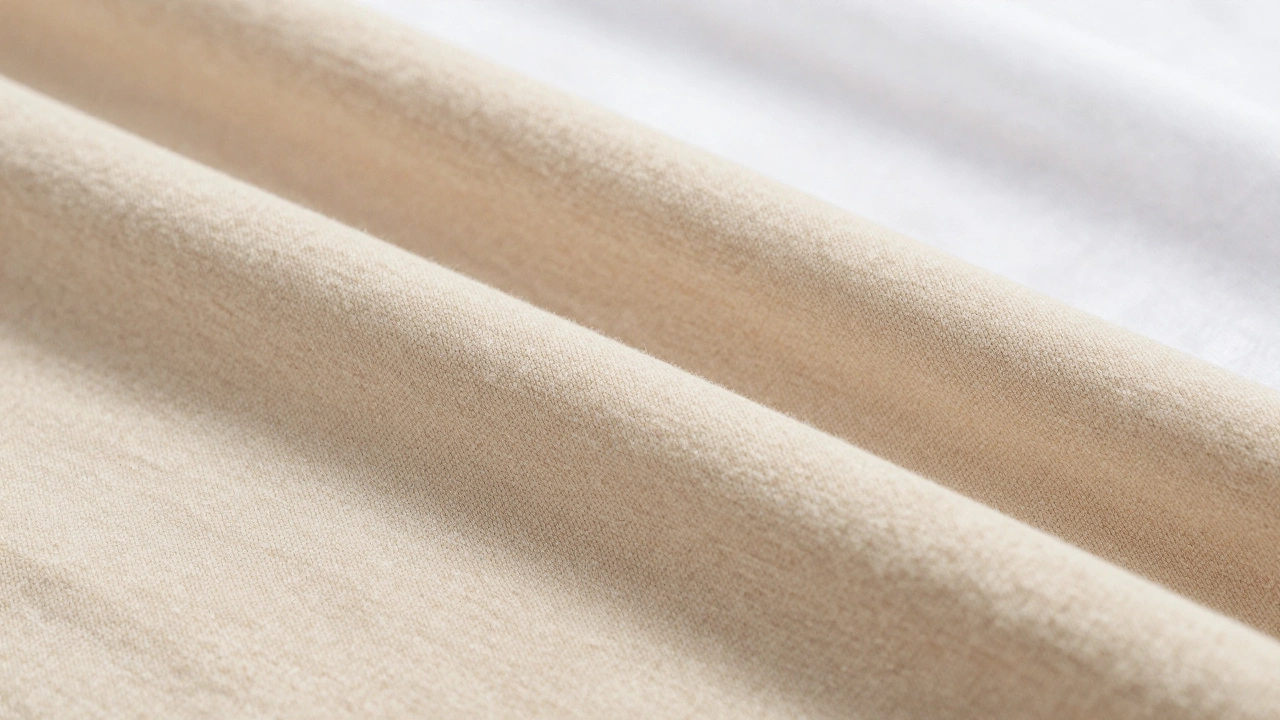
GSM (Grams per Square Meter) is the most important metric you will ignore if you don’t read the tag. This number tells you how thick the fabric is. A standard cheap tee runs between 140 and 160 GSM. It is light, breathable, but prone to sagging and transparency. A high-quality everyday tee sits between 180 and 220 GSM. It feels substantial without being hot. Anything over 250 GSM is a heavyweight tee, often used for streetwear aesthetics or winter layering. If you want a shirt that doesn’t cling to every imperfection, aim for 200+ GSM.
Next is the weave. Most t-shirts use jersey knit, which stretches horizontally. Look for "single jersey" versus "double jersey." Double-knit fabrics are denser and more resistant to pilling. Some premium brands use interlock knits, which are smoother and less likely to curl at the hem after washing.
Finally, check the seams. Cheap shirts use single-needle stitching that can unravel. Quality shirts feature flat-lock stitching along the side seams and reinforced bar-tacks at the shoulder straps. This prevents the shoulders from stretching out into those annoying droopy shapes we all hate.
Top Brands for Everyday Durability
If you want a workhorse-a shirt you can wear to the office, the gym, and the weekend without thinking about it-these brands have earned their reputation through consistency.
| Brand | Best For | Fabric Weight | Price Range | Key Feature |
|---|---|---|---|---|
| Uniqlo U | Value & Fit | 180-200 GSM | $15 - $25 | French Terry Cotton |
| Everlane | Minimalist Style | 190 GSM | $30 - $38 | Organic Cotton |
| Sunspel | Underlayer/Luxury | 160 GSM | $75 - $95 | Pima Cotton Jersey |
| Buck Mason | American Classic | 210 GSM | $48 - $58 | Heavyweight Organic |
Uniqlo U is a sub-brand of Uniqlo designed by Christophe Lemaire, focusing on high-quality basics at accessible prices. Their Airism line is great for heat, but their French Terry crew necks are the real deal. The fabric has a slight texture that hides stains and resists pilling better than smooth jersey. It fits true to size and washes well.
Everlane is an online clothing retailer known for radical transparency in pricing and ethical factory partnerships. The Original Tee is a staple for a reason. It uses organic cotton that gets softer with every wash without losing structure. If you prefer a clean, minimalist aesthetic, this is a safe bet.
For those willing to spend more, Sunspel is a British luxury brand founded in 1866, famous for supplying the Royal Navy and James Bond films. Their Sea Island Pima cotton tees are incredibly lightweight and silky. They are not meant to be worn alone unless you are going for a very specific, refined look. They excel as layers under open-collar shirts or suits because they disappear visually and feel like nothing on the skin.
The Heavyweights: Streetwear and Structure
In recent years, the trend has shifted toward thicker, boxier silhouettes. These shirts stand up on their own. They don’t drape; they frame. If you want that structured look, you need brands that specialize in heavyweight cotton.
Buck Mason is a San Francisco-based menswear brand focused on timeless American classics made with modern sustainability practices. Their heavyweight organic cotton tees are dense and opaque. The collar stays tight, and the body doesn’t bag out. It’s a bit pricier, but you are paying for longevity.
Stüssy is a pioneer of California surf and skate culture, now a global streetwear icon. While known for graphics, their plain heavyweight tees are excellent. The fabric is stiff initially but breaks in nicely. The fit is slightly longer in the torso, which is ideal if you plan to leave it untucked.
Another contender is Iron Heart is a Japanese denim manufacturer renowned for producing the heaviest and most durable denim and apparel in the world. Yes, they make jeans, but their t-shirts are essentially armor. At 300+ GSM, these are investment pieces. They cost upwards of $100, but they will outlast ten cheaper alternatives. The shrinkage is controlled during manufacturing, so you get consistent sizing.
Sustainable Choices That Don't Compromise
Quality and sustainability often go hand in hand. Fast fashion is wasteful because it falls apart. Durable goods reduce consumption. However, some brands prioritize eco-friendly materials without sacrificing durability.
Pact is an organic cotton apparel brand committed to fair trade certification and environmental responsibility. Their tees are softer than most conventional cotton options right out of the package. They use GOTS-certified organic cotton, meaning no toxic pesticides were used in farming. The fit is relaxed, and the price point is competitive with mid-range mall brands.
Patagonia is an outdoor recreation company known for its commitment to environmental activism and high-performance gear. While known for fleeces, their organic cotton t-shirts are built for abuse. They use recycled polyester blends in some lines for moisture-wicking properties, making them suitable for active lifestyles. The construction is rugged, with reinforced hems and double-stitched seams.
Fabric Deep Dive: Cotton vs. Blends
You will see many labels claiming "premium cotton." But not all cotton is created equal. Here is how to distinguish the good from the great:
- Pima Cotton: Grown primarily in the US, Peru, and Australia. The fibers are longer and stronger than regular cotton, resulting in a smoother surface that resists pilling. It is more expensive but lasts longer.
- Supima Cotton: A trademarked version of Pima cotton grown exclusively in the United States. It guarantees extra-long staple fibers. Look for the Supima logo on the tag for authenticity.
- Egyptian Cotton: Often over-marketed. Unless it specifies "Giza 45" or similar high-grade varieties, generic Egyptian cotton can be inconsistent. Many brands use this term loosely.
- Cotton-Polyester Blends: Usually 50/50 or 60/40. Polyester adds durability and reduces wrinkling, but it traps odors and feels less natural. Good for gym wear, bad for everyday elegance.
- Bamboo Viscose: Extremely soft and breathable, but often lacks structure. It can stretch out quickly and requires gentle washing. Great for loungewear, risky for daily drivers.
If you want the best balance of feel and durability, stick to 100% Pima or Supima cotton. Avoid blends unless you specifically need moisture-wicking performance for sports.
Fit Guides: Finding Your Shape
A high-quality fabric won’t save a bad fit. Most men wear t-shirts that are either too long in the body or too wide in the shoulders. Here is a quick checklist to ensure you are getting the right cut:
- Shoulder Seam: Should sit exactly where your shoulder bone ends. If it hangs down your arm, the shirt is too big. If it pulls across your chest, it’s too small.
- Hem Length: Should hit around mid-fly of your pants. If it covers your zipper completely, it’s too long. If it rides up when you raise your arms, it’s too short.
- Sleeve Width: Should cover about two-thirds of your bicep. Tight sleeves restrict movement; overly loose sleeves look sloppy.
- Neckline: Should lie flat against your collarbone. A gap indicates a stretched-out collar or a poor initial fit.
Brands like Bonobos is a menswear brand specializing in tailored fits and extensive size options for different body types. offer multiple fits (Slim, Tailored, Athletic) which helps if you have broader shoulders or a narrower waist. Don’t settle for one-size-fits-all logic.
Care Instructions to Extend Life
Even the best t-shirt will fail if you treat it poorly. Follow these rules to keep your wardrobe fresh for years:
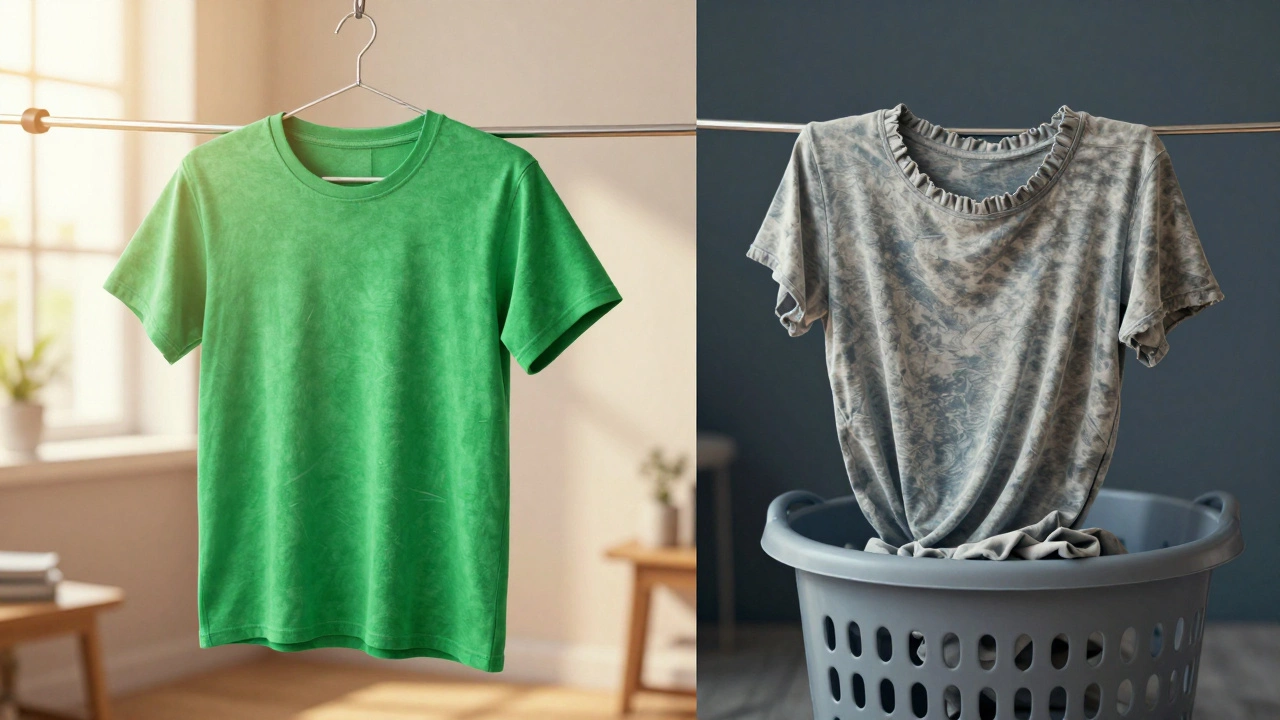
- Wash Cold: Hot water breaks down elastic fibers in collars and causes shrinkage. Always wash in cold water.
- Turn Inside Out: This protects the outer fabric from abrasion in the washer and prevents fading.
- Air Dry: The dryer is the enemy of t-shirts. It weakens fibers and causes shrinkage. Hang dry or lay flat. If you must tumble dry, use low heat and remove while slightly damp.
- Don’t Overwash: Unless you sweated heavily, you don’t need to wash a t-shirt after every wear. Air it out between uses. This reduces mechanical stress on the fabric.
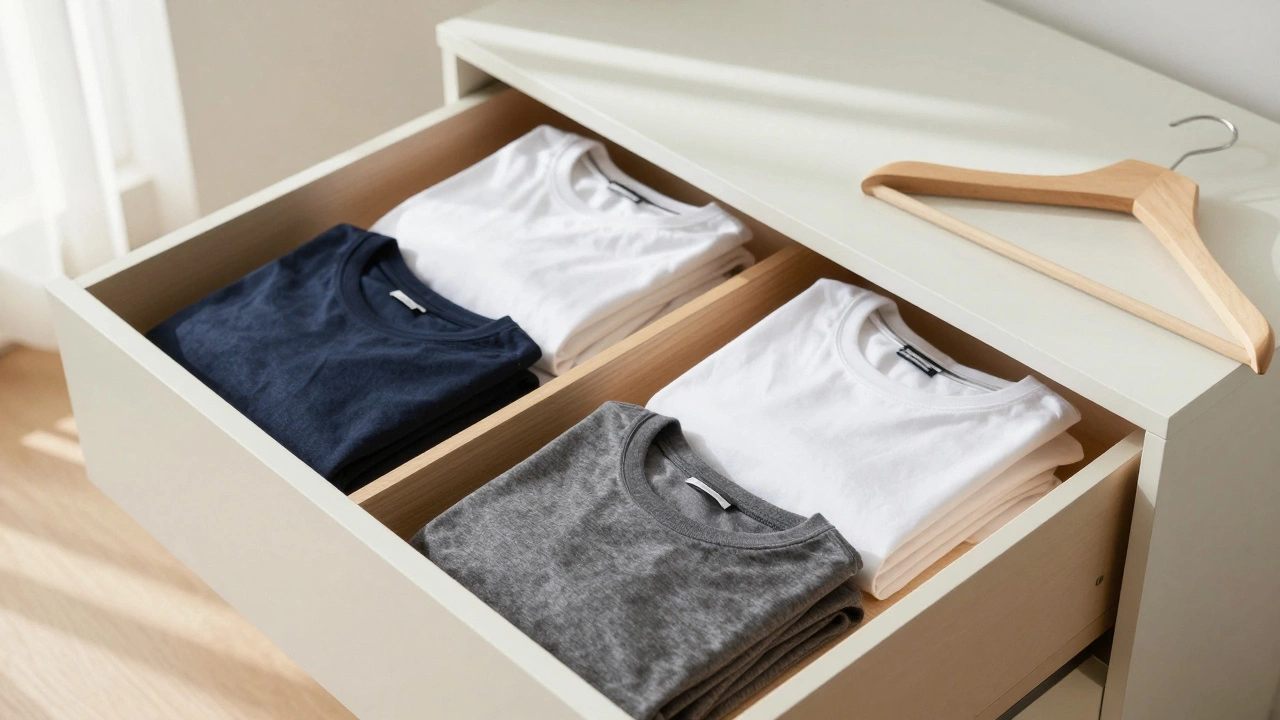
- Store Properly: Fold, don’t hang. Hanging t-shirts on hangers stretches the shoulders and neckline over time. Use drawer dividers to keep them organized.
Final Thoughts on Value
There is no single "best" brand for everyone. If you live in a hot climate and sweat easily, Patagonia or Uniqlo Airism might win. If you want a polished look for business casual offices, Sunspel or Buck Mason are superior. If you are on a budget but refuse to compromise on ethics, Pact is a strong choice.
The key is to invest in fewer, better pieces. Buying five $20 shirts that last six months is worse than buying two $50 shirts that last three years. Look at the GSM, check the seams, and feel the fabric. Your future self will thank you when you open your drawer and everything still looks new.
What is the best fabric for a men's t-shirt?
The best fabric depends on your needs. For everyday wear, 100% Pima or Supima cotton offers the best balance of softness and durability. For hot weather, bamboo viscose or linen blends provide breathability. For structure and opacity, heavyweight cotton (200+ GSM) is ideal.
Why do my t-shirts shrink after washing?
Shrinkage occurs when cotton fibers contract due to heat and agitation. Washing in hot water and drying on high heat accelerates this process. To prevent shrinking, always wash in cold water and air dry or use low heat. Pre-shrunk cotton helps but does not eliminate shrinkage entirely.
How often should I replace my t-shirts?
High-quality t-shirts can last 3-5 years with proper care. Replace them when the collar becomes misshapen, the fabric thins significantly, or holes appear. Cheap fast-fashion tees may only last a few months of regular wear.
Is it worth buying expensive t-shirts?
Yes, if you consider cost per wear. A $50 shirt that lasts five years costs less annually than a $15 shirt replaced every six months. Expensive shirts also tend to fit better, look more professional, and use sustainable materials.
What does GSM mean in t-shirts?
GSM stands for Grams per Square Meter. It measures fabric weight and thickness. Lower GSM (140-160) means lighter, thinner fabric. Higher GSM (200+) means heavier, more durable fabric. For a versatile everyday tee, aim for 180-220 GSM.