What Type of Formal Dress Makes You Look Slimmer? The Ultimate Guide to Flattering Silhouettes
Formal Dress Style Advisor
Step 1: Select Your Body Shape
Step 2: Primary Concern?
Your Perfect Silhouette
Recommended Neckline
Best Cut & Fabric
- ✓ A-Line or Empire Waist
- ~ Crepe or Lightweight Jersey
- ! Look for ruching at the waist
Select your body shape to get personalized recommendations.
Have you ever stood in front of a mirror, holding a beautiful formal dress that looks stunning on the hanger but feels completely wrong on your body?
You are not alone. We have all been there. The goal isn't just to look 'smaller'; it is about creating balance, highlighting your best features, and feeling confident enough to own the room. The secret to looking slimmer in an evening gown rarely lies in squeezing into a size smaller than you wear. Instead, it comes down to understanding how fabric, cut, and color interact with your specific proportions.
The Power of the Neckline: Where Eyes Go First
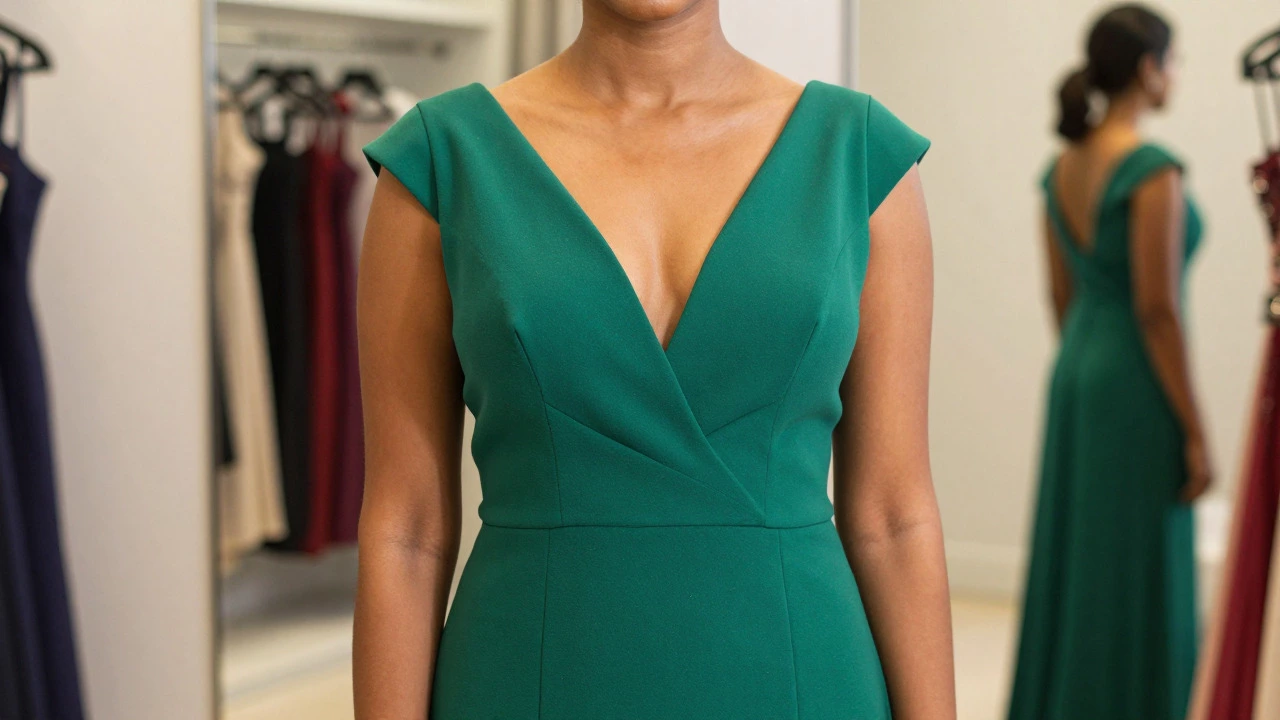
If you want to change how people perceive your body shape, start at the top. Your neckline acts as a frame for your face and upper body, directing attention exactly where you want it. A deep V-neckline is arguably the most flattering feature you can choose. It creates a vertical line that draws the eye downward, elongating your neck and torso. This visual trick makes your entire silhouette appear taller and leaner.
Avoid high necklines or boat necks if you feel broad in the shoulders or bust area. These horizontal lines widen your appearance. Instead, opt for a V-neck, scoop neck, or sweetheart neckline. If you are self-conscious about your midsection, a V-neck helps because it keeps the focus on your collarbones and face rather than your waist. Pair this with structured shoulders to create an hourglass illusion, balancing out any curves below the waist.
Silhouette Matters More Than Size
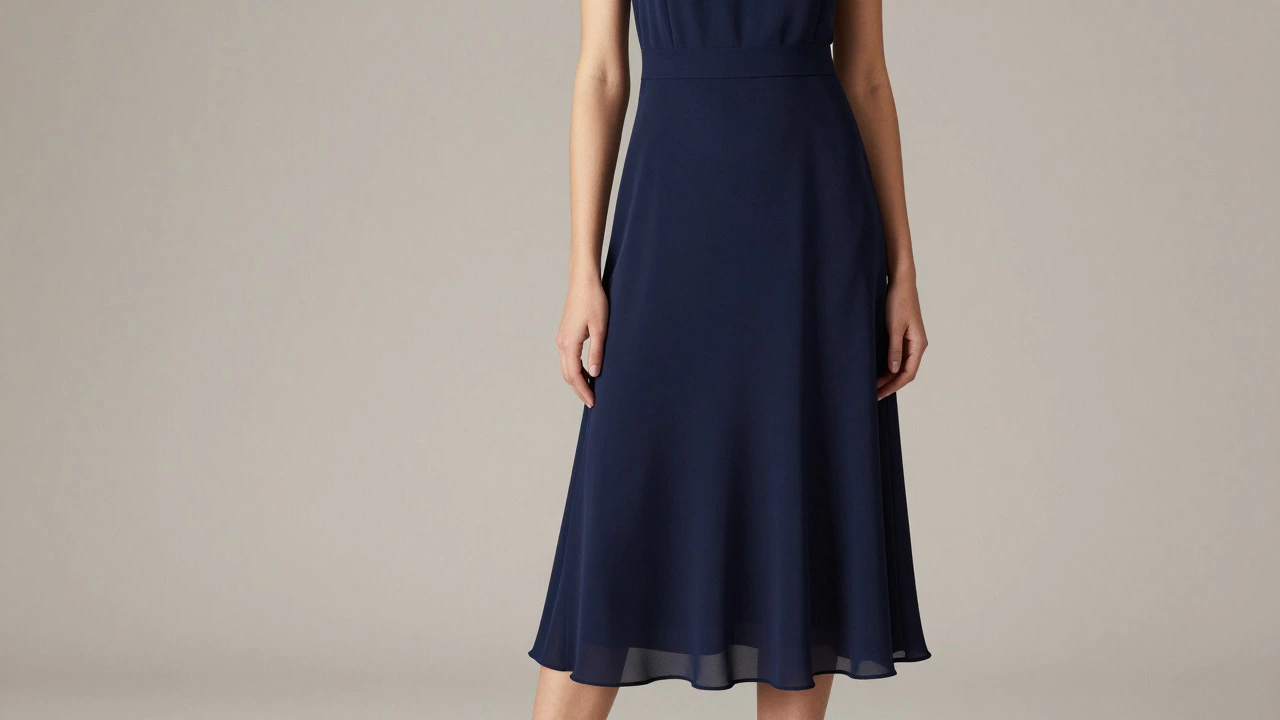
The cut of the dress dictates how fabric moves across your body. Not every shape works for every figure, but some silhouettes are universally slimming because they skim rather than cling. The A-line dress is a classic for a reason. It fits snugly at the bodice and gradually flares out from the waist or hips. This shape hides trouble areas like the thighs and hips while accentuating the narrowest part of your waist.
Another powerful option is the empire waist. This style features a seam just under the bust, allowing the rest of the dress to flow loosely over the stomach and hips. It is perfect for those who carry weight in their midsection. However, be careful not to let the fabric bunch up; look for designs with gentle draping rather than excessive volume. On the other hand, if you have a pear-shaped body, a fit-and-flare style that hugs your natural waist and skims your hips can create a balanced, proportional look.
Fabric Choices That Flatter
Even the best cut can fail if the fabric is wrong. Heavy, stiff materials like thick satin or brocade add bulk. They hold their shape regardless of your body, which can make you look boxy or wider than you are. Instead, look for fabrics with drape. Crepe, chiffon, and lightweight jersey are excellent choices. These materials fall softly against the skin, following your natural curves without clinging tightly to every imperfection.
Avoid shiny fabrics like patent leather or glossy silk on areas you wish to minimize. Light reflects off these surfaces, highlighting bumps and curves. Matte finishes absorb light, creating a smoother, more streamlined appearance. If you love the look of sequins or beads, ensure they are scattered subtly rather than covering the entire garment. Strategic embellishments can draw the eye to specific points, such as the neckline or hem, leaving the rest of the dress understated and slimming.
The Color Psychology of Slimming
We all know black is slimming, but that is only half the story. Dark colors recede visually, making areas look smaller. While a little black dress is a staple, don't limit yourself to monochrome. Deep jewel tones like navy blue, emerald green, burgundy, and plum offer the same slimming effect with more personality. These rich shades provide contrast against the skin without the severity of black.
Monochromatic dressing is another pro tip. Wearing one color from head to toe-including your shoes and accessories-creates an unbroken vertical line. This elongates your figure significantly. If you want to introduce color, keep it to small accents. For example, a bright clutch or statement earrings can add pop without breaking the sleek silhouette. Avoid large patterns or bold stripes, which can distort proportions. Small, subtle prints are safer, but solid colors remain the most reliable choice for a streamlined look.
Strategic Details and Embellishments
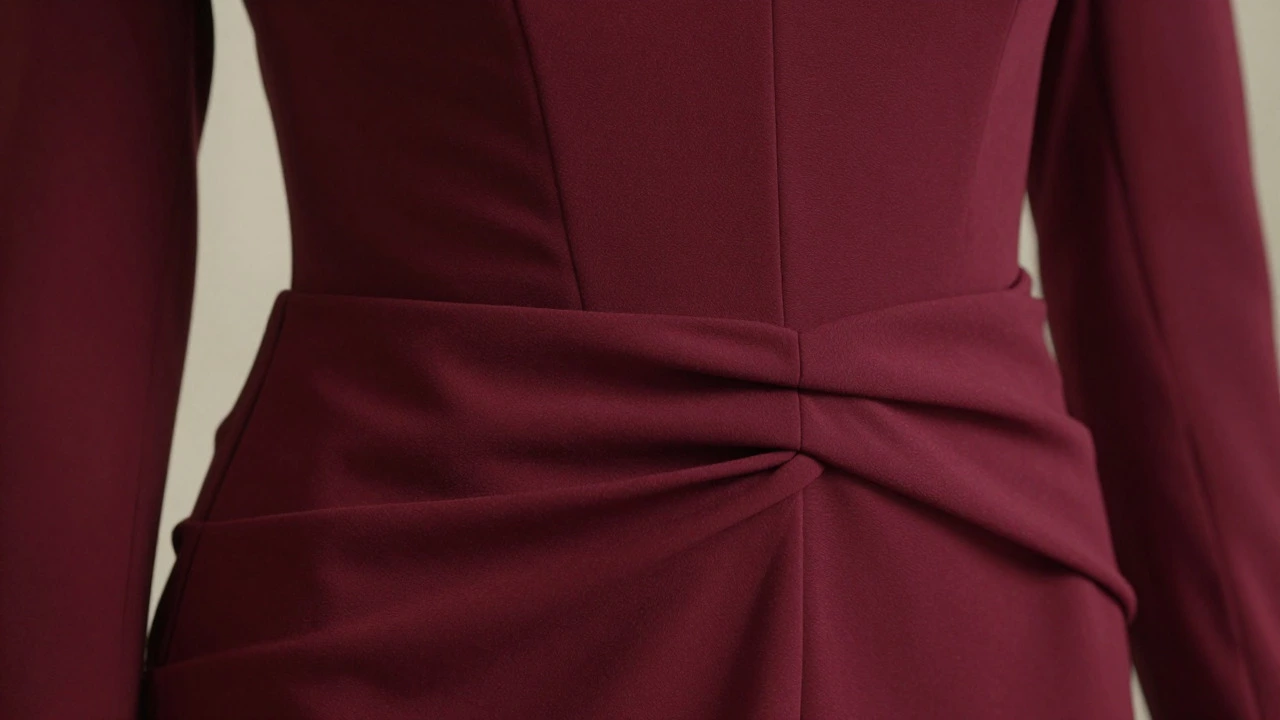
Small details can make or break a slimming outfit. Vertical seams, ruching, or pleats create lines that guide the eye up and down, adding length and reducing width. Ruching, in particular, is magical for concealing the tummy. The gathered fabric creates texture that distracts from lumps and bumps, while also providing stretch and comfort.
Belt placement is crucial. A thin belt worn at your natural waist can define your shape, but avoid wide belts that cut your body in half. If you are wearing an empire waist dress, skip the belt altogether. Let the seam do the work. Additionally, consider the hemline. A slit in the skirt can reveal a hint of leg, creating a vertical break that adds height and elegance. Just ensure the slit is not too high, as this can disrupt the smooth flow of the dress.
Fitting and Alterations: The Final Touch
No matter how perfect a dress looks online, it needs to fit your unique body. Off-the-rack garments are made for average proportions, which rarely match real-life bodies. Invest in alterations. Taking in the sides, adjusting the shoulder straps, or hemming the skirt can transform a mediocre dress into a custom-fit masterpiece. A well-fitted dress should skim your body, not squeeze it. If you are struggling to button it, it is too small.
Pay attention to the bra and shapewear underneath. Seamless, nude-colored undergarments prevent visible lines and bulges. Choose support that lifts and shapes without adding bulk. Sometimes, the right foundation garment is all you need to make a dress look slimmer. Finally, stand in front of a full-length mirror and move around. Sit, walk, and dance. Ensure the dress stays in place and continues to flatter you in motion.
| Feature | Why It Works | Best For |
|---|---|---|
| V-Neckline | Elongates neck and torso | All body types, especially apple shapes |
| A-Line Cut | Hides hips and thighs | Pear and hourglass shapes |
| Crepe Fabric | Drapes softly, minimizes bulk | Those seeking a smooth silhouette |
| Dark Jewel Tones | Recedes visually, adds depth | Anyone wanting a slimming effect |
| Ruching | Conceals midsection with texture | Apple shapes and those with belly concerns |
Common Mistakes to Avoid
One common error is choosing a dress that is too long. Dragging hems shorten your legs and make you look shorter and wider. Aim for a length that grazes the floor or ends just above the ankle. Another mistake is ignoring your posture. Standing tall with your shoulders back instantly improves how any dress hangs on your body. Slouching ruins even the best-cut gown.
Also, beware of overly tight waistbands. They create muffin tops and emphasize the very areas you might want to hide. Opt for dresses with built-in structure or elasticized waists that adjust to your body. Finally, do not sacrifice comfort for aesthetics. If you are constantly adjusting your dress, it shows. Confidence comes from feeling comfortable, and that radiates through your appearance.
Does black really make you look slimmer?
Yes, black absorbs light and creates a receding visual effect, making areas appear smaller. However, dark jewel tones like navy, emerald, and burgundy offer similar slimming benefits with more variety.
What is the best neckline for a slimming effect?
A V-neckline is the most universally flattering. It elongates the neck and torso, drawing the eye vertically and creating a leaner silhouette. Sweetheart and scoop necks are also good alternatives.
Should I wear shapewear with my formal dress?
Shapewear can help smooth lines and improve fit, but it is not mandatory. Choose seamless, nude-colored options that provide support without adding bulk. Comfort is key to maintaining confidence.
Are A-line dresses suitable for all body types?
A-line dresses are highly versatile. They accentuate the waist and skim over the hips and thighs, making them flattering for pear, apple, and hourglass shapes alike.
How important are alterations for a slimming look?
Alterations are crucial. A dress that fits your unique proportions will always look better than one that is slightly too big or small. Tailoring ensures the fabric skims your body correctly, enhancing your natural shape.