What is the American Word for Trainers? Sneakers vs. Tennis Shoes
US Footwear Terminology Guide
Not sure whether to say "sneakers," "tennis shoes," or "kicks"? Use this guide to find the best term for your situation.
Test Your Knowledge
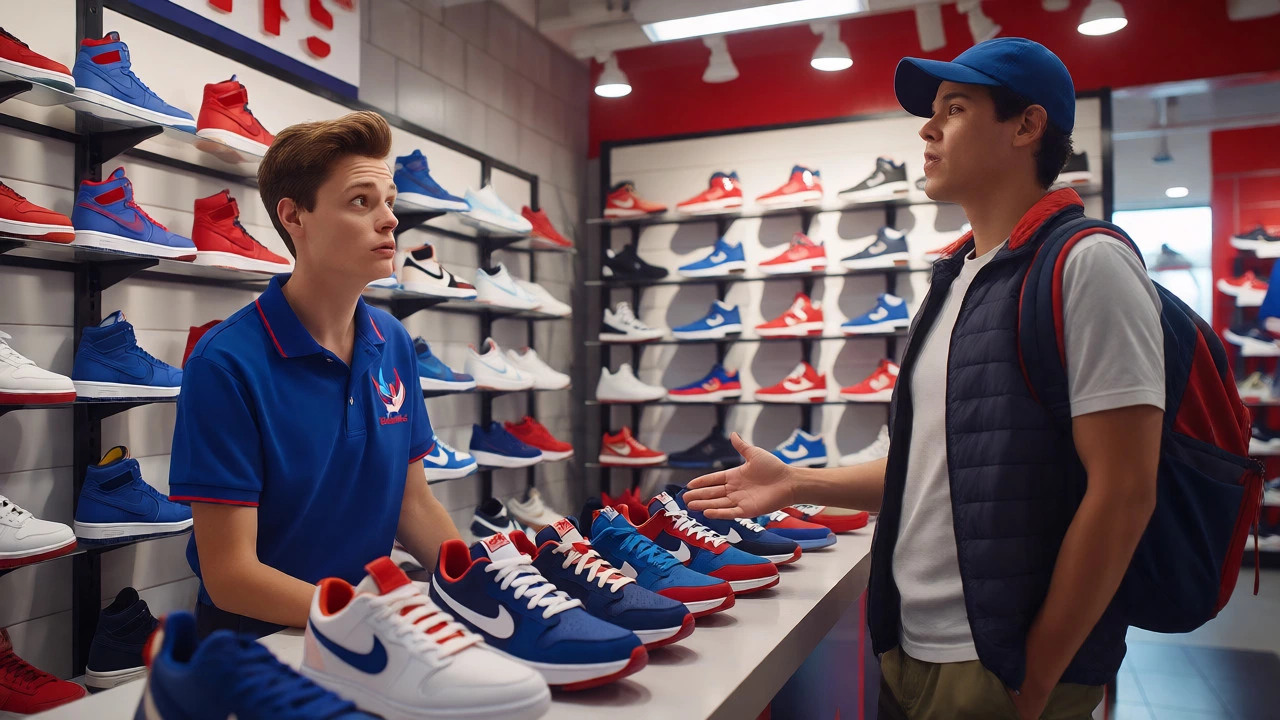
You’re standing in a mall in Chicago, looking for a pair of comfortable shoes to walk around the city. You ask a clerk for trainers, and they stare at you blankly. Or maybe they point you toward the athletic section but look confused by your phrasing. This isn’t just a minor inconvenience; it’s a classic example of how language shapes our daily interactions, even when buying something as simple as footwear. The answer to "what is the American word for trainers?" is almost always sneakers. But the story doesn’t end there. Depending on who you talk to and where you are in the United States, you might also hear them called tennis shoes, gym shoes, or simply kicks.
Understanding these distinctions saves you time and embarrassment. It helps you shop online without getting the wrong product, order correctly at a store, and sound like a local rather than a tourist. Let’s break down exactly why Americans don’t say "trainers," what they say instead, and the subtle differences between the terms that actually matter.
The Core Answer: Why Americans Say Sneakers
In the UK, Australia, and many other English-speaking countries, "trainers" is the standard term for athletic shoes designed for exercise or casual wear. The word comes from their use in training. In the United States, however, this word is virtually unused in everyday conversation. If you walk into a Foot Locker in New York and ask for trainers, you’ll likely get a polite but puzzled response.
The dominant American term is sneakers. This term has a fascinating history that explains its persistence. The name originated in the late 19th century, specifically around 1887, according to Henry McKinney, an editor of the Boston Journal. He noted that children called their soft-soled shoes "sneakers" because they could move quietly, or "sneak" around without making noise. Unlike hard leather boots that clanked on pavement, rubber-soled shoes allowed for stealthy movement.
This etymological root highlights a key functional difference. While "trainers" emphasizes the purpose (training), "sneakers" emphasizes the physical characteristic (quietness). Today, the quiet aspect is less relevant-modern running shoes aren’t particularly silent-but the name stuck. It became entrenched in American culture through advertising and brand marketing throughout the 20th century.
Sneakers vs. Tennis Shoes: Is There a Difference?
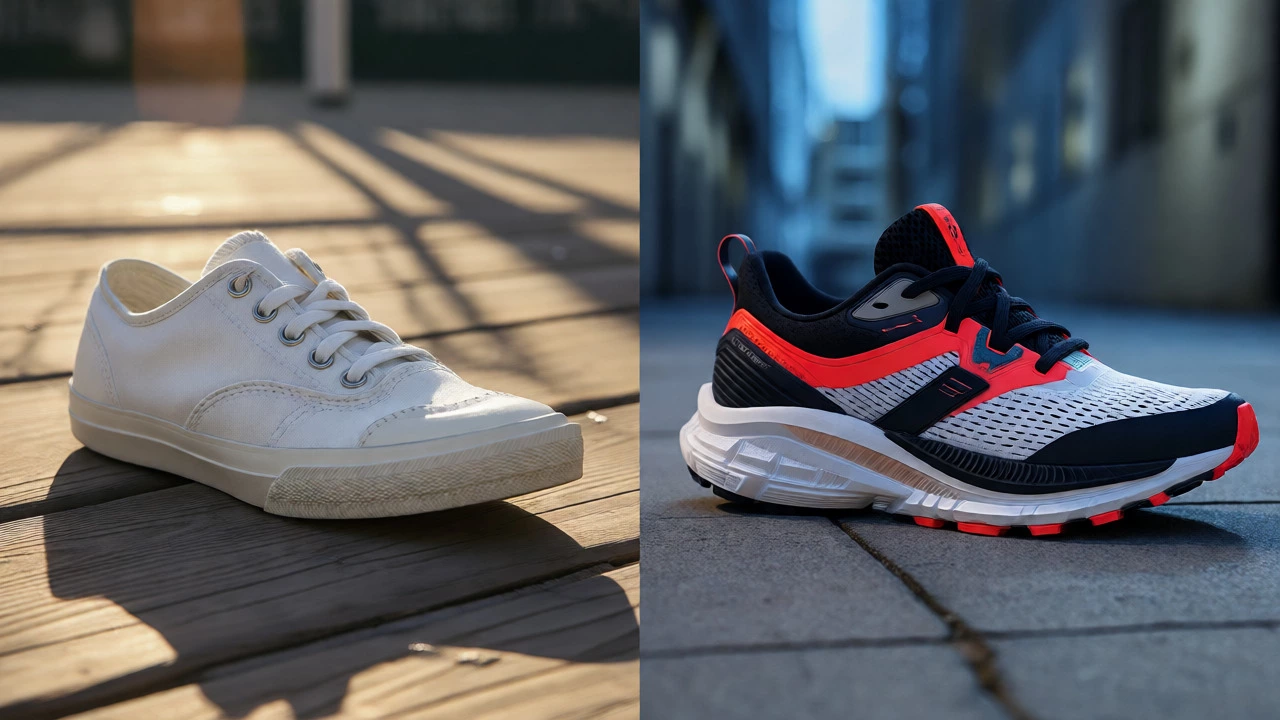
If you spend enough time in the US, you’ll notice another common term: tennis shoes. Many people use "sneakers" and "tennis shoes" interchangeably, but there is a regional and functional nuance here. Historically, tennis shoes referred specifically to white canvas shoes with rubber soles, originally designed for playing tennis. Think of the classic Keds or early Converse Chuck Taylors.
Over time, the term broadened. In some parts of the Midwest and South, older generations still call any athletic shoe a tennis shoe, regardless of whether you play tennis. However, younger demographics and coastal cities tend to prefer "sneakers." There’s also a specific technical distinction in retail. A true tennis shoe today often refers to a court shoe with lateral support for side-to-side movement, whereas a running sneaker focuses on forward motion cushioning. If you ask for "tennis shoes" at a general sporting goods store, the clerk might clarify if you mean for actual tennis or just casual wear.
| Term | Primary Region/Demographic | Connotation & Usage | Best Context for Use |
|---|---|---|---|
| Sneakers | Nationwide, all ages | Neutral, modern, standard. Covers everything from Nike Air Jordans to basic running shoes. | General shopping, casual conversation, fashion contexts. |
| Tennis Shoes | Midwest, South, Older adults | Traditional, slightly dated. Often implies flat-soled or canvas styles. | Talking to older relatives, rural areas, or specific sports contexts. |
| Gym Shoes | Nationwide | Functional. Specifically implies usage for working out. | Buying equipment for fitness classes or weightlifting. |
| Kicks | Urban, Youth, Hip-hop culture | Slang. Implies style, hype, or collectibility. | Casual chats with friends, streetwear discussions. |
Regional Variations Across the United States
America is huge, and linguistic habits vary significantly by geography. While "sneakers" is understood everywhere, it isn’t always the preferred word. In the Northeast, particularly around Boston and New York, "sneakers" is king. It’s the default term used by everyone from teenagers to grandparents.
Move south to Texas or Georgia, and you might hear more "tennis shoes." This isn’t universal, but it’s common enough that using "sneakers" might mark you as an outsider in certain small-town contexts. Conversely, in California, especially among surf and skate cultures, you might hear specific brand names used as generic nouns. Asking for "Vans" or "Nikes" is often more natural than asking for a category of shoe.
There’s also a class and age divide. In affluent suburbs or professional settings, people might use more precise terms like "running shoes," "walking shoes," or "athletic footwear." In contrast, "kicks" remains popular in urban centers and among younger crowds influenced by hip-hop and sneakerhead culture. If you’re trying to blend in, listen to the locals first. If they say "sneakers," use it. If they say "tennis shoes," mirror that.
When "Trainers" Does Get Used in America
Is "trainers" completely dead in the US? Not entirely. You will encounter the word in two specific scenarios. First, in high-end fashion retail. Luxury brands and boutique stores sometimes adopt British terminology to sound more sophisticated or international. A trendy shop in Los Angeles might label a rack as "Designer Trainers." Here, the word signals exclusivity and European flair.
Second, in specialized athletic contexts. Personal trainers or coaches might refer to "training shoes" or "trainers" when discussing specific cross-training footwear designed for mixed movements. However, even in this context, most Americans would still say "cross-trainers" or "workout shoes" rather than just "trainers." So, while you won’t be misunderstood if you use it, you’ll definitely stand out as someone familiar with British English.
How to Shop for Shoes in the US Without Confusion
Knowing the right words makes online and offline shopping smoother. When browsing American websites like Amazon, Zappos, or Nike.com, search filters rarely use the word "trainers." Instead, they categorize products under "Sneakers," "Athletic Shoes," or "Running Shoes." If you type "trainers" into an American search bar, you might get fewer results or irrelevant matches, such as personal trainer certifications or educational materials.
Here is a quick checklist for navigating US footwear terminology:
- For Casual Wear: Search for "casual sneakers" or "lifestyle shoes." These are stylish but not necessarily performance-oriented.
- For Exercise: Specify the activity. Use "running shoes," "weightlifting shoes," or "basketball shoes." General "gym shoes" can be too vague and lead to poor fit.
- For Kids: Parents often say "school shoes" or "playground shoes," though "sneakers" works fine.
- For Formal/Sport Hybrid: Look for "dress sneakers" or "luxury sneakers." Avoid "smart trainers," which is a very British concept.
Also, pay attention to sizing conventions. While not strictly about naming, it’s related to the shopping experience. US sizes differ from UK/EU sizes. Always check the conversion chart. And remember, width matters. Terms like "Wide" or "Extra Wide" are common options in the US due to the diverse population’s foot shapes.

Related Footwear Terms You Should Know
To fully grasp American shoe lingo, you need to know a few adjacent terms. Understanding these prevents mix-ups in other categories.
Flats usually refers to women’s low-heeled shoes, not athletic ones. Don’t confuse these with "slip-ons," which are laceless sneakers.
Boots covers everything from rain gear to winter wear. In the US, "booties" are short ankle boots, often fashionable. This differs from the UK where "wellies" are rain boots.
Sandals are open-toed shoes. Americans distinguish between "flip-flops" (casual beachwear) and "strappy sandals" (dressier). Calling flip-flops "thongs" is technically correct but socially risky in the US due to the slang meaning for underwear.
Finally, Slippers are strictly indoor footwear. Wearing slippers outside is generally frowned upon, unlike in some European cultures where "mules" or backless shoes bridge the gap between indoor and outdoor wear.
Frequently Asked Questions
Can I use the word "trainers" in the USA?
Yes, but it’s uncommon. Most Americans will understand you if you use context clues, but they might find it quirky or foreign. Using "sneakers" is safer and sounds more natural in everyday conversation.
Are tennis shoes and sneakers the same thing?
In casual conversation, yes. Technically, tennis shoes were originally designed for tennis with specific lateral support. Today, many people use the terms interchangeably, though "sneakers" is the broader, more modern term covering all athletic footwear.
Why do Americans call them sneakers?
The term dates back to the late 1800s. Rubber-soled shoes made no noise compared to leather boots, allowing wearers to "sneak" up on people quietly. The name stuck despite changes in shoe technology.
What is the difference between running shoes and sneakers?
All running shoes are sneakers, but not all sneakers are running shoes. Running shoes have specialized cushioning and geometry for forward motion. Sneakers is a catch-all term that includes basketball shoes, lifestyle shoes, and walking shoes.
Do Canadians use the word trainers or sneakers?
Canada sits in a unique middle ground. Both "sneakers" and "runners" are common. In Quebec, French influence means "baskets" is used. In Western Canada, "runners" is quite popular. "Trainers" is understood but less frequently used than in the UK.
Next Steps: Mastering the Lingo
Now that you know the American word for trainers is sneakers, you can navigate US footwear conversations with confidence. Remember, language is fluid. If you’re in a hip neighborhood in Brooklyn, "kicks" might fit better. If you’re buying work shoes in Ohio, "tennis shoes" might resonate with the salesperson. The key is observation. Listen to how locals speak, and adapt accordingly.
For your next trip to the US or when shopping on American sites, skip the word "trainers." Stick to "sneakers" for general use, specify the activity for sports gear, and enjoy the seamless interaction. You’ve got the right words now-go find the perfect pair.