What Are the Coolest Clothes to Wear in Summer? Top Summer Dresses and Breathable Styles
Summer Dress Coolness Calculator
How Cool Is Your Summer Dress?
Answer a few questions to see if your summer dress will keep you cool in the heat. Based on the article "What Are the Coolest Clothes to Wear in Summer?".
Your Summer Dress Coolness Score
When the temperature hits 30°C and the sun stays up until 9 p.m., your closet needs to work harder than ever. You don’t just want to look good-you want to stay cool, move freely, and not feel like you’re wrapped in a sauna. The truth? The coolest summer clothes aren’t about brand names or trends. They’re about fabric, fit, and function. And when it comes to summer, nothing beats a well-chosen dress.
Lightweight Fabrics Are Non-Negotiable
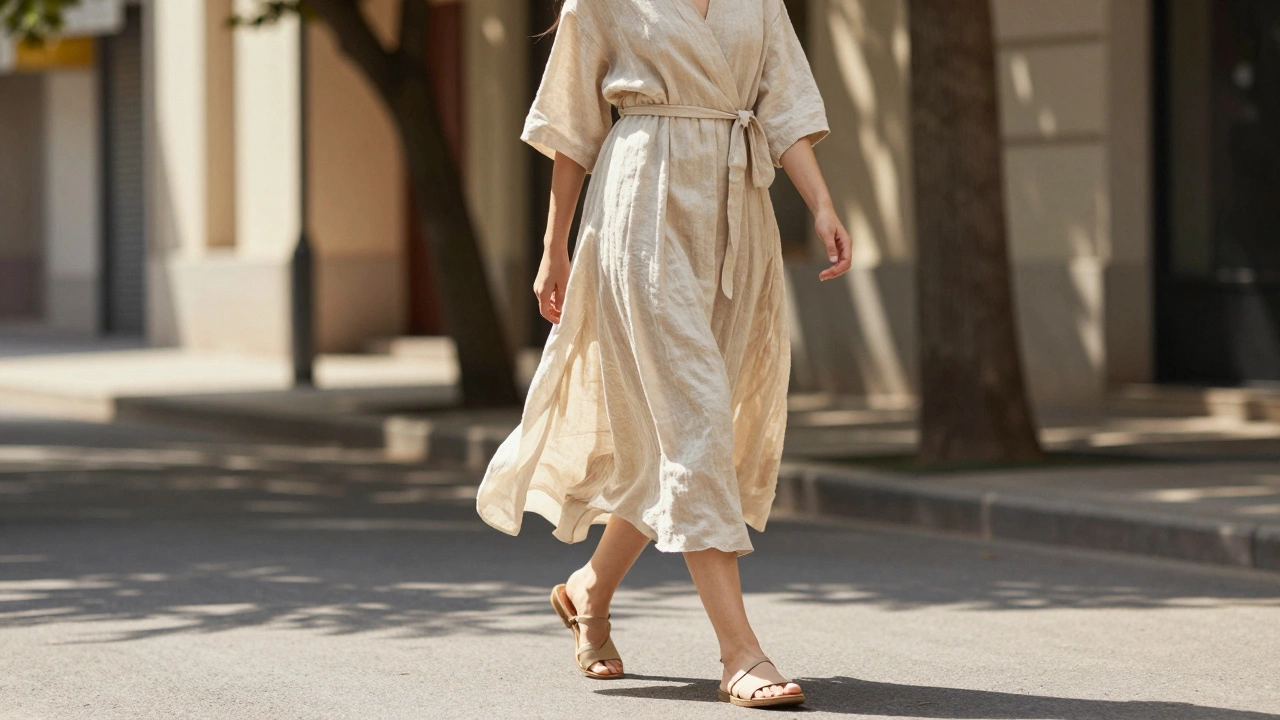
Forget polyester blends that cling and trap heat. The best summer dresses are made from natural fibers that breathe. Cotton, linen, rayon, and chambray aren’t just trendy-they’re practical. Linen, for example, has a loose weave that lets air flow through it, and it actually gets softer with every wash. A 100% linen dress might wrinkle, but that’s part of its charm. It’s not sloppy-it’s relaxed.
Cotton voile is another winner. It’s thin, airy, and drapes softly over the body without sticking. I’ve worn a cotton voile wrap dress in Vancouver’s humid July afternoons and still felt cool. No sweat patches. No discomfort. Just movement. Rayon, especially TENCEL™ rayon, is a close third. It’s smooth like silk but more durable and easier to care for. Look for labels that say ‘TENCEL™’ or ‘organic cotton’-those are signs of better quality and sustainability.
Loose Fits Beat Tight Silhouettes
Tight dresses might look flattering in photos, but in real life, they trap heat against your skin. The coolest summer dresses have room to breathe. A-line cuts, shift dresses, and tiered styles all let air circulate around your body. Think of them like a gentle breeze you can wear.
One of my favorite summer go-tos is a simple shift dress with elbow-length sleeves. It covers just enough to protect from sunburn, but leaves your arms and legs free. I’ve worn mine to farmers’ markets, beach picnics, and even casual office days. No one ever asked if I was overdressed. No one ever asked if I was underdressed. It just worked.
High-low hemlines and open backs are also smart choices. They add visual interest without adding heat. A dress with a slit up the side? Even better. It lets your legs catch the breeze while walking. You don’t need to show skin to stay cool-you just need space.
Color Matters More Than You Think
Dark colors absorb heat. Plain black, navy, or deep green might look sleek, but they’ll make you sweat faster. The coolest summer dresses are light in color. White, cream, soft pastels, and pale blues reflect sunlight instead of soaking it up. I’ve tested this myself: wearing a white linen dress versus a black cotton one on the same day? The white one felt at least 3°C cooler.
But don’t think you have to stick to boring neutrals. Brights like coral, mint, and sunshine yellow can work too-as long as they’re in lightweight fabrics. A coral wrap dress in cotton voile? That’s a summer winner. It’s cheerful without being hot. Avoid shiny synthetics, though. Even light-colored polyester can feel sticky and uncomfortable under direct sun.

Details That Make a Difference
Small features turn a good dress into a great summer one. Look for:
- Adjustable straps-so you can loosen them when it’s hot
- Hidden side zippers-no bulky buttons or clasps that rub
- Short or cap sleeves-enough to protect shoulders, not enough to trap heat
- Machine-washable-because you’ll wear it often and need to clean it fast
Also skip heavy embellishments. Beads, sequins, and thick lace add weight and heat. A simple embroidered floral print? That’s fine. A dress covered in 3D flowers? Not in 35°C weather.
What to Skip in Summer
Some styles look beautiful in magazines but are terrible in real heat. Avoid:
- Thick tulle skirts-they trap heat and feel like wearing a pillow
- Velvet or corduroy-even in light colors, these fabrics hold onto heat
- Long, full sleeves made of synthetic blends-they’re designed for winter
- High necklines with no ventilation-unless it’s a breezy ruffle or open lace
And please, skip the plastic-looking sheath dresses. They’re made to look polished, not to keep you cool. They cling. They sweat. They smell. And no amount of deodorant fixes that.
Real-World Examples That Work
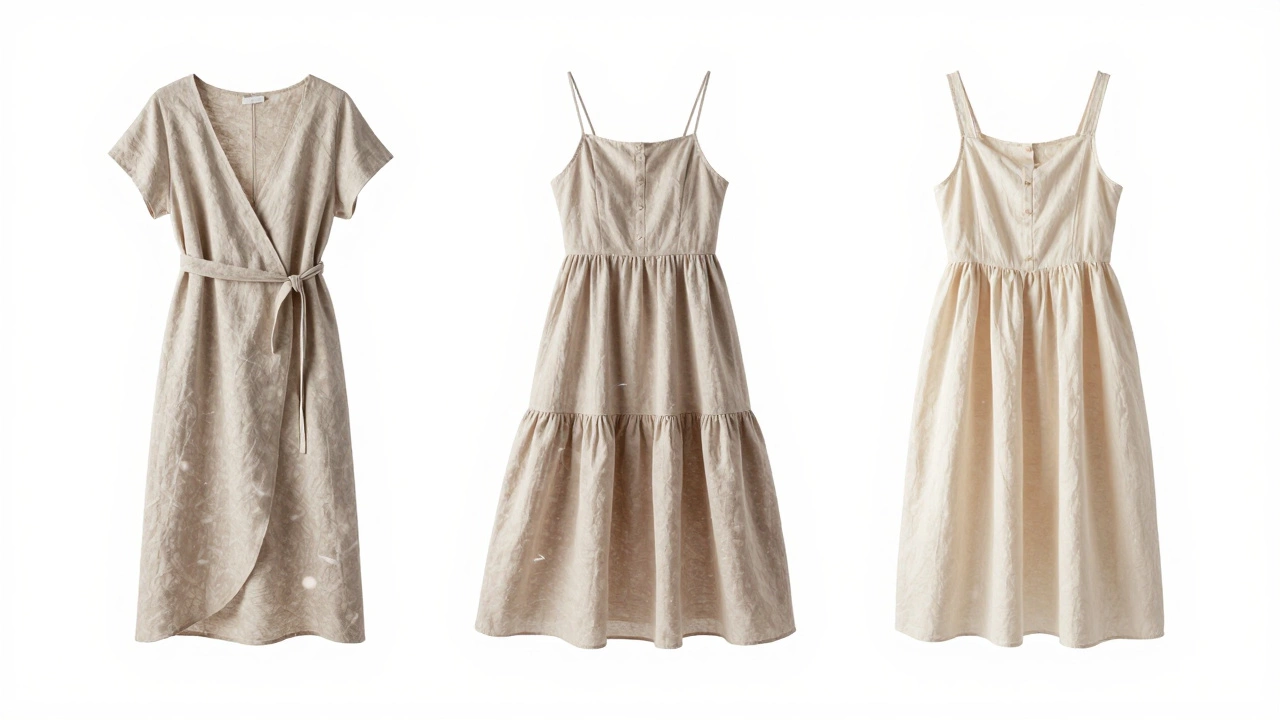
Here are three dress types that consistently perform in summer heat:
- The Linen Wrap Dress-fits most body types, easy to throw on, and looks polished enough for dinner out. Brands like Cuyana and Eileen Fisher make durable versions that last years.
- The Cotton Shift Dress-simple, no-fuss, and perfect for running errands. Look for one with a slightly flared hem to catch air.
- The Tiered Midi Dress-light layers create airflow, and the length keeps you covered without overheating. Great for beach days or outdoor weddings.
I’ve owned a linen wrap dress for four summers now. I’ve worn it on ferries, in crowded subway stations, and at backyard barbecues. It’s been washed 40+ times. It still looks good. That’s the test.
Accessories That Help, Not Hurt
A dress alone isn’t enough. Pair it with the right accessories:
- A wide-brimmed hat-blocks UV rays and keeps your head cool
- Minimalist sandals-strappy leather or cork soles breathe better than closed shoes
- A lightweight crossbody bag-no heavy tote dragging you down
- UV-blocking sunglasses-not just for style, but to reduce squinting and heat stress
Avoid bulky jewelry. Large metal pieces can get hot in the sun. Stick to small hoops or wooden beads.
Final Tip: Dress for Your Life, Not Just the Weather
It’s not just about temperature. It’s about what you do all day. If you’re walking around a city, you need something you can move in. If you’re sitting at a café, you might want something you can sit in without riding up. If you’re traveling, you need something that doesn’t wrinkle in your suitcase.
The coolest summer clothes are the ones you forget you’re wearing. They don’t itch. They don’t stick. They don’t make you feel like you need a shower after 20 minutes. That’s the real goal.
What’s the best fabric for summer dresses?
Linen, cotton voile, and TENCEL™ rayon are the top choices. They’re breathable, lightweight, and absorb moisture without clinging. Avoid polyester and nylon blends-they trap heat and sweat.
Are sleeveless dresses better for summer?
Not necessarily. Sleeveless dresses expose your shoulders to sunburn. Cap sleeves or short sleeves made from the same breathable fabric offer sun protection without adding heat. A dress with sleeves can actually be cooler than a sleeveless one if it’s made of the right material.
Can I wear a maxi dress in summer?
Yes, if it’s made of lightweight fabric like linen or cotton. Heavy maxi dresses with thick linings or synthetic blends will make you overheat. Look for loose, flowy silhouettes with slits or open backs to let air move through.
Should I avoid dark colors in summer?
Yes, if you want to stay cool. Dark colors absorb sunlight and increase body temperature. Stick to white, cream, pastels, or light blues. Even bright colors like coral or mint work if they’re in breathable fabric.
How many summer dresses should I own?
Three to five is enough. Choose one for casual days, one for work or errands, one for evenings out, and maybe a special one for events. Rotate them so each gets time to air out between wears. Quality matters more than quantity.
Summer isn’t about wearing less. It’s about wearing smarter. The right dress doesn’t just look good-it helps you live better in the heat. Focus on fabric, fit, and function. The rest will follow.