Top 3 Women's Boot Brands: A Practical Guide for 2026
Women's Boot Finder
Not sure which top-tier brand fits your life? Answer three quick questions to get a personalized recommendation.
You’re standing in the aisle, staring at a wall of leather and synthetic materials. The price tags range from $40 to $400. Which one actually lasts? Which one won’t make your feet scream after two hours on Vancouver’s wet pavement? You don’t need a marketing degree to figure this out. You just need to know who actually makes good boots.
Here is the hard truth: there is no single "best" brand for everyone. It depends on whether you prioritize style, weather resistance, or all-day comfort. But if we strip away the hype and look at construction quality, material sourcing, and real-world durability, three names consistently rise to the top for women’s boots in 2026. We are talking about Dr. Martens, a British footwear brand known for its air-cushioned sole and yellow stitching, Sorel, a Canadian brand specializing in winter and cold-weather footwear, and Blundstone, an Australian company famous for slip-on Chelsea boots with exceptional durability.
Why Brand Choice Actually Matters for Boots
Shoes aren’t like t-shirts. You can replace a bad shirt easily. A bad pair of boots ruins your day, your posture, and often your wallet twice over because they wear out fast. When we talk about "top brands," we aren’t just looking at logos. We are looking at specific engineering choices that affect how long the shoe survives rain, salt, and daily walking.
Most cheap boots use glued soles that peel off when exposed to moisture repeatedly. Top-tier brands use techniques like Goodyear welting or direct injection molding that bond the sole to the upper more securely. They also use full-grain leather instead of bonded leather (which is basically leather dust glued together). If you buy a pair of boots that costs $50 but falls apart in six months, you’ve spent more per year than someone who bought a $150 pair that lasted five years.
Let’s break down why these three specific brands made the cut, based on different needs.
Dr. Martens: The Style Icon That Actually Lasts
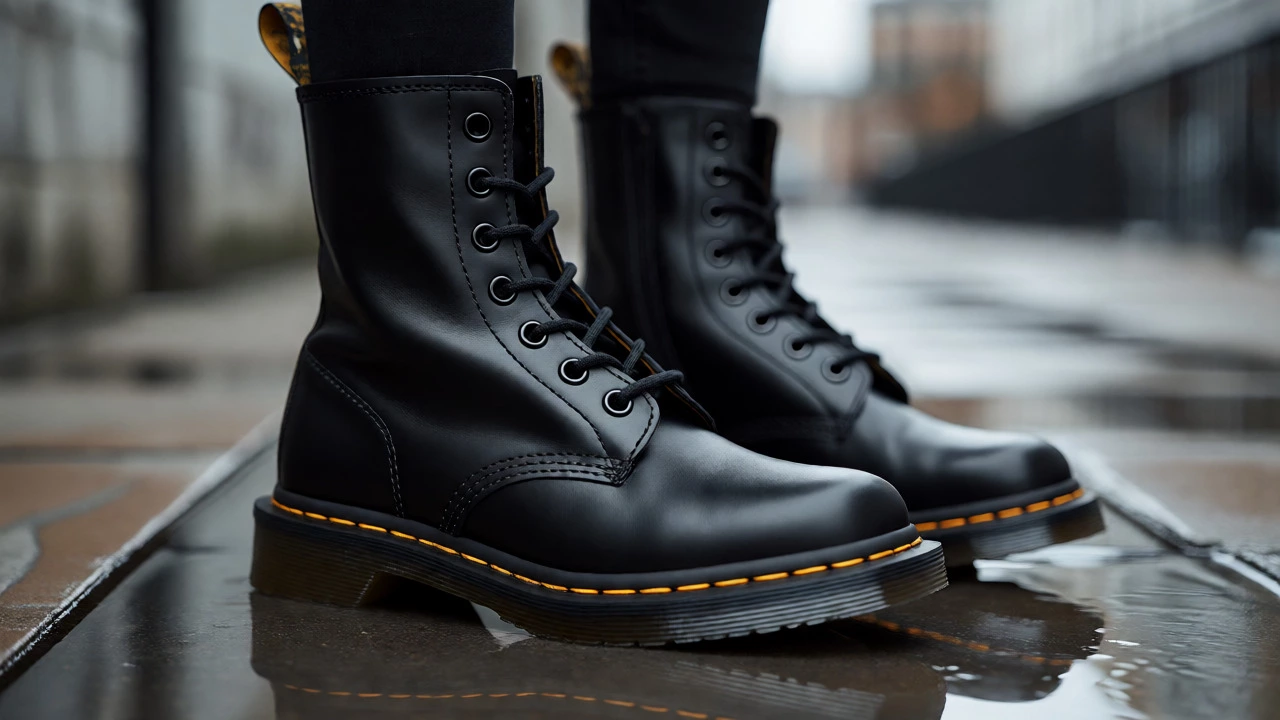
If you care about aesthetics as much as function, Dr. Martens is usually the first name people mention. Founded in Germany in 1947 and later manufactured in England, this brand defined punk rock fashion and has stuck around because the construction holds up. The classic 1460 boot is iconic for a reason.
The secret sauce here is the AirWair sole. This is a polyurethane sole with an air cushioning system that absorbs shock better than standard rubber. For city dwellers walking on concrete, this reduces knee strain significantly. However, there is a catch: the break-in period. New pairs of Dr. Martens can feel stiff and painful for the first two weeks. Many people quit too early. Push through it, and the leather molds to your foot shape.
In 2026, Dr. Martens has expanded beyond the classic black leather. They now offer vegan options and softer leathers like Nappa, which reduce the break-in pain. But be warned: the classic smooth leather version is prone to scuffing. If you hate visible wear marks, look for their "Patent" or textured finishes.
Sorel: Built for Wet and Cold Reality
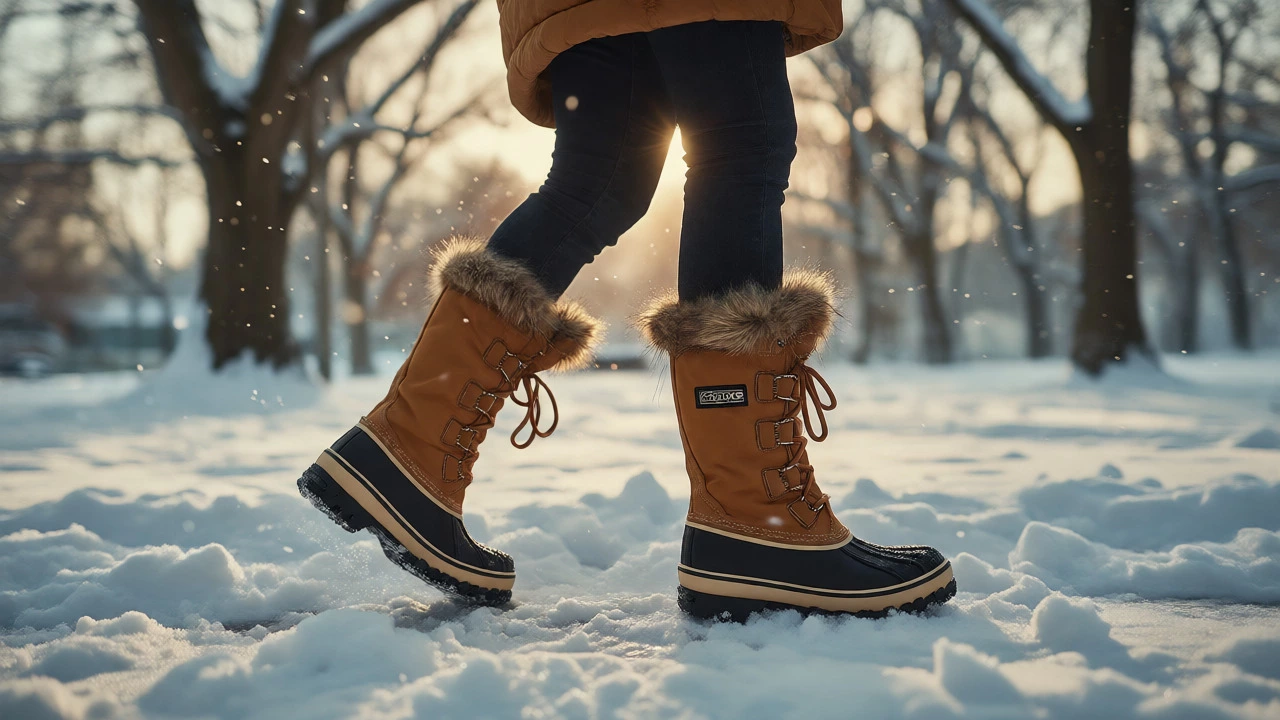
Living in places like Vancouver, Seattle, or Toronto means dealing with slush, rain, and damp cold. Standard fashion boots fail here. Water seeps in through seams, and thin soles transmit cold directly to your toes. This is where Sorel shines. Originally founded in Montreal in 1908, Sorel specializes in waterproofing and insulation.
Sorel boots typically feature vulcanized rubber shells combined with waterproof nylon or leather uppers. The key technology to look for is their proprietary waterproof seam sealing. Unlike generic "water-resistant" claims, Sorel tests their boots in sub-zero temperatures. Their popular models, like the Joan of Arctic, include felt liners that retain heat even when wet.
Are they stylish? Historically, no. They looked like utility gear. But in recent years, Sorel has collaborated with fashion designers to create sleeker silhouettes that work with jeans and dresses. If you live in a climate where snow is common, or if you simply refuse to have cold, wet feet, Sorel offers the best protection-to-price ratio among premium brands.
Blundstone: The Comfort King for Daily Wear
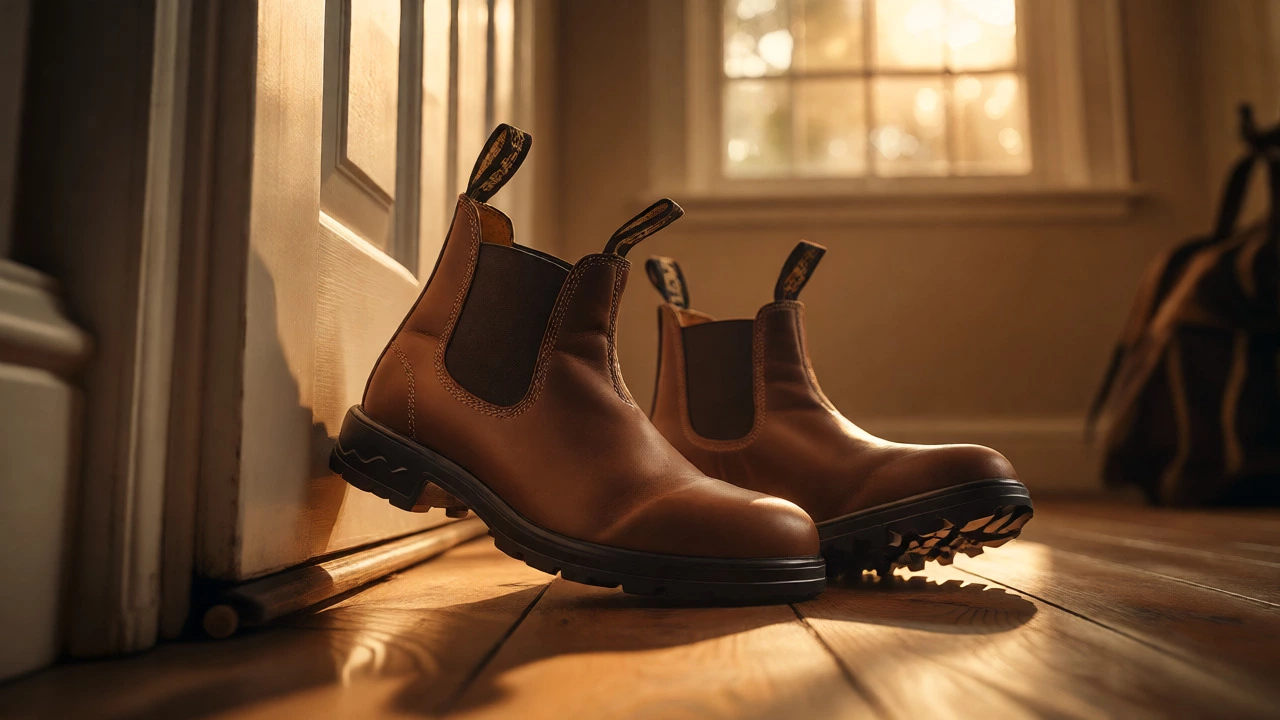
Not everyone wants laces. Not everyone wants heavy winter gear. Sometimes you just want a boot you can slip on in ten seconds, walk 10,000 steps in, and forget you’re wearing them. Enter Blundstone. This Australian brand has dominated the casual boot market by perfecting the Chelsea boot design.
Blundstones use a unique sole construction called the Thump-Proof™ toe cap and a dual-density midsole. This isn’t just marketing fluff; it provides genuine arch support and shock absorption without adding bulk. The leather used is oil-tanned, which makes it naturally water-repellent and incredibly soft right out of the box. There is almost zero break-in time.
One major advantage of Blundstone is repairability. Because they use a stitched-and-glued construction method, cobblers can easily resole them. A well-maintained pair can last a decade. While they aren’t fully waterproof unless you choose the specific "Stormboot" line, the standard 500 series handles light rain well enough for urban environments. If you value convenience and all-day comfort above extreme weather protection, this is your winner.
Comparison: Which Brand Fits Your Life?
Choosing between these three isn’t about which is "better" globally. It’s about matching the tool to the job. Here is a quick breakdown of how they stack up against each other on key metrics.
| Feature | Dr. Martens | Sorel | Blundstone |
|---|---|---|---|
| Primary Strength | Style & Durability | Weather Protection | Comfort & Convenience |
| Best For | Fashion-conscious users, mild climates | Cold/wet climates, outdoor activities | Daily commuters, travel, office wear |
| Break-in Period | High (2-4 weeks) | Low (Minimal) | None (Instant comfort) |
| Water Resistance | Moderate (Requires waxing) | High (Fully sealed) | Low-Moderate (Oil-tanned leather) |
| Average Price (USD) | $140 - $180 | $130 - $200 | $180 - $230 |
| Lifespan | 5+ Years (Resoleable) | 3-5 Years (Sole wear varies) | 5-10 Years (Highly durable) |
How to Spot Quality Before You Buy
Even within these top brands, quality can vary by model. Don’t just buy the logo. Check these three things before handing over your credit card.
- Check the Sole Attachment: Look at the bottom edge of the boot. Can you see a stitch running along the perimeter? If yes, that’s a welted construction, which is stronger. If it’s just glue, expect shorter life. Dr. Martens and Blundstones both show stitching; some cheaper Sorel lines rely more on bonding.
- Smell the Leather: Real leather smells earthy and rich. Bonded leather or vinyl smells like plastic or chemicals. Press your thumb into the upper. Does it wrinkle naturally? That’s a good sign of genuine grain leather.
- Inspect the Lining: Pull back the tongue. Is the lining fabric thick and breathable (like cotton or wool blends)? Thin polyester linings trap sweat and cause blisters. Sorel often uses fleece or felt for warmth, while Blundstone uses breathable textile or leather linings depending on the model.
Care Tips to Make Them Last Longer
Buying a top-brand boot doesn’t mean you can ignore maintenance. In fact, neglect kills expensive boots faster than cheap ones. Here is what you need to do.
For Dr. Martens, buy a tin of neutral polish. Apply it every month to keep the leather supple and prevent cracking. Use a waterproofing spray specifically designed for smooth leather if you plan to wear them in rain.
For Sorel, clean the rubber shells with mild soap and water after exposure to road salt. Salt corrodes rubber and dries out leather accents. Let them air dry away from direct heat sources like radiators, which can warp the shape.
For Blundstone, condition the leather twice a year with a lanolin-based cream. This keeps the oil-tanned leather from drying out. Since they are slip-ons, rotate them with another pair if possible to let the inner foam compress recover overnight.
Frequently Asked Questions
Are Dr. Martens boots worth the break-in pain?
Yes, if you stick with them. The initial stiffness ensures the boot retains its shape over years of use. Once broken in, they become uniquely molded to your foot. Skipping the break-in often leads to giving up on a pair that would have lasted a decade.
Can I wear Blundstones in heavy snow?
Standard Blundstones are not recommended for deep snow or slush because they are not fully waterproof. Water can seep through the elastic side panels. If you need a Blundstone for winter, choose the "Stormboot" line, which adds a waterproof membrane and higher shaft.
Which brand is most sustainable?
All three have made efforts, but Dr. Martens currently leads in transparency regarding vegan options and recycling programs. Blundstone uses ethically sourced leather and focuses on longevity, which is inherently sustainable. Sorel has introduced recycled materials in newer lines. Longevity is the biggest factor in sustainability-buying less often is better than buying "green" shoes that fall apart.
Do these brands run true to size?
No, not uniformly. Dr. Martens often runs large; many people size down by half a size. Blundstones tend to run wide and may require a thinner sock or insole for a snug fit. Sorel sizes vary by model, especially those with removable liners. Always check the specific model reviews before ordering online.
Is it better to buy boots online or in-store?
For Dr. Martens and Blundstone, try them in-store if possible due to sizing quirks. For Sorel, online is often fine since many models use adjustable lacing and liners that accommodate foot swelling. However, never skip the return policy check.