The Origin of the Word Sportswear: History and Meaning
Sportswear History & Definition Quiz
Ready to test your understanding of why we call our gym clothes "sportswear"? Answer 5 questions based on the article's insights.
Loading question...
Quiz Complete!
Great job learning about sportswear!
Ever wonder why we call our gym clothes sportswear? It’s a simple word, but its origin reveals a lot about how society views exercise. The term didn’t just pop up out of nowhere. It emerged from a specific shift in how people interacted with physical activity. Understanding this helps you appreciate the blend of function and style that defines modern apparel.
The Literal Roots of the Term
At its core, Sportswear is clothing designed for playing sports or engaging in physical exercise. The word is a compound of "sport" and "wear." This straightforward construction tells us exactly what it is: gear meant for movement. Unlike formal attire, which prioritizes appearance over mobility, sportswear prioritizes range of motion, breathability, and durability. The prefix "sport" anchors the category to physical activity, distinguishing it from everyday casual clothes like jeans or t-shirts that weren't originally engineered for performance.
From Gym Class to Everyday Life
The history of this label tracks the rise of organized athletics in the late 19th and early 20th centuries. Before standardized kits, athletes often wore whatever was comfortable or available. However, as schools and colleges began formalizing physical education programs in the United States and Europe, there was a need for specific uniforms. These early garments were practical but not always stylish. They were called "gym clothes" or "athletic wear." The term "sportswear" gained traction as these items moved beyond the field and into the broader cultural lexicon. It signaled that these clothes had a distinct identity separate from regular daily wear.
The Blurring Lines Between Function and Fashion
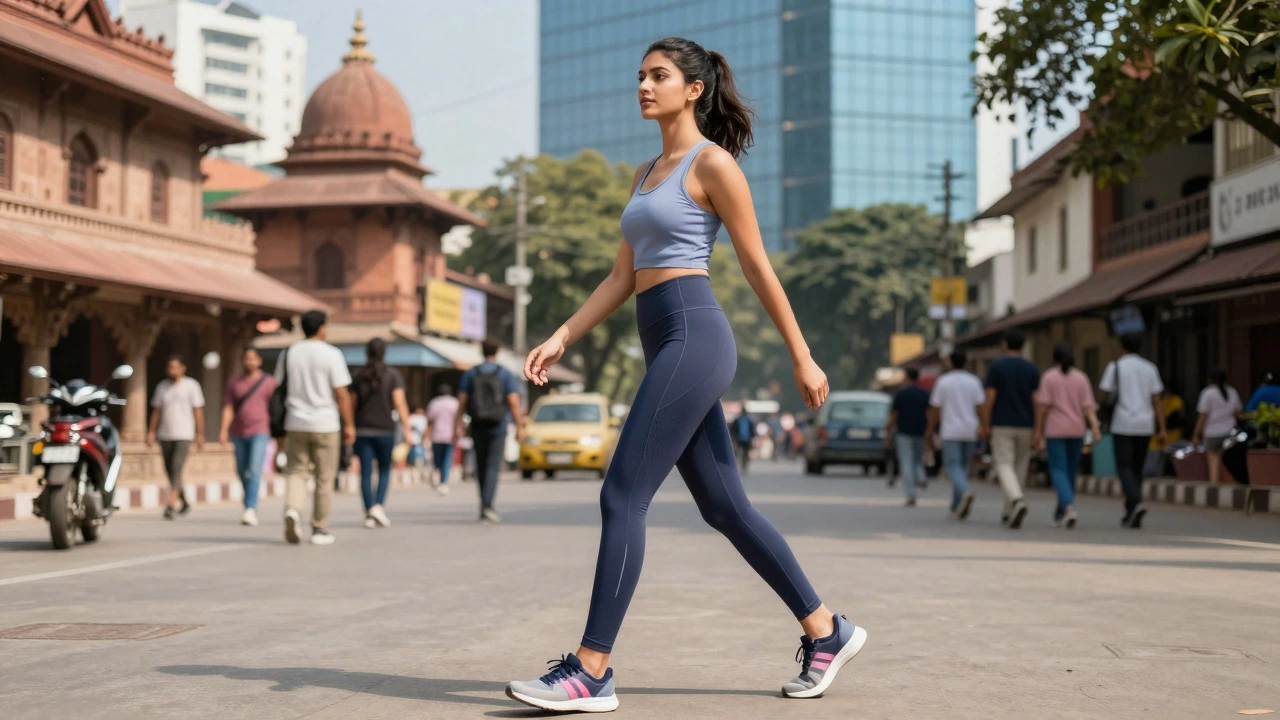
In recent decades, the definition has expanded significantly. Today, Athleisure is a style of casual clothing that is suitable both for athletic activities and for other occasions. This trend has made the question "why do they call it sportswear?" even more relevant. If you can wear leggings to a coffee shop or sneakers to a business-casual office, are they still sportswear? Technically, yes, because their primary design intent remains rooted in comfort and movement derived from athletic needs. But culturally, they have become fashion statements. The term now encompasses a wide range of products, from high-performance technical fabrics to soft cotton joggers designed purely for lounging.
Key Characteristics That Define the Category
Despite the stylistic shifts, certain attributes remain constant across all types of sportswear. These features distinguish them from other clothing categories:
- Flexibility: Fabrics usually include stretch components like spandex or elastane to allow free movement.
- Breathability: Materials are chosen to wick moisture away from the skin, keeping the wearer cool during exertion.
- Durability: Seams and materials must withstand repeated stretching and washing without losing shape.
- Ergonomics: Cuts are designed to accommodate dynamic poses, such as squatting, running, or lifting.
These functional traits explain why the name persists. Even when worn on a couch, the garment retains its structural DNA. It is built for action, even if the current context is rest.
Comparison: Sportswear vs. Casual Wear
To clarify the distinction, let's look at how sportswear compares to standard casual clothing. While the lines blur, the engineering differences are significant.
| Attribute | Sportswear | Casual Wear |
|---|---|---|
| Primary Purpose | Physical performance and comfort | Everyday social interaction |
| Fabric Technology | Moisture-wicking, stretch, quick-dry | Cotton, denim, wool (often non-stretch) |
| Fit Design | Anatomical, allows full range of motion | Relaxed or tailored for static posture |
| Typical Examples | Leggings, tank tops, running shoes | Jeans, button-down shirts, loafers |
Why the Name Still Matters
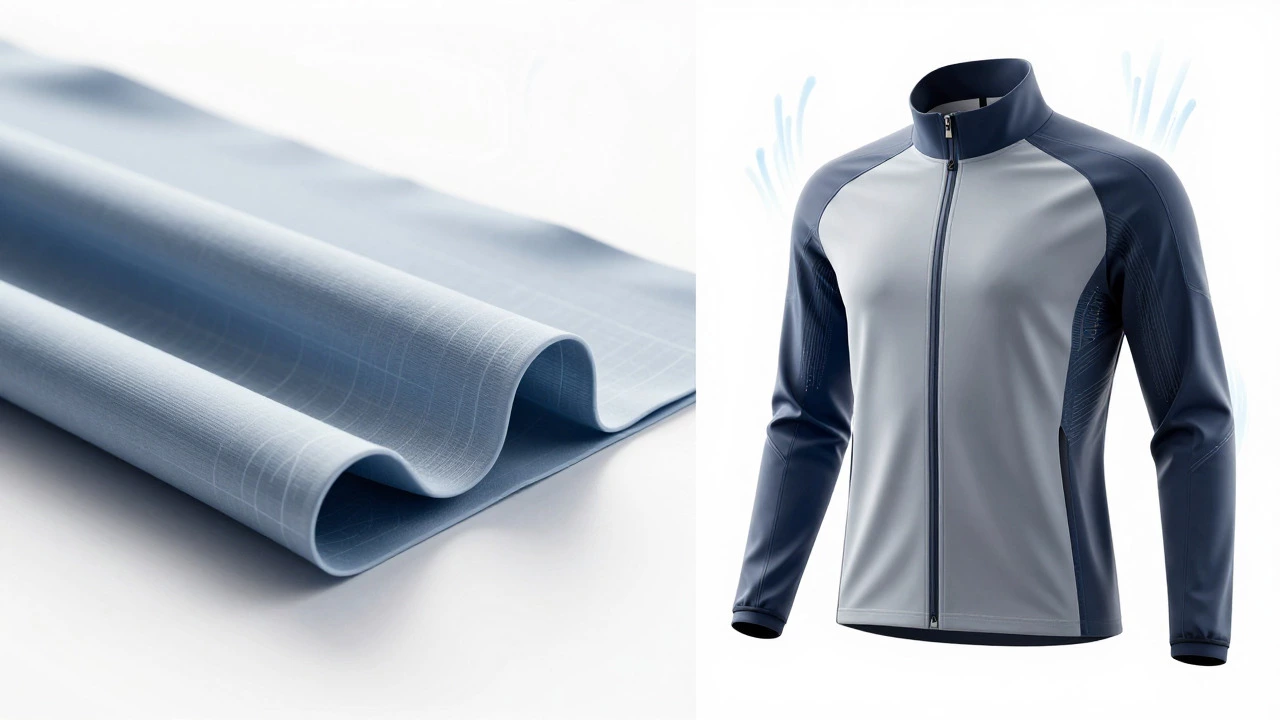
Calling it "sportswear" rather than just "comfortable clothes" preserves a link to its origins. It reminds us that these garments were invented to support human capability. Whether you are a marathon runner or someone who values flexibility while working from home, the term acknowledges the utility-first design philosophy. It also helps retailers and consumers categorize products effectively. Knowing something is sportswear sets expectations for fit, fabric, and care instructions. You don't expect a delicate silk blouse to handle a workout; similarly, you don't expect rigid denim to facilitate a yoga flow. The name serves as a functional cue.
Evolution of Terminology in Modern Fashion
Languages evolve, and so does fashion vocabulary. We now see terms like "activewear," "performance apparel," and "lifestyle fitness gear." Each carries slight nuances. "Activewear" emphasizes active use, while "lifestyle" hints at broader social acceptance. However, "sportswear" remains the most widely recognized umbrella term globally. It is the default classification in retail stores and manufacturing standards. Its simplicity ensures universal understanding across different cultures and markets. As technology advances, new fabrics and designs will emerge, but the core concept of clothing designed for physical ease will likely retain this foundational name.
Is athleisure considered sportswear?
Yes, athleisure is a subset of sportswear. It refers specifically to sportswear designed to be worn outside of athletic settings, blending functionality with fashion trends. The underlying construction remains focused on comfort and movement, which keeps it within the sportswear category.
What is the difference between sportswear and activewear?
The terms are often used interchangeably, but there is a subtle distinction. "Sportswear" is the broader historical term covering all clothing related to sports. "Activewear" is a more modern marketing term that often implies higher-performance capabilities or a specific focus on active lifestyles. In practice, most consumers treat them as the same thing.
When did the term sportswear start being used?
The term gained widespread usage in the mid-20th century as physical education became standardized in schools and commercial athletic brands began expanding. Before this, items were typically referred to by their specific use, such as "gym shorts" or "track jackets."
Can any clothing be classified as sportswear?
Not technically. To be true sportswear, the garment should be designed with features that aid physical movement, such as stretch fabrics or ergonomic cuts. A standard cotton t-shirt is versatile, but it is not engineered for performance in the way dedicated sportswear is. However, the line is increasingly blurred in contemporary fashion.
Why is sportswear important in fashion history?
Sportswear introduced the concept of function-driven design into mainstream fashion. It challenged traditional norms of modesty and rigidity, promoting freedom of movement and body positivity. This shift paved the way for modern casual dress codes and influenced how designers approach fabric innovation and silhouette creation.