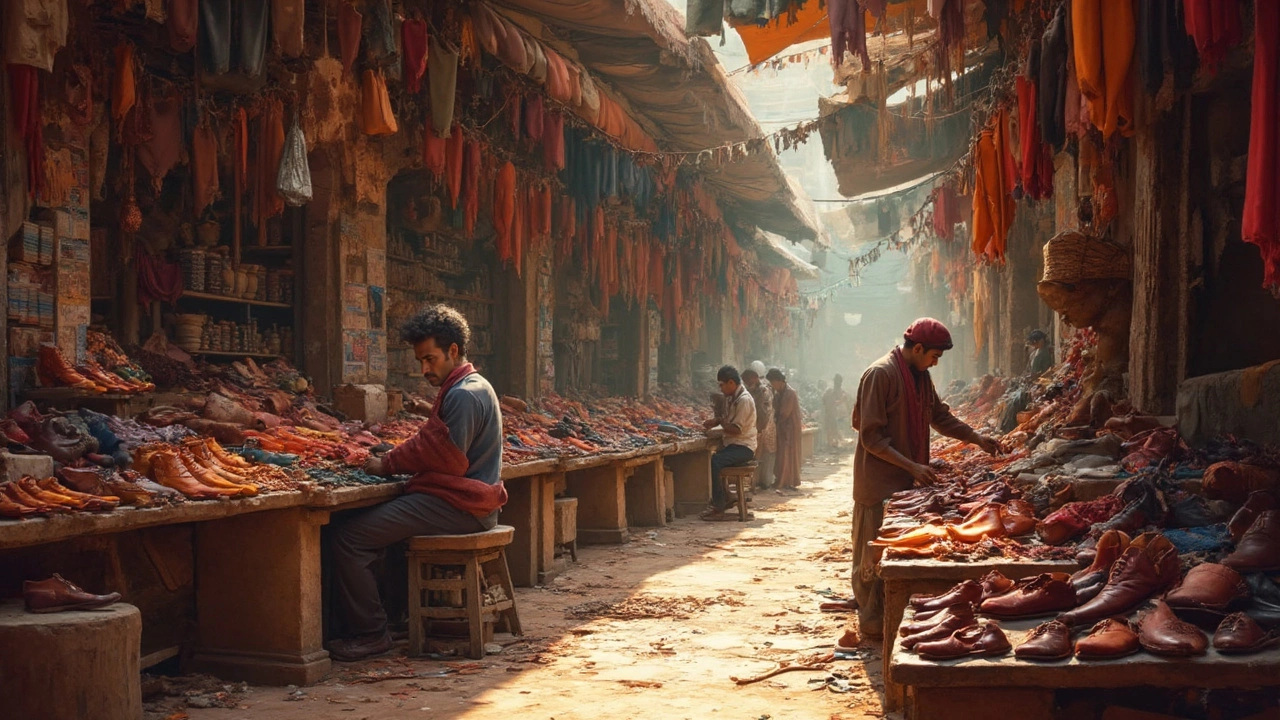
Types of Leather: Cow, Goat, Pig, Sheep & Exotic Options Explained
When you buy a pair of leather, a durable material made from animal hides treated to resist decay and wear. Also known as animal hide leather, it's one of the most trusted materials for shoes, jackets, and bags because it ages well and molds to your body over time. But not all leather is created equal. The animal it comes from changes everything—how it feels, how long it lasts, and even how much it costs.
Take cow leather, the most common type, known for its thickness, strength, and affordability. Also called full-grain or top-grain cowhide, it’s what you’ll find in most work boots and classic handbags. It’s tough, holds its shape, and gets better with age—but it’s also heavier and less flexible than other kinds. Then there’s goat leather, a lighter, softer option with a distinctive grain pattern. Also known as nubuck or pebbled goat skin, it’s popular in dress shoes and gloves because it’s breathable and surprisingly durable for its weight. It’s the sweet spot between comfort and resilience. If you’ve ever worn a wallet that felt almost silky, chances are it was made from pig leather, a material with a unique three-dot pore pattern. Also known as pigskin, it’s often used in lining and casual footwear because it’s stretchy, moisture-resistant, and budget-friendly. And then there’s sheep leather, the softest of the common types, often used in jackets and slippers. Also known as lambskin, it drapes beautifully but doesn’t hold up as well under heavy use.
Then come the exotics—ostrich, alligator, snake, and even kangaroo. These aren’t just for show. Ostrich leather, recognized by its signature quill bumps, is prized for its flexibility and natural texture. Alligator and crocodile leather are luxury staples, with scales that give them a bold, high-end look. And kangaroo leather? It’s lighter than cowhide but stronger, used in high-performance boots and soccer cleats because it doesn’t stretch out. These aren’t everyday materials, but they exist for a reason: performance, rarity, and style.
Choosing the right leather isn’t about what’s trendy—it’s about what fits your life. Need a shoe that lasts five years? Go for cow or kangaroo. Want something soft for daily wear? Try goat or sheep. Looking for something that turns heads? Exotics deliver. The posts below break down real-world examples, compare durability, explain how to spot fake leather, and show you exactly which type works best for different shoes, jackets, and accessories. No fluff. Just facts you can use.