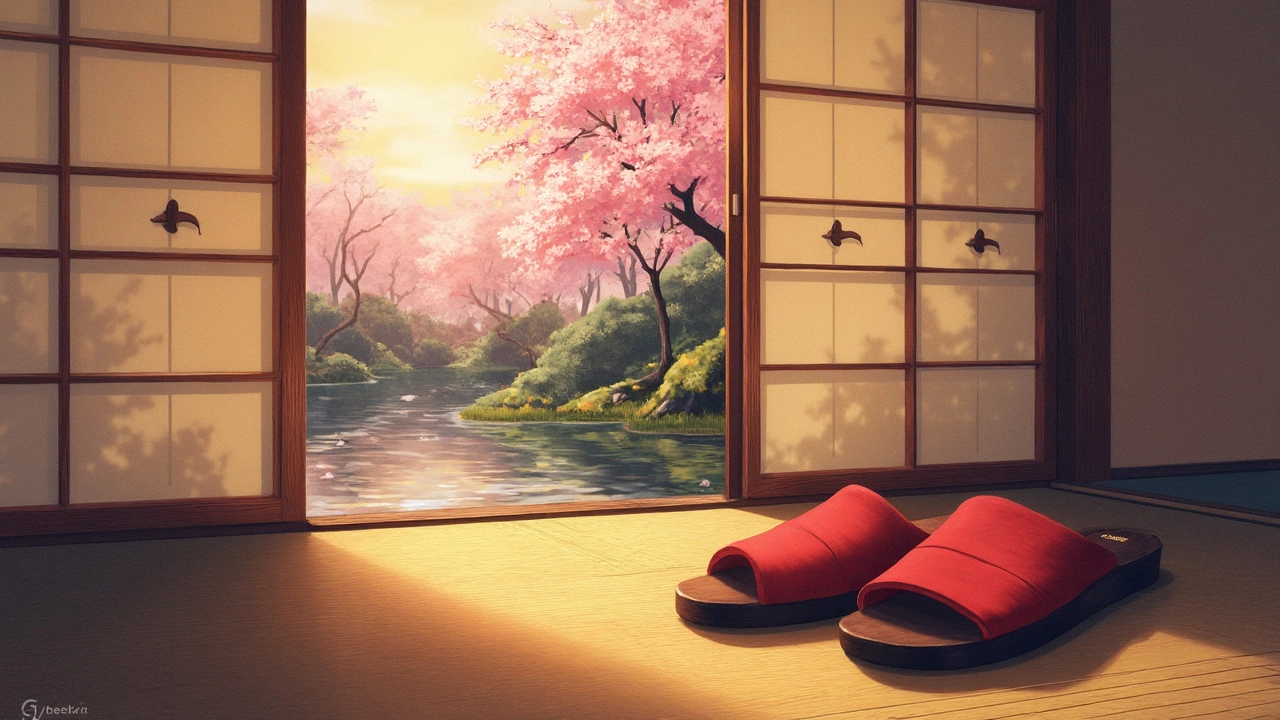
Traditional Footwear: Types, Styles, and Why They Still Matter
When we talk about traditional footwear, footwear rooted in cultural heritage, often handmade and designed for local climates and customs. Also known as ethnic shoes, it’s not just about looking different—it’s about feeling different. These shoes are built for walking on uneven ground, staying cool in heat, and honoring centuries-old craft. Unlike mass-produced sneakers or synthetic sandals, traditional footwear carries the weight of history in every stitch, dye, and shape.
Many of these shoes come from regions where making them is still a family trade. Think of juttis, hand-embroidered flat shoes from South Asia, often worn with sarees or kurta-pajamas, or mojris, ornate leather shoes from Rajasthan with curled toes and colorful threadwork. Then there’s paduka, wooden sandals used in temples across India, simple but deeply symbolic. These aren’t just accessories—they’re part of rituals, festivals, and daily life in villages and cities alike. Even today, people choose them not because they’re trendy, but because they fit better, breathe better, and feel right.
What makes these shoes stand out isn’t just their look—it’s how they’re made. No assembly lines. No glue that falls apart after a month. Most are stitched by hand, using natural materials like leather, jute, cotton, and wood. The soles are often layered and pounded to last. The uppers are dyed with plant-based colors that fade gently over time, adding character instead of wearing out. This kind of craftsmanship doesn’t just last longer—it connects you to the person who made it.
You’ll find these styles in our collection because they’re not relics. They’re practical. They’re comfortable. And in a world of tight, rigid shoes, they offer real relief. Whether you’re walking on hot pavement, standing all day, or just want something that feels like it was made for your feet—not for a runway—traditional footwear delivers. The posts below cover everything from how to care for your juttis to which styles suit different body types, why some designs are better for monsoons, and how to pair them with modern outfits without looking out of place. No fluff. Just real talk from people who wear them every day.