Shoemaking: How Shoes Are Made and What Makes Them Last
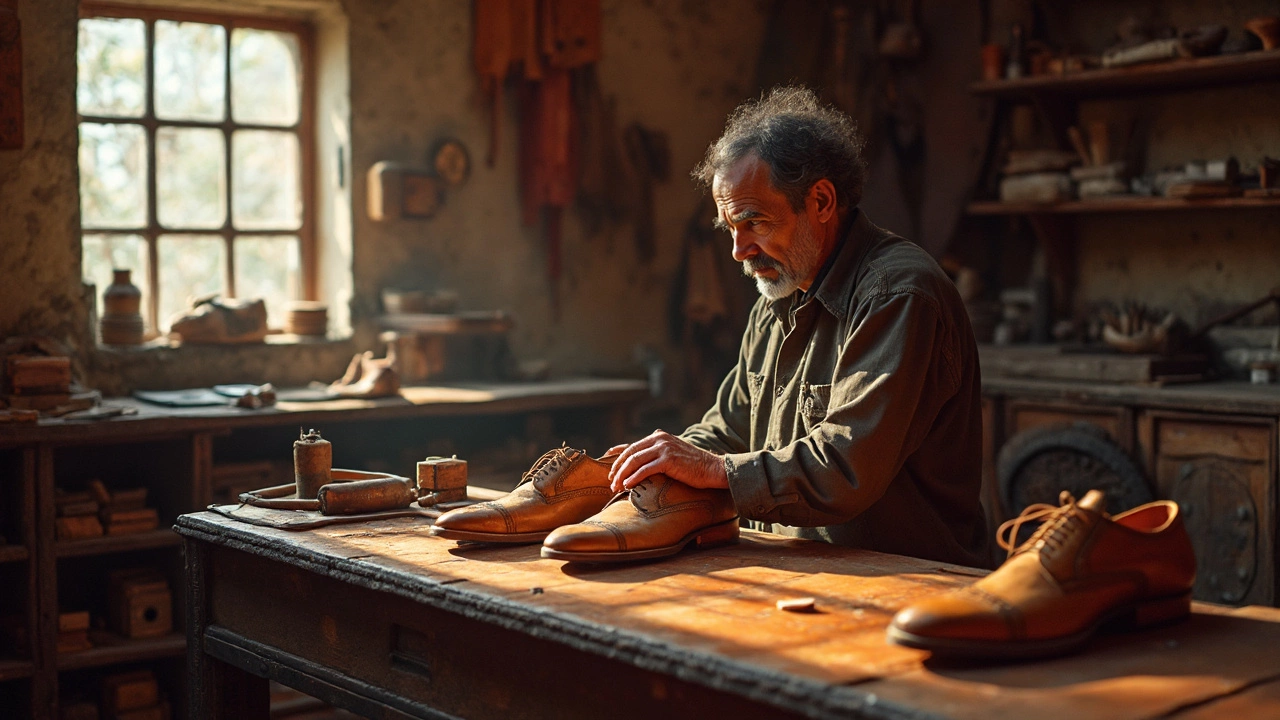
When you think of shoemaking, the craft of designing and assembling footwear from raw materials into wearable shoes. Also known as cobbler work, it’s not just about gluing soles—it’s a blend of tradition, precision, and material science that’s been refined for centuries. Most shoes you buy today are made in factories with machines that cut, stitch, and glue parts in seconds. But real shoemaking? It’s slower. It’s intentional. And it’s why some pairs still look good after ten years.
At its core, leather shoes, footwear made primarily from tanned animal hides, prized for durability and breathability are the gold standard. Cowhide gives structure, goat leather offers flexibility, and exotic options like alligator or ostrich add luxury. But material alone doesn’t make a shoe. The way it’s built does. A Goodyear welt? That’s a stitch running around the edge of the sole, letting the shoe be taken apart and resoled. A cemented sole? Glued. One lasts decades. The other might fall apart in a year.
footwear construction, the method used to assemble the upper, insole, and sole of a shoe is where the magic happens. Hand-stitched shoes, like those from heritage brands, use lasting boards and lasting pliers to stretch the upper tight over the last—the wooden foot mold. Machine-made shoes skip most of that. They’re faster, cheaper, and often less comfortable long-term. The difference shows in how the shoe bends, how it holds its shape, and how it feels after a long walk.
Then there’s shoe materials, the substances used in making shoes, from leather and rubber to synthetic fabrics and recycled plastics. You can’t judge a shoe by its brand. You judge it by what’s inside. Is the insole cushioned with cork or foam? Is the outsole made of natural rubber or cheap synthetic? Does the lining breathe or trap sweat? These aren’t marketing buzzwords—they’re the real reasons some shoes feel like they were made just for you.
And let’s not forget history. shoe history, the evolution of footwear design from ancient sandals to modern sneakers tells us something important: comfort and function have always mattered. Ancient Egyptians used woven reeds. Romans nailed leather soles. By the 1800s, shoemakers in Europe were crafting custom lasts for aristocrats. Today, we’re back to valuing craftsmanship again—not because it’s trendy, but because cheap shoes wear out too fast.
What you’ll find in these posts isn’t just how to pick a good pair. It’s how to understand what’s under the surface—the stitching, the leather grade, the sole type, the history behind the name. You’ll learn why a 100% cotton hoodie feels different from a synthetic one, how long boots became a trend, and why some shoes are called trainers even though you don’t train in them. These aren’t random fashion tips. They’re pieces of the same puzzle: how footwear is made, why it lasts, and how to tell the difference between something built to last and something built to sell.