Shoe History: From Ancient Sandals to Modern Sneakers
When you slip on a pair of shoes, you’re wearing centuries of innovation. The shoe history, the evolution of footwear from functional protection to cultural expression. Also known as footwear evolution, it traces back to when humans first wrapped their feet in animal hides to survive cold ground and sharp rocks. Long before brands, labels, or laces, early civilizations crafted shoes for survival—not style. Archaeologists found 5,500-year-old leather sandals in Armenia, stitched with plant fibers and designed to protect feet on rocky terrain. These weren’t fashion statements; they were necessities.
Across ancient Egypt, Mesopotamia, and China, shoes told stories. Nobles wore ornate sandals with elevated soles to stay clean and look powerful. Soldiers in Rome wore sturdy caligae with thick soles for long marches. In Japan, geta sandals lifted feet above muddy streets, while in Scandinavia, rawhide boots kept out the snow. Each culture shaped footwear based on climate, terrain, and social rank. The shoe materials, the substances used to make footwear, from leather and wood to synthetic fabrics changed slowly—leather, linen, and woven grasses dominated for millennia. Even in the Middle Ages, most people went barefoot unless they could afford protection.
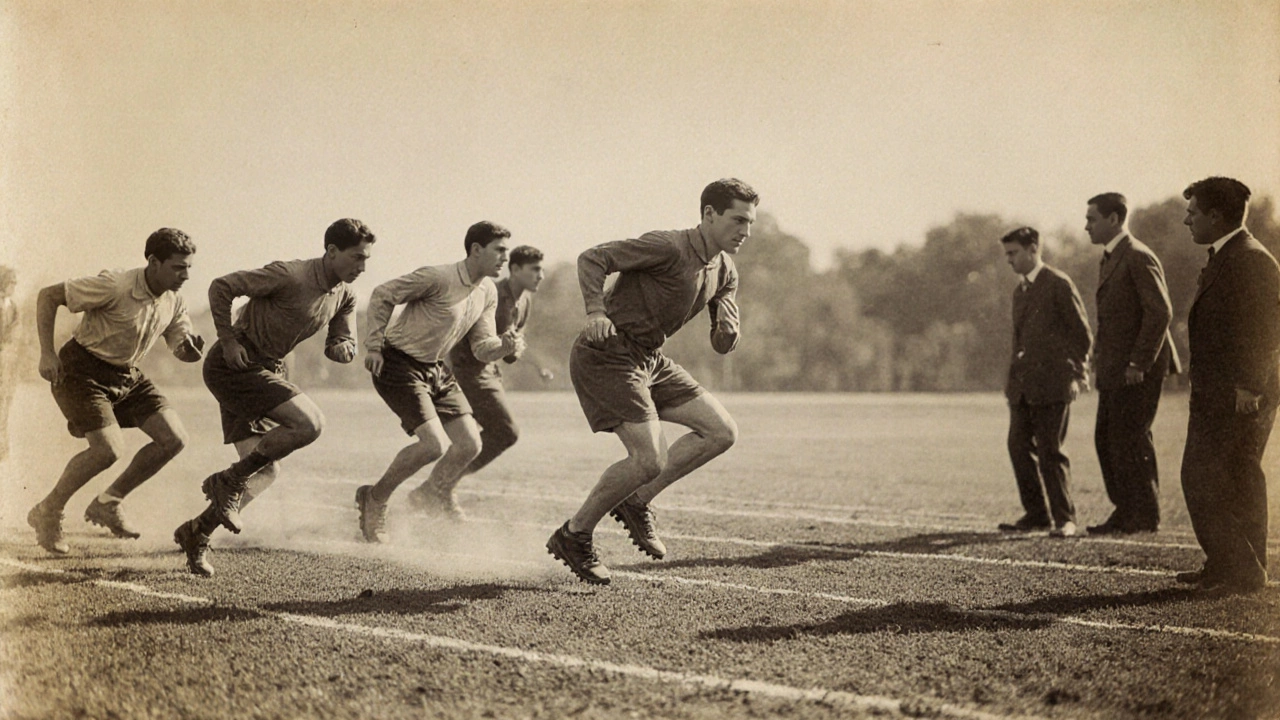
The real shift came with industrialization. In the 1800s, machines started stitching soles and cutting uppers. Suddenly, shoes weren’t custom-made by hand—they were mass-produced. The sneaker origins, the birth of rubber-soled, canvas-top shoes designed for sports and casual wear began in the late 1800s. Converse started making them for basketball players. By the 1970s, Nike and Adidas turned sneakers into status symbols. Suddenly, your shoes didn’t just protect your feet—they said who you were. Today’s athletic shoes use foam, carbon fiber, and motion sensors. But they still follow the same basic idea: protect, support, move.
Shoe history isn’t just about materials or makers. It’s about how people lived. Women’s heels rose and fell with societal power shifts. Men’s dress shoes became simpler as work changed. Even today, the rise of barefoot running and minimalist shoes shows we’re circling back to older ideas—less structure, more natural movement. The shoes you wear now carry echoes of Roman sandals, Native American moccasins, and Victorian lace-ups. They’re not just fashion. They’re history on your feet.
Below, you’ll find detailed guides on how different shoes evolved, what made certain styles stick, and why today’s trends are just the latest chapter in a long story. Whether you’re curious about the first rubber sole or why Crocs became a thing, the answers are here.