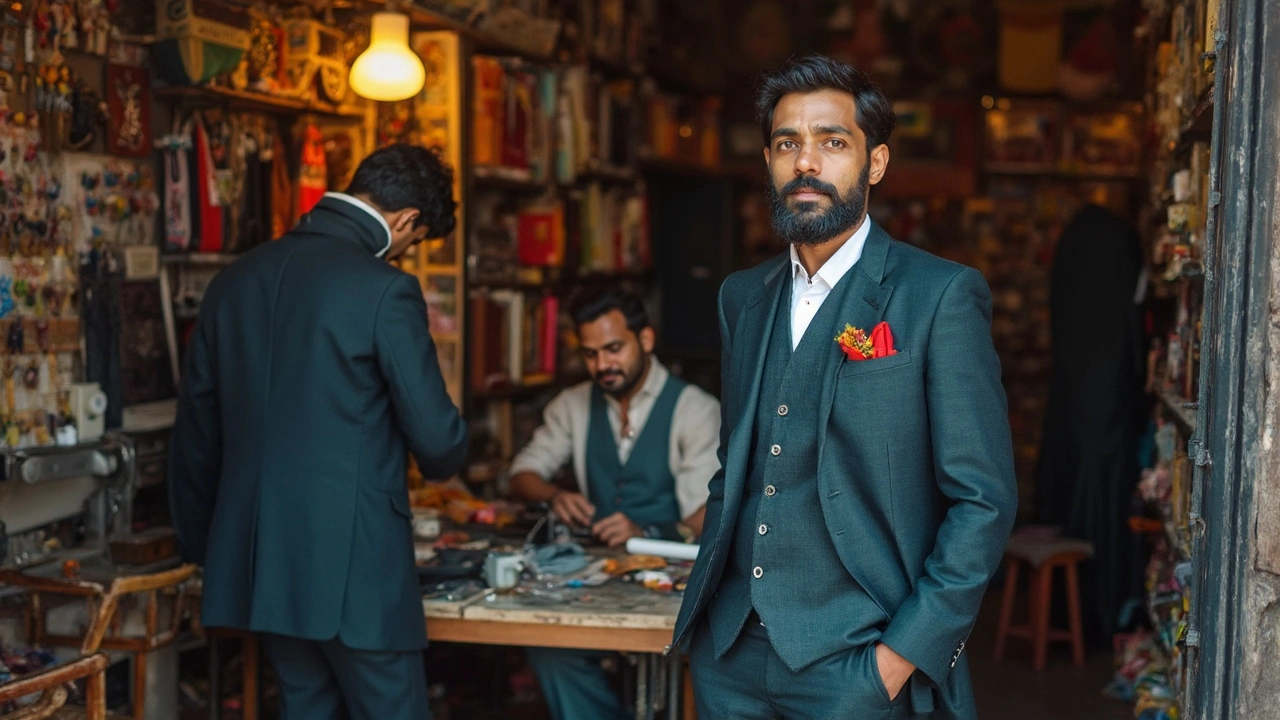
Hand Sewn vs Machine Sewn Suits: Which Makes the Best Suit?
Dive into a lively, detailed comparison of hand sewn and machine sewn suits. Get practical tips on what truly separates the best suits, plus surprising facts tailored for everyday readers.
When you buy a machine sewn suit, a suit assembled primarily using industrial sewing machines rather than hand stitching. Also known as ready-to-wear suit, it’s the standard for most men and women who want sharp style without the custom price tag. Unlike bespoke suits stitched by hand over dozens of hours, a machine sewn suit is made in bulk—each piece cut, aligned, and sewn by high-speed machines in a factory. That doesn’t mean it’s cheaply made. Many top brands use precision-engineered machines to deliver consistent seams, clean linings, and durable finishes that last for years.
The real difference between a machine sewn suit and a hand-sewn one comes down to structure and flexibility. Hand-sewn suits often have floating canvases, hand-stitched lapels, and movable buttonholes that adapt to your body as you move. A machine sewn suit usually has a fused or half-canvased interior, which gives it a crisp shape right off the rack. It’s less forgiving if you gain or lose weight, but it’s also more affordable, easier to care for, and still looks sharp in meetings, weddings, or job interviews. What matters most isn’t how it’s made—but how well it fits. Look for suits with real buttonholes (not printed ones), natural shoulder lines, and seams that lie flat without puckering. Check the lining: if it’s silk or Bemberg, you’re getting better quality. If the buttons are real shell or horn instead of plastic, that’s a good sign too.
Many of the suits you see in stores today—from high street brands to premium labels—are machine sewn. They’re designed for people who want style without the wait or the markup. You don’t need a tailor to alter every seam. You just need to know what to look for. That’s why our collection includes guides on suit colors, fit, fabric choices, and how to tell if a suit is built to last. You’ll find posts on what makes a suit look expensive without being custom, how to spot poor construction, and why some suits wrinkle faster than others. Whether you’re buying your first suit or upgrading your wardrobe, understanding machine sewn construction helps you make smarter choices. Below, you’ll find real advice from people who’ve worn these suits through job interviews, weddings, and long workdays—and learned what actually works.
Dive into a lively, detailed comparison of hand sewn and machine sewn suits. Get practical tips on what truly separates the best suits, plus surprising facts tailored for everyday readers.