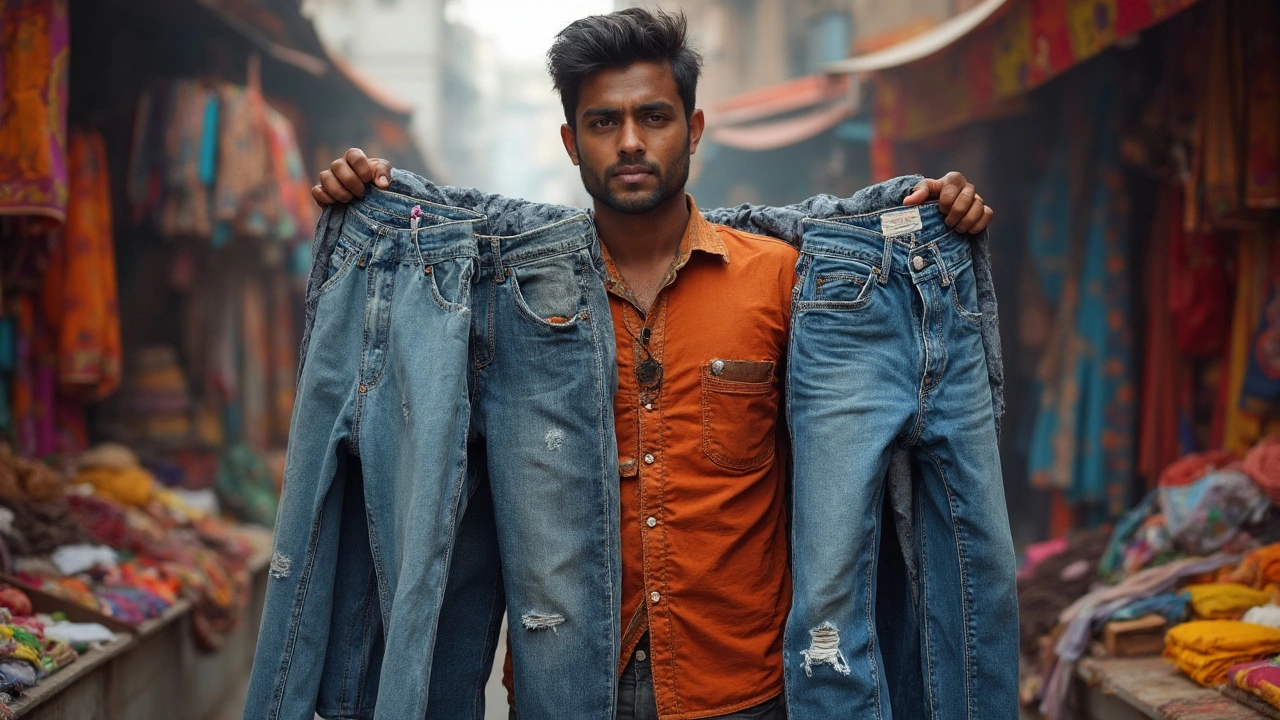
Jeans Durability: What Makes Denim Last and How to Choose Stronger Pairs
When you buy a pair of jeans, a staple garment made from denim fabric, typically worn for casual or work use. Also known as denim pants, they’re meant to handle daily wear, but not all jeans are built to last. The difference between jeans that survive five years and those that fray after six months comes down to three things: fabric weight, stitching, and how they’re finished. You don’t need to pay top dollar—you just need to know what to look for.
Denim fabric, a sturdy cotton twill textile with a diagonal ribbing pattern, commonly used in jeans and workwear. The heavier the denim—measured in ounces per square yard—the tougher it is. Anything under 10 oz is light and soft, great for summer but won’t hold up to rough use. Mid-weight denim, between 12 and 14 oz, is the sweet spot for everyday wear. If you’re doing manual work, hiking, or just want jeans that won’t thin out after a year, go for 15 oz or higher. Look for 100% cotton denim. Blends with polyester or spandex might feel stretchier at first, but they break down faster and lose shape over time.
Stitching, the seams and thread used to hold denim panels together, directly affects how long jeans survive stress points like pockets and crotch. Double-stitching, especially with thick thread like 100% polyester or cotton-wrapped polyester, is a clear sign of quality. Check the seams—do they look even and tight? Are there extra stitches at the pocket corners? Those are details brands skip on cheap jeans. Also, look for bar tacks—the small diamond-shaped stitches at stress points. If they’re missing or look thin, the jeans won’t last through heavy use.
Finish matters too. Raw denim doesn’t get washed after dyeing, so it’s stiffer but holds color and structure longer. Pre-washed or distressed jeans might feel softer right away, but the washing process weakens fibers and fades color unevenly. If you want durability, avoid excessive fading, sanding, or laser treatments—they’re just surface tricks that hurt the fabric’s life.
And don’t forget jeans care, the practices that extend the lifespan of denim through washing, drying, and storage. Wash them inside out, in cold water, and only when they really need it. Air dry instead of tossing them in the dryer. Heat shrinks fibers and breaks down dye. One pair of well-cared-for jeans can outlast five cheap ones.
What you’ll find below isn’t a list of top brands or where to buy. It’s a collection of real, practical insights—what makes denim truly strong, how to spot quality when you’re shopping, and why some jeans fall apart while others get better with age. Whether you’re looking for workwear that won’t tear, weekend jeans that survive years of wear, or just want to stop replacing them every season, these posts give you the facts—not the fluff.