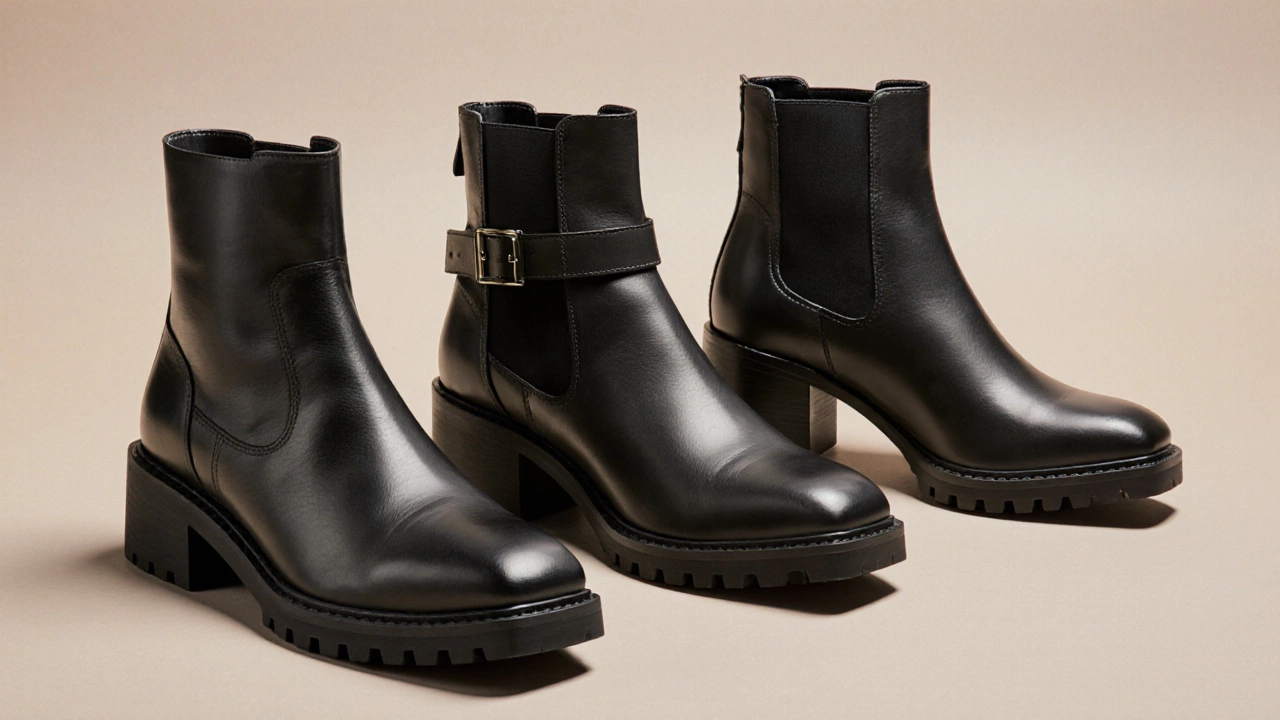
Square Toe Boots: Who Should Wear Them?
Discover who benefits most from square toe boots, including foot shape, outfit pairing, seasonal tips, and a buying checklist to find the perfect pair.
When you buy shoes, you’re not just picking a style—you’re choosing something that has to work with your foot shape, the unique structure of your foot including arch height, width, and toe alignment. Also known as foot type, it’s the hidden factor that decides whether a shoe feels like a second skin or a daily punishment. Most people think all feet are basically the same, but that’s not true. Your foot shape affects everything: how your weight distributes, where pressure builds, and which shoes will last—or fall apart—after a few weeks.
There are three main arch types, the curve along the inside of your foot that supports your body. Also called foot arches, they’re either low (flat), medium (normal), or high. If you have low arches, your foot rolls inward too much, which means you need stability shoes with firm midsoles. High arches? You need cushioning because your foot doesn’t absorb shock well. And if your foot is wide, no amount of stretching will make a narrow shoe comfortable—it’ll just bruise your toes. These aren’t guesses. They’re facts backed by podiatrists and decades of shoe design. You can’t fix your foot shape, but you can pick shoes that match it.
And it’s not just the arch. Your toe box, the front part of the shoe that houses your toes. Also known as toe space, it needs room to breathe. If your second toe is longer than your big toe, a pointy toe box will squish it. If your foot is naturally broad, a slim sneaker will pinch your metatarsals. That’s why some people swear by certain brands—because those brands design for specific foot shapes. It’s not luck. It’s engineering.
You don’t need a fancy scan to know your foot shape. Look at your old shoes. Are they worn down on the inside edge? That’s a sign of low arches. Are they worn mostly on the ball and heel, with little wear in the middle? That’s high arches. Do your toes always feel cramped? Your shoe’s toe box is too narrow. These are clues. And once you start paying attention, you’ll notice how many shoes you’ve bought—and returned—because they didn’t match your foot.
This collection of articles dives into how footwear is designed around real human feet. You’ll find guides on what makes a shoe actually fit, why some materials work better for wide feet, how to tell if your trainers are built for your arch type, and why leather behaves differently than synthetic fabric over time. You’ll learn what makes a shoe comfortable for walking all day, not just standing in a store. These aren’t fashion tips. These are foot science tips—and they’ll save you from blisters, bunions, and the frustration of buying shoes that never feel right.
Discover who benefits most from square toe boots, including foot shape, outfit pairing, seasonal tips, and a buying checklist to find the perfect pair.