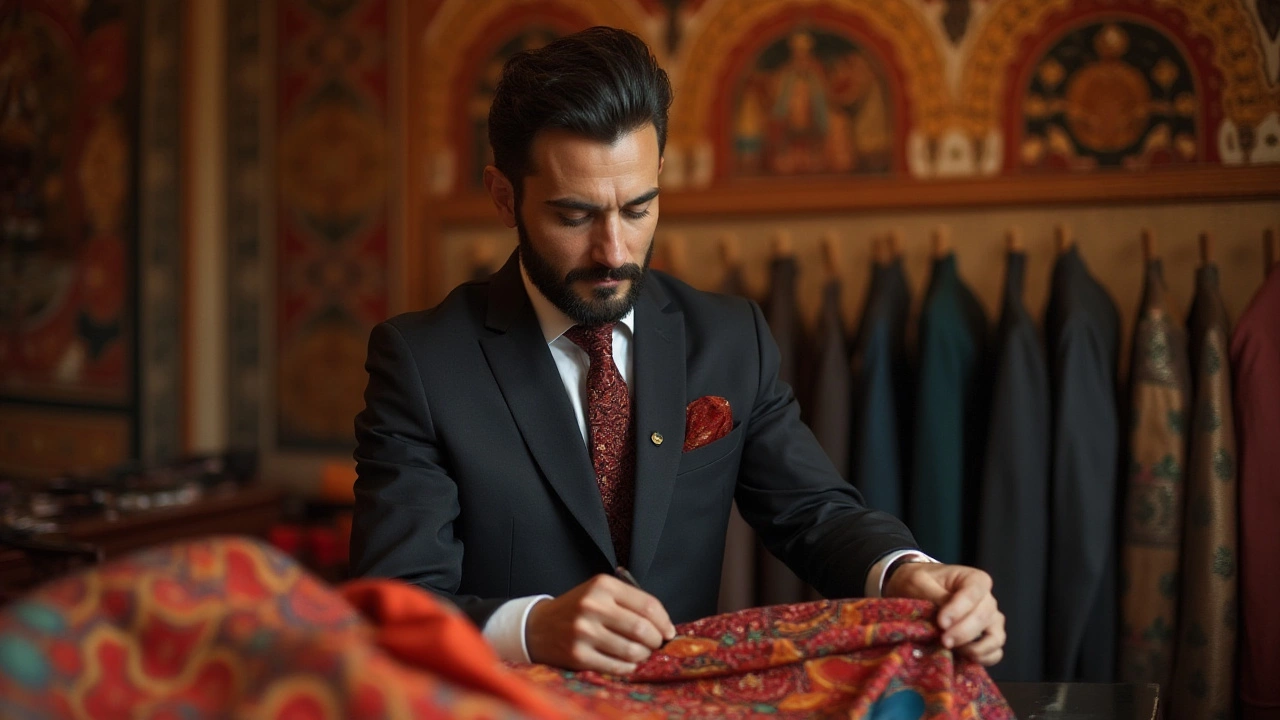
Expensive Suits: What Makes a High-End Suit Worth the Price
When you hear expensive suits, a high-end garment designed for precision fit, premium materials, and lasting wear. Also known as luxury suits, they’re not just about looking sharp—they’re built to last decades, not seasons. Most people think it’s the brand name or the price tag that makes a suit expensive. But that’s not it. Real value comes from what’s inside: the fabric, the hand-stitching, the structure, and how it moves with your body.
Take the wool suits, made from high-grade wool fibers that breathe, drape, and recover from wrinkles better than synthetic blends. A suit using Super 120s or higher wool feels lighter, smoother, and holds its shape longer. Then there’s the tailoring, the art of shaping fabric to the body through hand-stitched canvases, pad-stitched lapels, and floating chest linings. Machine-made suits glue layers together. Handmade ones let each part breathe and flex naturally. That’s why a $2,000 suit can outlast ten $300 ones.
And then there’s the fit. An expensive suit doesn’t just hang on you—it hugs your shoulders, tapers at the waist, and ends just right at the ankle. It’s not about being tight. It’s about balance. A well-tailored suit makes you look taller, leaner, and more confident, no matter your size. That’s why people who wear them regularly say they feel different—not just dressed up, but upgraded.
If you’ve ever wondered why some suits cost five times more than others, it’s not marketing. It’s materials. It’s time. It’s craftsmanship. And it’s the fact that you’re paying for something that won’t pill, shrink, or fall apart after a few wears. You’re paying for a garment that gets better with age.
Below, you’ll find real breakdowns of what separates a good suit from a great one—how to spot hand-stitching, why Italian wool matters, and when it actually makes sense to spend more. No fluff. Just what you need to know before you buy.