Best Animal Leather for Shoes: Cow, Goat, Pig, Sheep & Exotic Options Compared
Discover which animal leather ranks best for shoes by comparing durability, breathability, cost, and style-from cow and goat to exotic ostrich and alligator.
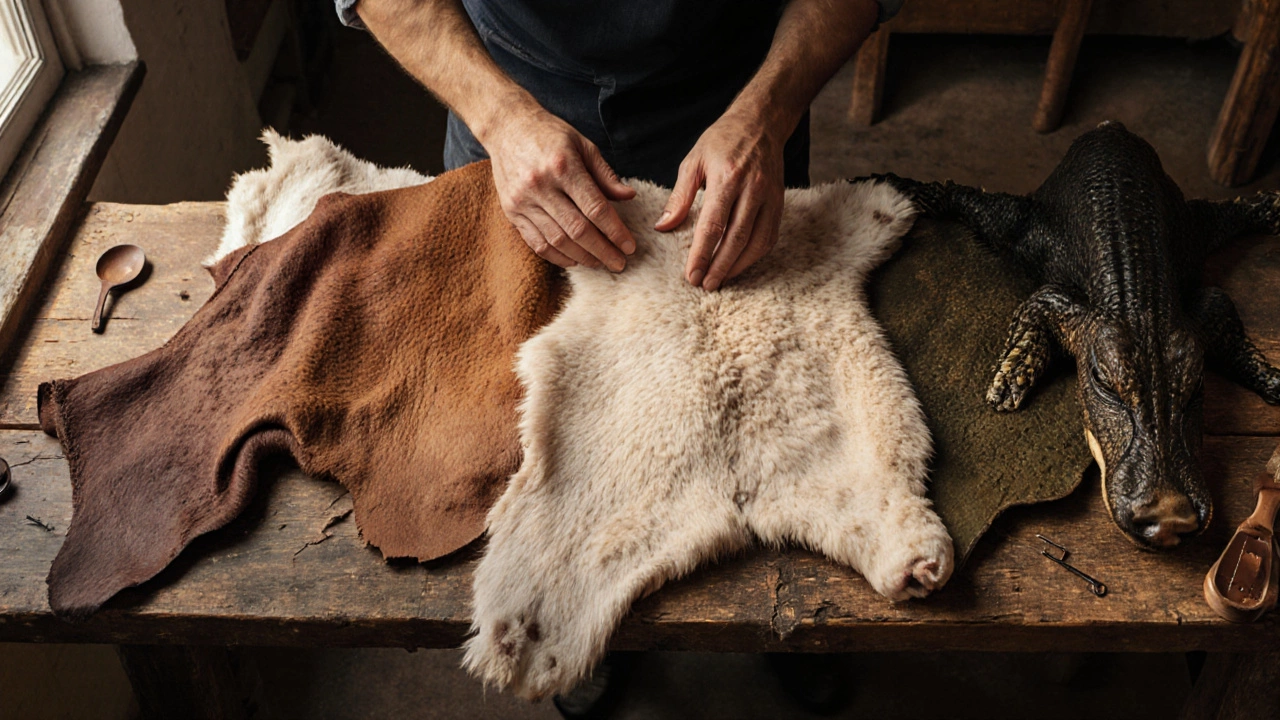
When you hear exotic leather, a type of premium material made from the skin of non-traditional animals like crocodiles, snakes, ostriches, or lizards. Also known as luxury leather, it stands out because of its unique texture, rarity, and the craftsmanship required to process it. Unlike cowhide or lambskin, exotic leather doesn’t come from farm-raised animals—it’s sourced from species with distinctive scales, bumps, or grain patterns that can’t be replicated by machines. That’s why a single exotic leather handbag can cost more than a month’s rent, and why people still pay for it.
What makes exotic animal leather, a subset of exotic leather derived from reptiles, birds, or other non-bovine species so special isn’t just looks. It’s durability. Ostrich leather has natural quill follicles that make it more flexible and resistant to cracking. Crocodile skin has a tight, scale-like structure that holds shape for decades. Snake skin, despite its thin appearance, is surprisingly strong when properly tanned. These aren’t just fashion statements—they’re heirloom materials. And that’s why you’ll find them in high-end footwear, belts, wallets, and even jackets. But here’s the catch: not all products labeled as exotic leather are real. Many use printed vinyl or dyed cowhide to mimic the look. True exotic leather has irregular patterns, slight texture variations, and a smell that’s rich but not chemical. If it looks too perfect, it’s probably fake.
There’s also a growing conversation around ethics and legality. Some exotic leathers are regulated under CITES (Convention on International Trade in Endangered Species), meaning you can’t just buy any snake skin anywhere. Reputable brands source from certified farms that follow strict animal welfare and sustainability rules. Knowing where your leather comes from isn’t just about guilt—it’s about quality. Leather from poorly managed sources often cracks, fades, or smells off within a year. Real exotic leather, when cared for, lasts generations.
What you’ll find in the posts below is a collection of guides that cut through the noise. You’ll learn how to tell real exotic leather from fakes, which animal skins are most durable for daily use, why some types are better for boots than bags, and how to clean and protect them without ruining the finish. Whether you’re considering your first exotic leather piece or just curious about what makes it different, these articles give you the facts—not the fluff.
Discover which animal leather ranks best for shoes by comparing durability, breathability, cost, and style-from cow and goat to exotic ostrich and alligator.