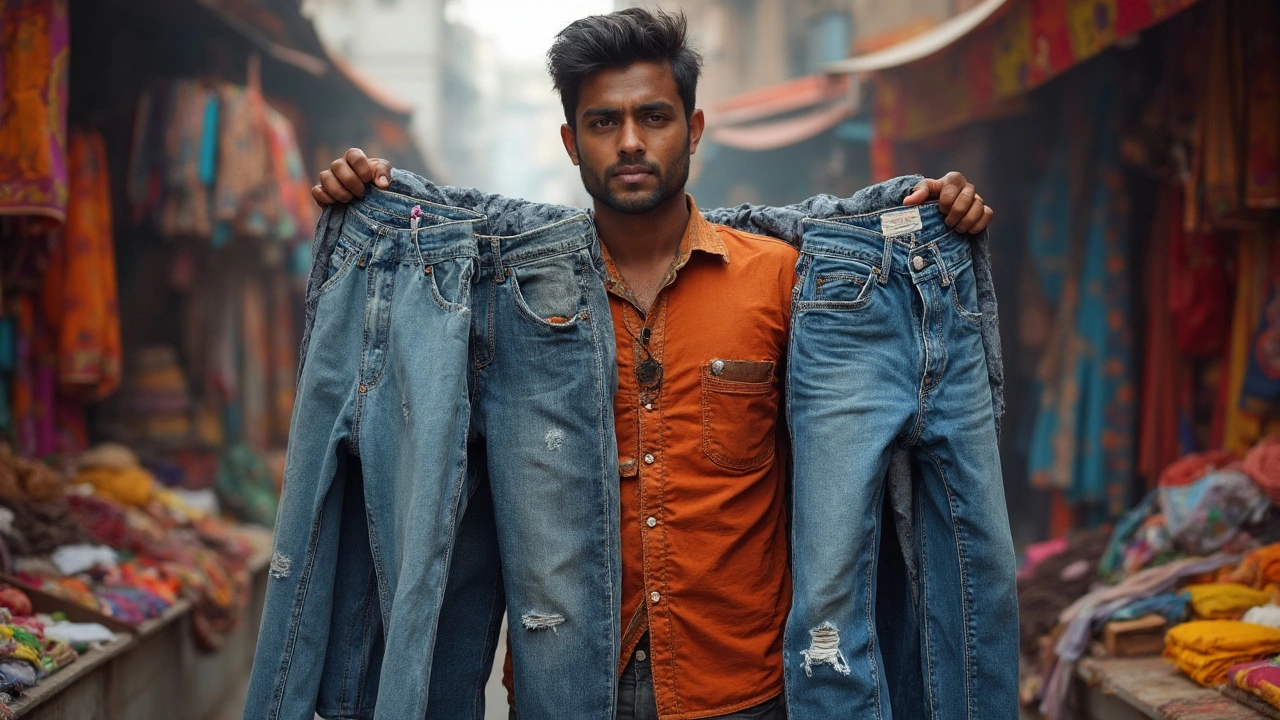
Denim Quality: How to Spot Real Durability in Jeans
When you buy a pair of jeans, you’re not just buying pants—you’re buying denim quality, the combination of fabric density, weave, and material that determines how long your jeans will last and how they’ll feel over time. Also known as jean fabric, it’s what separates jeans that fade gracefully from those that thin out after a few washes. Most people think all denim is the same, but the truth is, two pairs labeled "100% cotton" can feel worlds apart. One might be stiff and heavy, the other thin and flimsy. That difference comes down to denim weight, measured in ounces per square yard, which tells you how thick and durable the fabric is. Heavyweight denim, like 12–16 oz, is built for long-term wear and holds its shape. Lighter denim, under 10 oz, is softer and more breathable but won’t last as long under heavy use.
Then there’s the denim weave, the pattern in which threads are interlaced, which affects strength, stretch, and how the fabric ages. The classic right-hand twill weave, where the diagonal line runs from bottom left to top right, is the most durable and gives denim its signature look. Some brands use left-hand twill or even denim with added spandex for stretch, but that can reduce longevity. Real denim quality doesn’t come from marketing buzzwords—it comes from how the fabric is constructed and what it’s made of. Look for jeans made with 100% cotton, no blends unless you know why they’re there. Synthetic fibers might add stretch, but they trap odor and break down faster than natural cotton.
And don’t forget the finish. Raw denim, untreated and unwashed, shows off true fabric quality because you can see every thread and imperfection. It’s not for everyone, but it’s the purest test of how good the denim really is. Pre-washed or distressed jeans hide flaws—but they also hide the real fabric beneath. If you care about how your jeans age, you need to care about the base material. The best denim gets better with time, developing a unique fade pattern that’s all yours. Cheap denim just gets threadbare.
What you’ll find in the posts below are clear, no-fluff guides on how to judge denim like a pro—whether you’re comparing brands, checking for fake premium labels, or just trying to understand why one pair costs three times more than another. You’ll learn what to feel for, what to look for in the stitching, and how to avoid being fooled by labels like "premium" or "Japanese denim" that mean nothing without real substance behind them. This isn’t about trends. It’s about making sure your next pair of jeans actually lasts.